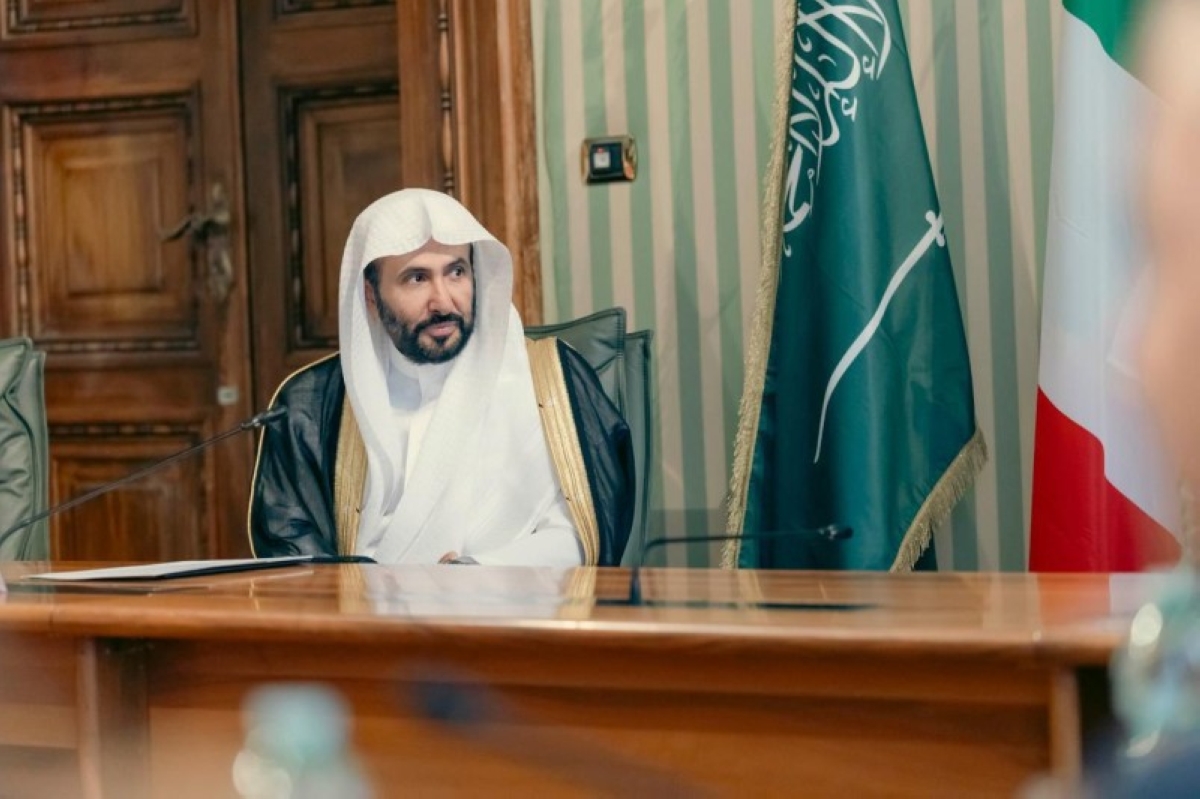
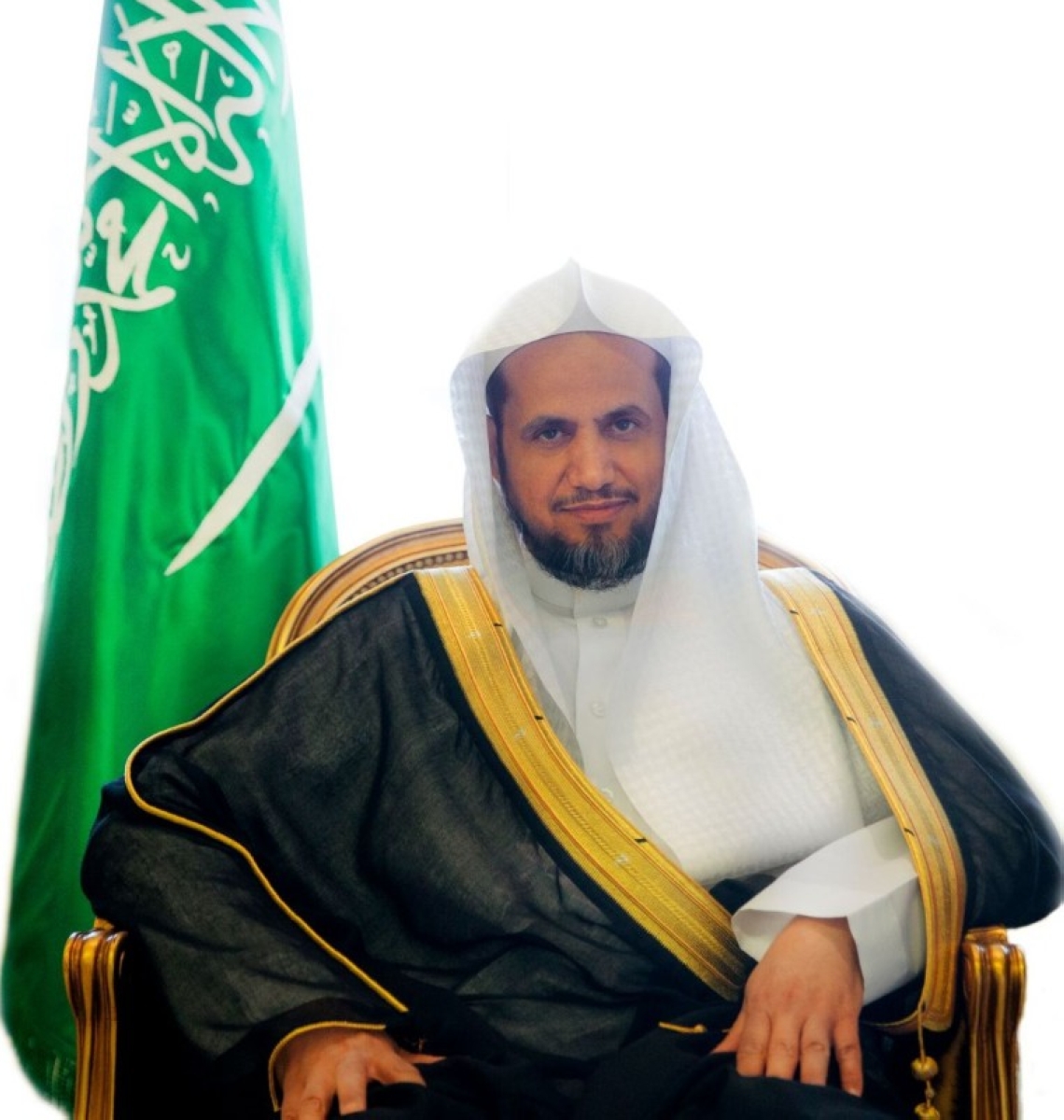
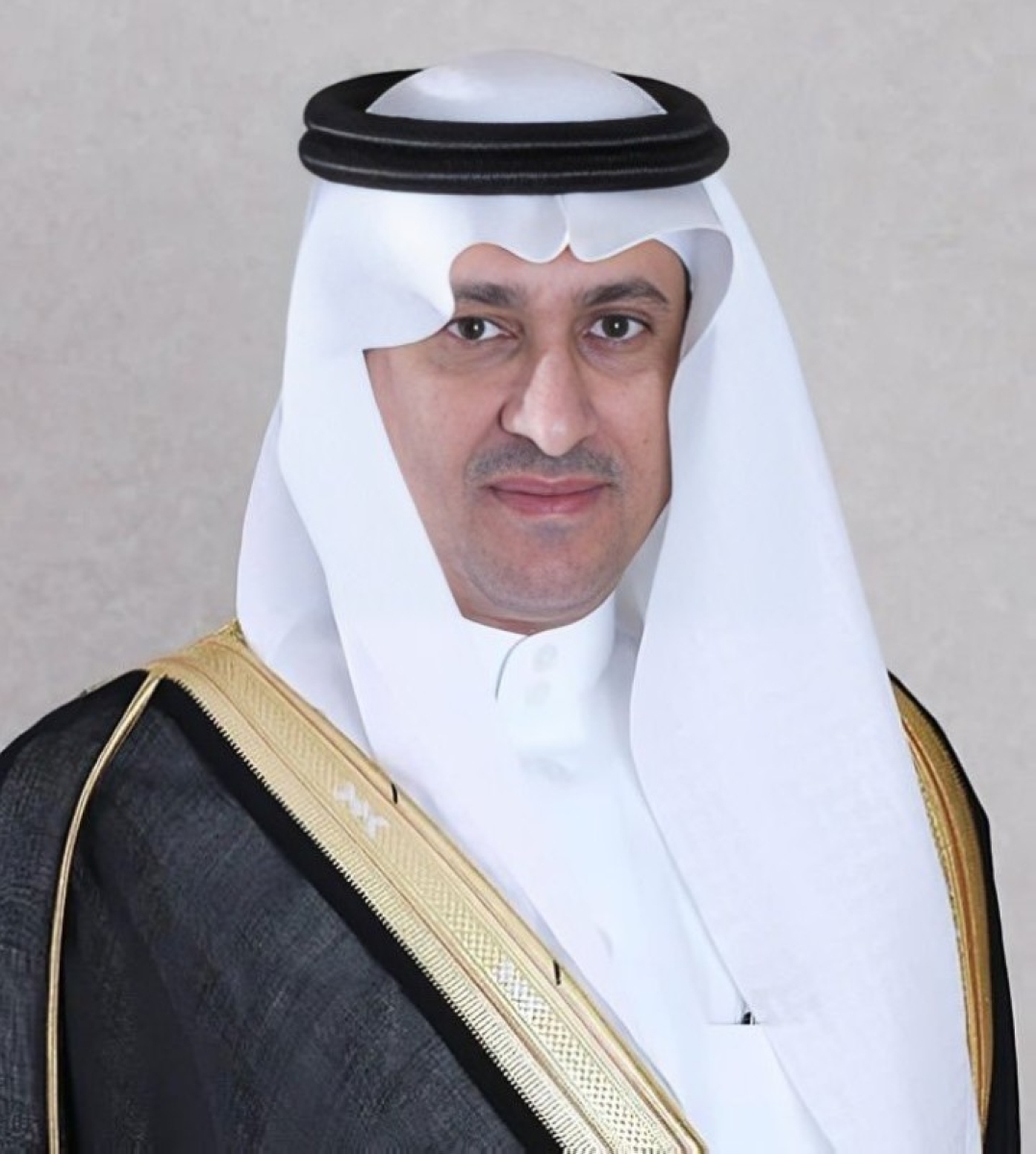
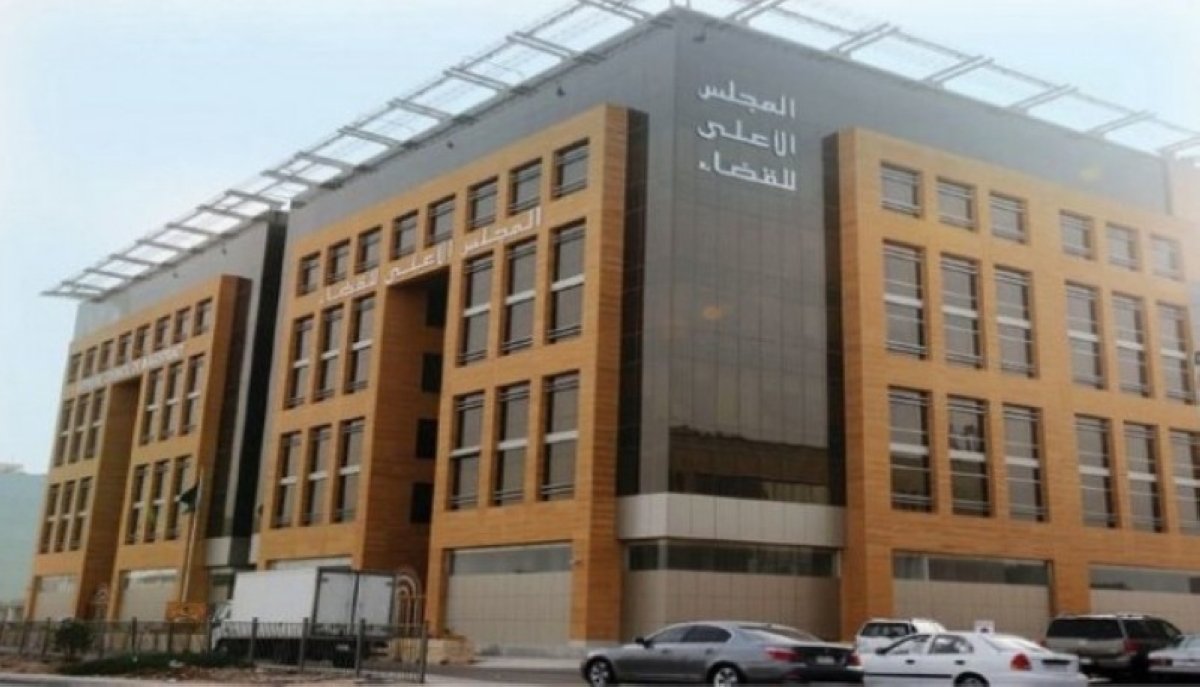
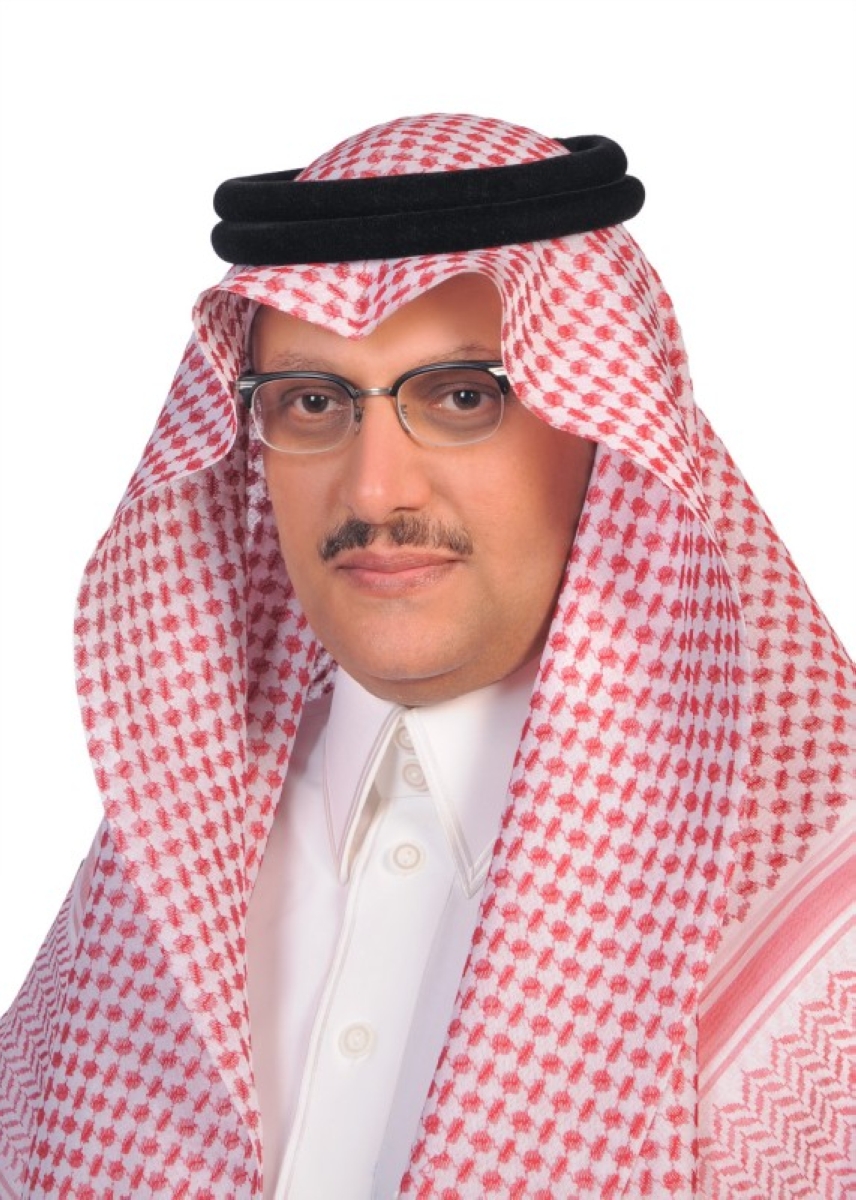
رفع رئيس المجلس الأعلى للقضاء المكلف الدكتور وليد الصمعاني الشكر والتقدير لخادم الحرمين الشريفين وولي العهد بمناسبة صدور الأمر الملكي بتشكيل المجلس الأعلى للقضاء، وتجديد الثقة باستمرار تكليفه رئيساً للمجلس.
وأكد الصمعاني أن الدعم الكبير الذي يوليه خادم الحرمين الشريفين وولي العهد لمنظومة القضاء أسهم في تطوير المرفق العدلي ورفع كفاءته.
وتضم عضوية المجلس في تشكيله: رئيس المحكمة العليا، النائب العام، نائب وزير العدل، إلى جانب الأعضاء الذين شملهم الأمر الملكي.
وتضمن الأمر الملكي تسمية القضاة: عبداللطيف بن محمد بن عبدالله السبيل، ماجد بن محمد بن علي الرجيعي، عبدالسلام بن عبدالله بن متعب الغامدي، صالح بن ناعم بن سلطان العمري، أعضاءً في المجلس الأعلى للقضاء لمدة 4 سنوات، وفقاً للفقرة (ب) من المادة الخامسة من نظام القضاء، وتسمية الدكتور فهد بن سعد بن إبراهيم الماجد، أحمد بن سعيد بن حسن الأسمري، إبراهيم بن صالح بن عبدالرحمن الأطرم، مشعل بن حمد بن عثمان العريني أعضاءً في المجلس الأعلى للقضاء لمدة 4 سنوات، وفقاً للفقرة (هـ) من المادة الخامسة من النظام، وتسمية بدر بن عبدالمحسن بن عبدالله بن هداب، عبدالله بن عبدالقادر بن شيبة الحمد شيبة الحمد، الدكتور مشعل بن فواز بن زيد المسعد أعضاءً في المجلس الأعلى للقضاء لمدة 4 سنوات، وفقاً للفقرة (و) من المادة الخامسة من نظام القضاء.
ورفع الأعضاء شكرهم وتقديرهم للقيادة على هذه الثقة الكريمة، مؤكدين أنها تمثل تكليفاً وتشريفاً يدفعهم لمواصلة العطاء وبذل المزيد في خدمة الوطن، سائلين المولى عز وجل أن يمدّهم بالعون والتوفيق، وأن يحفظ القيادة ويديم على الوطن أمنه واستقراره.
قانونيان يوضحان مهمات المجلس
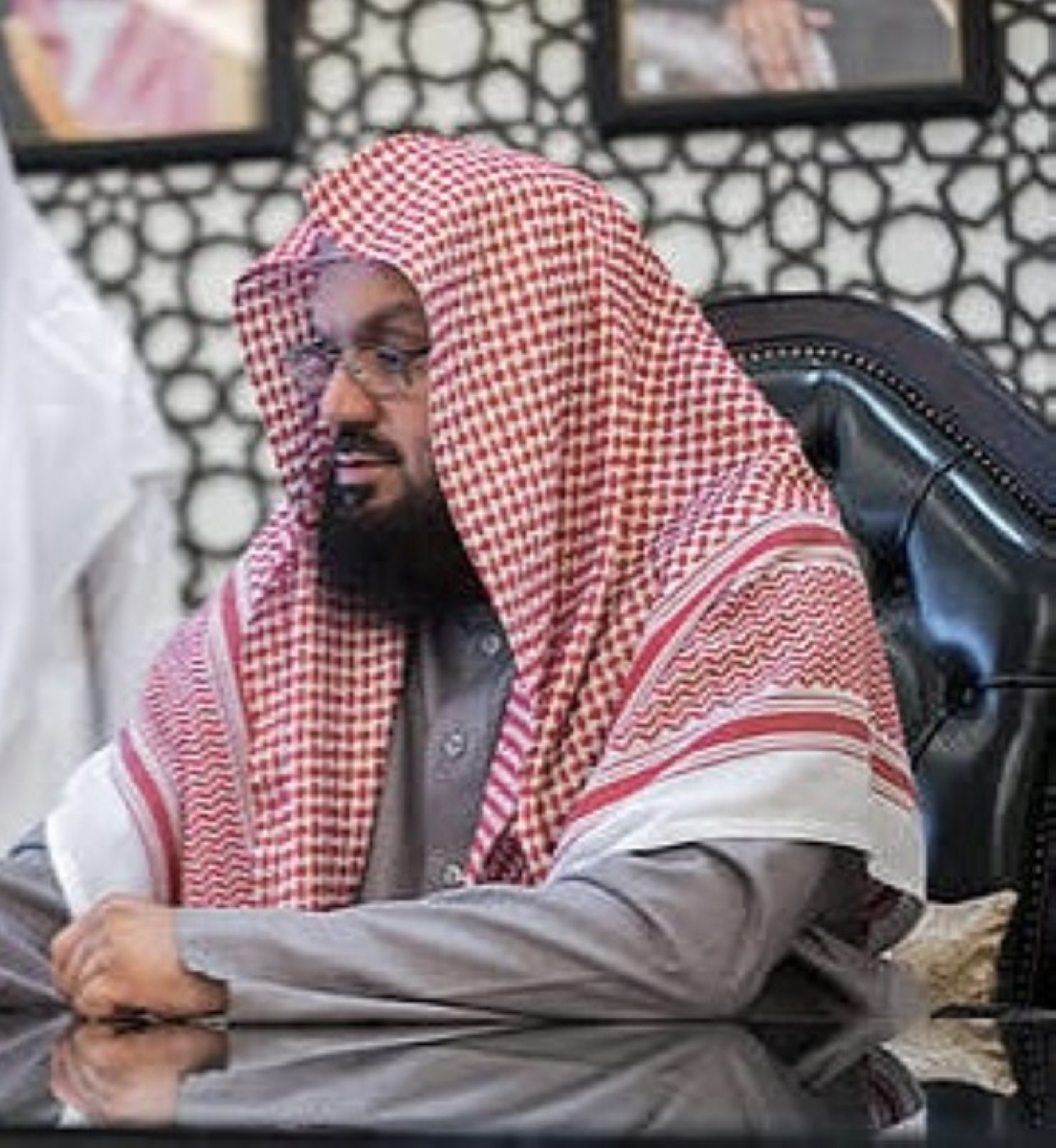
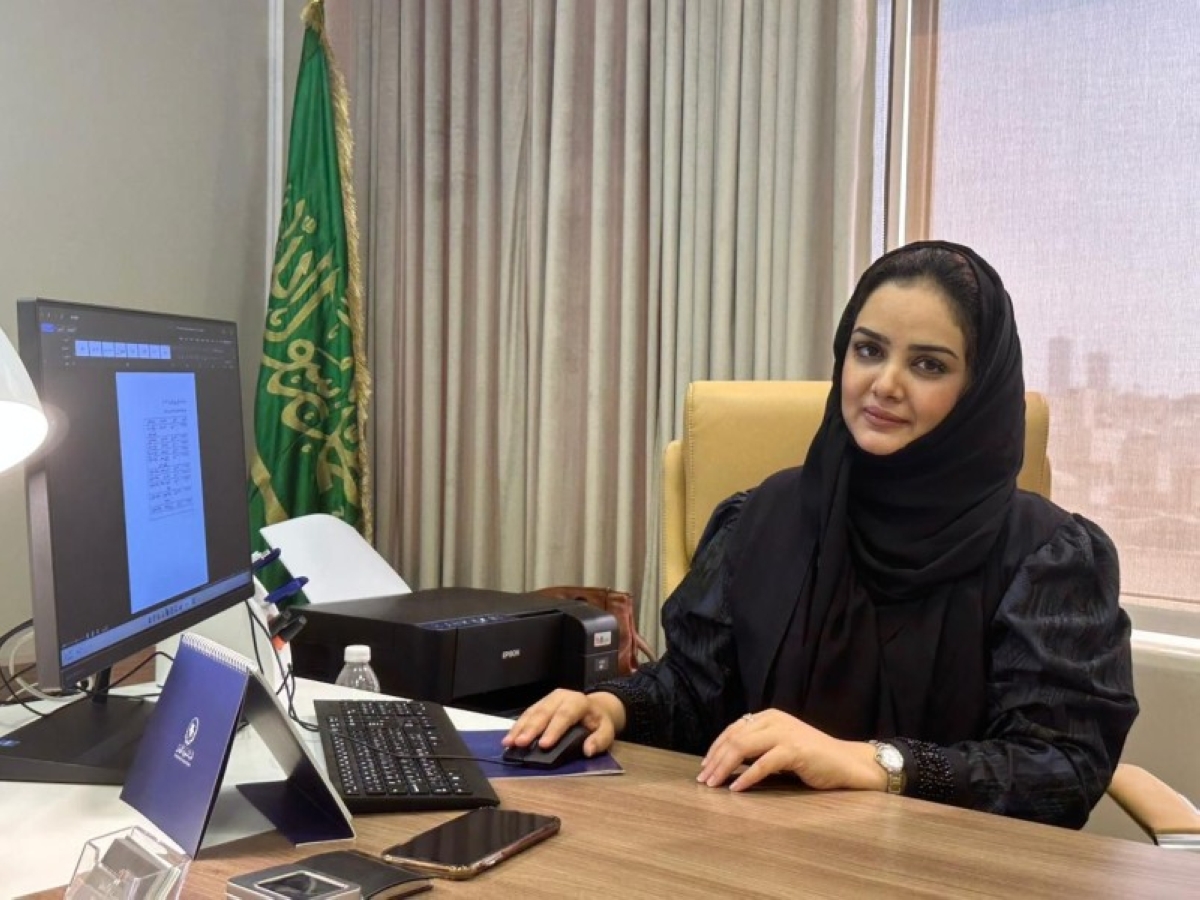
أوضح لـ«عكاظ» كل من المحامي والمستشار القانوني حكم الحكمي، والمحامية والموثقة عبير دغريري أن لمجلس القضاء الأعلى أدواراً واختصاصات من أهمها النظر في شؤون القضاة الوظيفية، من تعيين وترقية وتأديب وندب وإعارة وتدريب ونقل وإجازة وإنهاء خدمة وغير ذلك، وفقاً للقواعد والإجراءات المقررة، وذلك بما يضمن استقلال القضاة. وأضافا أن من مهمات المجلس الأعلى للقضاء إصدار لائحة للتفتيش القضائي، وإنشاء محاكم وفق الأسماء المنصوص عليها في النظام، أو دمجها أو إلغاءها، وتحديد اختصاصها المكاني والنوعي بما لا يتعارض مع أحكام النظام، وتأليف الدوائر فيها. إضافة إلى الإشراف على المحاكم والقضاة وأعمالهم في الحدود المبينة في هذا النظام، وتسمية رؤساء محاكم الاستئناف ومساعديهم من بين قضاة محاكم الاستئناف، ورؤساء محاكم الدرجة الأولى ومساعديهم، وإصدار قواعد تنظم اختصاصات وصلاحيات رؤساء المحاكم ومساعديهم، وإصدار قواعد تبين طريقة اختيار القضاة، وإجراءات وضوابط تفريغهم للدراسة وتنظيم أعمال الملازمين القضائيين، فضلاً عن تحديد الأعمال القضائية النظيرة المطلوبة لشغل الدرجات القضائية، وختما بالقول إن المجلس الأعلى للقضاء يقدم خدماته إلكترونياً من شكاوى إلكترونية، وحجز موعد، وتنازع الاختصاص والاستعلام على المعاملات.
The President of the Supreme Judicial Council, Dr. Walid Al-Samaani, expressed his gratitude and appreciation to the Custodian of the Two Holy Mosques and the Crown Prince on the occasion of the royal decree to form the Supreme Judicial Council and the renewal of confidence in his continued appointment as the council's president.
Al-Samaani confirmed that the significant support provided by the Custodian of the Two Holy Mosques and the Crown Prince to the judicial system has contributed to the development of the judicial facility and the enhancement of its efficiency.
The council's membership includes: the President of the Supreme Court, the Attorney General, the Deputy Minister of Justice, in addition to the members included in the royal decree.
The royal decree named judges: Abdul Latif bin Muhammad bin Abdullah Al-Sabeel, Majid bin Muhammad bin Ali Al-Rujai'i, Abdul Salam bin Abdullah bin Mut'eb Al-Ghamdi, Saleh bin Naeem bin Sultan Al-Omari, as members of the Supreme Judicial Council for a period of 4 years, according to paragraph (B) of Article Five of the Judiciary System. It also named Dr. Fahd bin Saad bin Ibrahim Al-Majid, Ahmed bin Saeed bin Hassan Al-Asmeri, Ibrahim bin Saleh bin Abdul Rahman Al-Atram, Mishaal bin Hamad bin Othman Al-Urayni as members of the Supreme Judicial Council for a period of 4 years, according to paragraph (E) of Article Five of the system, and named Badr bin Abdul Mohsen bin Abdullah bin Hadeb, Abdullah bin Abdul Qadir bin Shaybah Al-Hamd Shaybah Al-Hamd, Dr. Mishaal bin Fawaz bin Zaid Al-Mas'ad as members of the Supreme Judicial Council for a period of 4 years, according to paragraph (W) of Article Five of the Judiciary System.
The members expressed their gratitude and appreciation to the leadership for this generous trust, affirming that it represents a mandate and an honor that motivates them to continue giving and exerting more effort in serving the nation, asking Allah Almighty to grant them assistance and success, and to protect the leadership and maintain the nation's security and stability.
Two Legal Experts Clarify the Council's Tasks
In an interview with "Okaz," both lawyer and legal advisor Hakem Al-Hakami and lawyer and notary Abeer Daghriri explained that the Supreme Judicial Council has roles and responsibilities, the most important of which is to consider the functional affairs of judges, including appointment, promotion, discipline, secondment, lending, training, transfer, leave, termination of service, and others, according to the established rules and procedures, ensuring the independence of judges. They added that one of the tasks of the Supreme Judicial Council is to issue a regulation for judicial inspection, establish courts according to the names stipulated in the system, merge or abolish them, and determine their spatial and qualitative jurisdiction in a manner that does not conflict with the provisions of the system, as well as forming the circuits within them. Additionally, the council oversees the courts and judges and their work within the limits specified in this system, appoints the heads of appellate courts and their assistants from among the judges of the appellate courts, heads of first-instance courts and their assistants, issues rules regulating the jurisdictions and powers of the heads of courts and their assistants, issues rules clarifying the method of selecting judges, and the procedures and regulations for their study leave and organizing the work of judicial assistants, in addition to determining the required judicial tasks to occupy judicial ranks. They concluded by stating that the Supreme Judicial Council provides its services electronically, including electronic complaints, appointment scheduling, jurisdiction disputes, and inquiries about transactions.