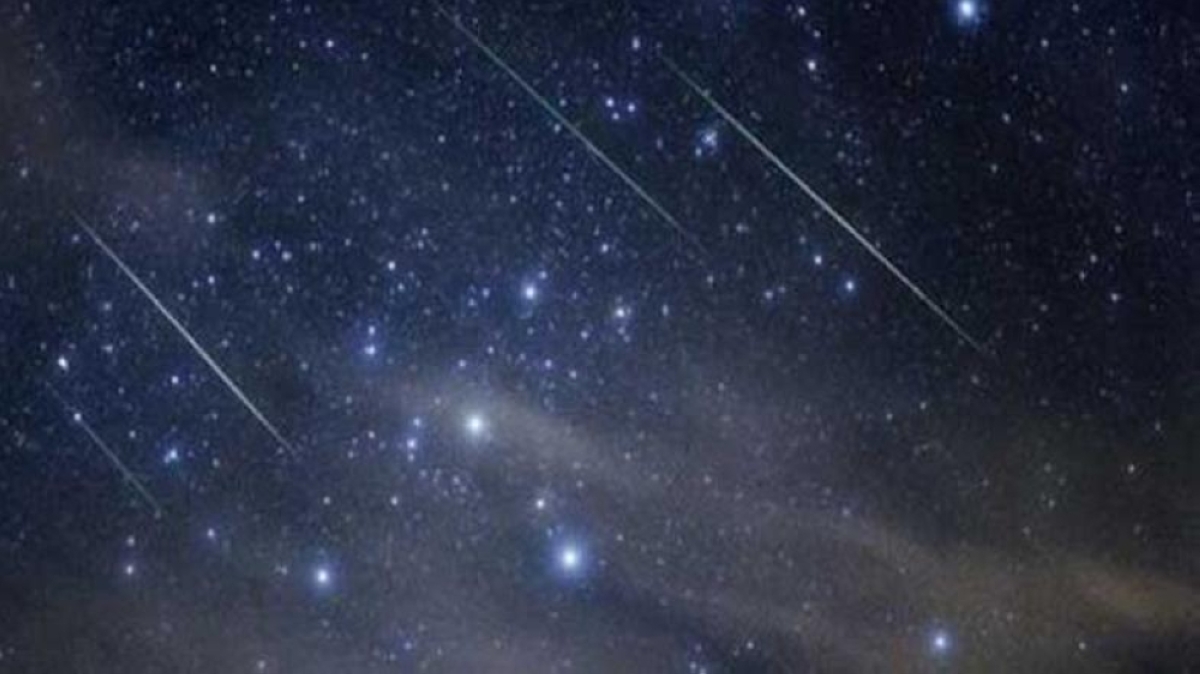
كشفت فلكية جدة، أن سماء المملكة والمنطقة العربية تشهد ظاهرة فلكية مميّزة تتمثّل في بلوغ زخة شهب «الجباريات» ذروتها، ويتوقع أن تظهر بوضوح في ساعات ما قبل الفجر عندما تكون نقطة إشعاعها مرتفعة في السماء باتجاه الأفق الجنوبي الشرقي.
وأوضح رئيس الجمعية الفلكية بجدة المهندس ماجد أبو زاهرة، أن الظروف هذا العام تُعد مثالية للرصد، نظراً لغروب القمر قبل الفجر؛ مما يتيح سماء مظلمة تُمكّن من مشاهدة الشهب التي تنشط عادة في الفترة من 2 أكتوبر حتى 7 نوفمبر من كل عام.
وبيّن أن زخة الجباريات من الزخات المتوسطة، إذ يمكن مشاهدة نحو 20 شهاباً في الساعة من المواقع البعيدة عن أضواء المدن، مشيراً إلى أن مصدرها المذنب «هالي» الذي سيقترب من الشمس مجدّداً في يوليو 2061م، وأن بعض الشهب قد تترك ذيولاً مضيئة تُرى بالعين المجردة.
وأضاف أن الرصد لا يتطلب استخدام التلسكوبات أو المناظير، ويكفي اختيار موقع مظلم واتساع الأفق لمتابعة العرض السماوي الممتع، الذي يُعد فرصة مناسبة لهواة الفلك والعائلات للاستمتاع بمشهد فريد في سماء المملكة.
من جهة أخرى، أكد رئيس الجمعية الفلكية بجدة المهندس ماجد أبو زاهرة، أن ما تم تداوله خلال الأسابيع الأخيرة عبر منصات التواصل الاجتماعي حول الجرم بين النجمي المكتشف حديثاً لا يمت إلى الحقيقة العلمية بصلة، مشدداً على أن الادعاءات التي تصفه بأنه «النجم الطارق» أو أنه سيُحدث «آية الدخان» ما هي إلا شائعات ليس لها أساس علمي، وأوضح أبو زاهرة أن الجرم 3I/أطلس جرم حقيقي رُصد بواسطة برامج المسح الآلي للسماء، ويُعد ثالث جرم بين نجمي مؤكد يعبر النظام الشمسي بعد «أومواموا» عام 2017 و«بوريسوف» عام 2019.
The Jeddah Astronomical Society revealed that the sky over the Kingdom and the Arab region is witnessing a remarkable astronomical phenomenon represented by the peak of the "Orionids" meteor shower, which is expected to be clearly visible in the hours before dawn when its radiant point is high in the sky towards the southeastern horizon.
The head of the Jeddah Astronomical Society, Engineer Majid Abu Zahra, explained that the conditions this year are ideal for observation, as the moon sets before dawn; this allows for a dark sky that enables the viewing of meteors, which are typically active from October 2 to November 7 each year.
He indicated that the Orionids are considered a medium meteor shower, with about 20 meteors visible per hour from locations far from city lights, noting that their source is the "Halley" comet, which will approach the sun again in July 2061, and that some meteors may leave bright trails visible to the naked eye.
He added that observation does not require the use of telescopes or binoculars; it is sufficient to choose a dark location with a wide horizon to enjoy the delightful celestial display, which is a great opportunity for astronomy enthusiasts and families to enjoy a unique scene in the sky of the Kingdom.
On another note, Engineer Majid Abu Zahra, the head of the Jeddah Astronomical Society, confirmed that the information circulated in recent weeks on social media about the newly discovered interstellar object has no scientific basis, emphasizing that claims describing it as the "guest star" or that it will cause a "sign of smoke" are mere rumors without scientific foundation. Abu Zahra clarified that the object 3I/Atlas is a real interstellar object observed by automated sky survey programs, and it is the third confirmed interstellar object to pass through the solar system after "Oumuamua" in 2017 and "Borisov" in 2019.