


في زمنٍ تمضي فيه الأمم نحو المستقبل بخطى مسرعة، وقليلٌ منها يلتفت إلى من صنعوا البدايات، ترفع المملكة راية الوفاء لمن منحوا أعمارهم للبناء. ثمانيةُ عقودٍ من العمر ليست خريفاً في سجل الإنسان السعودي، بل فصلُ الحكمة الذي تحرسه الدولة برعايةٍ تمتد من نبض المستشفى إلى دفء البيت.مليون سعودي تجاوزوا سنّ الستين وفق الهيئة العامة للإحصاء، يجدون اليوم في مؤسسات وطنهم يداً تُعالج، وأخرى تُكرم، وثالثة تفتح لهم أبواب المشاركة في حياةٍ لا تعرف التقاعد عن العطاء.وفي هذا المشهد الإنساني، لا تُساق الوعود بالكلمات، بل تُكتب بالأنظمة واللوائح، وتُنفَّذ بالبرامج الواقعية التي جعلت رعاية كبار السن بنداً ثابتاً في سياسة الدولة الاجتماعية والصحية، ضمن رؤيةٍ ترى الإنسان أثمن استثمار في تاريخ الوطن.ومن بين الجدران الهادئة لدور الرعاية، وحتى الأحياء الشعبية في القرى والهجر، تمدّ وزارة الموارد البشرية والتنمية الاجتماعية ذراعها لكل كبيرٍ في السن وأنشأت أكثر من 12 دار رعاية اجتماعية، تقدّم الإيواء والعلاج والدعم النفسي، وفعّلت برامج الرعاية المنزلية لتبقى الشيخوخة في كنف الأسرة لا في عزلة الجدران، كما أطلقت مبادرة «ديوانية الغالين» التي تحوّلت إلى مساحة تواصلٍ مجتمعيٍ تُعيد للزمن جماله، وبرامج تمكينٍ تشجع كبار السن القادرين على العمل، وتتيح لهم الاستمرار في ميادين الخبرة وتعمل الوزارة ضمن نظام حقوق كبير السن ورعايته الذي أقرّ بمرسوم ملكي، لتصبح حماية الكبار مسؤولية دولة، لا مبادرةً وقتية.وفي ممرات المستشفيات، وعلى أبواب البيوت، تُقدّم وزارة الصحة نموذجاً للرعاية التي لا تعرف المسافات وبرنامج الرعاية الصحية المنزلية يخدم آلاف كبار السن يومياً عبر فرقٍ طبيةٍ متنقلة تصل إلى المنازل في كل مدينة وقرية. أما بطاقة «أولوية» فكانت الجسر الذي منح المسن حقه في الصف الأول داخل المستشفيات والمراكز، من دون أن يرفع صوته أو ينتظر طويلاً وتتبنّى الوزارة حملات وطنية لرفع الوعي بأمراض الشيخوخة، وتطوّر تخصص طبّ كبار السن في الجامعات والمراكز الطبية، وتُدرج في خطتها السنوية مؤشراتٍ واضحة لقياس جودة الخدمات المقدّمة لهذه الفئة.تشريعٌ وقانونفي عام 1443هـ، وُلد نظام حقوق كبير السن ورعايته، مؤلف من 23 مادة تضمن للإنسان في خريف العمر حقوقاً لا تنتقصها السنوات: حقّ العيش في بيئةٍ تحفظ كرامته، والرعاية الأسرية، والأولوية في الخدمات، والحماية من الإيذاء أو التهميش، ومنحت اللائحة التنفيذية للنظام الوزارات والأجهزة الحكومية صلاحيات التكامل، وألزمت القطاعين الأهلي والخاص بالمشاركة في منظومة الرعاية، ليصبح الاهتمام بكبار السن عملاً وطنياً مشتركاً، لا مهمة إدارية محدودة.
رعاية الكبار.. إنسانٌ تحرسه الدولة وذاكرةٌ تحرسها القيم
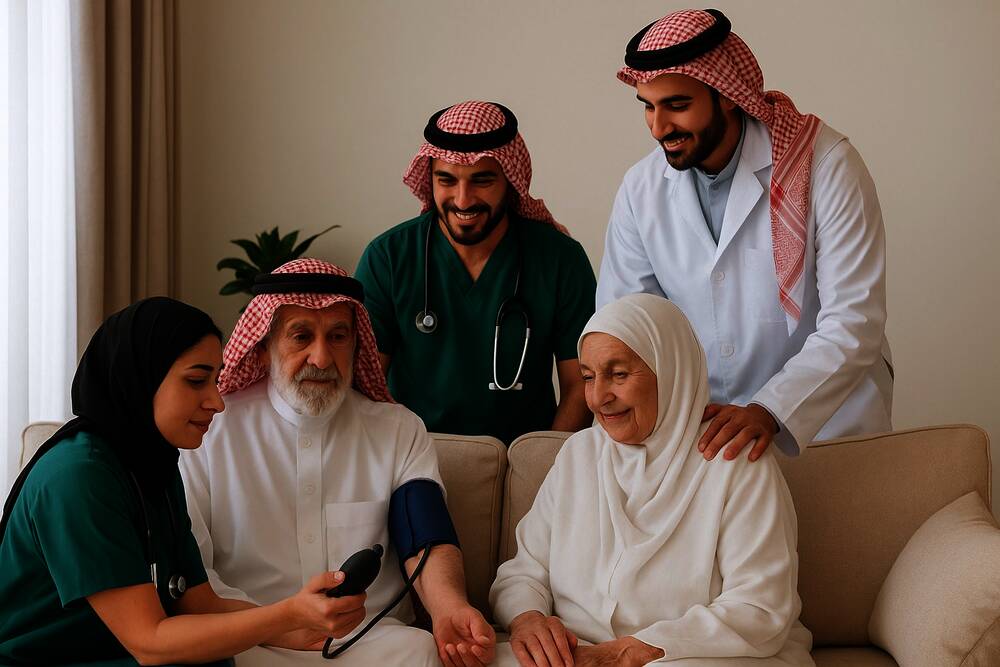


In an era where nations are racing towards the future, and few look back at those who made the beginnings, the Kingdom raises the banner of loyalty to those who dedicated their lives to building. Eight decades of life are not autumn in the record of the Saudi individual, but a season of wisdom that the state guards with care extending from the pulse of the hospital to the warmth of the home. A million Saudis over the age of sixty, according to the General Authority for Statistics, today find in their national institutions a hand that heals, another that honors, and a third that opens doors for them to participate in a life that knows no retirement from giving. In this human scene, promises are not conveyed in words, but are written in systems and regulations, and implemented through realistic programs that have made the care of the elderly a fixed item in the state's social and health policy, within a vision that sees the individual as the most valuable investment in the history of the nation. Among the quiet walls of care homes, and even in the popular neighborhoods of villages and hamlets, the Ministry of Human Resources and Social Development extends its arm to every elderly person and has established more than 12 social care homes, providing shelter, treatment, and psychological support, and has activated home care programs to keep aging within the family’s embrace rather than in the isolation of walls. It also launched the "Diwaniyat Al-Ghalin" initiative, which has transformed into a community communication space that restores the beauty of time, and empowerment programs that encourage capable seniors to work, allowing them to continue in fields of expertise. The ministry operates under the system of rights and care for the elderly, which was enacted by royal decree, making the protection of the elderly a state responsibility, not a temporary initiative. In the corridors of hospitals, and at the doors of homes, the Ministry of Health presents a model of care that knows no distances. The home health care program serves thousands of elderly individuals daily through mobile medical teams that reach homes in every city and village. As for the "Priority" card, it was the bridge that granted the elderly their right to be at the front of the line in hospitals and centers, without raising their voice or waiting long. The ministry adopts national campaigns to raise awareness about aging diseases, develops the specialty of geriatric medicine in universities and medical centers, and includes clear indicators in its annual plan to measure the quality of services provided to this group. Legislation and Law In the year 1443 AH, the system of rights and care for the elderly was born, consisting of 23 articles that guarantee individuals in the autumn of life rights that are not diminished by the years: the right to live in an environment that preserves their dignity, family care, priority in services, and protection from abuse or marginalization. The executive regulations of the system granted ministries and government agencies the powers of integration and obligated the private and non-profit sectors to participate in the care system, making the attention to the elderly a shared national endeavor, not a limited administrative task.


