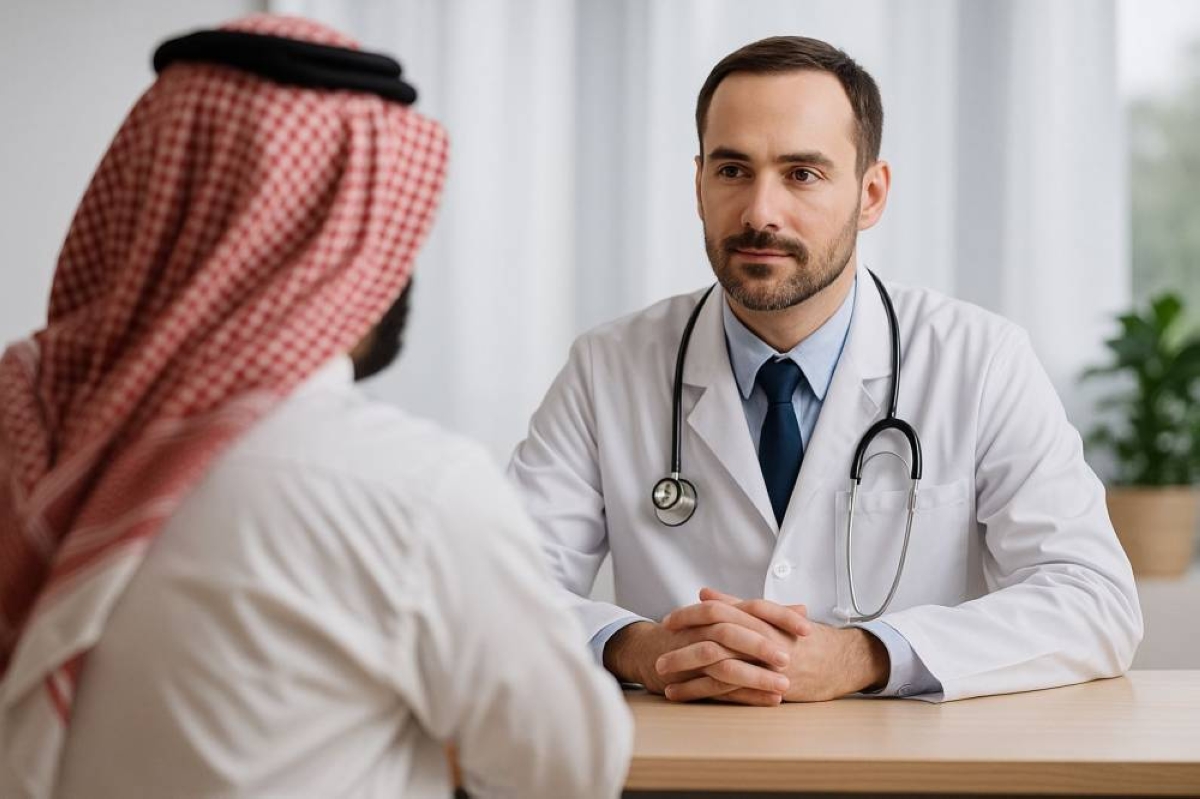
في اليوم العالمي للصحة النفسية، شددت النيابة العامة على حماية كرامة المرضى النفسيين وضمان حقوقهم النظامية، مؤكدة أن نظام الرعاية الصحية النفسية يشكّل إطاراً وطنياً لحماية المرضى وتعزيز كرامتهم ضمن أهدافه الأساسية في المعالجة والرعاية.
وأكدت النيابة أن النظام ينظّم ويطوّر خدمات الرعاية النفسية، ويضمن تلقي المرضى العلاج في بيئة آمنة تحفظ حقوقهم الإنسانية، مع وضع آلية واضحة للمعاملة والعلاج داخل المنشآت الصحية المتخصصة، وفق معايير مهنية تضمن العدالة والشفافية.
ويشدد النظام على حماية المرضى من أي إساءة أو استغلال، وعلى مسؤولية الجهات الصحية في تمكينهم من الحصول على الرعاية اللازمة، وتوفير الدعم النفسي والاجتماعي لهم ولأسرهم، بما يعزز استقرار المجتمع ويكرّس مفهوم الوقاية والعلاج المتكامل.
وفي سياق متصل، كشفت وزارة الصحة أن 685,172 شخصاً استفادوا من خدمات الصحة النفسية خلال عام 2021، وفق تصنيف المجموعات المرضية الدولي (ICD-10)، بزيادة تجاوزت 110 آلاف حالة مقارنة بعام 2020، الذي بلغ عدد مراجعيه 575,962 مستفيداً.
كما بلغ عدد المنومين في المستشفيات النفسية 31,377 مريضاً، منهم 16,468 مريضاً متردداً، و14,909 حالات جديدة.
وأوضحت الوزارة في تقرير سابق أن عدد مجمعات ومستشفيات الصحة النفسية في المملكة بلغ 21 مستشفى بطاقة استيعابية قدرها 4,046 سريراً، إضافة إلى أكثر من 99 عيادة نفسية ملحقة بالمستشفيات العامة والتخصصية.
ويعمل في هذه المرافق 728 طبيباً نفسياً، و3,346 ممرضاً، و523 اختصاصياً نفسياً، و909 اختصاصيين اجتماعيين يشكّلون شبكة الرعاية الوطنية في مجال الصحة النفسية.
كما كشف التقرير السنوي للمركز الوطني لتعزيز الصحة النفسية لعام 2024 تحقيق تقدم نوعي في خدمات الرعاية النفسية والتوعية المجتمعية، مؤكداً الدور الريادي الذي يؤديه المركز في بناء مجتمع أكثر وعياً واستقراراً نفسياً.
وبحسب إحصاءات المركز، جرى تقديم أكثر من 220 ألف استشارة خلال العام الماضي، إلى جانب تنفيذ 22 ألف دورة تدريبية متخصصة، وإنتاج 120 محتوى مرئياً توعوياً ضمن مبادرات متنوعة استهدفت جميع فئات المجتمع، إضافة إلى تدريب أكثر من 2000 مستفيد على مهارات تطبيق مبادئ جودة الحياة، تعزيزاً لأهداف المركز في الوقاية والدعم والتمكين.
On World Mental Health Day, the Public Prosecution emphasized the protection of the dignity of mental health patients and the guarantee of their legal rights, confirming that the mental health care system constitutes a national framework for protecting patients and enhancing their dignity as part of its core objectives in treatment and care.
The Public Prosecution affirmed that the system organizes and develops mental health care services, ensuring that patients receive treatment in a safe environment that preserves their human rights, with a clear mechanism for treatment and care within specialized health facilities, according to professional standards that ensure justice and transparency.
The system emphasizes the protection of patients from any abuse or exploitation, and the responsibility of health authorities to empower them to obtain the necessary care, providing psychological and social support for them and their families, which enhances community stability and establishes the concept of integrated prevention and treatment.
In a related context, the Ministry of Health revealed that 685,172 individuals benefited from mental health services during the year 2021, according to the International Classification of Diseases (ICD-10), with an increase of more than 110,000 cases compared to 2020, which had 575,962 beneficiaries.
The number of inpatients in psychiatric hospitals reached 31,377 patients, including 16,468 recurring patients and 14,909 new cases.
The ministry clarified in a previous report that the number of mental health complexes and hospitals in the Kingdom reached 21 hospitals with a capacity of 4,046 beds, in addition to more than 99 psychiatric clinics affiliated with general and specialized hospitals.
There are 728 psychiatrists, 3,346 nurses, 523 psychologists, and 909 social workers working in these facilities, forming a national care network in the field of mental health.
The annual report of the National Center for Mental Health Promotion for 2024 revealed significant progress in mental health care services and community awareness, confirming the leading role played by the center in building a more aware and psychologically stable community.
According to the center's statistics, more than 220,000 consultations were provided last year, along with the implementation of 22,000 specialized training courses, and the production of 120 awareness-raising visual content within various initiatives targeting all segments of society, in addition to training more than 2,000 beneficiaries on the skills of applying quality of life principles, enhancing the center's goals in prevention, support, and empowerment.