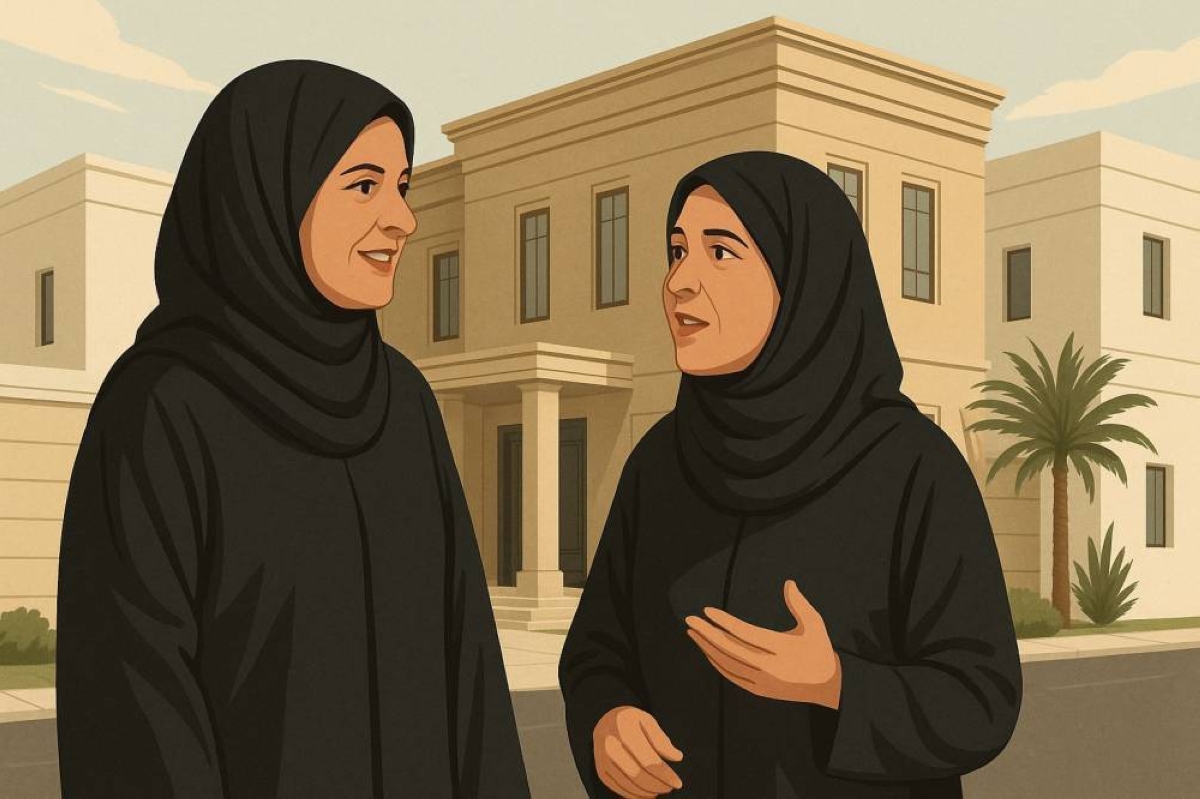
أكّدت اللائحة التنفيذية المعدلة في تنظيم الدعم السكني الصادرة عن وزارة البلديات والإسكان على حق الأرملة والمطلقة في الحصول على الدعم السكني ضمن فئة «من يُعدّ في حكم الأسرة»، في خطوة تُجسّد مفهوم العدالة الاجتماعية وتمكين المرأة ضمن مستهدفات رؤية السعودية 2030.
وجاء في نص المادة الثالثة – الفقرة (د/1): «المطلقة التي مضى على طلاقها سنة أو الأرملة أياً كان سنهما، ومن تجاوزت سنها (25) سنة دون زواج».
بهذا النص الواضح، أصبحت الأرملة والمطلقة مؤهلتين لتقديم طلب الدعم السكني بشكل مستقل دون اشتراط عمر محدد، ليكون السكن حقاً مضموناً للمرأة التي تواجه ظروفاً استثنائية كفقدان الزوج أو انتهاء العلاقة الزوجية.
ويهدف هذا التنظيم إلى حماية الاستقرار الاجتماعي، ومنح المرأة حق امتلاك مسكنها بوصفه ركيزة للكرامة والتمكين، خصوصاً لمن تتحمّل مسؤولية إعالة الأبناء أو تواجه ضعف الموارد المالية.
وتُعد هذه المادة امتداداً لسياسات المملكة في توسيع نطاق الحماية السكنية لتشمل الفئات الأشد حاجة، وتحويل الدعم من منحة مؤقتة إلى تمكين دائم يرسّخ مبدأ المساواة في فرص السكن والاستقلال الاجتماعي.
The amended executive regulation on housing support issued by the Ministry of Municipalities and Housing confirmed the right of widows and divorced women to receive housing support within the category of "those considered as part of the family," in a step that embodies the concept of social justice and women's empowerment within the targets of Saudi Vision 2030.
Article three – paragraph (d/1) states: "The divorced woman who has been divorced for a year or the widow, regardless of their age, and those who have exceeded the age of (25) without marriage."
With this clear text, widows and divorced women have become eligible to apply for housing support independently without a specific age requirement, making housing a guaranteed right for women facing exceptional circumstances such as the loss of a spouse or the end of a marital relationship.
This regulation aims to protect social stability and grant women the right to own their homes as a foundation for dignity and empowerment, especially for those who bear the responsibility of supporting children or face limited financial resources.
This article is an extension of the Kingdom's policies to expand the scope of housing protection to include the most vulnerable groups, transforming support from a temporary grant to a permanent empowerment that reinforces the principle of equality in housing opportunities and social independence.