فاز العالم السعودي البروفيسور عمر مؤنس ياغي، بجائزة نوبل في الكيمياء لعام 2025م، كأول عالم سعودي يفوز بالجائزة المقدمة من الأكاديمية الملكية السويدية للعلوم، تقديراً لإسهاماته الريادية في تأسيس علم الكيمياء الشبكية، وتطوير الأطر المعدنية العضوية، والأطر العضوية التساهمية، التي أحدثت ثورة في علوم المواد وفتحت آفاقاً جديدة لتطبيقات الطاقة النظيفة والمياه والبيئة.
ويعد البروفيسور ياغي من ألمع العلماء في مجال الكيمياء الشبكية، إذ ساهم خلال مسيرته العلمية في نشر أكثر من 300 بحث علمي، وحظيت أعماله بأكثر من 250 ألف استشهاد علمي، كما أسهم في تأسيس العديد من الشركات العالمية، وإطلاق عدد من المبادرات العلمية في مجال الطاقة النظيفة وعلوم المواد.
وأدّت إنجازاته المميزة إلى حصوله على عدد من الجوائز العالمية؛ ومنها: جائزة الملك فيصل العالمية في العلوم، وجائزة ألبرت أينشتاين العالمية للعلوم، وجائزة وولف في الكيمياء، وجائزة إيني للتميز في الطاقة، وجائزة غريغوري أمينوف من الأكاديمية الملكية السويدية للعلوم، وجائزة «فين فيوتشر» للعلوم والتقنيات الناشئة، وجائزة إرنست سولفاي، وجائزة نوابغ العرب، كما حصل على العديد من الأوسمة والجوائز المرموقة والتصنيفات العالمية.
وبهذه المناسبة، رفع رئيس مدينة الملك عبدالعزيز للعلوم والتقنية الدكتور منير محمود الدسوقي، الشكر والعرفان لخادم الحرمين الشريفين الملك سلمان بن عبدالعزيز، وولي العهد رئيس مجلس الوزراء الأمير محمد بن سلمان، على دعمهما المتواصل لمنظومة البحث والتطوير والابتكار، وتمكين الكفاءات الوطنية واستقطاب العقول المبدعة من أنحاء العالم بما يعود بالنفع على الوطن في المجالات كافة، تماشياً مع رؤية 2030.
وقال: «يجسد فوز الدكتور ياغي بجائزة نوبل رؤية القيادة في أن تكون المملكة مركزاً عالمياً للعلم والمعرفة والابتكار، ويؤكد أن الاستثمار في العقول المبدعة هو طريقنا لبناء مستقبل مستدام للإنسانية، إذ تمثل ابتكاراته في تصميم وإنتاج مواد نانونية واستخدامها لاستخلاص المياه من الهواء نموذجاً مُلهماً لما يمكن أن يصنعه العلم حين يجتمع الشغف بالإصرار».
يشار إلى أن البروفيسور ياغي قد حصل على الجنسية السعودية؛ تقديراً لجهوده وإسهاماته العلمية البارزة ومساهماته في مجال الكيمياء الشبكية والمواد النانوية، وانطلاقاً من مستهدفات رؤية 2030؛ نحو تعزيز البيئة الجاذبة لاستقطاب الكفاءات البشرية المميزة ذات الخبرات والتخصصات التي تُسهم في تحقيق التنمية الاقتصادية والتقنية والعلمية؛ وتعزز الابتكار في المملكة. وهو مدير مركز تميز المواد النانونية لتطبيقات الطاقة النظيفة المشترك الذي أسسته مدينة الملك عبدالعزيز للعلوم والتقنية (كاكست) مع جامعة كاليفورنيا- بيركلي، ومستشار رئيس مدينة الملك عبدالعزيز للعلوم والتقنية، وعضو مجلس إدارة هيئة تنمية البحث والتطوير والابتكار.
رئيس «مدينة العلوم»: الفوز يؤكد رؤية القيادة.. الاستثمار في العقول طريق بناء المستقبل
العالم السعودي عمر ياغي يفوز بجائزة نوبل في الكيمياء
9 أكتوبر 2025 - 00:57
|
آخر تحديث 9 أكتوبر 2025 - 00:57
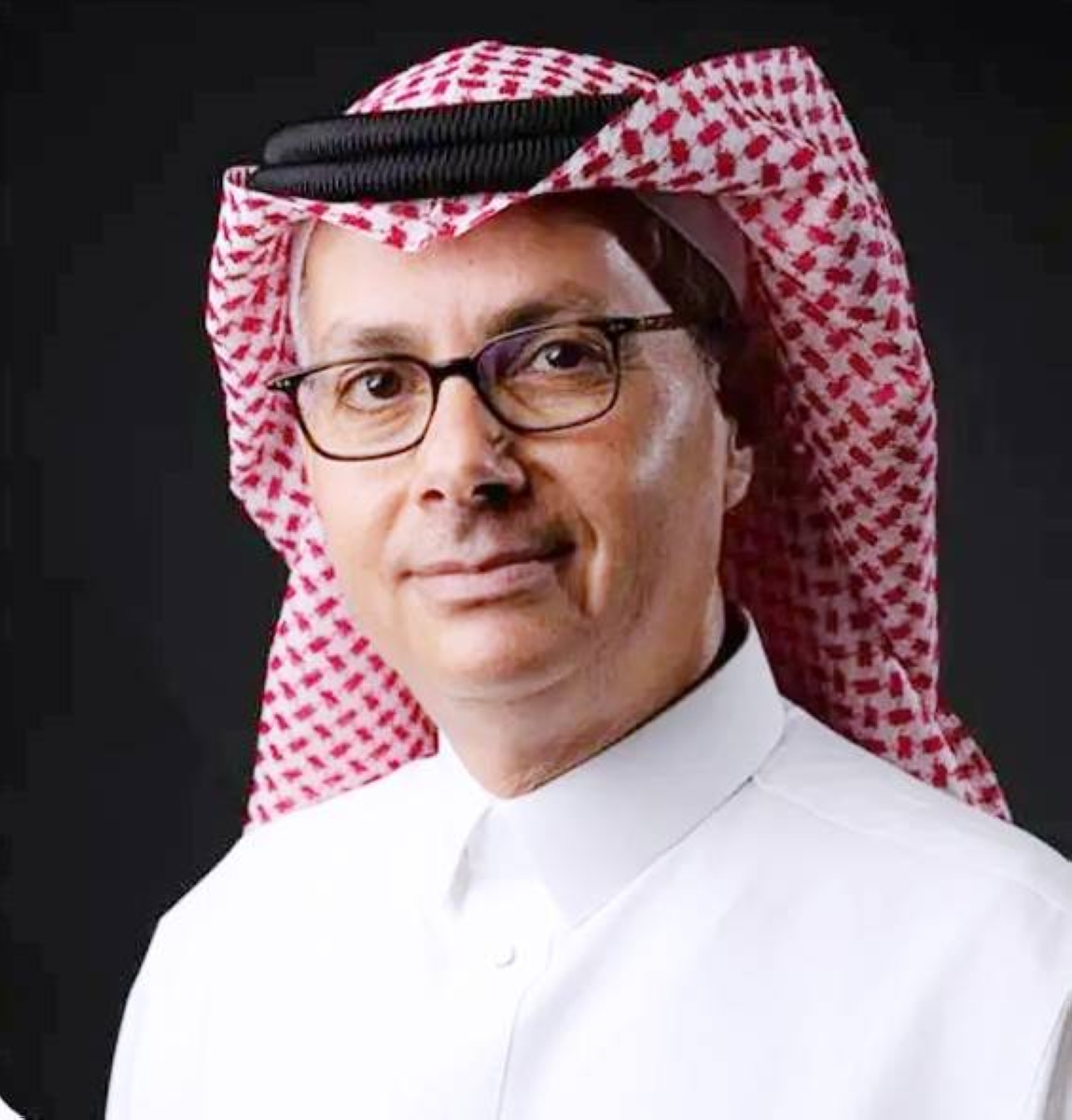
عمر ياغي


تابع قناة عكاظ على الواتساب
«عكاظ» (الرياض) okaz_online@
The Saudi scientist Professor Omar Mounes Yaghi has won the Nobel Prize in Chemistry for 2025, becoming the first Saudi scientist to receive the award presented by the Royal Swedish Academy of Sciences, in recognition of his pioneering contributions to the establishment of the field of reticular chemistry, and the development of metal-organic frameworks and covalent organic frameworks, which have revolutionized materials science and opened new horizons for applications in clean energy, water, and the environment.
Professor Yaghi is considered one of the brightest scientists in the field of reticular chemistry, having contributed throughout his scientific career to the publication of over 300 scientific papers, and his work has received more than 250,000 scientific citations. He has also contributed to the establishment of many global companies and launched several scientific initiatives in the field of clean energy and materials science.
His remarkable achievements have led him to receive several international awards, including: the King Faisal International Prize in Science, the Albert Einstein World Award of Science, the Wolf Prize in Chemistry, the Eni Award for Excellence in Energy, the Gregory Aminoff Prize from the Royal Swedish Academy of Sciences, the "Finn Future" Award for Emerging Sciences and Technologies, the Ernest Solvay Prize, and the Arab Innovators Award, as well as numerous prestigious medals and global rankings.
On this occasion, Dr. Munir Mahmoud Al-Dosouqi, President of King Abdulaziz City for Science and Technology, expressed his gratitude and appreciation to the Custodian of the Two Holy Mosques King Salman bin Abdulaziz and the Crown Prince, Prime Minister Prince Mohammed bin Salman, for their continuous support of the research, development, and innovation system, enabling national competencies and attracting creative minds from around the world for the benefit of the nation in all fields, in line with Vision 2030.
He stated: "Dr. Yaghi's Nobel Prize win embodies the leadership's vision of making the Kingdom a global center for science, knowledge, and innovation, and confirms that investing in creative minds is our path to building a sustainable future for humanity, as his innovations in designing and producing nanomaterials and using them to extract water from the air serve as an inspiring example of what science can achieve when passion meets determination."
It is noteworthy that Professor Yaghi has been granted Saudi citizenship in recognition of his outstanding scientific contributions and efforts in the field of reticular chemistry and nanomaterials, in line with the objectives of Vision 2030 aimed at enhancing the attractive environment for attracting distinguished human talents with expertise and specialties that contribute to achieving economic, technological, and scientific development; and promoting innovation in the Kingdom. He is the Director of the Center of Excellence for Nanomaterials for Clean Energy Applications, which was established by King Abdulaziz City for Science and Technology (KACST) in collaboration with the University of California, Berkeley, and serves as an advisor to the President of King Abdulaziz City for Science and Technology, as well as a member of the Board of Directors of the Research, Development, and Innovation Authority.
Professor Yaghi is considered one of the brightest scientists in the field of reticular chemistry, having contributed throughout his scientific career to the publication of over 300 scientific papers, and his work has received more than 250,000 scientific citations. He has also contributed to the establishment of many global companies and launched several scientific initiatives in the field of clean energy and materials science.
His remarkable achievements have led him to receive several international awards, including: the King Faisal International Prize in Science, the Albert Einstein World Award of Science, the Wolf Prize in Chemistry, the Eni Award for Excellence in Energy, the Gregory Aminoff Prize from the Royal Swedish Academy of Sciences, the "Finn Future" Award for Emerging Sciences and Technologies, the Ernest Solvay Prize, and the Arab Innovators Award, as well as numerous prestigious medals and global rankings.
On this occasion, Dr. Munir Mahmoud Al-Dosouqi, President of King Abdulaziz City for Science and Technology, expressed his gratitude and appreciation to the Custodian of the Two Holy Mosques King Salman bin Abdulaziz and the Crown Prince, Prime Minister Prince Mohammed bin Salman, for their continuous support of the research, development, and innovation system, enabling national competencies and attracting creative minds from around the world for the benefit of the nation in all fields, in line with Vision 2030.
He stated: "Dr. Yaghi's Nobel Prize win embodies the leadership's vision of making the Kingdom a global center for science, knowledge, and innovation, and confirms that investing in creative minds is our path to building a sustainable future for humanity, as his innovations in designing and producing nanomaterials and using them to extract water from the air serve as an inspiring example of what science can achieve when passion meets determination."
It is noteworthy that Professor Yaghi has been granted Saudi citizenship in recognition of his outstanding scientific contributions and efforts in the field of reticular chemistry and nanomaterials, in line with the objectives of Vision 2030 aimed at enhancing the attractive environment for attracting distinguished human talents with expertise and specialties that contribute to achieving economic, technological, and scientific development; and promoting innovation in the Kingdom. He is the Director of the Center of Excellence for Nanomaterials for Clean Energy Applications, which was established by King Abdulaziz City for Science and Technology (KACST) in collaboration with the University of California, Berkeley, and serves as an advisor to the President of King Abdulaziz City for Science and Technology, as well as a member of the Board of Directors of the Research, Development, and Innovation Authority.