


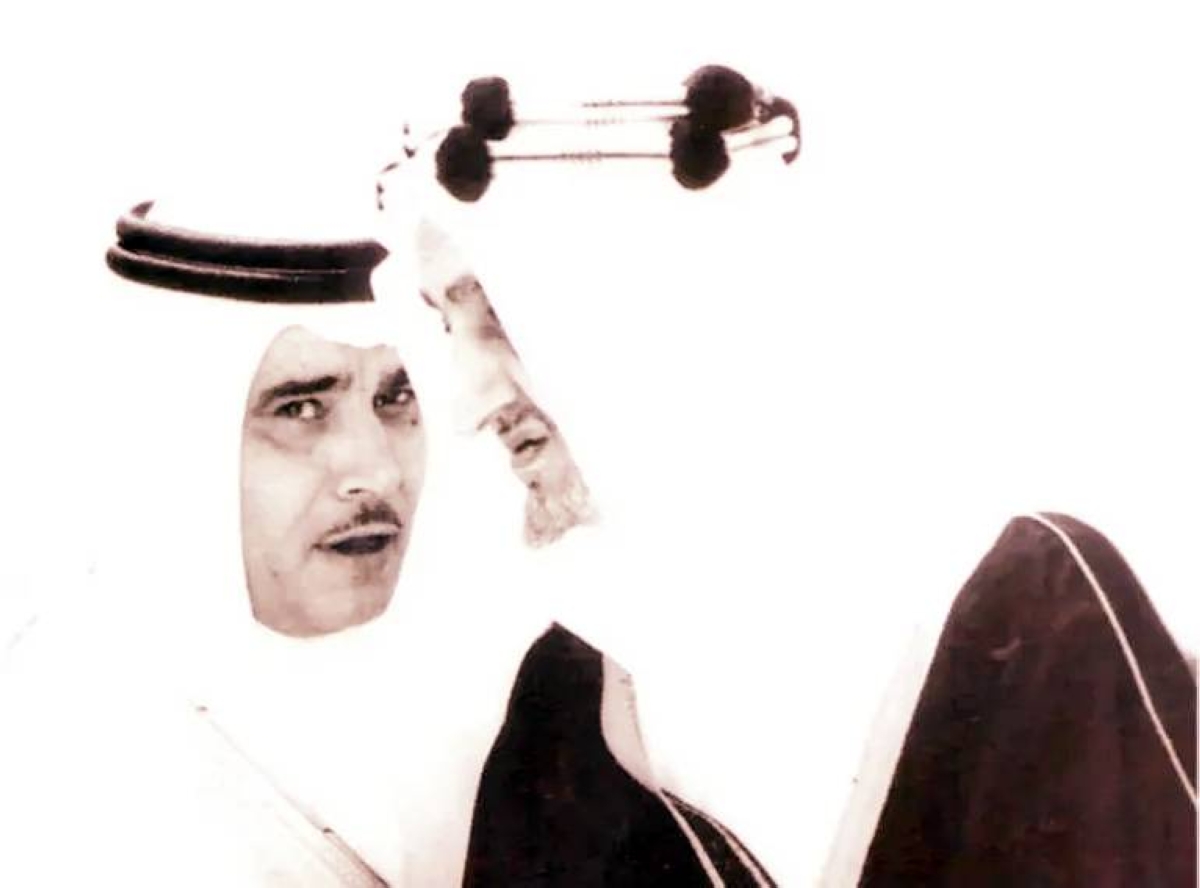
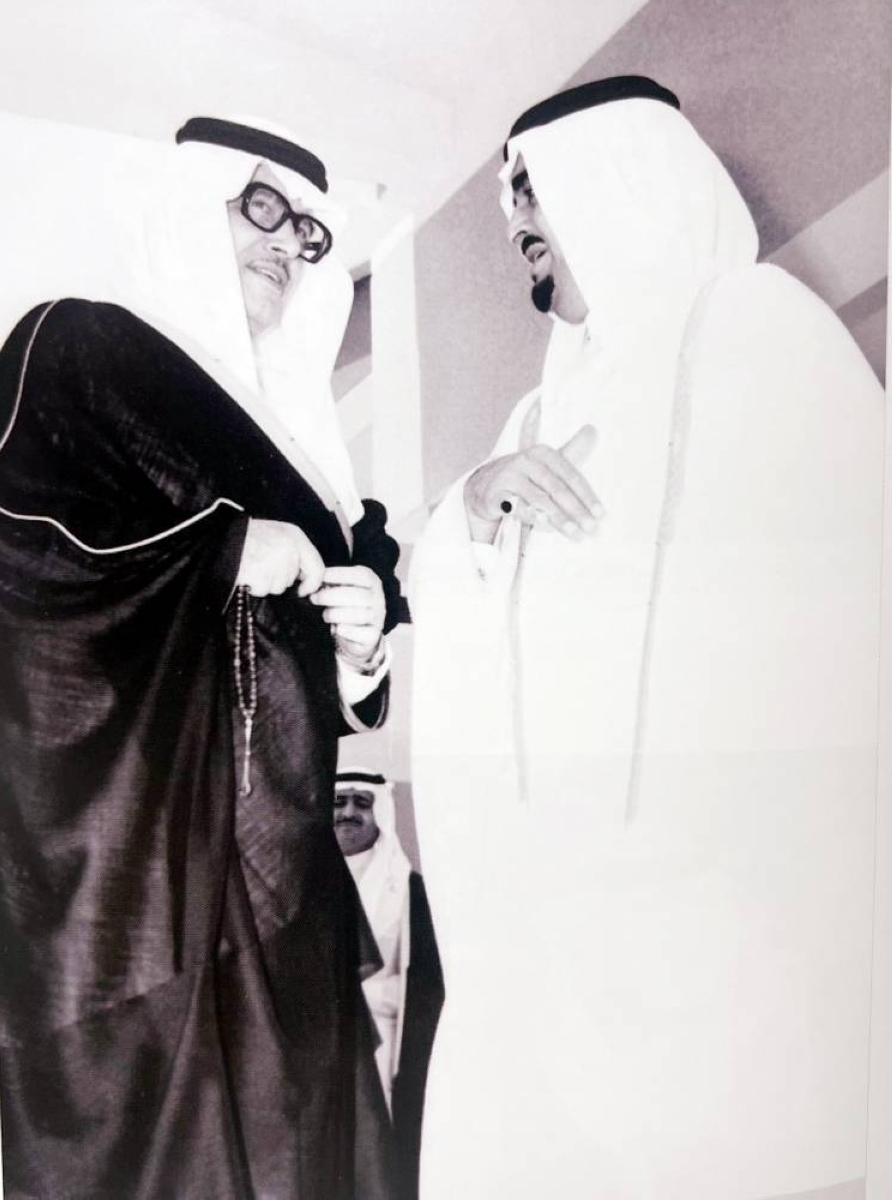
كان الفجرُ لا يزال يختبر صبرَ الضوء، حين خرج فتى نحيلُ القامة، واسعُ الطموح، إلى ساحةٍ اسمُها الوطن. في بيئةٍ تُعلِّم أبناءها أن أكبر المناصب خدمةُ الناس، تشكّلت ملامحُ إبراهيم العنقري؛ انحيازٌ للواجب، وطباعُ إداريٍّ لا يهوى الضجيج بقدر ما يحبُّ سماع وقع التنفيذ.
ذلك الفتى الذي تربّى على يدِ دولةٍ فتية، فهم باكراً «مفتاح شخصيته»: أن الإدارة ليست توقيعاً على ورق، بل توقيعٌ على حياةِ الناس اليومية: طريقٌ يُشق، وخدمةٌ تُتاح، ومرفقٌ يُدار كأنه بيتُك.
كبرَ إبراهيم، وكبرت معه الملفات. من مقعدٍ إلى آخر، كان يمشي «بهدوءٍ صاخب»: قليلُ الكلام، كثيرُ الأثر. يفتح نافذة على الواقع، ثم يُغلق باباً على التراخي. وحين تُسائلُه الأرقامُ عن الجدوى، يُجيبها بلسان الشواهد لا العبارات.
وُلد إبراهيم بن عبدالله العنقري في شقراء سنة 1347هـ/1929، ونشأ على قساوة البدايات ويُتمٍ مبكّر صَقَل طبعه: قليلُ الكلام، دقيقُ المواعيد، شديدُ الحسِّ بما يتعلّق بحقوق الناس. وحين حمل حقائبه إلى مكة ثم القاهرة، كان الأدبُ بوّابته الأولى إلى الفهم والتنظيم: «المسامرات الأدبية» في مكة صاغت لسانه، والجامعة المصرية صقلت فكره؛ هناك تعرّف إلى طه حسين وأحمد أمين وأمين الخولي وزكي نجيب محمود وإبراهيم أنيس، فخرج بخليطٍ نادر: إدارةٌ بعقلٍ نظامي ولسانٍ عربيٍّ مبين.
من مكتب المعارف.. تأسيس طريقة العمل
عاد الشابُّ من القاهرة يحمل شهادته وحُلم الخدمة، فوجد نفسه في قلب القرار التعليمي مساعداً ثم مديراً لمكتب وزير المعارف الأمير فهد بن عبدالعزيز (الملك لاحقاً). كانت الوزارة يومها تُبنى وهي تمشي: مدارس تنبت، ومناهج تُراجع، ومعلمون يُستقدمون من أصقاعٍ شتّى. هنا ظهرت «الطريقة العنقرية»: لا قرار بلا ميزانية، ولا برنامج بلا جدول زمني، ولا خطاب بلا لغة واضحة. أعاد تنظيم مجاري العمل بين القطاعات، وتابع المباني والمناهج والميزانيات، وحوّل الجهد من محاولات فردية إلى سيرٍ مؤسسي يعرف التخطيط والمتابعة والمحاسبة. تلك المدرسة الإدارية سيحملها معه أينما ذهب.
إلى الخارجية.. صناعةُ البروتوكول على سجادة المراسم
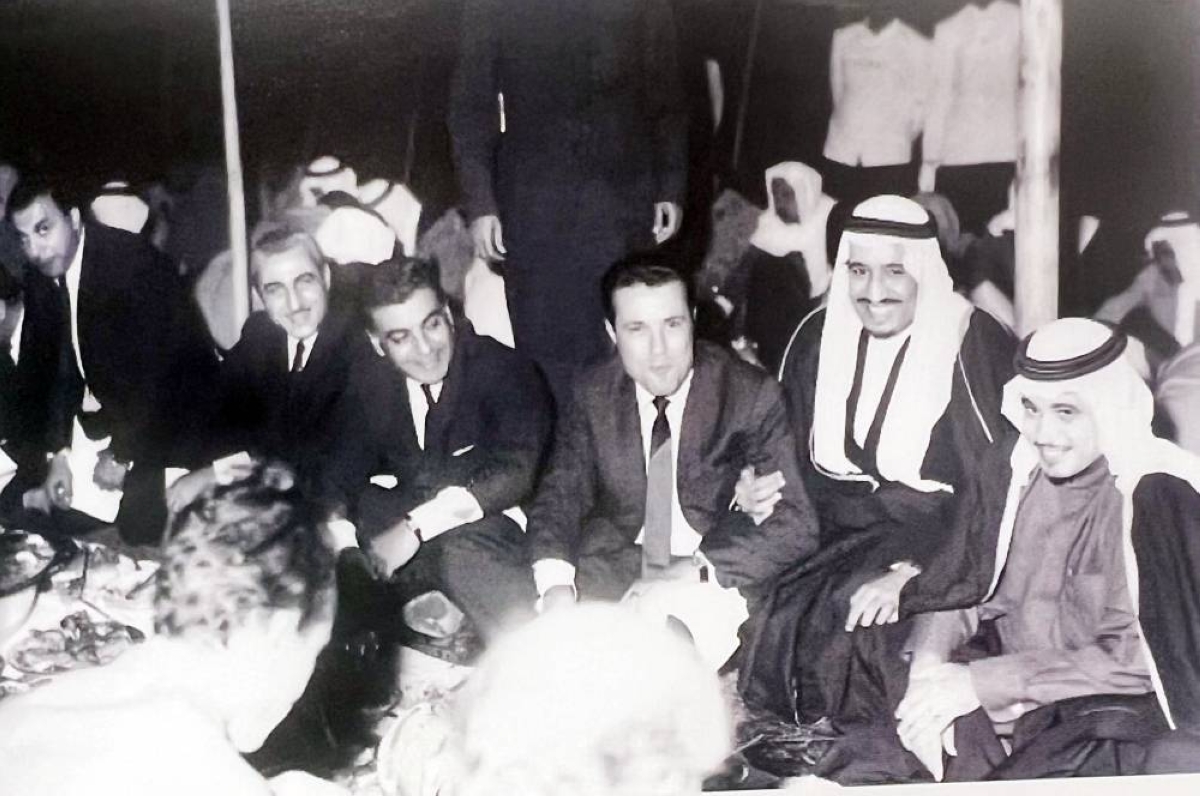
بعد أن اشتدّ عودُه الإداري، انتقل إلى وزارة الخارجية مديراً للمراسم. لم يكن البروتوكول عنده زينة احتفالات، بل لغةَ دولةٍ تسافر قبل وفودها. رتّب استقبال الزيارات ومساراتها ومخاطباتها، ووضع نسقاً يضمن الهيبة والإنجاز معاً. ومن وراء الممرات المفروشة كان يتعلم الإيقاع الدولي الذي سيحتاجه لاحقاً في الإعلام والداخلية والحدود. وشارك في وفود دولية ممثلاً للمملكة مثل اجتماعات هيئة الأمم المتحدة في نيويورك، ثم عمل مستشاراً في السفارة السعودية بواشنطن، وأكمل دراسته في اللغة الإنجليزية في جامعة كولومبيا في نيويورك ودرس العلاقات الإنسانية في جامعة فلوريدا.
قلْب الحكومة.. وكالةُ وزارة الداخلية
حين تولّى وكالة وزارة الداخلية في أوائل الثمانينيات الهجرية، كان الجهاز يضمُّ شؤون المناطق والحقوق والبلديات، وتمرّ البلاد بمرحلةٍ حسّاسة أمناً وفكراً. اشتغل وكأن الليل لا وجود له: اجتماعات صباحاً ومسحٌ ميدانيٌّ مساءً، و«بابٌ مفتوح» يبدأ قبل الفجر ولا يُغلق حتى يعبر آخر صاحب معاملة. واجه التنظيمات المتطرّفة بالدراسة والحزم؛ يطلب المعلومة أولاً ثم يختار الإجراء الذي يجمع صرامة القانون وإنسانية التطبيق. لم يكن يعجبه الضجيج، لكنه كان يوقن أن الأمنَ خدمةٌ عامّة مثلها مثل المياه والإنارة: تُقاد بالأرقام والأنظمة لا بالانفعال. وكان ذا رؤية في مواجهة التيارات الفكرية وما يتبعها من تشكُّل التنظيمات السرية المعادية وهي تقوم على أن المعالجة الأمنية مهمة وضرورة إلا أنه كان يرى ضرورة البحث في الأسباب الفكرية خلف انتشار هذه الأفكار.
وزيراً للإعلام.. من «أداة» إلى «مؤسَّسة»
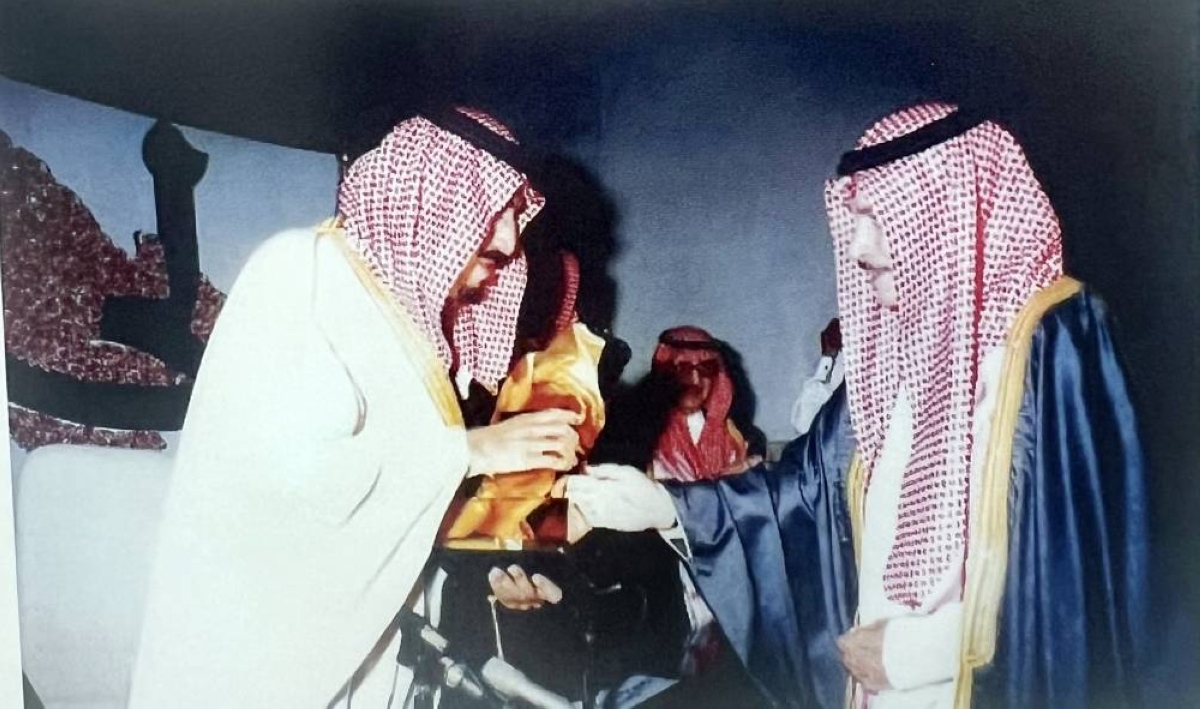
في أوائل رمضان 1390هـ، صدر الأمر الملكي بتعيين العنقري وزيراً للإعلام. دخل الوزارة وفي ذهنه مبدأٌ بسيطٌ عميق: «الدولة تُخاطب مواطنيها والعالم بسياسةٍ لا بردّ فعل». أسّس وكالة الأنباء السعودية (واس) كجهازٍ مستقلٍّ محترف يروي قصة بلاده بلسانها، وأطلق إذاعة القرآن الكريم بثّاً دائماً يرفع المصحف إلى صدارة الأثير، وقاد قيام «منظمة إذاعات الدول الإسلامية» ورأس اجتماعها الأول في جدة؛ ربط الأثير الإسلامي بمشاريع تدريبٍ وإنتاجٍ وتشبيكٍ مهني. وفي التلفزيون مضى بخطة تطويرٍ تقنية وبرامجية، أبرم اتفاقات تدريب، ووسّع البث، وجعل مواسمَ كالحج نافذة للعالم تُنقل بمهارة وتوثيق. ومع وفود العالم كان يقدّم «خطاباً سعودياً» مهنياً لا اعتذارياً: شروحٌ للسياسة النفطية، ومرافقةٌ إعلامية لزيارات القيادة، ورسائل لا تُكابر ولا تُساوم.
العمل والشؤون الاجتماعية.. حمايةٌ بالتمكين لا بالإعانة
عند انتقاله إلى وزارة العمل والشؤون الاجتماعية (1395هـ) صاغ سياسة وطنية بثلاثة أعمدة: رؤيةٌ ومبادئٌ وتنظيم، ثم تخطيطٌ وتنفيذ، فتنميةٌ مجتمعية تشرك الناس لا تتصدّق عليهم. توسّع «الضمان الاجتماعي» وأعيدت هيكلته ورفعت معاشاته، وكثّفت مكاتبه ولجانه، واستُحدثت برامج للرعاية والطفولة والأمومة وكفالة أسر السجناء. وفي «التأمينات الاجتماعية» اتخذ القرار الحاسم بتطبيق النظام على العاملين السعوديين في القطاع الأهلي؛ وُلدت بذلك مؤسسةٌ حديثةٌ تحسب المستقبل وتدير المخاطر. وفي الموازاة أسّس مع زملائه «المؤسسة العامة للتعليم الفني والتدريب المهني» لتصبح الذراع التي ترفد سوق العمل بمهاراتٍ وطنية. لم يعد «الأمن الاجتماعي» مجرّد تحويلاتٍ شهرية؛ أصبح نتيجة للتدريب والإدماج وفرص العمل.
الوزير البلدي.. مدينةٌ بنظام وحقٍّ للإنسان
وحين تولّى وزارة الشؤون البلدية والقروية في مطلع عهد الملك فهد، كانت المملكة تعبر إلى عصر المدن الكبرى. أعطى للتنمية الحضرية عقلاً: «نظام النطاق العمراني» الذي أوقف التمدّد العشوائي، وحدّد اتجاهات التوسّع على أساس احتياجات السكان وخدماتهم. شدّد على النظافة والبيئة والتخطيط والطرق والجسور وشبكات المياه والكهرباء، وربط الريف بالمدينة في منظومةٍ واحدة. كان موعده موعداً لا يُخلف: من لا يحضر الاجتماع في وقته لا مكان له على الطاولة. ولأنه يعتقد أن النزاهة سياسةٌ عامة، فقد كافأ مهندساً بلغ عن محاولة رشوة بمكافأةٍ كبيرة؛ رسالةٌ علنية بأن «الاستقامة» منهجَ وزارة.
بابه ظلّ مفتوحاً للمواطن قبل الموظف، يدخل صاحب المعاملة فيشرح قضيته أمامه، فيتّخذ القرار في مجلسه بعد مقارنة الأوراق والأنظمة، لا بعد جولاتٍ مُنهِكة بين الممرات. يخرج الناس بشعورٍ بأن الدولة تراهم وتسمعهم.
مستشار الملك.. خرائط الحدود ولُغة الأنظمة
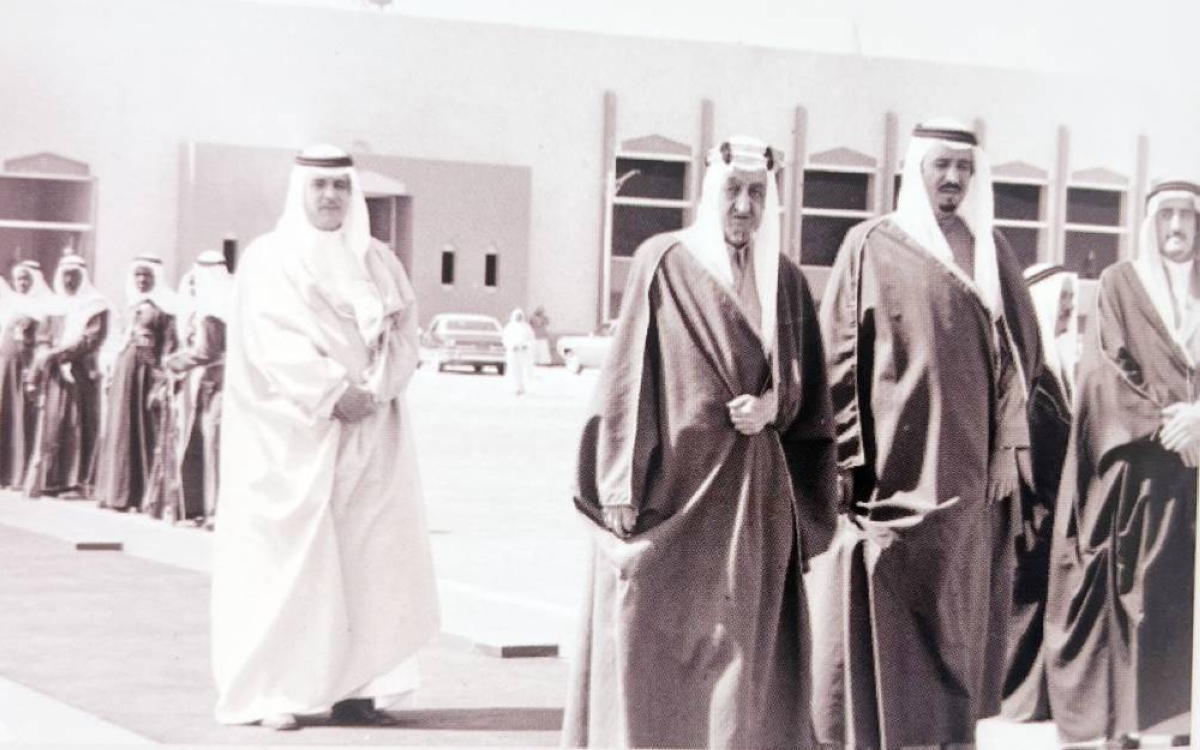
أغلق العنقري ملف الوزارات ليفتح ملفّاً أدقّ؛ مستشار خاص للملك فهد. هنا اشتغل بميزانٍ حساس: حدودٌ مشتركةٌ وتاريخٌ طويل ومصالح متشابكة. فاوض لسنواتٍ في ملفات اليمن وقطر وعُمان والإمارات؛ يقرأ التاريخ والخرائط، ويزن الكلمات بواقعيةٍ تحفظ السيادة وتؤمّن حسن الجوار. مذكّرات تفاهم، لجان مشتركة، ومعاهدات نهائية ستُقفل لاحقاً خطوطاً شائكة عمرها عقود، وتفتح أخرى للتعاون.
وفي الداخل، كان واحداً من اللجنة العليا التي صاغت ثلاثة أنظمة مفصلية في عهد الملك فهد: «النظام الأساسي للحكم»، و«نظام مجلس الشورى»، و«نظام المناطق». لم يكن فقيهاً دستورياً ولا قاضياً؛ لكنه كان رجلَ إدارةٍ يعرف كيف تتحول المبادئ إلى لوائحَ قابلة للتطبيق، وكيف تُكتب النصوص بلغةٍ عربية أنيقة مختصرة، بعيدةٍ عن الحشو وثرثرة التعاميم.
ملامحُ رجل الدولة
هذا رجلٌ لا يحتمل الفوضى ولا يحبُّ الاستعراض. يقدّر الوقت ويحتكم إلى الوثيقة، القرار عنده لا يولد من مزاج، بل من ورقةِ ميزانيةٍ وخطةٍ ومسؤولية. يدرّب ويفوّض ويحاسب، ويؤمن أن الكفاءة تُصنع بالتعليم المستمرّ؛ لذلك دفع بإنشاء المعاهد، وشجّع الابتعاث القصير للموظفين، وأمر بعقد ورشٍ دائمة، وكتب ملاحظاته بيده على مشاريع اللوائح، يصحّح اللغة قبل المضمون؛ لأن اللسان عنده مرآةُ العقل.
كان شديد الرحمة في التنفيذ الصارم، لا يتراخى في حقّ الدولة، لكنه يفتح نافذة للضعيف ليشرح. وإذا استبانت له الحقيقة، حكم؛ وإن التبس الأمر، أعاده إلى لجنةٍ أو خبير. وحين كان يزور مشروعاً أو بلدية أو إدارة، لا يخرج منها بالتقاط الصور، بل بإقرارٍ تنفيذيٍّ يوقّعه في المكان ذاته.
وداع المعالي
في يناير 2008، أطبق الشيخ إبراهيم العنقري دفتر أيامه في جنيف. رحل كما عاش، بهدوءٍ لا ضجيج فيه. غير أن بصمته بقيت في كل مكان مرّ عليه، في مدرسةٍ تأسّست وفق خطةٍ لا هوى، وفي نشرةٍ رسميةٍ كُتبت بلغةٍ وازنة، وفي نظامٍ للدولة سطّر روحه المؤسسية، وفي مدينةٍ كبحت فوضى تمدّدها، وفي حدودٍ استقرت بعد طول قلق.
ليست سيرته حشدَ مناصب؛ إنها طريقة. طريقةُ رجلٍ يعمل بضمير، يؤمن أن الخدمة العامة مِهنةٌ لها أدبُها، وأن أجمل ما يتركه المسؤول بعد رحيله، مؤسّسةٌ تعملُ وحدَها.
من «مكتب المعارف» إلى 3 حقائب وزارية.. سيرة مسؤول أنجز بصمتٍ وترك أثراً
إبراهيم العنقري.. مستشار الفهد ورجل الملفات الثقيلة
9 أكتوبر 2025 - 00:57
|
آخر تحديث 9 أكتوبر 2025 - 00:57


تابع قناة عكاظ على الواتساب
أنس اليوسف (جدة) AnasAlyusuf@
The dawn was still testing the patience of light when a slender, ambitious young man stepped into a square called homeland. In an environment that teaches its children that the greatest positions are those that serve the people, the features of Ibrahim Al-Anqari took shape; a commitment to duty, and the temperament of an administrator who prefers the sound of execution over noise.
This young man, raised by a young state, understood early on the "key to his character": that management is not merely a signature on paper, but a signature on the daily lives of people: a road to be paved, a service to be provided, and a facility to be managed as if it were your own home.
Ibrahim grew up, and with him, the files grew. From one seat to another, he walked with a "noisy calm": few words, but a significant impact. He opened a window to reality and closed a door on laxity. When numbers questioned him about feasibility, he answered them with the language of evidence, not phrases.
Ibrahim bin Abdullah Al-Anqari was born in Shuqra in 1347 AH/1929, and he grew up amidst the harshness of beginnings and early orphanhood that shaped his character: few words, punctual, and highly sensitive to people's rights. When he carried his bags to Mecca and then Cairo, literature was his first gateway to understanding and organization: "literary gatherings" in Mecca shaped his tongue, and the Egyptian University refined his mind; there he met Taha Hussein, Ahmed Amin, Amin Al-Khuli, Zaki Naguib Mahfouz, and Ibrahim Anis, emerging with a rare blend: management with a systematic mind and a clear Arabic tongue.
From the Ministry of Education... Establishing a Work Method
The young man returned from Cairo carrying his diploma and a dream of service, finding himself at the heart of educational decision-making as an assistant and then director of the office of the Minister of Education, Prince Fahd bin Abdulaziz (later king). The ministry was being built as it walked: schools sprouting, curricula being reviewed, and teachers being recruited from various regions. Here emerged the "Anqari method": no decision without a budget, no program without a timeline, and no speech without clear language. He reorganized the workflows between sectors, monitored buildings, curricula, and budgets, and transformed efforts from individual attempts into institutional processes that understood planning, follow-up, and accountability. This administrative school would accompany him wherever he went.
To the Foreign Ministry... Crafting Protocol on the Carpet of Ceremonies
After his administrative stature strengthened, he moved to the Ministry of Foreign Affairs as the Director of Ceremonies. For him, protocol was not merely a decoration for celebrations, but the language of a state that travels before its delegations. He arranged the reception of visits, their pathways, and correspondences, establishing a system that ensured both dignity and achievement. Behind the carpeted corridors, he learned the international rhythm that he would later need in media, interior affairs, and borders. He participated in international delegations representing the Kingdom, such as the United Nations meetings in New York, then worked as an advisor at the Saudi embassy in Washington, completing his English studies at Columbia University in New York and studying human relations at the University of Florida.
The Heart of Government... The Ministry of Interior Agency
When he took over the Ministry of Interior Agency in the early 1980s AH, the agency encompassed regional affairs, rights, and municipalities, while the country was going through a sensitive phase in terms of security and thought. He worked as if night did not exist: morning meetings and evening field surveys, with an "open door" that began before dawn and did not close until the last person with a transaction passed through. He faced extremist organizations with study and firmness; he sought information first and then chose the action that combined the strictness of the law with the humanity of application. He did not like noise, but he was convinced that security is a public service just like water and lighting: it is led by numbers and systems, not by emotion. He had a vision in confronting intellectual currents and the subsequent formation of hostile secret organizations, believing that while security measures are necessary, it is essential to explore the intellectual causes behind the spread of these ideas.
Minister of Information... From "Tool" to "Institution"
In early Ramadan 1390 AH, the royal decree was issued appointing Al-Anqari as Minister of Information. He entered the ministry with a simple yet profound principle in mind: "The state addresses its citizens and the world with a policy, not a reaction." He established the Saudi Press Agency (SPA) as an independent professional body that tells the story of its country in its own voice, launched a permanent broadcast of the Holy Quran radio that elevated the Quran to the forefront of the airwaves, led the establishment of the "Organization of Islamic Broadcasting" and chaired its first meeting in Jeddah; linking the Islamic airwaves with training, production, and professional networking projects. In television, he pursued a plan for technical and programming development, signed training agreements, expanded broadcasting, and made seasons like Hajj a window to the world, skillfully and accurately transmitted. With the world's delegations, he presented a "Saudi discourse" that was professional, not apologetic: explanations of oil policy, media accompaniment for leadership visits, and messages that neither boast nor compromise.
Labor and Social Affairs... Empowerment through Enablement, Not Assistance
Upon his transfer to the Ministry of Labor and Social Affairs (1395 AH), he formulated a national policy based on three pillars: vision, principles, and organization, followed by planning and implementation, leading to community development that involves people rather than merely providing charity. "Social security" expanded, was restructured, and its pensions were raised, with offices and committees intensified, and programs for care, childhood, motherhood, and the sponsorship of prisoners' families were introduced. In "Social Insurance," he made the decisive decision to apply the system to Saudi workers in the private sector; thus, a modern institution was born that anticipates the future and manages risks. Simultaneously, he and his colleagues established the "Public Authority for Technical Education and Vocational Training" to become the arm that supplies the labor market with national skills. "Social security" was no longer just monthly transfers; it became a result of training, integration, and job opportunities.
The Municipal Minister... A City with System and Human Rights
When he took over the Ministry of Municipal and Rural Affairs at the beginning of King Fahd's reign, the Kingdom was transitioning to the era of major cities. He gave urban development a mind: the "Urban Boundary System" which halted random expansion and defined directions for growth based on the needs and services of the population. He emphasized cleanliness, the environment, planning, roads, bridges, and water and electricity networks, linking the countryside with the city in a single system. His meetings were appointments that could not be missed: those who did not attend the meeting on time had no place at the table. Because he believed that integrity is a public policy, he rewarded an engineer who reported an attempted bribe with a significant reward; a public message that "integrity" is the ministry's approach.
His door remained open to citizens before employees; a person with a transaction would enter and explain their case before him, and he would make a decision in his council after comparing documents and regulations, not after exhausting rounds through corridors. People left feeling that the state sees and hears them.
The King's Advisor... Border Maps and the Language of Regulations
Al-Anqari closed the ministry files to open a more delicate one; a special advisor to King Fahd. Here he worked with a sensitive balance: shared borders, a long history, and intertwined interests. He negotiated for years on files concerning Yemen, Qatar, Oman, and the UAE; reading history and maps, weighing words with a realism that preserves sovereignty and ensures good neighborliness. Memoranda of understanding, joint committees, and final treaties would later close thorny lines that had lasted for decades and open others for cooperation.
Domestically, he was one of the high committee members who drafted three pivotal regulations during King Fahd's reign: the "Basic Law of Governance," the "Shura Council Law," and the "Regions Law." He was not a constitutional scholar nor a judge; he was a man of administration who knew how to transform principles into applicable regulations and how to write texts in elegant, concise Arabic, free from fluff and the chatter of circulars.
Features of a Statesman
This is a man who cannot tolerate chaos and does not like showmanship. He values time and adheres to documents; for him, a decision does not arise from mood, but from a budget paper, a plan, and responsibility. He trains, delegates, and holds accountable, believing that efficiency is created through continuous education; thus, he pushed for the establishment of institutes, encouraged short-term scholarships for employees, ordered the holding of permanent workshops, and wrote his notes by hand on draft regulations, correcting the language before the content; because for him, language is a mirror of the mind.
He was deeply compassionate in strict execution, never wavering in the rights of the state, yet he opened a window for the weak to explain. If the truth became clear to him, he ruled; and if the matter was ambiguous, he referred it back to a committee or an expert. When he visited a project, municipality, or administration, he did not leave by taking pictures, but with an executive resolution that he signed in the same place.
Farewell to the Eminent
In January 2008, Sheikh Ibrahim Al-Anqari closed the book of his days in Geneva. He departed as he lived, quietly without noise. However, his imprint remained everywhere he passed, in a school established according to a plan without whims, in an official bulletin written in a weighty language, in a system of the state that inscribed his institutional spirit, in a city that curbed the chaos of its expansion, and in borders that stabilized after long anxiety.
His biography is not a collection of positions; it is a method. The method of a man who works with conscience, believing that public service is a profession with its own etiquette, and that the most beautiful legacy a responsible person leaves after their departure is an institution that operates independently.
This young man, raised by a young state, understood early on the "key to his character": that management is not merely a signature on paper, but a signature on the daily lives of people: a road to be paved, a service to be provided, and a facility to be managed as if it were your own home.
Ibrahim grew up, and with him, the files grew. From one seat to another, he walked with a "noisy calm": few words, but a significant impact. He opened a window to reality and closed a door on laxity. When numbers questioned him about feasibility, he answered them with the language of evidence, not phrases.
Ibrahim bin Abdullah Al-Anqari was born in Shuqra in 1347 AH/1929, and he grew up amidst the harshness of beginnings and early orphanhood that shaped his character: few words, punctual, and highly sensitive to people's rights. When he carried his bags to Mecca and then Cairo, literature was his first gateway to understanding and organization: "literary gatherings" in Mecca shaped his tongue, and the Egyptian University refined his mind; there he met Taha Hussein, Ahmed Amin, Amin Al-Khuli, Zaki Naguib Mahfouz, and Ibrahim Anis, emerging with a rare blend: management with a systematic mind and a clear Arabic tongue.
From the Ministry of Education... Establishing a Work Method
The young man returned from Cairo carrying his diploma and a dream of service, finding himself at the heart of educational decision-making as an assistant and then director of the office of the Minister of Education, Prince Fahd bin Abdulaziz (later king). The ministry was being built as it walked: schools sprouting, curricula being reviewed, and teachers being recruited from various regions. Here emerged the "Anqari method": no decision without a budget, no program without a timeline, and no speech without clear language. He reorganized the workflows between sectors, monitored buildings, curricula, and budgets, and transformed efforts from individual attempts into institutional processes that understood planning, follow-up, and accountability. This administrative school would accompany him wherever he went.
To the Foreign Ministry... Crafting Protocol on the Carpet of Ceremonies
After his administrative stature strengthened, he moved to the Ministry of Foreign Affairs as the Director of Ceremonies. For him, protocol was not merely a decoration for celebrations, but the language of a state that travels before its delegations. He arranged the reception of visits, their pathways, and correspondences, establishing a system that ensured both dignity and achievement. Behind the carpeted corridors, he learned the international rhythm that he would later need in media, interior affairs, and borders. He participated in international delegations representing the Kingdom, such as the United Nations meetings in New York, then worked as an advisor at the Saudi embassy in Washington, completing his English studies at Columbia University in New York and studying human relations at the University of Florida.
The Heart of Government... The Ministry of Interior Agency
When he took over the Ministry of Interior Agency in the early 1980s AH, the agency encompassed regional affairs, rights, and municipalities, while the country was going through a sensitive phase in terms of security and thought. He worked as if night did not exist: morning meetings and evening field surveys, with an "open door" that began before dawn and did not close until the last person with a transaction passed through. He faced extremist organizations with study and firmness; he sought information first and then chose the action that combined the strictness of the law with the humanity of application. He did not like noise, but he was convinced that security is a public service just like water and lighting: it is led by numbers and systems, not by emotion. He had a vision in confronting intellectual currents and the subsequent formation of hostile secret organizations, believing that while security measures are necessary, it is essential to explore the intellectual causes behind the spread of these ideas.
Minister of Information... From "Tool" to "Institution"
In early Ramadan 1390 AH, the royal decree was issued appointing Al-Anqari as Minister of Information. He entered the ministry with a simple yet profound principle in mind: "The state addresses its citizens and the world with a policy, not a reaction." He established the Saudi Press Agency (SPA) as an independent professional body that tells the story of its country in its own voice, launched a permanent broadcast of the Holy Quran radio that elevated the Quran to the forefront of the airwaves, led the establishment of the "Organization of Islamic Broadcasting" and chaired its first meeting in Jeddah; linking the Islamic airwaves with training, production, and professional networking projects. In television, he pursued a plan for technical and programming development, signed training agreements, expanded broadcasting, and made seasons like Hajj a window to the world, skillfully and accurately transmitted. With the world's delegations, he presented a "Saudi discourse" that was professional, not apologetic: explanations of oil policy, media accompaniment for leadership visits, and messages that neither boast nor compromise.
Labor and Social Affairs... Empowerment through Enablement, Not Assistance
Upon his transfer to the Ministry of Labor and Social Affairs (1395 AH), he formulated a national policy based on three pillars: vision, principles, and organization, followed by planning and implementation, leading to community development that involves people rather than merely providing charity. "Social security" expanded, was restructured, and its pensions were raised, with offices and committees intensified, and programs for care, childhood, motherhood, and the sponsorship of prisoners' families were introduced. In "Social Insurance," he made the decisive decision to apply the system to Saudi workers in the private sector; thus, a modern institution was born that anticipates the future and manages risks. Simultaneously, he and his colleagues established the "Public Authority for Technical Education and Vocational Training" to become the arm that supplies the labor market with national skills. "Social security" was no longer just monthly transfers; it became a result of training, integration, and job opportunities.
The Municipal Minister... A City with System and Human Rights
When he took over the Ministry of Municipal and Rural Affairs at the beginning of King Fahd's reign, the Kingdom was transitioning to the era of major cities. He gave urban development a mind: the "Urban Boundary System" which halted random expansion and defined directions for growth based on the needs and services of the population. He emphasized cleanliness, the environment, planning, roads, bridges, and water and electricity networks, linking the countryside with the city in a single system. His meetings were appointments that could not be missed: those who did not attend the meeting on time had no place at the table. Because he believed that integrity is a public policy, he rewarded an engineer who reported an attempted bribe with a significant reward; a public message that "integrity" is the ministry's approach.
His door remained open to citizens before employees; a person with a transaction would enter and explain their case before him, and he would make a decision in his council after comparing documents and regulations, not after exhausting rounds through corridors. People left feeling that the state sees and hears them.
The King's Advisor... Border Maps and the Language of Regulations
Al-Anqari closed the ministry files to open a more delicate one; a special advisor to King Fahd. Here he worked with a sensitive balance: shared borders, a long history, and intertwined interests. He negotiated for years on files concerning Yemen, Qatar, Oman, and the UAE; reading history and maps, weighing words with a realism that preserves sovereignty and ensures good neighborliness. Memoranda of understanding, joint committees, and final treaties would later close thorny lines that had lasted for decades and open others for cooperation.
Domestically, he was one of the high committee members who drafted three pivotal regulations during King Fahd's reign: the "Basic Law of Governance," the "Shura Council Law," and the "Regions Law." He was not a constitutional scholar nor a judge; he was a man of administration who knew how to transform principles into applicable regulations and how to write texts in elegant, concise Arabic, free from fluff and the chatter of circulars.
Features of a Statesman
This is a man who cannot tolerate chaos and does not like showmanship. He values time and adheres to documents; for him, a decision does not arise from mood, but from a budget paper, a plan, and responsibility. He trains, delegates, and holds accountable, believing that efficiency is created through continuous education; thus, he pushed for the establishment of institutes, encouraged short-term scholarships for employees, ordered the holding of permanent workshops, and wrote his notes by hand on draft regulations, correcting the language before the content; because for him, language is a mirror of the mind.
He was deeply compassionate in strict execution, never wavering in the rights of the state, yet he opened a window for the weak to explain. If the truth became clear to him, he ruled; and if the matter was ambiguous, he referred it back to a committee or an expert. When he visited a project, municipality, or administration, he did not leave by taking pictures, but with an executive resolution that he signed in the same place.
Farewell to the Eminent
In January 2008, Sheikh Ibrahim Al-Anqari closed the book of his days in Geneva. He departed as he lived, quietly without noise. However, his imprint remained everywhere he passed, in a school established according to a plan without whims, in an official bulletin written in a weighty language, in a system of the state that inscribed his institutional spirit, in a city that curbed the chaos of its expansion, and in borders that stabilized after long anxiety.
His biography is not a collection of positions; it is a method. The method of a man who works with conscience, believing that public service is a profession with its own etiquette, and that the most beautiful legacy a responsible person leaves after their departure is an institution that operates independently.




