

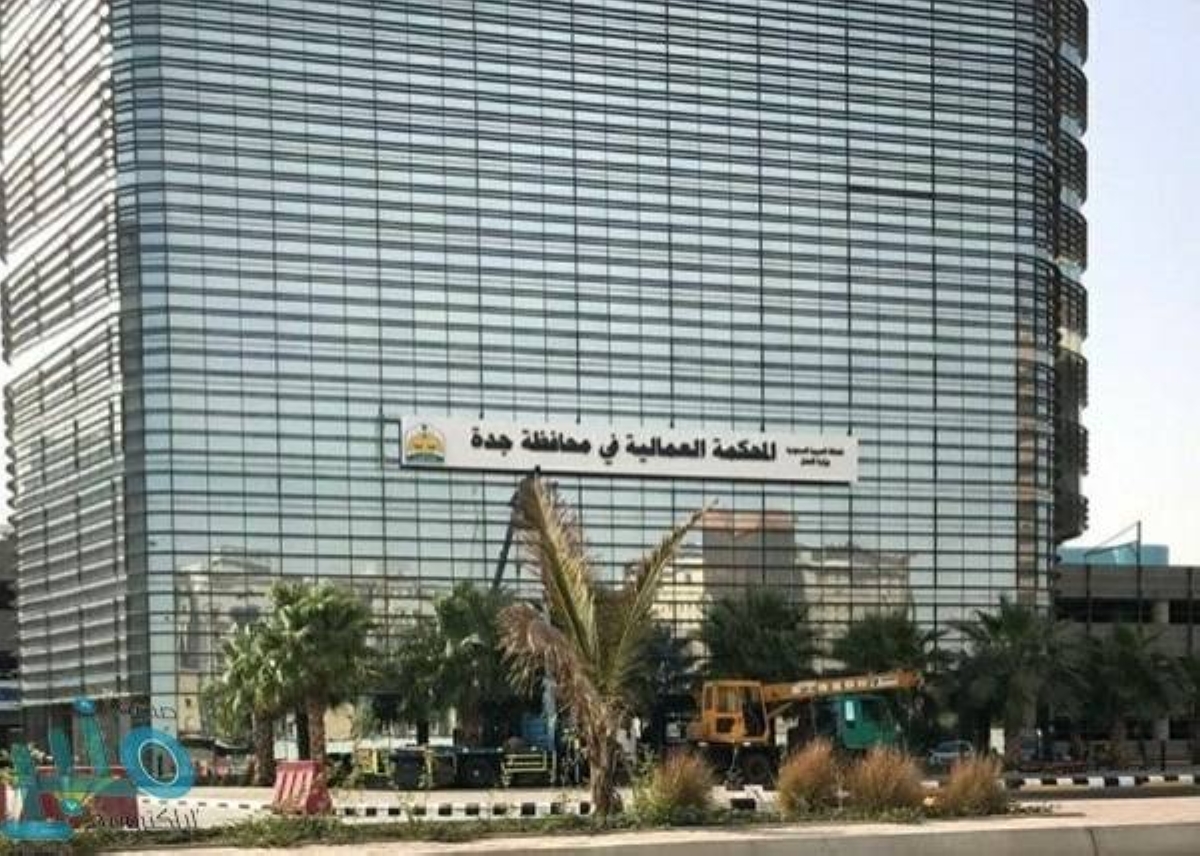

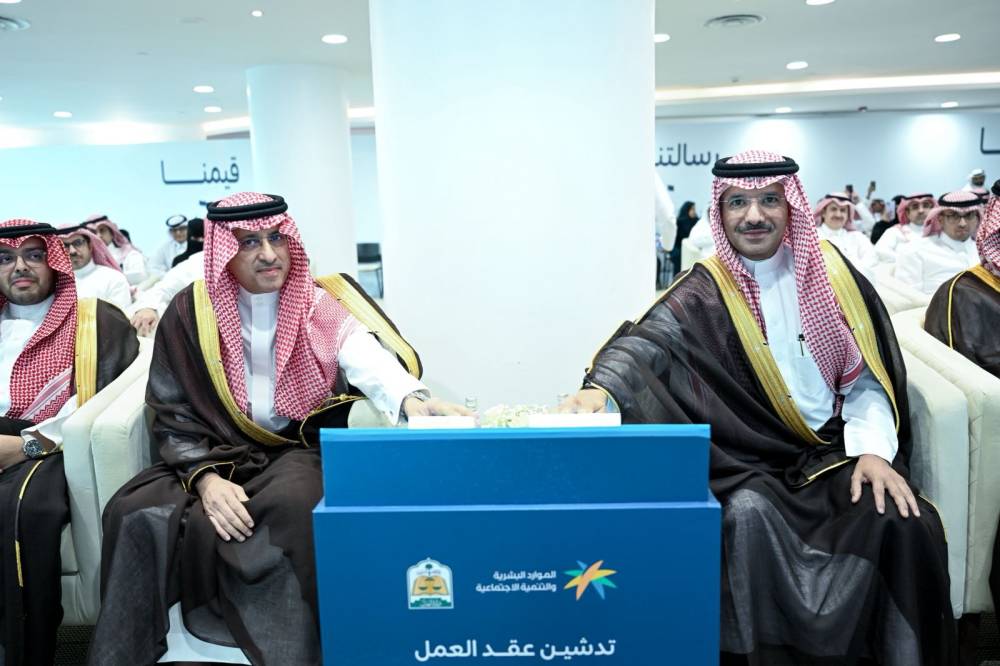
عقب إعلان وزارتي العدل والموارد البشرية اعتماد بند الأجر في عقد العمل الموثق ليكون سندا تنفيذيا تنظره محاكم التنفيذ، أكد قانونيون لـ«عكاظ»، أن ضبط العلاقة التعاقدية بين صاحب العمل والعامل، خطوة مهمة تعكس نضج البيئة التشريعية في المملكة نحو تكريس مبدأ سرعة العدالة ورفع كفاءة سوق العمل، وتوقع مختصون انخفاض حجم القضايا أمام المحاكم العمالية إلى نسب تراوح بين 50 - 60% بحسب الأحوال.وذكرت مصادر عدلية لـ«عكاظ»، أن عقد العمل الموحد يأتي ضمن سلسلة من العقود الإلكترونية الموثقة التي أعلنت عنها وزارة العدل خلال الأشهر الأخيرة، منها عقد الإيجار الموحد، عقد تأجير المركبات، عقد تسجيل الطلاب في المدارس الخاصة، العقد الموحد لأتعاب المحاماة، وعقد المقاولات للإنشاء الكامل، والتي تُعد سندات تنفيذية تنظرها محاكم التنفيذ ما يسهم في تحقيق العدالة الوقائية وحفظ الحقوق؛ بما ينعكس على خفض حجم النزاعات في المحاكم، وتعزيز قيم العدالة والشفافية. وبحسب الآلية، بدأ أمس تطبيق القرار على ثلاث مراحل تدريجية، الأولى للعقود الجديدة أو المحدثة، ثم تشمل العقود محددة المدة المجددة اعتبارا من 6 مارس 2026، وصولا إلى العقود غير محددة المدة في المرحلة الثالثة التي تبدأ في 6 أغسطس 2026، ما يمنح مختلف المنشآت والعاملين فرصة التكيّف المرحلي مع الإجراء الجديد.وقال لـ«عكاظ» المحامي فراس طرابلسي: يُعد اعتماد بند الأجر في عقد العمل الموثق سندا تنفيذيا نقلة نوعية في ضبط العلاقة التعاقدية بين صاحب العمل والعامل، وخطوة تعكس نضج البيئة التشريعية في المملكة نحو تكريس مبدأ سرعة العدالة ورفع كفاءة سوق العمل. فإعطاء هذا البند قوة التنفيذ المباشر دون الحاجة إلى إقامة دعوى قضائية كاملة أمام المحاكم العمالية يُسهم في خفض تدفق القضايا المتعلقة بالأجور التي تمثل تاريخيا النسبة الأعلى من النزاعات العمالية. وأضاف: هذا التنظيم يكرّس ثقة الطرفين في العقود الموثقة إلكترونيا عبر منصة «قوى» ويحول عقد العمل من مجرد التزام تعاقدي إلى سند نظامي واجب النفاذ، طالما توفرت أركان التوثيق والاعتماد الرسمي. كما أنه يعزز مبدأ الحماية الفعلية للعامل عبر تمكينه من التقدم بطلب تنفيذ مباشر أمام محكمة التنفيذ، في حال تأخر أو امتناع صاحب العمل عن دفع الأجر، دون الحاجة لسلسلة من الإجراءات القضائية التي كانت تستغرق وقتا وجهدا كبيرين. وأوضح، أن القرار يحمل أثرا إيجابيا لصاحب العمل الملتزم أيضا، إذ يخلق بيئة أكثر انضباطا وموثوقية في التعاقدات ويحد من الدعاوى الكيدية أو الادعاءات غير الموثقة. كما يُسهم في دعم البيئة الاستثمارية من خلال تقليص مخاطر التقاضي وتعزيز مبدأ الشفافية في سوق العمل. وختم بقوله: من المؤكد أنها خطوة تنتمي بوضوح إلى فلسفة العدالة الوقائية التي تتبناها وزارة العدل، وتدل على انتقال العمل القضائي من مرحلة «فضّ النزاع» إلى مرحلة «منع النزاع»، وهي مرحلة تعكس وعيا تشريعيا متقدما يتّسق مع رؤية 2030 في بناء سوق عمل متوازنة ومستدامة.حماية حقوق العمالوقالت المحامية منال الحارثي لـ«عكاظ»: إن الخطوة الوقائية التي أعلنت عنها وزارة العدل ووزارة الموارد تحمي حقوق العمال وترسخ مبادئ الالتزام بين طرفي العلاقة التعاقدية من خلال الربط التقني بين منصتي قوى وناجز، وتوقعت انخفاضا كبيرا في تدفق القضايا العمالية قد يصل إلى 50 - 60% في ما يتعلق بالتقاضي أمام المحاكم العمالية والتحول إلى قضاء التنفيذ، مما يسهم في تسهيل الوصول إلى الحقوق، وبما ينعكس على جودة بيئة العمل.وقال المحامي حكم الحكمي لـ«عكاظ»: إن العلاقة التعاقدية بين العامل والمنشأة دخلت مرحلة جديدة ومهمة تحفظ وتصون حقوق كافة الأطراف وتوقف النزاعات. وأضاف: يُعدُّ بند الأجر سندا نظاميا يتيح للعامل أو صاحب العمل التقدم بطلب التنفيذ في حال الإخلال بسداد الأجر، دون الحاجة إلى مستندات إضافية، ويتم التحقق تلقائيا عبر الربط مع منصة «مدد». ويُشترط للاستفادة من السند التنفيذي توثيق عقد العمل عبر منصة «قوى»، والحصول على رقم تنفيذي من مركز التوثيق بوزارة العدل، وفي حال عدم استلام العامل كامل أجره خلال 30 يوما من تاريخ الاستحقاق، أو في حال استلامه جزئيا بعد مرور 90 يوما، يمكنه التقدم بطلب تنفيذ إلكتروني عبر منصة «ناجز»، ويحق للطرف الآخر «صاحب العمل» الاعتراض خلال خمسة أيام من تاريخ الإشعار.
قانونيون: انتقال العمل القضائي من مرحلة «فضّ النزاع» إلى «منع النزاع»..
سريان سند الأجور العمالية و6 عقود أمام محاكم التنفيذ.. «عكاظ» تكشف التفاصيل
7 أكتوبر 2025 - 22:22
|
آخر تحديث 24 نوفمبر 2025 - 00:05


تابع قناة عكاظ على الواتساب
Following the announcement by the Ministries of Justice and Human Resources regarding the inclusion of the wage clause in the documented employment contract to serve as an executive document reviewed by enforcement courts, legal experts told "Okaz" that regulating the contractual relationship between the employer and the worker is an important step that reflects the maturity of the legislative environment in the Kingdom towards establishing the principle of swift justice and enhancing the efficiency of the labor market. Specialists expect a decrease in the volume of cases before labor courts by rates ranging between 50% - 60%, depending on the circumstances.
Judicial sources informed "Okaz" that the unified employment contract is part of a series of documented electronic contracts announced by the Ministry of Justice in recent months, including the unified lease contract, vehicle leasing contract, student registration contract for private schools, the unified contract for attorney fees, and the full construction contract, which are considered executive documents reviewed by enforcement courts, contributing to achieving preventive justice and preserving rights; which reflects on reducing the volume of disputes in courts and enhancing the values of justice and transparency. According to the mechanism, the decision began to be implemented yesterday in three gradual phases: the first for new or updated contracts, then including fixed-term contracts renewed as of March 6, 2026, leading to indefinite contracts in the third phase starting on August 6, 2026, allowing various establishments and workers an opportunity to gradually adapt to the new procedure.
Attorney Firas Tarablsi told "Okaz": The inclusion of the wage clause in the documented employment contract as an executive document represents a qualitative shift in regulating the contractual relationship between the employer and the worker, and a step that reflects the maturity of the legislative environment in the Kingdom towards establishing the principle of swift justice and enhancing the efficiency of the labor market. Granting this clause direct enforcement power without the need to file a full lawsuit before labor courts contributes to reducing the flow of wage-related cases, which historically represent the highest percentage of labor disputes. He added: This regulation reinforces the trust of both parties in electronically documented contracts via the "Qiwa" platform and transforms the employment contract from a mere contractual obligation into a legal document that must be enforced, as long as the elements of documentation and official approval are met. It also enhances the principle of actual protection for the worker by enabling them to file for direct enforcement before the enforcement court in case of the employer's delay or refusal to pay wages, without the need for a series of judicial procedures that previously took considerable time and effort. He clarified that the decision has a positive impact on the compliant employer as well, as it creates a more disciplined and reliable environment in contracts and limits frivolous lawsuits or unsubstantiated claims. It also contributes to supporting the investment environment by reducing litigation risks and enhancing the principle of transparency in the labor market. He concluded by saying: It is certainly a step that clearly belongs to the philosophy of preventive justice adopted by the Ministry of Justice, indicating a transition in judicial work from the "dispute resolution" phase to the "dispute prevention" phase, which reflects an advanced legislative awareness consistent with Vision 2030 in building a balanced and sustainable labor market.
Protecting Workers' Rights
Attorney Manal Al-Harithi told "Okaz": The preventive step announced by the Ministry of Justice and the Ministry of Human Resources protects workers' rights and reinforces the principles of commitment between the parties to the contractual relationship through the technical linkage between the Qiwa and Najiz platforms. She anticipated a significant decrease in the flow of labor cases that could reach 50% - 60% regarding litigation before labor courts and the transition to enforcement courts, which contributes to facilitating access to rights, reflecting positively on the quality of the work environment.
Attorney Hakem Al-Hakami told "Okaz": The contractual relationship between the worker and the establishment has entered a new and important phase that preserves and safeguards the rights of all parties and halts disputes. He added: The wage clause is a legal document that allows the worker or employer to file for enforcement in case of a breach of wage payment, without the need for additional documents, and verification is done automatically through the linkage with the "Mudad" platform. To benefit from the executive document, the employment contract must be documented through the "Qiwa" platform and obtain an executive number from the documentation center at the Ministry of Justice. If the worker does not receive their full wage within 30 days from the due date, or if they receive it partially after 90 days, they can submit an electronic enforcement request through the "Najiz" platform, and the other party, the employer, has the right to object within five days from the date of notification.
Judicial sources informed "Okaz" that the unified employment contract is part of a series of documented electronic contracts announced by the Ministry of Justice in recent months, including the unified lease contract, vehicle leasing contract, student registration contract for private schools, the unified contract for attorney fees, and the full construction contract, which are considered executive documents reviewed by enforcement courts, contributing to achieving preventive justice and preserving rights; which reflects on reducing the volume of disputes in courts and enhancing the values of justice and transparency. According to the mechanism, the decision began to be implemented yesterday in three gradual phases: the first for new or updated contracts, then including fixed-term contracts renewed as of March 6, 2026, leading to indefinite contracts in the third phase starting on August 6, 2026, allowing various establishments and workers an opportunity to gradually adapt to the new procedure.
Attorney Firas Tarablsi told "Okaz": The inclusion of the wage clause in the documented employment contract as an executive document represents a qualitative shift in regulating the contractual relationship between the employer and the worker, and a step that reflects the maturity of the legislative environment in the Kingdom towards establishing the principle of swift justice and enhancing the efficiency of the labor market. Granting this clause direct enforcement power without the need to file a full lawsuit before labor courts contributes to reducing the flow of wage-related cases, which historically represent the highest percentage of labor disputes. He added: This regulation reinforces the trust of both parties in electronically documented contracts via the "Qiwa" platform and transforms the employment contract from a mere contractual obligation into a legal document that must be enforced, as long as the elements of documentation and official approval are met. It also enhances the principle of actual protection for the worker by enabling them to file for direct enforcement before the enforcement court in case of the employer's delay or refusal to pay wages, without the need for a series of judicial procedures that previously took considerable time and effort. He clarified that the decision has a positive impact on the compliant employer as well, as it creates a more disciplined and reliable environment in contracts and limits frivolous lawsuits or unsubstantiated claims. It also contributes to supporting the investment environment by reducing litigation risks and enhancing the principle of transparency in the labor market. He concluded by saying: It is certainly a step that clearly belongs to the philosophy of preventive justice adopted by the Ministry of Justice, indicating a transition in judicial work from the "dispute resolution" phase to the "dispute prevention" phase, which reflects an advanced legislative awareness consistent with Vision 2030 in building a balanced and sustainable labor market.
Protecting Workers' Rights
Attorney Manal Al-Harithi told "Okaz": The preventive step announced by the Ministry of Justice and the Ministry of Human Resources protects workers' rights and reinforces the principles of commitment between the parties to the contractual relationship through the technical linkage between the Qiwa and Najiz platforms. She anticipated a significant decrease in the flow of labor cases that could reach 50% - 60% regarding litigation before labor courts and the transition to enforcement courts, which contributes to facilitating access to rights, reflecting positively on the quality of the work environment.
Attorney Hakem Al-Hakami told "Okaz": The contractual relationship between the worker and the establishment has entered a new and important phase that preserves and safeguards the rights of all parties and halts disputes. He added: The wage clause is a legal document that allows the worker or employer to file for enforcement in case of a breach of wage payment, without the need for additional documents, and verification is done automatically through the linkage with the "Mudad" platform. To benefit from the executive document, the employment contract must be documented through the "Qiwa" platform and obtain an executive number from the documentation center at the Ministry of Justice. If the worker does not receive their full wage within 30 days from the due date, or if they receive it partially after 90 days, they can submit an electronic enforcement request through the "Najiz" platform, and the other party, the employer, has the right to object within five days from the date of notification.