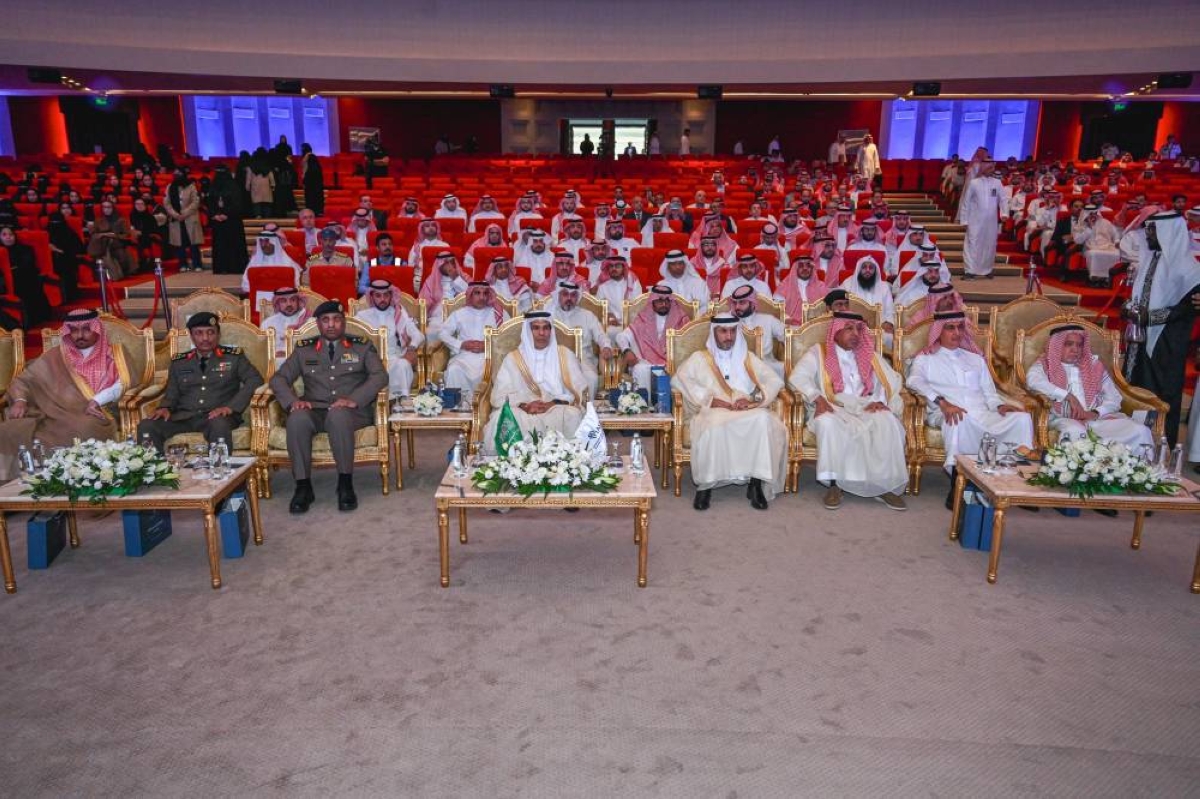
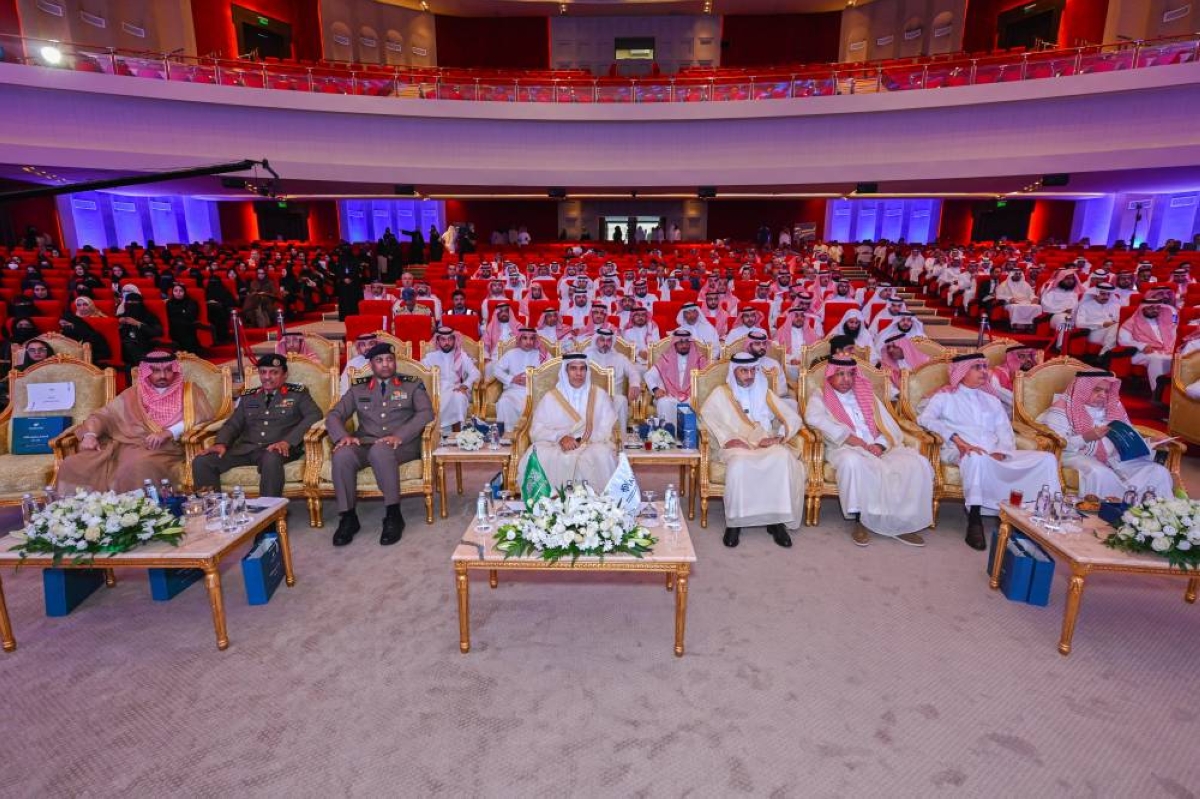
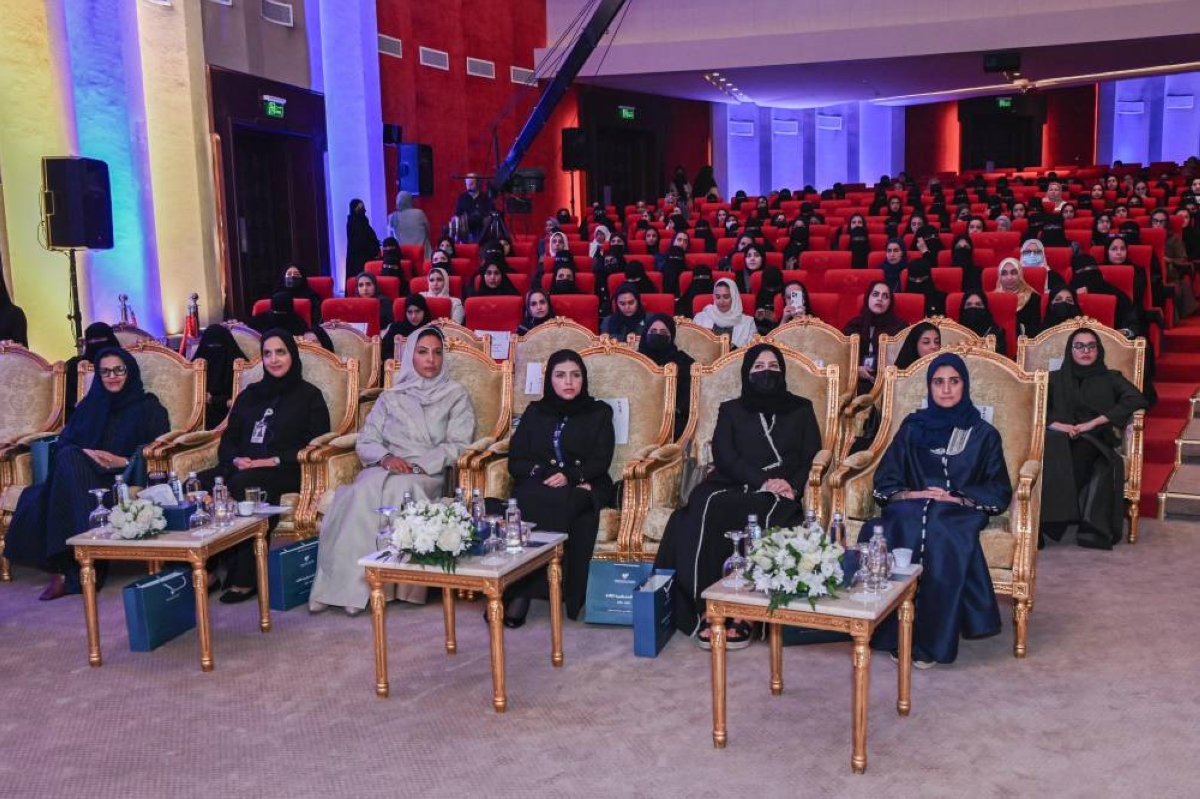
دشّن رئيس مجلس أمناء جامعة الإمام عبدالرحمن بن فيصل الدكتور نبيل بن محمد العامودي الخطة الإستراتيجية الثالثة للجامعة (2025 -2030)، بحضور رئيس الجامعة الدكتور فهد بن أحمد الحربي وأعضاء المجلس ونواب الرئيس وعمداء الكليات وضيوف الجامعة من مديري الجهات الحكومية وشركاء النجاح ومنسوبي الجامعة.
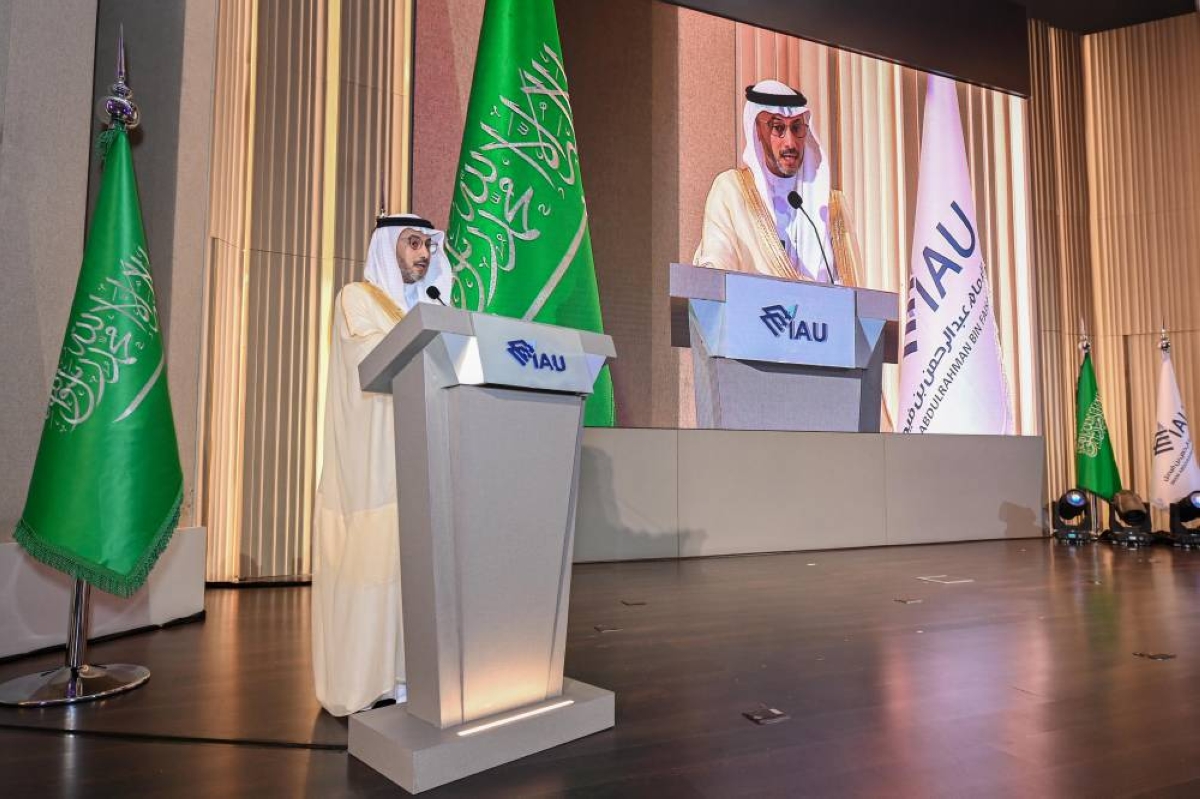
وذكر الدكتور العامودي بأنه وفي خضم النقلة النوعية المباركة التي يشهدها قطاع التعليم في المملكة، شكّل صدور نظام الجامعات محطة فارقة في مسيرة التعليم العالي، إذ رسخ مبادئ الاستقلالية، والحوكمة، والمرونة، ومكّن الجامعات من تعزيز كفاءتها وتفعيل أدوارها التنموية، بما ينسجم مع رؤية المملكة 2030، التي جعلت التعليم في قلب مشروعها الوطني الطموح، وفي ضوء هذا النظام الرائد، تشكل مجلس أمناء الجامعة عام 2021م، ليكون الحارس الأمين على بوصلة الجامعة الإستراتيجية، والضامن لجودة أدائها، والداعم لتميزها المؤسسي، والمرجع في حوكمة قراراتها وتوجيه مساراتها، في إطار من الشفافية والمساءلة والالتزام الوطني، وقد حرص المجلس، منذ انطلاقه، على أداء دوره بكفاءة ومسؤولية، مرتكزا إلى رؤية واضحة، وتكامل بناء مع إدارة الجامعة وكافة مكوّناتها، إيمانا منه بأن الشراكة المؤسسية ركيزة أساسية في بناء الحاضر وصناعة المستقبل.
وأضاف: لقد استطاعت جامعة الإمام عبدالرحمن بن فيصل، خلال السنوات الماضية، ترسيخ مكانتها ضمن نخبة الجامعات محليا وإقليميا، بفضل ما قدَّمته من تعليم نوعي، وبحوث علميّة، وإسهامات مجتمعية فاعلة في بيئة أكاديمية زاخرة بالإنجاز، ومفعمة بالطموح، فكانت هذه الخطة الإستراتيجية الثالثة انعكاسا ناضجا لمسيرة متراكمة من التقدم، جاءت واضحة الغايات، شاملة المحاور، ممنهجة في البناء، ومتسقة مع معطيات الواقع وتحديات المستقبل، مما يجعلها بحق وثيقة تحول مؤسسي، ترتقي بالجامعة إلى مستويات أرحب من التميز والريادة، لافتا أن جوهر هذه الخطة لا يكمن في أهدافها المكتوبة فحسب، بل في الإيمان العميق بدور الجامعة المحوريّ في بناء الفردِ وصناعة المعرفة، وخدمة المجتمع، وتلبية متطلبات التنمية، والانطلاق نحو المستقبل برؤية واعية، وتخطيط محكم، وطاقات وطنية واعدة، وعلى ضوء ذلك، فإن مجلس الأمناء وهو يُبارك هذه الانطلاقة، ليُجدد التزامه بأن يكون شريكا فاعلا في حوكمة هذه الخطة، ومتابعة مؤشرات أدائها، وتوفير البيئة الممكنة لإنجاحها، بما يُحقق التوازن بين التطلعات والموارد، ويُفضي إلى الأثر المنشود، وإنَّنا لنُوقِنُ أَنَّ نجاح هذه الخطة مرهون بجهودكم أنتم، منسوبي الجامعة وقيادتيها، فضلا عن شركائها فهي بحاجة إلى عزائم صادقة، وإرادة جماعية، وتنفيذ متقن، يُحوّل الأهداف إلى منجزات، والرؤى إلى واقع مشهود.
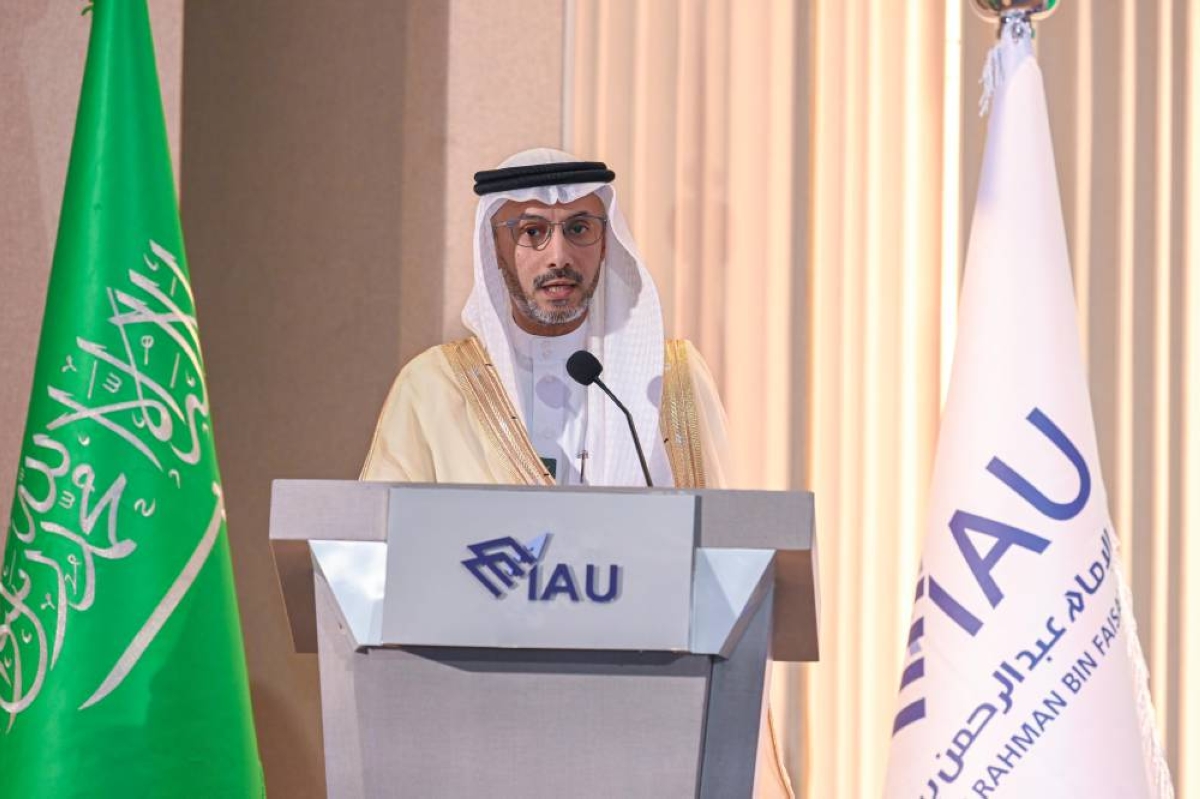
وقال رئيس الجامعة الأستاذ الدكتور فهد الحربي، في كلمته، إنه في هذا اليوم الذي يُسجّل في مسيرة الجامعة فصل جديد من فصول الريادة والمسؤولية، تتشرف الجامعة بإطلاق وتدشين خطتها الإستراتيجية الثالثة وهي خطة تحولية طموحة شامل تتجاوز حدود التحديث والتطوير نحو آفاق من التأسيس العميق لغد تصنعه عقول مبدعة وتنهض به كفاءات وطنية ملهمة، إذ تستلهم الخطة مكوناتها من تطلعات رؤية السعودية 2030، وتنسجم مع مستهدفاتها الكبرى لتضمن بها الجامعة مكانة رائدة على المستويين المحلي والعالمي وتعزز من إسهامها في دفع عجلة التنمية الوطنية وتعكس وعيها بمسؤوليتها تجاه مجتمع مزدهر واقتصاد نابض بالحيوية وبيئة تعليمية وإنسانية رفيعة المستوى ترتقي بها إلى تطلعات الوطن نحو نمو تصنيف الجامعات السعودية عالميا، إذ انطلقت الخطة برؤية طموحة بأن تكون جامعتنا «جامعة سباقة في صناعة المستقبل»، لتكون الجامعة عاملا محوريا في التحول الوطني الشامل من خلال رسالة عبرت عن غاية المقصد ومركزية الدور حول إعداد قدرات بشرية منافسة عالميا وإنتاج بحوث وابتكارات مثرية وتقديم إسهامات مجتمعية رافدة.
وقد تشكلت معالم هذه الخطة على أساس هوية مؤسسية أصيلة عبر مفهوم الصحة وجودة الحياة، كما قامت الخطة على ثلاث مرتكزات أساسية، وهي أثر مستدام وكفاءات ممكنة وتميز مؤسسي، وترجمت هذه المرتكزات إلى 7 أهداف إستراتيجية تضم 39 مبادرة تنفذ وتقاس عبر ما يزيد على 138 مشروعا ومؤشر أداء تشكل في مجملها خارطة طريق لتحقيق طموحات الجامعة وتعزيز حضورها المحلي والدولي وتكريس دورها في تحقيق التوازن بين التميز الأكاديمي والبحثي والتأثير المجتمعي، وقد تبنت هذه الخطة النهج التحولي في عدة محاور والتي من أهمها التحول في الاستدامة المالية والموارد البشرية والبرامج الأكاديمية والبحث والابتكار والشراكات المحلية والدولية ودعم الاقتصاد من خلال توليد الشركات الناشئة.
The Chairman of the Board of Trustees of Imam Abdulrahman bin Faisal University, Dr. Nabil bin Mohammed Al-Amoudi, launched the university's third strategic plan (2025-2030) in the presence of the university president, Dr. Fahd bin Ahmed Al-Harbi, council members, vice presidents, deans of colleges, and university guests from government officials, partners in success, and university staff.
Dr. Al-Amoudi mentioned that amidst the blessed qualitative leap witnessed in the education sector in the Kingdom, the issuance of the Universities Law marked a pivotal point in the journey of higher education, as it established the principles of independence, governance, and flexibility, enabling universities to enhance their efficiency and activate their developmental roles in alignment with the Kingdom's Vision 2030. This vision places education at the heart of its ambitious national project. In light of this pioneering system, the university's Board of Trustees was formed in 2021 to be the guardian of the university's strategic compass, ensuring the quality of its performance, supporting its institutional excellence, and serving as a reference for governing its decisions and directing its paths within a framework of transparency, accountability, and national commitment. Since its inception, the council has been keen to perform its role efficiently and responsibly, based on a clear vision and constructive integration with the university's administration and all its components, believing that institutional partnership is a fundamental pillar in building the present and shaping the future.
He added: Imam Abdulrahman bin Faisal University has been able, over the past years, to solidify its position among the elite universities locally and regionally, thanks to the quality education, scientific research, and effective community contributions it has provided in a vibrant academic environment filled with achievement and ambition. This third strategic plan is a mature reflection of an accumulated journey of progress, with clear goals, comprehensive axes, systematic construction, and consistency with the realities and challenges of the future, making it truly a document of institutional transformation that elevates the university to broader levels of excellence and leadership. He pointed out that the essence of this plan lies not only in its written objectives but also in the deep belief in the university's pivotal role in building individuals, creating knowledge, serving the community, meeting development requirements, and moving towards the future with a conscious vision, meticulous planning, and promising national energies. In light of this, the Board of Trustees, while blessing this launch, renews its commitment to being an active partner in governing this plan, monitoring its performance indicators, and providing the enabling environment for its success, achieving a balance between aspirations and resources, and leading to the desired impact. We are confident that the success of this plan depends on your efforts, the university staff and leadership, as well as its partners; it requires sincere determination, collective will, and precise implementation to turn objectives into achievements and visions into tangible reality.
The university president, Professor Dr. Fahd Al-Harbi, stated in his speech that on this day, which marks a new chapter in the university's journey of leadership and responsibility, the university is honored to launch its third strategic plan, which is an ambitious transformational plan that goes beyond mere modernization and development towards deep foundations for a future crafted by creative minds and uplifted by inspiring national competencies. The plan draws its components from the aspirations of Saudi Vision 2030 and aligns with its major objectives to ensure the university's leading position at both local and global levels, enhancing its contribution to driving national development and reflecting its awareness of its responsibility towards a thriving community, a vibrant economy, and a high-level educational and human environment that aligns with the nation's aspirations for the growth of Saudi universities' global rankings. The plan was launched with an ambitious vision for our university to be "a pioneering university in shaping the future," making the university a pivotal factor in the comprehensive national transformation through a mission that expresses the purpose and central role of preparing globally competitive human capabilities, producing enriching research and innovations, and providing supportive community contributions.
The features of this plan were shaped based on an authentic institutional identity through the concept of health and quality of life. The plan is built on three main pillars: sustainable impact, empowered competencies, and institutional excellence. These pillars are translated into 7 strategic goals that include 39 initiatives implemented and measured through more than 138 projects and performance indicators, which collectively form a roadmap to achieve the university's ambitions, enhance its local and international presence, and solidify its role in achieving a balance between academic and research excellence and community impact. This plan adopts a transformational approach in several areas, including the transformation of financial sustainability, human resources, academic programs, research and innovation, local and international partnerships, and supporting the economy through the generation of startups.