


من قلب صحراء السعودية، وتحديداً من «شعيب البدع» جنوب بلدة «لينة» التاريخية بمحاذاة درب زبيدة الشهير، برزت محمية الإمام تركي بن عبدالله الملكية بصفتها نموذجاً وطنياً رائداً في التوازن بين حماية الطبيعة والتنمية المستدامة، بعد اعتمادها رسمياً ضمن برنامج الإنسان والمحيط الحيوي (MAB) التابع لمنظمة اليونسكو في سبتمبر 2025، في خطوة تؤكد التزام المملكة بدعم الجهود الدولية للحفاظ على التنوع البيولوجي وصون الإرث البيئي والثقافي.
وخلال السنوات الماضية تم تنفيذ مشاريع بيئية نوعية في منطقة البدع، شملت تأهيل مساحة تجاوزت 41 كيلومتراً مربعاً، وزراعة أكثر من 44 ألف شجرة من الأصناف المحلية كالسلم والأرطى والطلح النجدي، وإزالة ما يزيد على 11 ألف طن من النفايات. وتُقدَّر مساهمة هذه الأشجار عند نضوجها بامتصاص نحو 1000 طن من انبعاثات ثاني أكسيد الكربون سنوياً، ما يدعم مبادرات المملكة في الاستدامة وجودة الحياة.
كما تحتضن المنطقة محطة البدع التاريخية (الثعلبية)، إحدى محطات درب زبيدة، التي تضم أكثر من 120 وحدة معمارية ممتدة على مساحة واسعة، تتنوّع بين برك تاريخية شُيدت بتقنيات هندسية فريدة، وآبار حجرية عذبة، وحصون أثرية متعدّدة الاستخدامات، بما يعكس ثراء الإرث العمراني للموقع وأهميته في مسيرة الحج عبر القرون.
ويجسّد انضمام محمية الإمام تركي بن عبدالله الملكية إلى شبكة محميات الإنسان والمحيط الحيوي العالمية مكانة المملكة المتنامية في قيادة المبادرات البيئية الدولية، وترسيخ رؤيتها الطموحة في تعزيز التوازن بين الإنسان والطبيعة، والحفاظ على كنوزها الطبيعية والتاريخية.
من «شعيب البدع» و«درب زبيدة».. محمية الإمام تركي نموذج لتوازن الطبيعة والتنمية
6 أكتوبر 2025 - 00:46
|
آخر تحديث 6 أكتوبر 2025 - 00:46
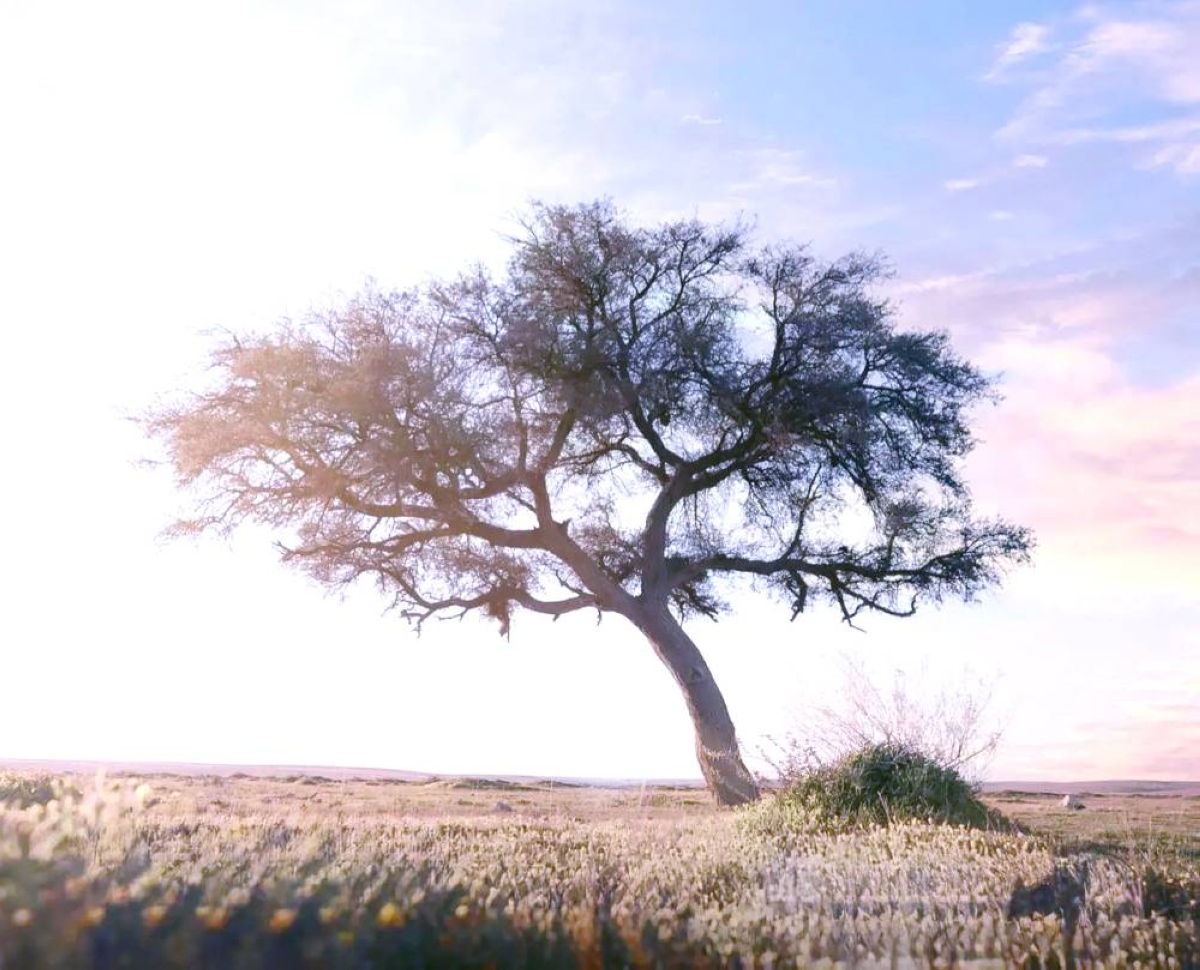
تأهيل مساحة 41 كيلومتراً مربعاً، وزراعة أكثر من 44 ألف شجرة من الأصناف المحلية.


تابع قناة عكاظ على الواتساب
«عكاظ» (رفحاء) OKAZ_online@
From the heart of the Saudi desert, specifically from "Shu'ayb Al-Bad'” south of the historic town of "Lina" along the famous Zubaydah Trail, the Imam Turki bin Abdullah Royal Reserve has emerged as a pioneering national model in balancing nature conservation and sustainable development. This was officially recognized when it was included in the UNESCO Man and the Biosphere (MAB) Program in September 2025, a step that reaffirms the Kingdom's commitment to supporting international efforts to preserve biodiversity and safeguard environmental and cultural heritage.
In recent years, significant environmental projects have been implemented in the Al-Bad' area, including the rehabilitation of an area exceeding 41 square kilometers, the planting of over 44,000 trees of local species such as the samr, arta, and najdi talh, and the removal of more than 11,000 tons of waste. The contribution of these trees, once mature, is estimated to absorb about 1,000 tons of carbon dioxide emissions annually, supporting the Kingdom's initiatives in sustainability and quality of life.
The area also hosts the historic Al-Bad' Station (Al-Thalabiya), one of the Zubaydah Trail stations, which includes more than 120 architectural units spread over a vast area. These vary between historical ponds built with unique engineering techniques, fresh stone wells, and multi-purpose archaeological forts, reflecting the richness of the site's architectural heritage and its significance in the pilgrimage journey over the centuries.
The inclusion of the Imam Turki bin Abdullah Royal Reserve in the global network of Man and Biosphere reserves embodies the Kingdom's growing stature in leading international environmental initiatives and solidifies its ambitious vision to enhance the balance between humans and nature while preserving its natural and historical treasures.
In recent years, significant environmental projects have been implemented in the Al-Bad' area, including the rehabilitation of an area exceeding 41 square kilometers, the planting of over 44,000 trees of local species such as the samr, arta, and najdi talh, and the removal of more than 11,000 tons of waste. The contribution of these trees, once mature, is estimated to absorb about 1,000 tons of carbon dioxide emissions annually, supporting the Kingdom's initiatives in sustainability and quality of life.
The area also hosts the historic Al-Bad' Station (Al-Thalabiya), one of the Zubaydah Trail stations, which includes more than 120 architectural units spread over a vast area. These vary between historical ponds built with unique engineering techniques, fresh stone wells, and multi-purpose archaeological forts, reflecting the richness of the site's architectural heritage and its significance in the pilgrimage journey over the centuries.
The inclusion of the Imam Turki bin Abdullah Royal Reserve in the global network of Man and Biosphere reserves embodies the Kingdom's growing stature in leading international environmental initiatives and solidifies its ambitious vision to enhance the balance between humans and nature while preserving its natural and historical treasures.


