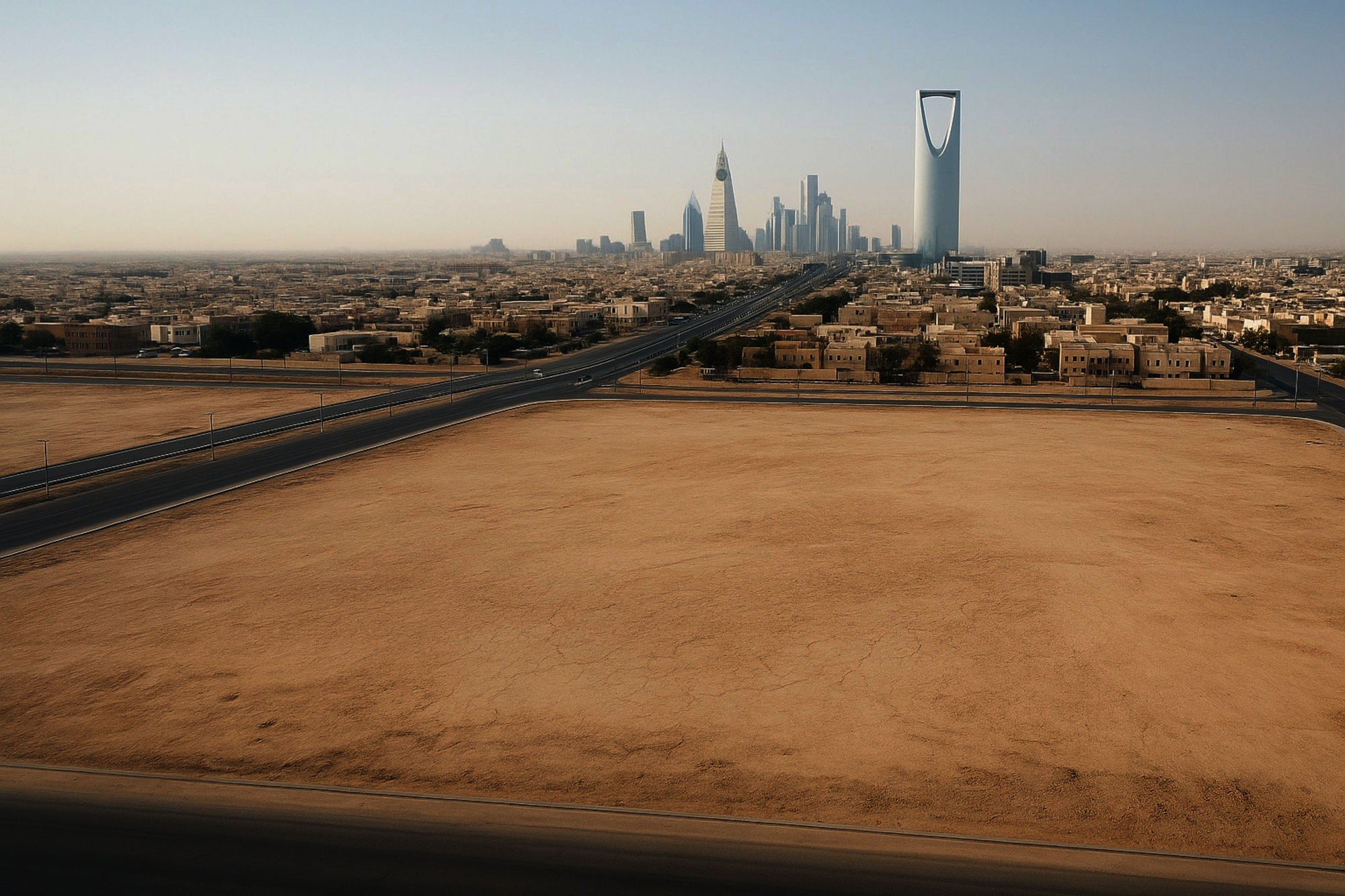
كشف برنامج الأراضي البيضاء والعقارات الشاغرة التابع لوزارة الشؤون البلدية والإسكان عن المعايير التي يتوقف عند تحققها تطبيق الرسم على الأراضي البيضاء، في إطار جهود البرنامج لتنظيم التنمية الحضرية وتحفيز أصحاب الأراضي على تطويرها بما يسهم في معالجة توازن العرض والطلب في السوق العقاري.
وأوضح البرنامج أن تطبيق الرسم يتوقف عند تحقق أي من الحالات الأربع الآتية:
أولها، انتفاء أي من اشتراطات تطبيق الرسم الواردة في المادة السابعة من اللائحة، وثانيها وجود مانع يحول دون تصرف المالك في الأرض ما دامت المدة النظامية لسداد الرسم، على أن يكون هذا المانع مثبتا رسميا من جهة مختصة.
وأضاف أن من ضمن الحالات أيضا وجود عائق يمنع إصدار التراخيص أو الموافقات اللازمة لتطوير الأرض أو إنهائها خلال المدة النظامية للسداد، شريطة ألا يكون المكلف متسببا أو مشاركا في قيام العائق، إلى جانب إنجاز تطوير الأرض أو إنهائها خلال المدة النظامية المحددة للسداد.
وبيّن البرنامج أنه يجوز بقرار من الوزير إيقاف تطبيق الرسم مؤقتا إذا تم إنجاز تطوير الأرض بشكل لا يتعارض مع مواعيد إصدار فواتير الرسم السنوية في المدينة، كما يجوز منح المكلف مدة إضافية تُقدّرها اللجنة المختصة لإنهاء أعمال التطوير أو البناء وفق مساحة الأرض وطبيعتها، على أن تُستحصل الرسوم المستحقة في حال عدم الإنجاز خلال المدة المحددة.
وأشار البرنامج إلى أنه في حال توقف تطبيق الرسم على جزء من الأرض بعد صدور الفاتورة، فيُطبَّق الرسم على الجزء المتبقي منها فقط، مؤكدا استمرار العمل وفق الضوابط النظامية المعتمدة من الوزارة.
ويهدف برنامج الأراضي البيضاء والعقارات الشاغرة إلى رفع كفاءة استخدام الأراضي داخل النطاق العمراني، والحد من الاحتكار، وتشجيع التطوير العقاري بما ينسجم مع مستهدفات رؤية المملكة 2030 الهادفة إلى رفع جودة الحياة وتحقيق التوازن في السوق العقاري.
The White Lands and Vacant Properties Program, affiliated with the Ministry of Municipal and Rural Affairs and Housing, has revealed the criteria that must be met for the application of the fee on white lands, as part of the program's efforts to organize urban development and encourage landowners to develop their properties, contributing to addressing the balance of supply and demand in the real estate market.
The program clarified that the application of the fee is contingent upon the fulfillment of any of the following four conditions:
First, the absence of any of the conditions for applying the fee stated in Article Seven of the regulation; second, the existence of an impediment preventing the owner from disposing of the land as long as the statutory period for paying the fee is in effect, provided that this impediment is officially documented by a competent authority.
It added that among the conditions is also the existence of an obstacle preventing the issuance of the necessary licenses or approvals for developing or completing the land within the statutory payment period, provided that the taxpayer is not responsible for or involved in creating the obstacle, in addition to completing the development or finishing the land within the specified statutory payment period.
The program indicated that the minister may, by decision, temporarily suspend the application of the fee if the development of the land is completed in a manner that does not conflict with the dates for issuing annual fee invoices in the city. The taxpayer may also be granted an additional period determined by the competent committee to complete the development or construction based on the area and nature of the land, with the fees due to be collected if the completion does not occur within the specified period.
The program pointed out that if the application of the fee is suspended on part of the land after the invoice has been issued, the fee will only apply to the remaining part of it, confirming the continuation of operations according to the regulatory controls approved by the ministry.
The White Lands and Vacant Properties Program aims to enhance the efficiency of land use within urban boundaries, limit monopolies, and encourage real estate development in line with the objectives of the Kingdom's Vision 2030, which aims to improve the quality of life and achieve balance in the real estate market.