استكملت وزارة البلديات والإسكان خططها التشغيلية والميدانية لموسم الأمطار لهذا العام، من خلال منظومة متكاملة نفذتها الأمانات والبلديات في مختلف مناطق المملكة، بهدف تعزيز السلامة العامة وضمان انسيابية الخدمات البلدية وتقليل الأضرار الناجمة عن الحالات المطرية، ورفع الوعي المجتمعي وتعزيز التواصل مع السكان.
وأوضحت الوزارة أن الأمانات فعّلت غرف العمليات والطوارئ على مدار الساعة، بالتنسيق المباشر مع المركز الوطني للبلاغات والجهات ذات العلاقة، لمتابعة البلاغات الواردة والتعامل معها بشكل عاجل، إضافة إلى تجهيز الفرق الميدانية والآليات والمعدات لمباشرة مواقع تجمع المياه ومجاري السيول، والقيام بأعمال الصيانة الوقائية اللازمة لشبكات التصريف والعبارات والجسور.
وبيّنت أن الاستعدادات شملت تنفيذ مشاريع نوعية لمعالجة النقاط الحرجة، وإنشاء وتوسعة شبكات وقنوات تصريف جديدة، ورفع كفاءة المحطات القائمة التي تجاوزت طاقتها الاستيعابية في بعض المناطق 18 ألف لتر/ثانية، مما أسهم في خفض عدد المواقع الحرجة من أكثر من 600 موقع في 2022م، إلى أقل من 300 موقع في 2025م، في خطوة تُجسد تطور الحلول المستدامة وفاعلية المشروعات المنفذة.
وأكّدت الوزارة أن الأمانات حرصت على تعزيز جاهزيتها البشرية والآلية من خلال نشر عشرات الآلاف من الكوادر الميدانية والفنية، وتشغيل آلاف المعدات المتنوعة موزعة على المواقع الحيوية وفق خطط مرنة للتدخل السريع، فضلاً عن تنفيذ فرضيات وتمارين محاكاة لسيناريوهات الأمطار والسيول، لرفع مستوى الاستجابة وتدريب الفرق على التعامل مع الحالات الطارئة.
وأشارت إلى أن الخطط عززت التكامل الرقمي من خلال استخدام منصات وطنية متقدمة لمتابعة الحالة المطرية والبلاغات بشكل لحظي، مثل منصات «أجواء» و«إميرج» و«Flow Map»، بما يضمن سرعة اتخاذ القرار ورفع كفاءة الاستجابة.
وأضافت أن الأمانات حرصت على معالجة آثار الأمطار والسيول عبر برامج وقائية لمكافحة تجمعات المياه والحشرات الناقلة للأمراض، وضمان استدامة بيئة حضرية آمنة، داعية المواطنين والمقيمين إلى التعاون عبر الإبلاغ الفوري عن تجمعات المياه والملاحظات.
«البلديات» تستعد لموسم الأمطار بخطط تشغيلية ومشاريع وقائية
26 سبتمبر 2025 - 01:22
|
آخر تحديث 26 سبتمبر 2025 - 03:19
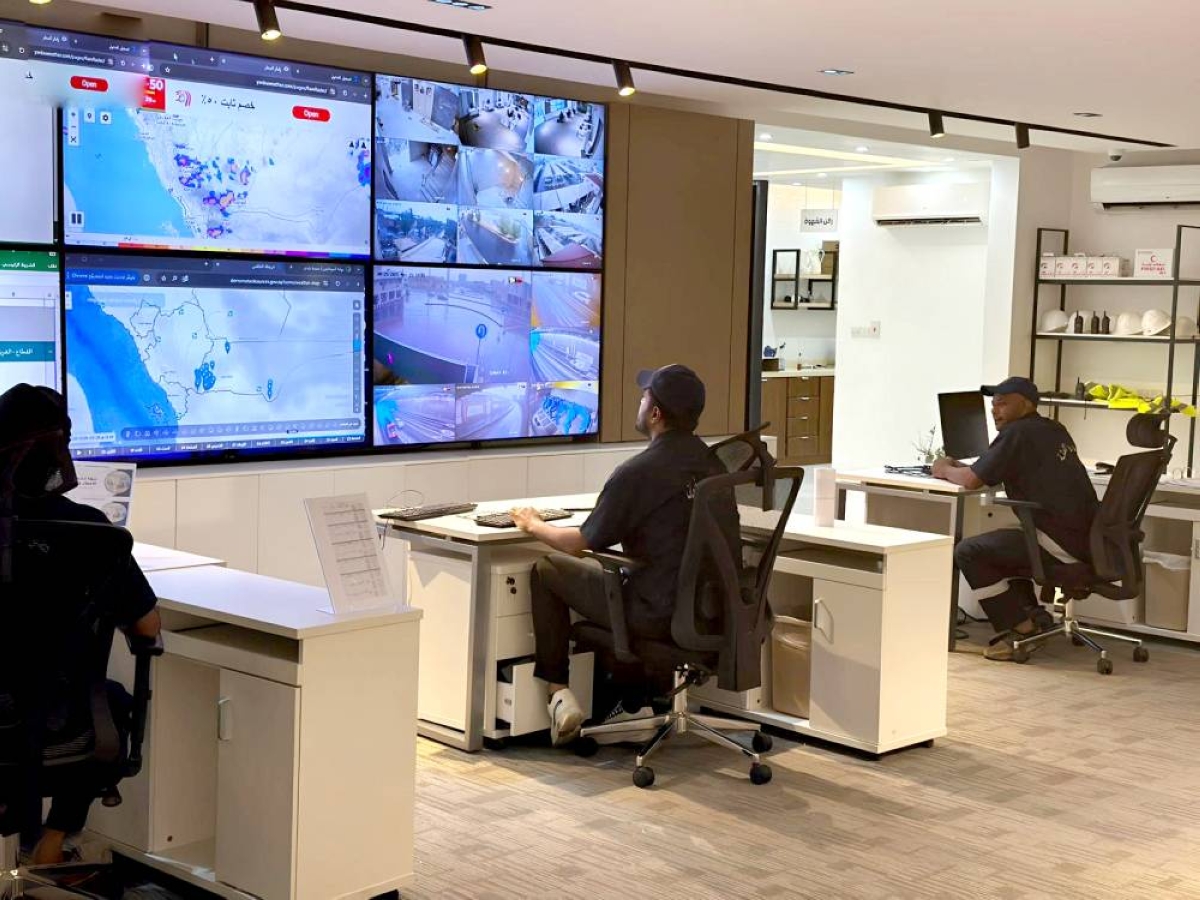
أمانات المناطق تستكمل استعداداتها لموسم الأمطار بخطط تشغيلية ومشاريع وقائية متكاملة.


تابع قناة عكاظ على الواتساب
«عكاظ» (الرياض) okaz_online@
The Ministry of Municipalities and Housing has completed its operational and field plans for this year's rainy season through an integrated system implemented by the municipalities and local authorities in various regions of the Kingdom, aiming to enhance public safety, ensure the smooth flow of municipal services, reduce damages resulting from rainy conditions, raise community awareness, and strengthen communication with residents.
The ministry clarified that the municipalities have activated operations and emergency rooms around the clock, in direct coordination with the National Reporting Center and relevant authorities, to monitor incoming reports and address them urgently. Additionally, field teams and equipment have been prepared to address water accumulation sites and flood channels, and to carry out necessary preventive maintenance for drainage networks, culverts, and bridges.
It indicated that the preparations included implementing quality projects to address critical points, establishing and expanding new drainage networks and channels, and enhancing the efficiency of existing stations that have exceeded their capacity in some areas of 18,000 liters/second, which contributed to reducing the number of critical sites from more than 600 sites in 2022 to less than 300 sites in 2025, in a step that embodies the development of sustainable solutions and the effectiveness of the implemented projects.
The ministry confirmed that the municipalities are keen to enhance their human and mechanical readiness by deploying tens of thousands of field and technical personnel, operating thousands of various equipment distributed across vital locations according to flexible plans for rapid intervention, in addition to conducting drills and simulation exercises for rain and flood scenarios to raise the level of response and train teams to handle emergency situations.
It pointed out that the plans have enhanced digital integration through the use of advanced national platforms to monitor rainfall and reports in real-time, such as the "Ajwa" and "Emerg" and "Flow Map" platforms, ensuring quick decision-making and improving response efficiency.
It added that the municipalities are keen to address the effects of rain and floods through preventive programs to combat water accumulation and disease-carrying insects, ensuring a sustainable and safe urban environment, calling on citizens and residents to cooperate by promptly reporting water accumulations and observations.
The ministry clarified that the municipalities have activated operations and emergency rooms around the clock, in direct coordination with the National Reporting Center and relevant authorities, to monitor incoming reports and address them urgently. Additionally, field teams and equipment have been prepared to address water accumulation sites and flood channels, and to carry out necessary preventive maintenance for drainage networks, culverts, and bridges.
It indicated that the preparations included implementing quality projects to address critical points, establishing and expanding new drainage networks and channels, and enhancing the efficiency of existing stations that have exceeded their capacity in some areas of 18,000 liters/second, which contributed to reducing the number of critical sites from more than 600 sites in 2022 to less than 300 sites in 2025, in a step that embodies the development of sustainable solutions and the effectiveness of the implemented projects.
The ministry confirmed that the municipalities are keen to enhance their human and mechanical readiness by deploying tens of thousands of field and technical personnel, operating thousands of various equipment distributed across vital locations according to flexible plans for rapid intervention, in addition to conducting drills and simulation exercises for rain and flood scenarios to raise the level of response and train teams to handle emergency situations.
It pointed out that the plans have enhanced digital integration through the use of advanced national platforms to monitor rainfall and reports in real-time, such as the "Ajwa" and "Emerg" and "Flow Map" platforms, ensuring quick decision-making and improving response efficiency.
It added that the municipalities are keen to address the effects of rain and floods through preventive programs to combat water accumulation and disease-carrying insects, ensuring a sustainable and safe urban environment, calling on citizens and residents to cooperate by promptly reporting water accumulations and observations.