


في عهد خادم الحرمين الشريفين الملك سلمان بن عبدالعزيز شهد الحقل التعليمي، تغيرا نوعيا في هيكلة مؤسساته التعليمية وإداراتها بعد دمج التعليم الجامعي والتعليم العام في وزارة واحدة، وبدأت على ضوء ذلك ملامح التغير التي تواكبت مع الرؤية وبرنامج التحول الوطني وتماشت مع معطياتها لتطوير العملية التعليمية والتربوية. وتأتي أبرز ملامح نمو التعليم في عهد الملك سلمان باتخاذ عدد من المبادرات النوعية التي ترمي إلى رفع مستوى الجودة في الجامعات والتي تمثلت في ثلاثة مشاريع رئيسية، مشروع تنمية الإبداع والتميز لأعضاء هيئة التدريس، ودعم إنشاء مراكز للتميز العلمي والبحثي في الجامعات، إضافة إلى ما هو معتمد لها في ميزانياتها، أما المشروع الثالث فهو الإسهام مع الجامعات في دعم الجمعيات العلمية.
وتضمنت سياسة التعليم في عهد خادم الحرمين الشريفين العديد من المحاور الرئيسية الهادفة التي تسعى لإجراء إصلاحات شاملة على منظومة التعليم في المملكة سواء العام أو الجامعي، بالإضافة إلى التقني والمهني، وذلك عبر
تطوير المناهج التعليمية لتتماشى مع متطلبات العصر الحديث. يتم التركيز على تعزيز المهارات الإبداعية والتفكير النقدي لدى الطلاب، إلى جانب المواد الأساسية التقليدية وتحسين جودة التعليم من خلال تحسين البنية التحتية للمدارس وتطوير كفاءة المعلمين والاستثمار في التعليم الرقمي وتجهيز المدارس بالأدوات التكنولوجية اللازمة، وتعزيز التعليم الإلكتروني والتعليم عن بعد.
وعملت رؤية المملكة 2030 على زيادة العناية بتطوير التعليم منهجًا ومعلمًا وطالبًا وتدريسًا ومدرسة، سعيًا منها إلى أن تواكب المناهج التطورات العلمية والحضارية؛ كي يكون الطالب على تواصل دائم مع أي تطورات علمية ومعرفية وأي مستجدات، وانعكس ذلك الاهتمام على ما نراه اليوم من النتائج المتقدمة لمدارس المملكة. وأطلقت وزارة التعليم العديد من البرامج والمبادرات التطويرية، منها البرنامج الوطني للكشف عن الموهوبين، والأولمبياد الوطني للإبداع العلمي، إلى جانب تطبيق نظام التسريع في الانتقال عبر السلم التعليمي إلى صف دراسي أعلى، وزيادة فصول الموهوبين، إضافة إلى الاهتمام بالتربية الخاصة وتشغيل مراكز جديدة. وعملت رؤية 2030 على جعل الطالب محور العملية التعليمية، وصبت اهتمامها على تنشئته تنشئة علمية، وعدم تحميله ما لا يستطيع من واجبات ومهمات، وأدت إلى زيادة الأنشطة التربوية داخل البيئة المدرسية، وذلك لتنمية مهارات جميع طلابها لمواجهة متطلبات الحياة الحديثة، بالإضافة إلى المهارات التخصصية لكل مهنة والتي تغطي جميع المجالات المهنية لجيل الشباب.
ولتنويع مصادر المعرفة في إعداد الموارد البشرية، جاء برنامج وظيفتك وبعثتك للابتعاث للجامعات المرموقة في عدد من الدول المتقدمة وفق ضوابط جديدة بالتعاقد مع عدد من المؤسسات والهيئات الحكومية لضمان حصول المبتعث بعد عودته على فرصة وظيفية مضمونة، ولأن البحث العلمي مكمل للنشاط التعليمي ورافد مهم له في الجامعات بصفته ركيزة التطوير والتقدم في كل مجالات العلوم، ولكونه وسيلة ترسيخ مفاهيم اقتصاد المعرفة المثلى، فقد سعت الوزارة لتعزيز دور الجامعات في خدمة البحث العلمي من خلال تطوير مراكز البحث العلمي فيها.
هيكلة التعليم.. إبداع في المناهج.. تميز في المخرجات
25 سبتمبر 2025 - 01:28
|
آخر تحديث 25 سبتمبر 2025 - 02:11
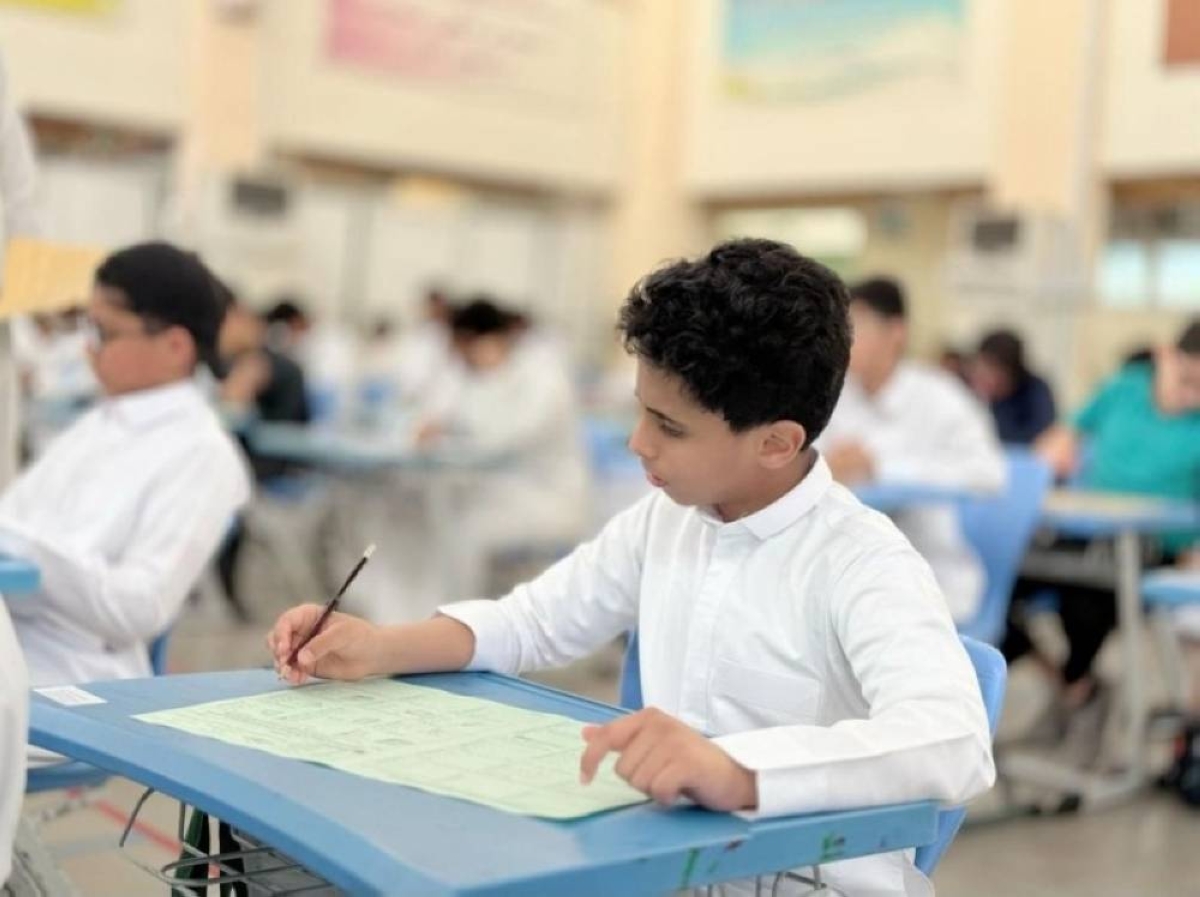
التعليم وإبداع المناهج


تابع قناة عكاظ على الواتساب
«عكاظ» (جدة) okaz_online@
In the era of the Custodian of the Two Holy Mosques, King Salman bin Abdulaziz, the educational field witnessed a qualitative change in the structure of its educational institutions and administrations after the integration of higher education and general education into one ministry. As a result, the features of change began to emerge in line with the vision and the National Transformation Program, aligning with its data to develop the educational and pedagogical process. The most prominent features of educational growth during King Salman’s reign include the adoption of a number of qualitative initiatives aimed at raising the quality level in universities, represented in three main projects: the project for developing creativity and excellence for faculty members, supporting the establishment of centers for scientific and research excellence in universities, in addition to what is allocated for them in their budgets. The third project is contributing with universities to support scientific associations.
The education policy during the era of the Custodian of the Two Holy Mosques included many main targeted axes aimed at implementing comprehensive reforms in the education system in the Kingdom, whether general or higher education, in addition to technical and vocational education, through
developing educational curricula to align with the requirements of the modern age. There is a focus on enhancing creative skills and critical thinking among students, alongside traditional core subjects, and improving the quality of education by enhancing the infrastructure of schools, developing teacher efficiency, investing in digital education, equipping schools with the necessary technological tools, and promoting e-learning and distance education.
Saudi Vision 2030 has worked to increase attention to developing education in terms of curriculum, teachers, students, teaching, and schools, striving to ensure that curricula keep pace with scientific and civilizational developments; so that students are in constant contact with any scientific and cognitive developments and any new updates. This attention is reflected in the advanced results we see today from schools in the Kingdom. The Ministry of Education has launched many developmental programs and initiatives, including the national program for identifying gifted students, the national olympiad for scientific creativity, in addition to implementing an acceleration system for transitioning through the educational ladder to a higher grade, increasing classes for gifted students, and paying attention to special education and operating new centers. Vision 2030 has aimed to make the student the center of the educational process, focusing on nurturing them scientifically, without overburdening them with tasks and duties they cannot handle, leading to an increase in educational activities within the school environment, to develop the skills of all its students to meet the demands of modern life, in addition to the specialized skills for each profession that cover all professional fields for the youth generation.
To diversify knowledge sources in preparing human resources, the "Your Job and Your Scholarship" program was introduced for scholarships to prestigious universities in several advanced countries according to new regulations by contracting with several institutions and government bodies to ensure that the scholarship recipient has a guaranteed job opportunity upon their return. Since scientific research complements educational activities and is an important pillar in universities as a foundation for development and progress in all fields of science, and as it is a means to establish optimal knowledge economy concepts, the ministry has sought to enhance the role of universities in serving scientific research by developing scientific research centers within them.
The education policy during the era of the Custodian of the Two Holy Mosques included many main targeted axes aimed at implementing comprehensive reforms in the education system in the Kingdom, whether general or higher education, in addition to technical and vocational education, through
developing educational curricula to align with the requirements of the modern age. There is a focus on enhancing creative skills and critical thinking among students, alongside traditional core subjects, and improving the quality of education by enhancing the infrastructure of schools, developing teacher efficiency, investing in digital education, equipping schools with the necessary technological tools, and promoting e-learning and distance education.
Saudi Vision 2030 has worked to increase attention to developing education in terms of curriculum, teachers, students, teaching, and schools, striving to ensure that curricula keep pace with scientific and civilizational developments; so that students are in constant contact with any scientific and cognitive developments and any new updates. This attention is reflected in the advanced results we see today from schools in the Kingdom. The Ministry of Education has launched many developmental programs and initiatives, including the national program for identifying gifted students, the national olympiad for scientific creativity, in addition to implementing an acceleration system for transitioning through the educational ladder to a higher grade, increasing classes for gifted students, and paying attention to special education and operating new centers. Vision 2030 has aimed to make the student the center of the educational process, focusing on nurturing them scientifically, without overburdening them with tasks and duties they cannot handle, leading to an increase in educational activities within the school environment, to develop the skills of all its students to meet the demands of modern life, in addition to the specialized skills for each profession that cover all professional fields for the youth generation.
To diversify knowledge sources in preparing human resources, the "Your Job and Your Scholarship" program was introduced for scholarships to prestigious universities in several advanced countries according to new regulations by contracting with several institutions and government bodies to ensure that the scholarship recipient has a guaranteed job opportunity upon their return. Since scientific research complements educational activities and is an important pillar in universities as a foundation for development and progress in all fields of science, and as it is a means to establish optimal knowledge economy concepts, the ministry has sought to enhance the role of universities in serving scientific research by developing scientific research centers within them.





