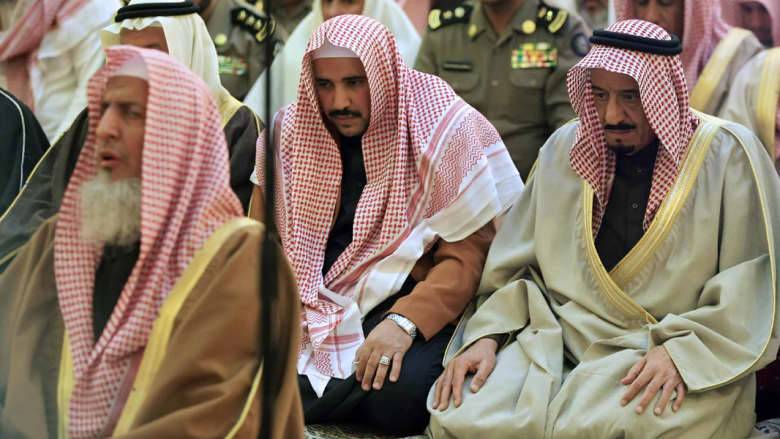
في صباحٍ مهيب، طوى الموت صفحةً من أنقى صفحات العلم والفتوى في المملكة والعالم الإسلامي. ارتقى إلى جوار ربه المفتي العام للمملكة العربية السعودية ورئيس هيئة كبار العلماء الشيخ عبدالعزيز بن عبدالله آل الشيخ، بعد مسيرة حافلة بالعطاء امتدت لما يقارب ثمانية عقود، حمل فيها همّ الدين، وأضاء للعالم طريق الهداية، وصدع بكلمة الحق من منابر العلم والفتوى.
نسب عريق وجذور في الإصلاح
ينحدر الشيخ عبدالعزيز من أسرة آل مشرف، ذات الصلة الوثيقة بالإمام محمد بن عبدالوهاب، أحد أبرز رموز الإصلاح في الجزيرة العربية. ووُلد في الرياض عام 1362هـ (1943) في بيئة علمية محضة، وكان فقدانه للبصر في سن مبكرة امتحانًا عسيرًا، لكنه حوّله إلى منحة إلهية زادت بصيرته قوة ونفاذًا، وجعلته يعيش حياة ملؤها العزم والإصرار على طلب العلم وخدمة الدين.
رحلة العلم وحفظ القرآن
حفظ القرآن الكريم وهو في الثانية عشرة، ثم واصل دراسته في معهد إمام الدعوة العلمي، قبل أن ينتقل إلى كلية الشريعة بجامعة الإمام محمد بن سعود الإسلامية، حيث تخرج عام 1383هـ. وقد نهل من معين العلماء الكبار، فتتلمذ على يد الشيخ محمد بن إبراهيم آل الشيخ، واستفاد من مجالس الإمام عبدالعزيز بن باز، كما أخذ عن الشيخ عبدالعزيز المرشد والشيخ عبدالعزيز الشثري وغيرهم، حتى غدا امتدادًا أصيلًا لمدرسة علمية راسخة.
من محراب التعليم إلى مناصب الفتوى
بدأ الشيخ مسيرته العملية مُعقِّبًا في معهد إمام الدعوة عام 1384هـ، ثم اتجه للتدريس في كلية الشريعة، حيث عُيّن أستاذًا مساعدًا ثم مشاركًا، وأسهم في تدريس أجيال متلاحقة من طلبة العلم. كما أشرف على العديد من رسائل الماجستير والدكتوراه في جامعة الإمام محمد بن سعود، وجامعة أم القرى، والمعهد العالي للقضاء.
وفي عام 1407هـ، اختير عضوًا في هيئة كبار العلماء، ثم أصبح عضوًا متفرغًا في اللجنة الدائمة للبحوث العلمية والإفتاء عام 1412هـ. وبعد أربع سنوات، صدر أمر ملكي بتعيينه نائبًا للمفتي العام بدرجة وزير، حتى كان الموعد الفاصل عام 1420هـ، حين صدر الأمر الملكي بتعيينه مفتيًا عامًا للمملكة خلفًا للشيخ ابن باز – رحمه الله.
خطيب عرفة لأربعة عقود
ارتبط اسم الشيخ عبدالعزيز آل الشيخ بموسم الحج ارتباطًا وثيقًا، فقد ألقى خطبة يوم عرفة في مسجد نمرة من عام 1402هـ وحتى 1436هـ، أي على مدى 35 عامًا متواصلة، وهو أطول سجل لخطباء عرفة في العصر الحديث. وكانت تلك الخطب محطات فاصلة يترقبها الملايين في أرجاء العالم الإسلامي، يسمعون فيها صوتًا صادقًا يدعو للتوحيد، وينهى عن الفرقة، ويوجه الأمة نحو قيم العدل والرحمة.
صوت الدعوة والإعلام
لم يكن آل الشيخ حبيس المنابر والجامعات، بل كان صوته حاضرًا في الإذاعة والتلفزيون والمحافل العلمية داخل المملكة وخارجها. وألقى محاضرات ودروسًا في شتى القضايا الشرعية، وشارك في ندوات ومؤتمرات إسلامية، فكان ممثلًا صادقًا للعلم الشرعي السعودي في المحافل العالمية.
فتاوى ومواقف خالدة
امتاز المفتي الراحل بفتاوى رصينة جمعت بين عمق الفقه ونبض الواقع. ومن أبرز مواقفه:
- التحذير من الانشغال بوسائل التواصل الاجتماعي على حساب العلم والدين.
- رفض تمثيل الصحابة في الأعمال الدرامية، صيانةً لمكانتهم.
- التأكيد على إخراج زكاة الفطر طعامًا اتباعًا للسنة.
- إصدار أحكام فقهية تخص الحج في ظل الأوبئة والظروف الصحية.
- الدعوة إلى مواجهة الظلم والعدوان، خصوصًا في خطبه عن الأزمات الإقليمية مثل الحرب في سوريا.
مؤلفات وإرث علمي
إلى جانب الفتاوى، خلّف الشيخ الراحل شروحًا علمية على كتب أساسية مثل القواعد الأربع، وكتاب التوحيد، ولمعة الاعتقاد. كما خلّد المئات من الخطب والدروس التي أصبحت مرجعًا للدارسين والباحثين، وركيزة في بناء الجيل الجديد من طلاب العلم الشرعي.
سمات شخصية وبساطة عيش
عُرف الشيخ عبدالعزيز آل الشيخ بتواضعه الجم، وقربه من الناس، وبساطته في المعيشة رغم مكانته العلمية والوظيفية. ورغم فقدان البصر، كان قوي البصيرة، نافذ الكلمة، حاضرًا في الفتوى والموعظة، يصدع بالحق دون خوف أو تردد، مما جعل محبته راسخة في قلوب الناس.
أسرة المفتي
خلّف المفتي العام أربعة أبناء: عبدالله، ومحمد، وعمر، وعبدالرحمن، وقد حرص على تربيتهم على القيم الإسلامية والاعتدال، شأنه شأن العلماء المصلحين الذين يورثون العلم والأخلاق قبل أي إرث آخر.
الوفاة ومراسم العزاء
انتقل الشيخ إلى رحمة الله صباح الثلاثاء 1 ربيع الآخر 1447هـ (23 سبتمبر 2025). وسيصلي عليه بعد صلاة العصر في جامع الإمام تركي بن عبدالله بالرياض، فيما وجّه خادم الحرمين الشريفين الملك سلمان بن عبدالعزيز – حفظه الله – بإقامة صلاة الغائب عليه في المسجد الحرام والمسجد النبوي وجميع مساجد المملكة، لتتردد أدعية الملايين في مشهد يليق بمكانة رجلٍ أفنى حياته في خدمة دينه ووطنه.
إرث خالد وذاكرة لا تمحى
برحيل سماحة المفتي، يفقد العالم الإسلامي مرجعًا علميًا فريدًا، ورجلًا قضى حياته بين المحراب والمنبر، بين الفتوى والدرس، بين القول والعمل. لكن إرثه باقٍ: فتواه في مسائل الدين، خطبته في عرفة، دروسه في التوحيد، ومواقفه في نصرة المظلومين. سيظل ذلك الإرث حيًا في ذاكرة الأمة، كمنارة تهدي الأجيال، وشاهدة على أن العلماء لا يرحلون بموت أجسادهم، بل تبقى آثارهم تنبض بالحياة.
On a majestic morning, death turned a page from the purest chapters of knowledge and fatwa in the Kingdom and the Islamic world. The Grand Mufti of the Kingdom of Saudi Arabia and Chairman of the Council of Senior Scholars, Sheikh Abdulaziz bin Abdullah Al Sheikh, ascended to be with his Lord after a fruitful journey of giving that spanned nearly eight decades, during which he carried the burden of religion, illuminated the path of guidance for the world, and proclaimed the word of truth from the pulpits of knowledge and fatwa.
Noble Lineage and Roots in Reform
Sheikh Abdulaziz hails from the Al-Musharraf family, closely linked to Imam Muhammad bin Abdul Wahhab, one of the most prominent symbols of reform in the Arabian Peninsula. He was born in Riyadh in 1362 AH (1943) in a purely scholarly environment, and his loss of sight at an early age was a difficult test, but he transformed it into a divine gift that strengthened his insight and determination, leading him to live a life filled with resolve and persistence in seeking knowledge and serving religion.
The Journey of Knowledge and Memorization of the Quran
He memorized the Holy Quran at the age of twelve, then continued his studies at the Imam Dawah Institute before moving to the Faculty of Sharia at Imam Muhammad bin Saud Islamic University, where he graduated in 1383 AH. He drank from the fountain of great scholars, studying under Sheikh Muhammad bin Ibrahim Al Sheikh, benefiting from the gatherings of Imam Abdulaziz bin Baz, as well as learning from Sheikh Abdulaziz Al Murshid, Sheikh Abdulaziz Al Shathri, and others, until he became a true extension of a solid scientific school.
From the Pulpit of Education to Positions of Fatwa
Sheikh Abdulaziz began his practical journey as a follower at the Imam Dawah Institute in 1384 AH, then moved to teaching at the Faculty of Sharia, where he was appointed as an assistant professor and then an associate professor, contributing to the education of successive generations of students of knowledge. He also supervised numerous master's and doctoral theses at Imam Muhammad bin Saud University, Umm Al-Qura University, and the Higher Judicial Institute.
In 1407 AH, he was chosen as a member of the Council of Senior Scholars, and then became a full-time member of the Permanent Committee for Scientific Research and Ifta in 1412 AH. After four years, a royal decree was issued appointing him as Deputy Grand Mufti with the rank of Minister, until the pivotal moment in 1420 AH, when a royal order was issued appointing him as the Grand Mufti of the Kingdom, succeeding Sheikh Ibn Baz – may Allah have mercy on him.
Khateeb of Arafat for Four Decades
Sheikh Abdulaziz Al Sheikh's name has been closely associated with the Hajj season, as he delivered the sermon on the Day of Arafah at Namirah Mosque from 1402 AH to 1436 AH, for a continuous period of 35 years, making it the longest record for Khateebs of Arafat in modern times. These sermons were pivotal moments awaited by millions around the Islamic world, where they heard a sincere voice calling for monotheism, denouncing division, and guiding the nation towards values of justice and mercy.
The Voice of Da'wah and Media
Al Sheikh was not confined to pulpits and universities; his voice was present in radio, television, and scientific forums both inside and outside the Kingdom. He delivered lectures and lessons on various legal issues and participated in Islamic seminars and conferences, being a true representative of Saudi religious scholarship in global forums.
Timeless Fatwas and Stances
The late Mufti was distinguished by sound fatwas that combined deep jurisprudence with the pulse of reality. Among his most notable stances:
- Warning against being preoccupied with social media at the expense of knowledge and religion.
- Rejecting the representation of the companions in dramatic works, preserving their status.
- Emphasizing the importance of giving Zakat al-Fitr in the form of food in accordance with the Sunnah.
- Issuing legal rulings concerning Hajj in light of epidemics and health conditions.
- Calling for confronting oppression and aggression, especially in his sermons about regional crises like the war in Syria.
Writings and Scientific Legacy
In addition to his fatwas, the late Sheikh left behind scholarly commentaries on essential books such as the Four Principles, the Book of Monotheism, and Lum'at al-I'tiqad. He also immortalized hundreds of sermons and lessons that became references for students and researchers, serving as a cornerstone in building the new generation of students of religious knowledge.
Personal Traits and Simplicity of Life
Sheikh Abdulaziz Al Sheikh was known for his immense humility, closeness to people, and simplicity in living despite his scholarly and official status. Despite his loss of sight, he had strong insight, a powerful voice, and was present in fatwa and sermons, proclaiming the truth without fear or hesitation, which made his love firmly rooted in the hearts of people.
The Mufti's Family
The Grand Mufti left behind four sons: Abdullah, Muhammad, Omar, and Abdulrahman, and he was keen to raise them on Islamic values and moderation, like the reformist scholars who bequeath knowledge and morals before any other inheritance.
Death and Condolences
Sheikh passed away to the mercy of Allah on the morning of Tuesday, 1 Rabi' al-Thani 1447 AH (September 23, 2025). He will be prayed upon after the Asr prayer at Imam Turki bin Abdullah Mosque in Riyadh, while the Custodian of the Two Holy Mosques, King Salman bin Abdulaziz – may Allah preserve him – directed that a funeral prayer be held for him in the Grand Mosque and the Prophet's Mosque and all mosques in the Kingdom, so that the prayers of millions resonate in a scene befitting the status of a man who devoted his life to serving his religion and his country.
A Lasting Legacy and Indelible Memory
With the passing of the esteemed Mufti, the Islamic world loses a unique scholarly reference and a man who spent his life between the pulpit and the minbar, between fatwa and lesson, between word and deed. But his legacy remains: his fatwas on religious matters, his sermon on Arafah, his lessons on monotheism, and his stances in support of the oppressed. This legacy will remain alive in the memory of the nation, as a beacon guiding generations, and a testament that scholars do not depart with the death of their bodies, but their impacts continue to pulse with life.