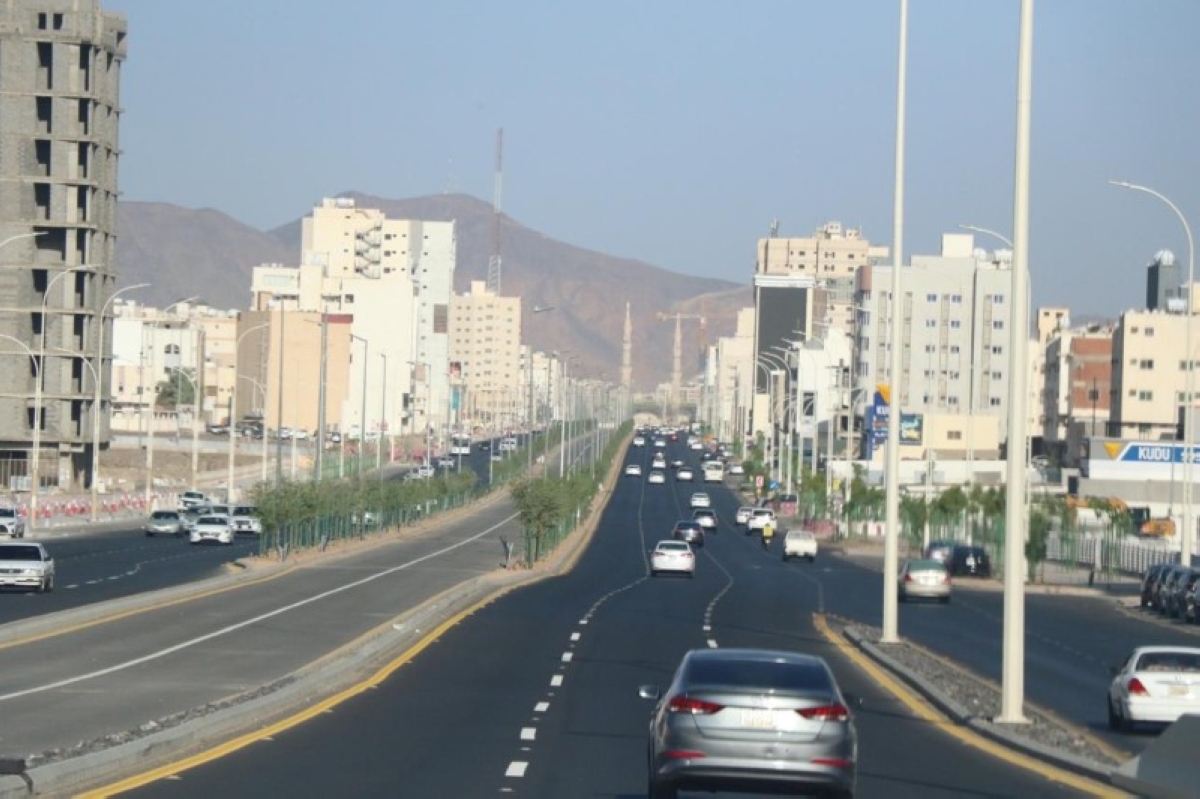
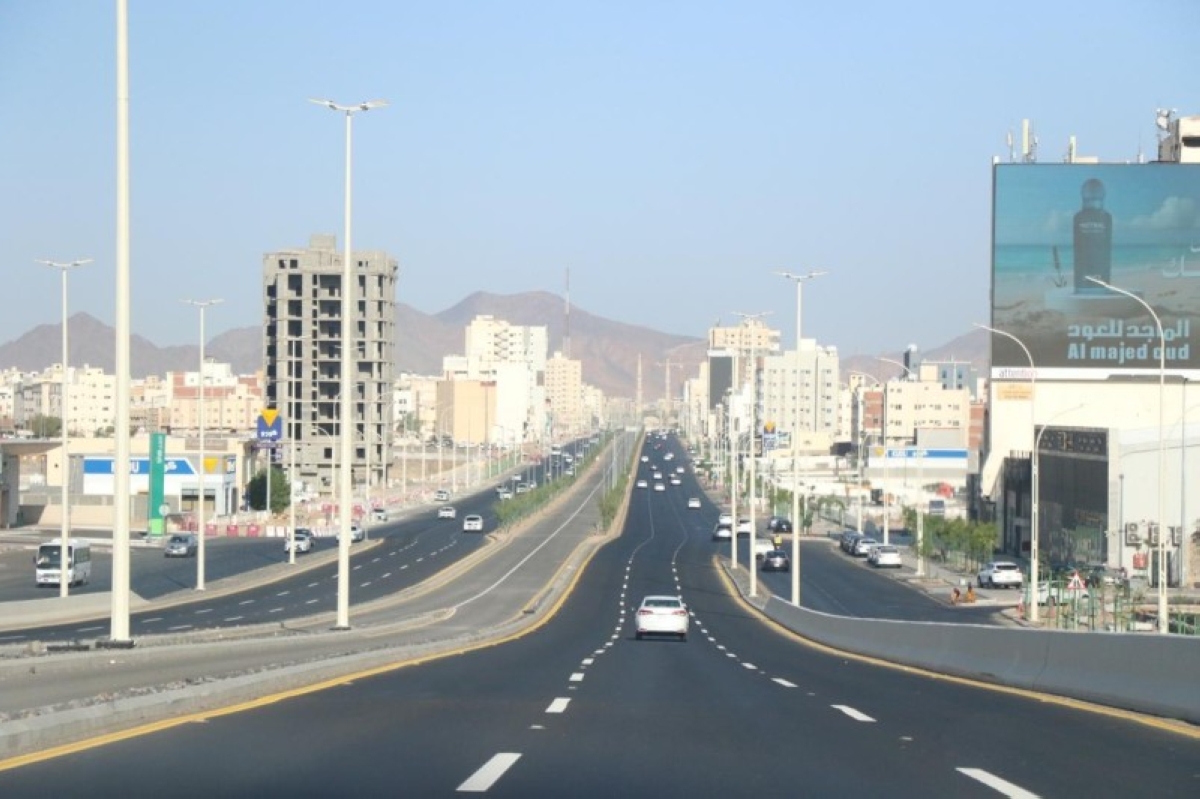
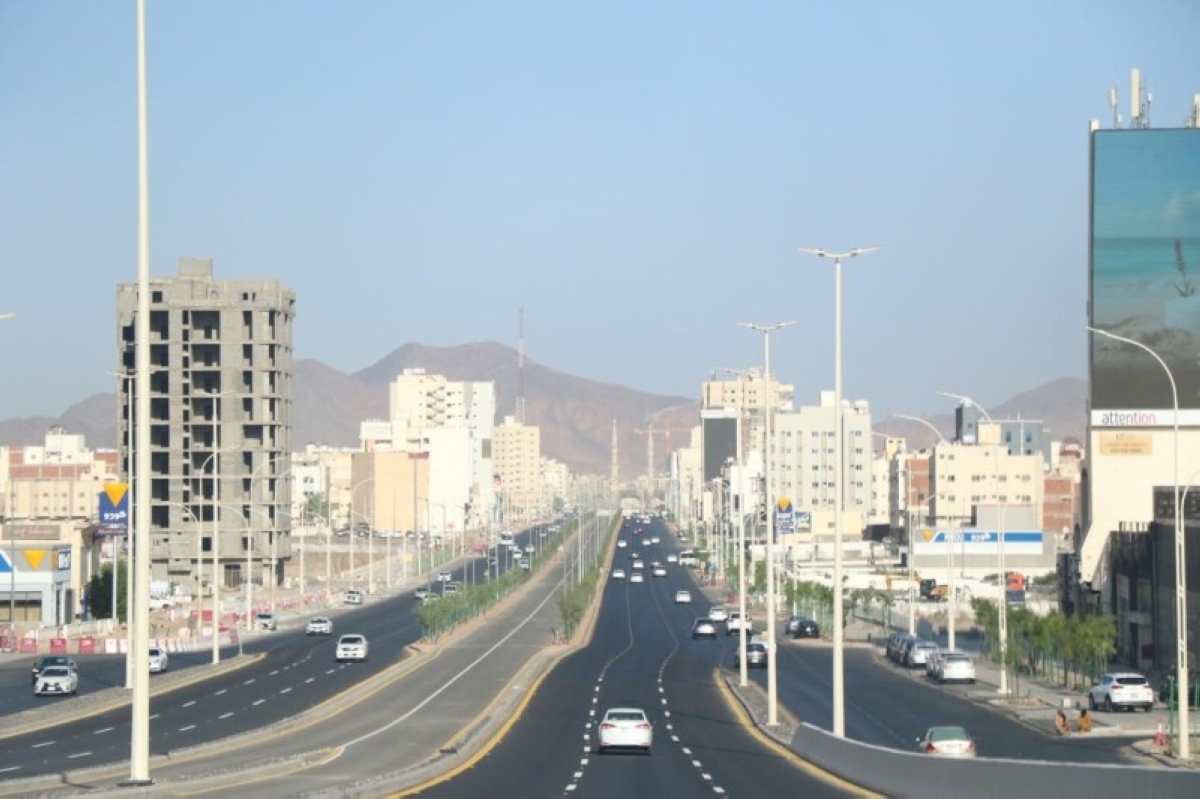
يشاهد الزائر عند الخروج من مطار الأمير محمد بن عبدالعزيز الدولي بالمدينة المنورة طريقا يربط جماليات المشهد الحضاري لمدينة المصطفى عليه الصلاة والسلام، بداية من المطار الذي تشكل صورته أنموذجا للنخيل التي اشتهرت بها المدينة المنورة، مرورا بمشروع رؤى المدينة الذي يُعدّ أكبر مشروع ضيافة في العالم، وصولا إلى المسجد النبوي، ذلك هو الطريق الذي وجَّه خادم الحرمين الشريفين الملك سلمان بن عبدالعزيز بإطلاق اسم «الأمير محمد بن سلمان بن عبدالعزيز» عليه. ويعد الطريق محورا إستراتيجيا في المدينة المنورة، إذ يمتد مسافة 13 كيلومترا، ويتقاطع مع أهم الطرق الرئيسية، وهي: طريق الملك فيصل بن عبدالعزيز (الدائري الأول)، وطريق الملك عبداللّه بن عبدالعزيز (الدائري الثاني)، وطريق الملك خالد بن عبدالعزيز (الدائري الثالث)، كما يُقام على امتداد «طريق الأمير محمد بن سلمان» عدد من المشاريع التطويرية التي تنفذها أمانة منطقة المدينة المنورة، وهيئة تطوير المنطقة، أبرزها «أنسنة المدينة» لتطوير مسارات المركبات والمشاة، وواجهات المباني، ضمن الموجهات التصميمية لخريطة العِمارَة السعودية في إطار تعزيز جودة الحياة، وتطوير المشهد الحضري، إلى جانب مشروع التأهيل البيئي لوادي قناة، أحد أهم الأودية التاريخية.
وتُعدّ «أنسنة المدينة المنورة» برنامجا تنمويا شاملا يهدف إلى تعزيز البُعد الإنساني في التطور العمراني، وجعل المدينة بيئة أكثر ملاءمة للعيش، بما يتماشى مع رؤية المملكة 2030. يركّز البرنامج على تحسين جودة الحياة للسكان والزوار من خلال مجموعة من المبادرات والمشاريع.
ويأتي البرنامج على عدة محاور أساسية لتقديم تجربة فريدة، وهي:
• البيئة الخضراء والجمالية
يُعزّز البرنامج المساحات الخضراء والحدائق والمناطق المفتوحة، مع التركيز على التشجير لتقليل درجات الحرارة وتحسين جودة الهواء. من الأمثلة البارزة على ذلك، مشروع «جادة قباء» الذي حوّل الشارع إلى مسار مخصص للمشاة يربط بين المسجد النبوي ومسجد قباء، مما يسهّل حركة الزوار ويعزز الجانب الجمالي للمنطقة.
• التراث والهوية البصرية
يهدف البرنامج إلى الحفاظ على الهوية العمرانية للمدينة المنورة وإبرازها، من خلال تحسين المشهد البصري وتطوير الأحياء التاريخية، مما يُسهم في تعزيز ارتباط السكان والزوار بتراث المدينة الغني.
• النقل الحضري والمشي
تُركّز المبادرات على تحسين شبكة النقل الحضري وتوفير مسارات آمنة للمشاة والدراجات، مما يشجع على استخدام وسائل النقل الصديقة للبيئة ويُقلّل من الاعتماد على السيارات.
• الاستدامة البيئية
يُطبّق البرنامج مبادئ الاستدامة في جميع المشاريع، مثل استخدام المياه المعالجة للري، وإعادة تدوير النفايات، مما يضمن الحفاظ على الموارد الطبيعية وتقليل الأثر البيئي للتطور العمراني.
As visitors exit Prince Mohammed bin Abdulaziz International Airport in Medina, they see a road that connects the aesthetic beauty of the urban scene of the city of the Prophet Muhammad, peace be upon him. Starting from the airport, whose design is a model of the palm trees for which Medina is famous, passing through the Vision of Medina project, which is considered the largest hospitality project in the world, and reaching the Prophet's Mosque, this is the road that the Custodian of the Two Holy Mosques, King Salman bin Abdulaziz, directed to be named "Prince Mohammed bin Salman bin Abdulaziz." The road is a strategic axis in Medina, extending for a distance of 13 kilometers, intersecting with the most important main roads, which are: King Faisal bin Abdulaziz Road (the first ring road), King Abdullah bin Abdulaziz Road (the second ring road), and King Khalid bin Abdulaziz Road (the third ring road). Additionally, a number of developmental projects are being implemented along "Prince Mohammed bin Salman Road" by the Medina Region Municipality and the Region Development Authority, the most prominent of which is "Humanizing the City" to develop vehicle and pedestrian pathways and building facades, within the design guidelines of the Saudi construction map aimed at enhancing quality of life and developing the urban scene, alongside the environmental rehabilitation project for Wadi Qana, one of the most important historical valleys.
"Humanizing Medina" is a comprehensive developmental program aimed at enhancing the human dimension in urban development and making the city a more livable environment, in line with the Kingdom's Vision 2030. The program focuses on improving the quality of life for residents and visitors through a range of initiatives and projects.
The program comes on several key axes to provide a unique experience, which are:
• Green and Aesthetic Environment
The program enhances green spaces, gardens, and open areas, focusing on afforestation to reduce temperatures and improve air quality. A prominent example of this is the "Quba Avenue" project, which transformed the street into a pedestrian pathway connecting the Prophet's Mosque to Quba Mosque, facilitating visitor movement and enhancing the aesthetic aspect of the area.
• Heritage and Visual Identity
The program aims to preserve and highlight the architectural identity of Medina by improving the visual landscape and developing historical neighborhoods, contributing to strengthening the connection of residents and visitors to the city's rich heritage.
• Urban Transport and Walking
The initiatives focus on improving the urban transport network and providing safe pathways for pedestrians and cyclists, encouraging the use of environmentally friendly transportation and reducing reliance on cars.
• Environmental Sustainability
The program applies sustainability principles in all projects, such as using treated water for irrigation and recycling waste, ensuring the preservation of natural resources and reducing the environmental impact of urban development.