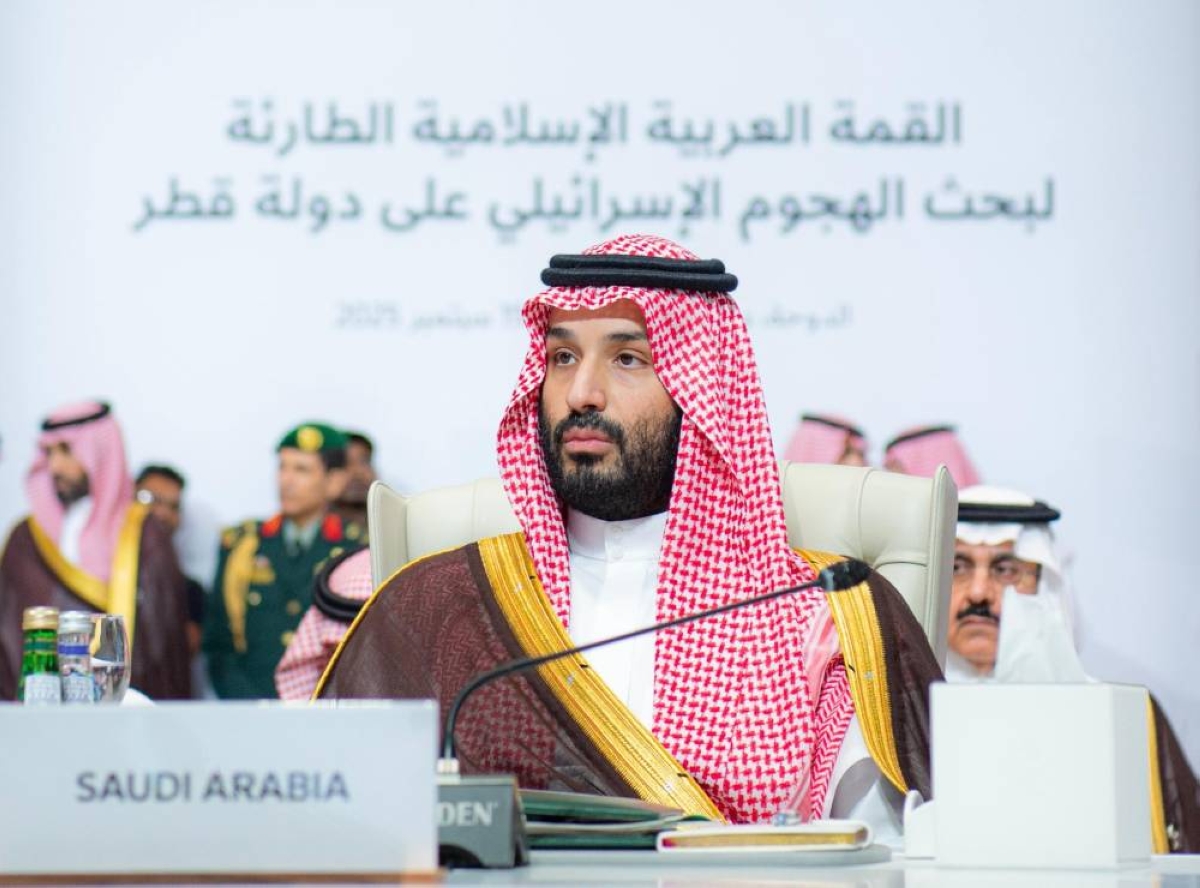
في زمنٍ يضطرب النظام الدولي وتتعدد بؤر الصراع، يطل ولي العهد رئيس مجلس الوزراء الأمير محمد بن سلمان بوصفه فاعلا محوريا في هندسة القرار العربي والإسلامي، حضوره في القمة الخليجية - العربية - الإسلامية الطارئة في الدوحة تجسيد لنهج سعودي يربط بين القوة الصلبة المتمثلة في الردع العسكري، والقوة الناعمة المتمثلة في بناء التحالفات السياسية والدبلوماسية.
فالموقف السعودي ارتكز على مفهوم الأمن الجماعي، إذ لم يعد أمن أي دولة شأنا داخليا، بل قضية مشتركة تستوجب تضامنا يتجاوز الانقسامات، ومن خلال الدفع نحو صياغة موقف موحّد، رسّخ الأمير محمد مبدأ أن الخليج والعالمين العربي والإسلامي يشكّلون كتلة إستراتيجية واحدة في مواجهة التهديدات العابرة للحدود.
مواجهة العدوان
العدوان الإسرائيلي على قطر أفرز معادلة جديدة في الإقليم، فجاءت القيادة السعودية لتؤكد أن الرد لن يكون انفعاليا أو ظرفيا، بل ضمن إطار منظومة ردع متدرج: دبلوماسية ضاغطة، تنسيق عسكري خليجي، وبناء تحالفات إسلامية ودولية تحمي الشرعية والسيادة. هذه الإستراتيجية تتسق مع المدرسة الواقعية في العلاقات الدولية التي ترى أن التحالفات الإقليمية هي صمام الأمان أمام الأطماع الخارجية.
السعودية قوة محورية
بجانب حضورها في القمم، نسجت المملكة عبر ولي العهد شبكة لقاءات ثنائية مع قادة المنطقة (من تركيا وإيران والعراق إلى الأردن وباكستان وسورية)، وهو ما يعكس إدراكا عميقا لأهمية الدبلوماسية متعددة المسارات. هذا الحراك يثبت أن السعودية لا تتحرك كرد فعل، بل كقوة مبادِرة تعيد صياغة موازين القوى وتضبط إيقاع النظام الإقليمي.
قائد الشرق وصوت العالم الإسلامي
لقب «قائد الشرق» لا يُختزل في بعده الرمزي، بل يتجسد في قدرة الأمير على الجمع بين التأثير الاقتصادي عبر سياسات الطاقة والاستثمار، والتأثير السياسي عبر توحيد المواقف، والتأثير الأمني عبر دعم قدرات الردع الجماعي. وفي عالمٍ يبحث عن أقطاب إقليمية مستقلة، تقدم السعودية بقيادة محمد بن سلمان نفسها كقائدٍ للعالمين العربي والإسلامي، وكصوتٍ يوازن بين العقلانية السياسية وصلابة القرار.
قراءة الحضور السعودي في قمة الدوحة الطارئة تكشف عن تحول نوعي في مفهوم القيادة الإقليمية: لم تعد المملكة متلقية للتفاعلات الدولية، بل أصبحت مُصدّرة للقرار، ومُشكّلة للتحالفات، ومُحركة للصفوف العربية والإسلامية، هي دبلوماسية بلغة الأفعال لا الأقوال، يقودها قائد الشرق الذي يُعيد رسم ملامح السياسة الإقليمية في زمن التحديات الكبرى.
In a time when the international system is in turmoil and conflict zones are multiplying, Crown Prince and Prime Minister Mohammed bin Salman emerges as a pivotal actor in shaping Arab and Islamic decisions. His presence at the emergency Gulf-Arab-Islamic summit in Doha embodies a Saudi approach that links hard power, represented by military deterrence, with soft power, represented by building political and diplomatic alliances.
The Saudi position is based on the concept of collective security, as the security of any state is no longer an internal matter, but a shared issue that requires solidarity beyond divisions. By pushing for a unified stance, Prince Mohammed has established the principle that the Gulf and the Arab and Islamic worlds form a single strategic bloc in facing cross-border threats.
Confronting Aggression
The Israeli aggression against Qatar has produced a new equation in the region, prompting Saudi leadership to affirm that the response will not be reactive or circumstantial, but rather within the framework of a graduated deterrence system: pressing diplomacy, Gulf military coordination, and building Islamic and international alliances to protect legitimacy and sovereignty. This strategy aligns with the realist school in international relations, which sees regional alliances as a safeguard against external ambitions.
Saudi Arabia as a Pivotal Power
Apart from its presence at summits, the Kingdom, through the Crown Prince, has woven a network of bilateral meetings with regional leaders (from Turkey and Iran to Iraq, Jordan, Pakistan, and Syria), reflecting a deep understanding of the importance of multi-track diplomacy. This movement proves that Saudi Arabia does not act merely as a reaction, but as a proactive force reshaping the balance of power and regulating the rhythm of the regional system.
Leader of the East and Voice of the Islamic World
The title "Leader of the East" is not limited to its symbolic dimension; it is embodied in the Crown Prince's ability to combine economic influence through energy and investment policies, political influence through unifying stances, and security influence through supporting collective deterrence capabilities. In a world searching for independent regional poles, Saudi Arabia, under the leadership of Mohammed bin Salman, presents itself as a leader of the Arab and Islamic worlds and as a voice that balances political rationality with decisiveness.
An analysis of the Saudi presence at the emergency summit in Doha reveals a qualitative shift in the concept of regional leadership: the Kingdom is no longer a passive recipient of international interactions, but has become a decision-maker, a shaper of alliances, and a mobilizer of Arab and Islamic ranks. It is diplomacy in the language of actions, not words, led by the Leader of the East who is redrawing the contours of regional politics in times of major challenges.