«عجوة المدينة» ليست مجرد تمرة، فهي جزء لا يتجزأ من تراث المدينة المنورة، إذ تجمع بين القيمة الغذائية العالية والفوائد الصحية، فضلاً عن مكانتها الروحية التي تجعلها محط اهتمام الملايين حول العالم.
وفي أول مزاد خيري للتمور، اشترى أمير منطقة المدينة المنورة الأمير سلمان بن سلطان عجوة المدينة بـ 20 ألف ريال؛ دعماً للأعمال الخيرية والمزارعين وتمور المدينة المنورة. جاء ذلك، خلال رعايته فعاليات ملتقى «ذات نخل» للتمور الفاخرة، الذي يجمع الخبراء والمختصين والمزارعين والمنتجين؛ لتبادل الخبرات واستعراض أحدث التقنيات والابتكارات في قطاع التمور.
وأكد أمير المدينة، أن قطاع النخيل والتمور يُعَدّ أحد المرتكزات الإستراتيجية للاقتصاد الوطني، لما يحظى به من دعمٍ ورعايةٍ من القيادة، موضحاً أن الاهتمام أسهم في تعزيز تنافسية التمور ورفع حضورها في الأسواق العالمية، فضلاً عن دورها المحوري في الاقتصاد المحلي، وكان أمير المدينة دشن سوق المدينة المركزي للتمور في مدينة الغذاء.
وتعتبر «عجوة المدينة» من أشهر وأفخر أنواع التمور في العالم، وتتميز بمكانة خاصة في قلوب المسلمين؛ لارتباطها الوثيق بالسيرة النبوية، إذ ذكرت في العديد من الأحاديث النبوية الشريفة.
وترجع زراعة عجوة المدينة إلى عهد الرسول صلى الله عليه وسلم، وتوارثتها الأجيال حتى يومنا، ويُعتقد أن نخلة العجوة كانت من أولى أنواع النخيل التي زُرعت في المدينة المنورة، وتتميز بمذاقها الغني وقوامها الناعم، وهي مصدر طبيعي غني بالسكريات الأحادية مثل الجلوكوز والفركتوز، ما يجعلها مصدراً ممتازاً للطاقة السريعة. كما تحتوي على مجموعة من الفيتامينات والمعادن الضرورية مثل البوتاسيوم. وتُزرع العجوة بشكل أساسي في منطقة المدينة المنورة، تحديداً في المناطق القريبة من المسجد النبوي الشريف مثل منطقة العالية.
وتُصنف تمور العجوة إلى درجات متفاوتة بناءً على الحجم والجودة، ويزداد الطلب على تمر العجوة خصوصاً في المواسم ورمضان والحج، إذ يحرص الزوار على شرائها هدايا تذكارية.
سلمان بن سلطان اشترى بـ 20 ألفاً في أول المزاد..
«عجوة المدينة».. ليست مجرد «تمرة» هي محط أنظار الملايين
11 سبتمبر 2025 - 02:50
|
آخر تحديث 11 سبتمبر 2025 - 02:50
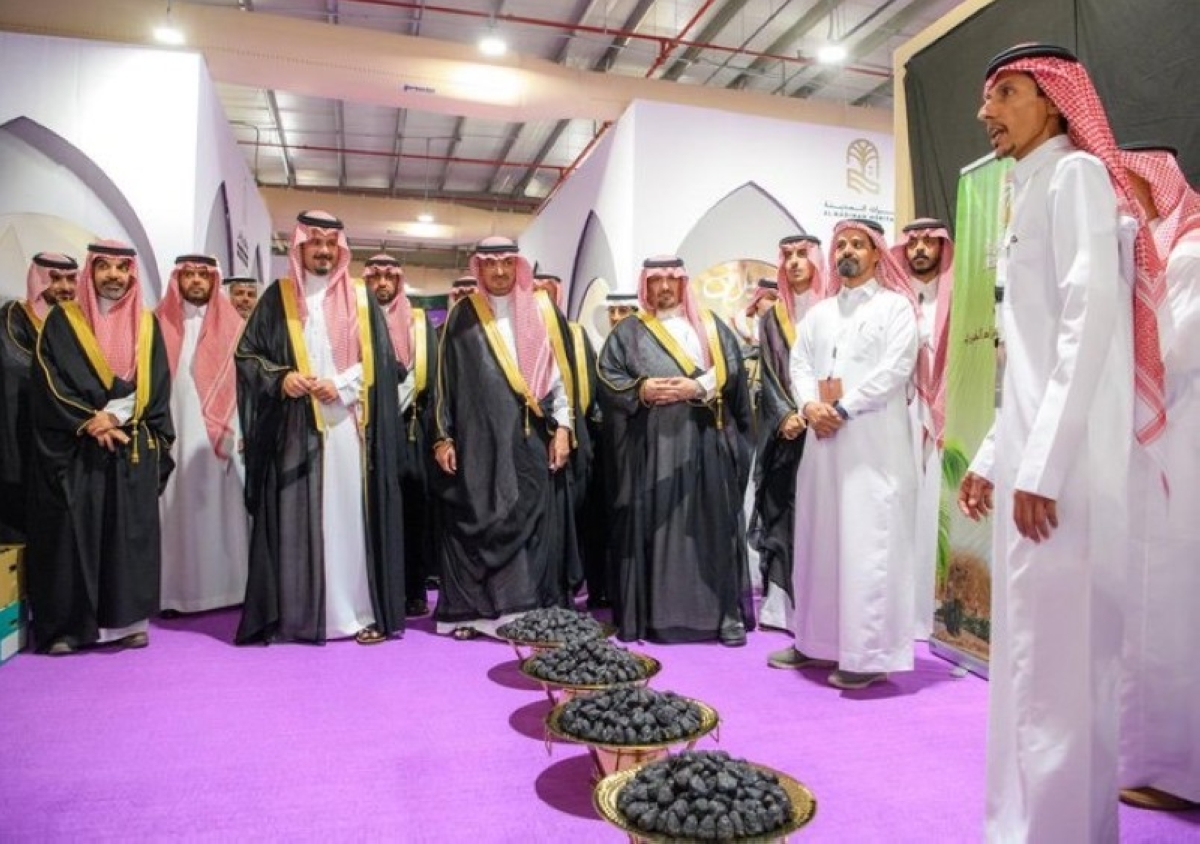
أمير منطقة المدينة المنورة يشهد المزاد الخيري للتمور. (واس)


تابع قناة عكاظ على الواتساب
سامي المغامسي (المدينة المنورة) sami4086@
"Ajwa dates" are not just any dates; they are an integral part of the heritage of Medina. They combine high nutritional value and health benefits, along with their spiritual significance that makes them a focal point of interest for millions around the world.
In the first charity auction for dates, the Prince of Medina, Prince Salman bin Sultan, purchased Ajwa dates for 20,000 riyals in support of charitable works, farmers, and the dates of Medina. This occurred during his sponsorship of the "Thaat Nakhl" forum for premium dates, which brings together experts, specialists, farmers, and producers to exchange experiences and showcase the latest technologies and innovations in the date sector.
The Prince of Medina confirmed that the palm and date sector is considered one of the strategic pillars of the national economy, due to the support and care it receives from the leadership. He explained that this attention has contributed to enhancing the competitiveness of dates and increasing their presence in global markets, in addition to their pivotal role in the local economy. The Prince also inaugurated the central date market in the City of Food.
Ajwa dates are among the most famous and prestigious types of dates in the world, holding a special place in the hearts of Muslims due to their close association with the prophetic biography, as they are mentioned in many noble hadiths.
The cultivation of Ajwa dates dates back to the time of the Prophet Muhammad (peace be upon him), and it has been passed down through generations to this day. It is believed that the Ajwa palm was one of the first types of palms planted in Medina, known for its rich taste and soft texture. They are a natural source rich in simple sugars like glucose and fructose, making them an excellent source of quick energy. They also contain a range of essential vitamins and minerals such as potassium. Ajwa dates are primarily grown in the Medina region, specifically in areas close to the Prophet's Mosque, such as the Al-Aaliyah area.
Ajwa dates are classified into varying grades based on size and quality, with demand for Ajwa dates increasing especially during seasons, Ramadan, and Hajj, as visitors are keen to purchase them as souvenir gifts.
In the first charity auction for dates, the Prince of Medina, Prince Salman bin Sultan, purchased Ajwa dates for 20,000 riyals in support of charitable works, farmers, and the dates of Medina. This occurred during his sponsorship of the "Thaat Nakhl" forum for premium dates, which brings together experts, specialists, farmers, and producers to exchange experiences and showcase the latest technologies and innovations in the date sector.
The Prince of Medina confirmed that the palm and date sector is considered one of the strategic pillars of the national economy, due to the support and care it receives from the leadership. He explained that this attention has contributed to enhancing the competitiveness of dates and increasing their presence in global markets, in addition to their pivotal role in the local economy. The Prince also inaugurated the central date market in the City of Food.
Ajwa dates are among the most famous and prestigious types of dates in the world, holding a special place in the hearts of Muslims due to their close association with the prophetic biography, as they are mentioned in many noble hadiths.
The cultivation of Ajwa dates dates back to the time of the Prophet Muhammad (peace be upon him), and it has been passed down through generations to this day. It is believed that the Ajwa palm was one of the first types of palms planted in Medina, known for its rich taste and soft texture. They are a natural source rich in simple sugars like glucose and fructose, making them an excellent source of quick energy. They also contain a range of essential vitamins and minerals such as potassium. Ajwa dates are primarily grown in the Medina region, specifically in areas close to the Prophet's Mosque, such as the Al-Aaliyah area.
Ajwa dates are classified into varying grades based on size and quality, with demand for Ajwa dates increasing especially during seasons, Ramadan, and Hajj, as visitors are keen to purchase them as souvenir gifts.