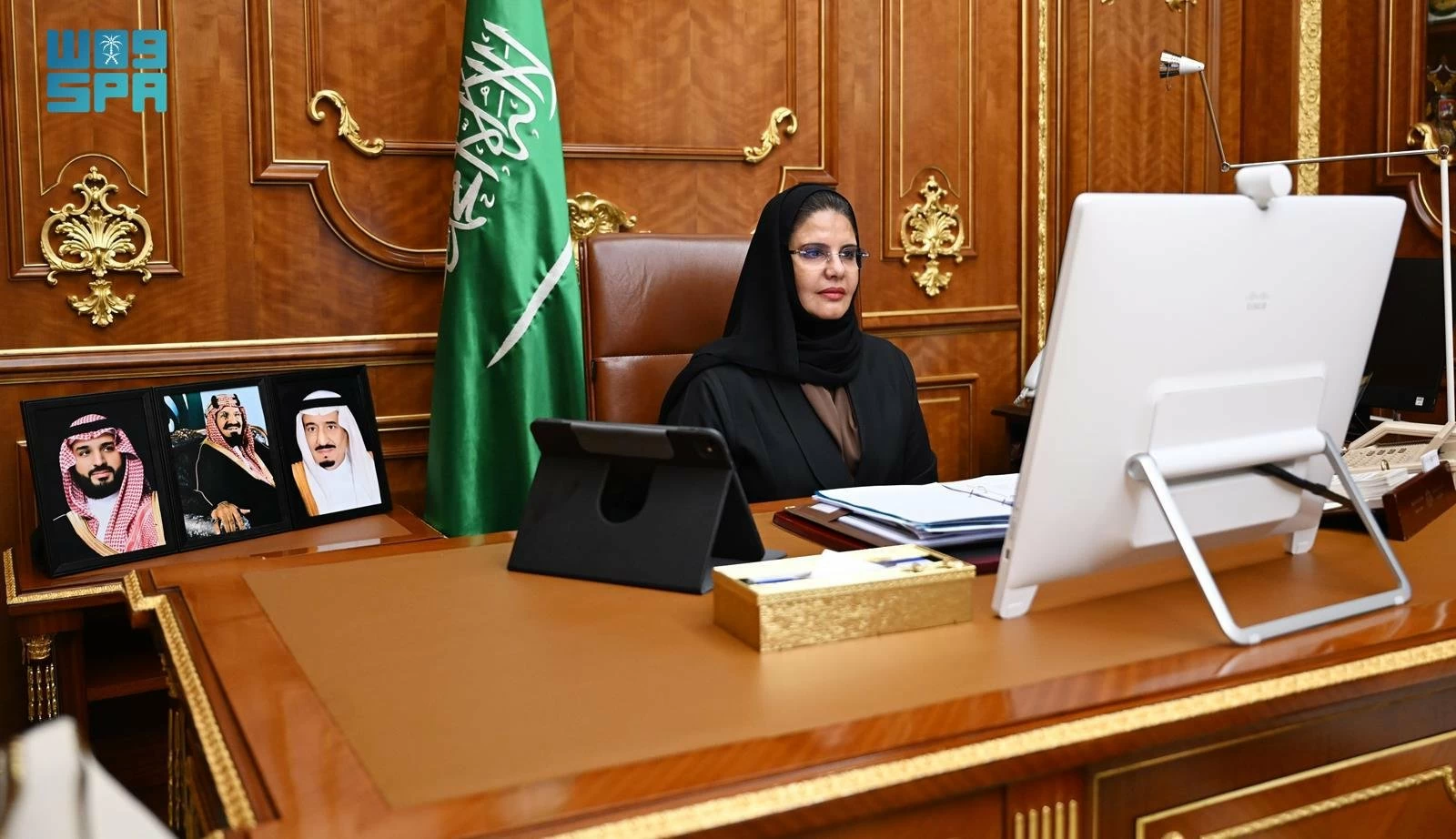
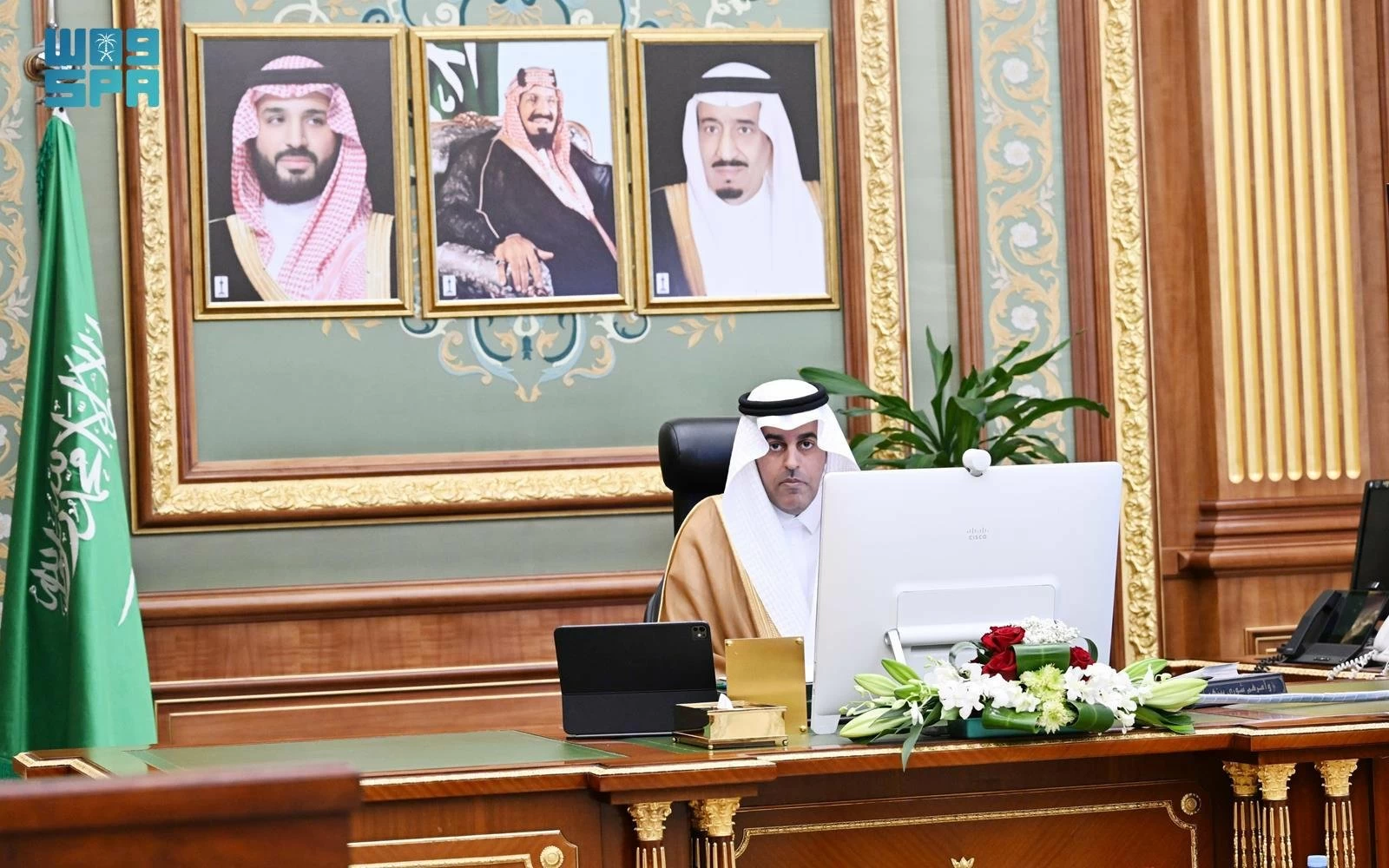
عقد مجلس الشورى اليوم جلسته العادية الثلاثين من أعمال السنة الثانية للدورة التاسعة -عبر الاتصال المرئي- برئاسة نائب رئيس المجلس الدكتور مشعل بن فهم السُّلمي.
واستعرض المجلس في مستهل الجلسة جدول أعمال جلسته العادية الثلاثين، وما جاء فيه من بنود متخذًا قراراته اللازمة بشأنها.
وأصدر المجلس قرارًا بشأن ما تضمنه التقرير السنوي لوزارة الإعلام للعام المالي 1446 /1447هـ، دعا فيه وزارة الإعلام إلى التنسيق مع الجهات ذات العلاقة لدراسة بناء إطار لقياس مؤشر القوة الناعمة كأداة إستراتيجية؛ لتعزيز وترسيخ الصورة الإيجابية للمملكة في الخارج.
واتخذ المجلس قراره بعد أن استمع إلى وجهة نظر لجنة الإعلام، التي تلاها معالي عضو المجلس نائب رئيس اللجنة عبدالله الحسين، بشأن ملحوظات الأعضاء وآرائهم التي أبدوها في جلسة سابقة تجاه ما تضمنه التقرير السنوي لوزارة الإعلام.
ودعا المجلس في قراره الوزارة إلى التنسيق مع وزارة الثقافة للعمل على رسم الأُطر التنظيمية لتحديد نطاق الاختصاصات والصلاحيات المرتبطة بالمدن الإعلامية المتخصصة؛ بما يضمن عدم ازدواجية المهمات أو تداخل الصلاحيات، ويحقق أقصى درجات التكامل المؤسسي في إدارة وتطوير هذه القطاعات الحيوية.
وأكد المجلس في قراره بأن على الوزارة ممارسة دورها الإستراتيجي بالإشراف على توحيد جهود الأكاديميات الإعلامية المختلفة؛ لصياغة معايير تأهيلية وتدريبية تضمن جودة المخرجات الإعلامية.
وأصدر المجلس قرارًا آخر خلال هذه الجلسة طالب فيه المركز الوطني لكفاءة وترشيد المياه التنسيق مع الجهات ذات العلاقة؛ لدراسة توفير مياه غير مخصصة للشرب؛ لري الحدائق والأشجار المنزلية.
واتخذ المجلس قراره بعد أن استمع إلى وجهة نظر لجنة المياه والزراعة والبيئة، التي تلاها عضو المجلس رئيس اللجنة الدكتور خالد زبير، بشأن ملحوظات الأعضاء وآرائهم التي أبدوها في جلسة سابقة تجاه ما تضمنه التقرير السنوي للمركز الوطني لكفاءة وترشيد المياه للعام المالي 1446 /1447هـ.
ودعا المجلس في قراره المركز إلى التنسيق مع الجهات المعنية؛ لاعتماد آلية ملائمة تمكّن الجهات الحكومية من ترشيد المياه واستخدامها بكفاءة.
وأصدر المجلس قرارًا آخر خلال هذه الجلسة بشأن ما تضمنه التقرير السنوي لمركز الإسناد والتصفية «إسناد» للعام المالي 1446 /1447هـ، طالب فيه المركز بإعداد تصنيف سنوي لمزودي الخدمة الأعلى أداءً وفق مؤشرات موضوعية ومعايير معلنة؛ لرفع كفاءة أعماله.
واتخذ المجلس قراره بعد أن استمع إلى وجهة نظر لجنة الشؤون الإسلامية والقضائية، التي تلاها عضو المجلس رئيس اللجنة الدكتور عاصم مدخلي، بشأن ملحوظات الأعضاء وآرائهم التي أبدوها في جلسة سابقة تجاه ما تضمنه التقرير السنوي لمركز الإسناد والتصفية.
ودعا المجلس في قراره المركز إلى التنسيق مع الجهات ذات العلاقة للعمل على إيجاد حلول مبتكرة؛ لتحقيق مستهدفات مبادراته.
إلى ذلك ناقش المجلس خلال هذه الجلسة التقرير السنوي للهيئة السعودية للبيانات والذكاء الاصطناعي للعام المالي 1446/1447هـ، وذلك بعد أن استمع إلى تقرير تقدمت به لجنة النقل والاتصالات وتقنية المعلومات، تلاه عضو المجلس رئيس اللجنة الدكتور عيسى العتيبي بشأن ما تضمنه التقرير السنوي للهيئة.
وبعد طرح تقرير اللجنة للنقاش أبدى أعضاء المجلس عددًا من الملحوظات والآراء بشأن ما تضمنه التقرير السنوي للهيئة السعودية للبيانات والذكاء الاصطناعي، حيث طالب عضو مجلس الشورى الدكتور مصلح الحارثي الهيئة، بالتنسيق مع الجهات ذات العلاقة، لبناء مؤشر وطني لقياس مساهمة تقنيات الذكاء الاصطناعي في الناتج المحلي، ونشره بشكل دوري وفق منهجية واضحة ومعلنة.
من جهته اقترح عضو مجلس الشورى الدكتور ناصر طيران على الهيئة دراسة إطلاق مبادرة وطنية شاملة لحوكمة ومعالجة فجوات جودة البيانات وتكاملها بين الجهات، بالشراكة مع الجهات الحكومية ذات العلاقة، بما يعزز موثوقية البيانات، ويرفع كفاءة تبادلها وتكاملها، ويدعم صناعة القرار وتحسين كفاءة الخدمات.
وفي مداخلة له على التقرير أشاد الأمير الدكتور سعد بن سعود بن محمد عضو مجلس الشورى بالجهود المقدمة من الهيئة السعودية للبيانات والذكاء الاصطناعي مشيرًا إلى أهمية تقليص إطلاق المنصات الرقمية الحكومية ودمج ما يمكن منها، لما لكثرتها من تأثير يؤدي إلى الالتباس والتشتيت الذي قد يحدث ارتباكًا لدى المستفيدين.
وفي نهاية المناقشة طلبت اللجنة منحها مزيدًا من الوقت لدراسة ما طرحه الأعضاء من آراء ومقترحات والعودة بوجهة نظرها إلى المجلس في جلسة لاحقة.
وناقش المجلس خلال الجلسة التقرير السنوي لمركز الإقامة المميزة للعام المالي 1446 /1447هـ, وذلك بعد أن استمع إلى تقرير تقدمت به لجنة التجارة والاستثمار، تلاه عضو المجلس نائب رئيس اللجنة ثامر نصيف، بشأن ما تضمنه التقرير السنوي للمركز.
وبعد طرح تقرير اللجنة للنقاش أبدى أعضاء المجلس عددًا من الملحوظات والآراء بشأن ما تضمنه التقرير السنوي لمركز الإقامة المميزة، حيث طالبت عضو مجلس الشورى الدكتورة سارة قاسم المركز بربط منجزات بمؤشرات أداء اقتصادية قابلة للقياس، مع مراجعة دورية تضمن الانتقال من التركيز على الكم إلى تعظيم الجودة والأثر المستدام للاقتصاد.
بدورها دعت عضو مجلس الشورى رائدة أبو نيان مركز الإقامة المميزة إلى مراجعة منظومة مؤشرات أدائه بما يحقق الانسجام مع هدفه الإستراتيجي المتمثل في تحقيق قيمة مستدامة لاقتصاد المملكة.
وفي نهاية المناقشة طلبت اللجنة منحها مزيدًا من الوقت لدراسة ما طرحه الأعضاء من آراء ومقترحات والعودة بوجهة نظرها إلى المجلس في جلسة لاحقة.
وناقش المجلس خلال هذه الجلسة التقرير السنوي للمركز الوطني لتنمية القطاع غير الربحي للعام المالي 1446 /1447هـ، وذلك بعد أن استمع إلى تقرير تقدمت به لجنة الموارد البشرية والتنمية الاجتماعية, تلاه عضو المجلس رئيس اللجنة عبدالله آل طاوي بشأن ما تضمنه التقرير السنوي للمركز.
وبعد طرح تقرير اللجنة للنقاش أبدى أعضاء المجلس عددًا من الملحوظات والآراء بشأن ما تضمنه التقرير السنوي للمركز الوطني لتنمية القطاع غير الربحي، حيث طالب عضو مجلس الشورى المهندس علي القرني المركز الوطني لتنمية القطاع غير الربحي باعتماد إطار وطني يربط الدعم والتمويل بمستوى الأثر والنتائج المحققة، ويعزز كفاءة الإنفاق مما يدعم نقل القطاع من التركيز على حجم الإنفاق أو عدد المبادرات إلى التركيز على الأثر الحقيقي على المستفيدين والمجتمع.
من جهته طالب عضو مجلس الشورى محمد الفراج المركز بإعداد برنامج توعوي يتضمن الأهداف الإستراتيجية التي يسعى إلى تحقيقها سواء على المستوى الوطني أو الدولي، على أن يتضمن البرنامج التوعوي شرحًا وافيًا لجميع الأدوار والمهمات التي يحققها، وحاجته للدعم والمساندة من جميع الجهات الحكومية والخاصة، وكذلك الدور الرئيس لأفراد المجتمع لدعم المركز ليتمكن من تحقيق أهدافه.
وفي مداخلة لها على التقرير أشارت عضو مجلس الشورى الدكتورة أمل الهزاني إلى أهمية قيام المركز بتكثيف الدور الإعلامي لإبراز مهماته ودوره الفاعل وزيادة الوعي المجتمعي بالقطاع غير الربحي.
من جهته أشار عضو مجلس الشورى الدكتور مجدي السلمي إلى ضرورة تبني المركز نماذج تشغيلية مرنه للقطاعات غير الربحية وفق أعلى الممارسات العالمية قائمة على إدارة الأثر وكفاءة التنفيذ والاستدامة.
وفي نهاية المناقشة طلبت اللجنة منحها مزيدًا من الوقت لدراسة ما طرحه الأعضاء من آراء أو توصيات والعودة بوجهة نظرها إلى المجلس في جلسة لاحقة.
وفي سياق تقارير الأداء المدرجة على جدول أعمال هذه الجلسة ناقش المجلس التقرير السنوي للهيئة العامة لعقارات الدولة للعام المالي 1446/1447هـ، وذلك بعد أن استمع إلى تقرير تقدمت به اللجنة المالية والاقتصادية، تلاه عضو المجلس رئيس اللجنة الدكتور فهد التخيفي بشأن ما تضمنه التقرير السنوي للهيئة.
وبعد طرح تقرير اللجنة للنقاش أبدى أعضاء المجلس عددًا من الملحوظات والآراء بشأن ما تضمنه التقرير السنوي للهيئة العامة لعقارات الدولة، حيث طالب عضو مجلس الشورى الدكتور هشام الفارس الهيئة بالتنسيق مع الجهات ذات العلاقة لاستخدام جميع الخيارات المتاحة لتملك المقرات الحكومية وخفض المحفظة الاستئجارية.
من جهته دعا عضو مجلس الشورى الدكتور راشد الشريف الهيئة بإعادة توجيه استثماراتها نحو الأصول والأراضي غير المستغلة، والعمل على تطويرها إلى مقرات حكومية حديثة مملوكة للدولة، بما يسهم في رفع كفاءة الإنفاق العام وتحويله إلى استثمار رأسمالي مستدام.
ودعا عضو مجلس الشورى خالد السيف الهيئة إلى دراسة تطوير إطار وطني موحد لإدارة واستثمار الأصول الحكومية، يربط بين الاستخدام الأمثل، والعائد الاقتصادي، والتنمية المناطقية، بما يعزز كفاءة المال العام ويرفع مساهمة العقارات الحكومية في الاقتصاد الوطني.
وفي نهاية المناقشة طلبت اللجنة منحها مزيدًا من الوقت لدراسة ما طرحه الأعضاء من آراء ومقترحات والعودة بوجهة نظرها إلى المجلس في جلسة لاحقة.
وناقش المجلس خلال الجلسة التقرير السنوي للرئاسة العامة لهيئة الأمر بالمعروف والنهي عن المنكر للعام المالي 1446 /1447هـ، وذلك بعد أن استمع إلى تقرير تقدمت به لجنة الشؤون الإسلامية والقضائية، تلاه عضو المجلس رئيس اللجنة الدكتور عاصم مدخلي بشأن ما تضمنه التقرير السنوي للهيئة.
وبعد طرح تقرير اللجنة للنقاش أبدى أعضاء المجلس عددًا من الملحوظات والآراء بشأن ما تضمنه التقرير السنوي للرئاسة، حيث طالب عضو مجلس الشورى الدكتور حسن آل مصلوم الرئاسة بتطوير منهجية لقياس أثر البرامج والمناشط التوعوية من خلال قياس حجمها وتقييم مخرجاتها الفعلية على مستوى المعرفة والاتجاه والسلوك لدى المستفيدين.
من جهته دعا عضو مجلس الشورى زاهر الشهري الرئاسة إلى دعم تعزيز مهارات التواصل للكوادر الميدانية باللغات الأكثر شيوعًا بين الحجاج والمعتمرين، لضمان شمولية التأثير والاتصال وتيسير إيصال الرسالة التوعوية.
وفي نهاية المناقشة طلبت اللجنة منحها مزيدًا من الوقت لدراسة ما طرحه الأعضاء من آراء أو توصيات والعودة بوجهة نظرها إلى المجلس في جلسة لاحقة.
وضمن الموضوعات المدرجة للنقاش خلال هذه الجلسة ناقش المجلس التقرير السنوي لصندوق البيئة للعام المالي 1446 /1447هـ، وذلك بعد أن استمع إلى تقرير تقدمت به لجنة المياه والزراعة والبيئة، تلاه عضو المجلس رئيس اللجنة الدكتور خالد زبير بشأن ما تضمنه التقرير السنوي للصندوق.
وبعد طرح تقرير اللجنة للنقاش أبدى أعضاء المجلس عددًا من الملحوظات والآراء بشأن ما تضمنه التقرير السنوي لصندوق البيئة، في حين طلبت اللجنة في نهاية المناقشة منحها مزيدًا من الوقت لدراسة ما طرحه الأعضاء من آراء أو توصيات والعودة بوجهة نظرها إلى المجلس في جلسة لاحقة.
وخلال الجلسة ناقش المجلس التقرير السنوي للمركز الوطني لإدارة النفايات للعام المالي 1446 /1447هـ، وذلك بعد أن استمع إلى تقرير تقدمت به لجنة المياه والزراعة والبيئة، تلاه عضو المجلس رئيس اللجنة الدكتور خالد زبير بشأن ما تضمنه التقرير السنوي للمركز.
وبعد طرح تقرير اللجنة للنقاش أبدى أعضاء المجلس عددًا من الملحوظات والآراء بشأن ما تضمنه التقرير السنوي للمركز الوطني لإدارة النفايات، حيث طالب عضو مجلس الشورى الدكتور هاني أبوراس المركز بالتنسيق مع الجهات ذات العلاقة لإدماج متطلبات إدارة النفايات وفرزها ضمن منظومة التخطيط العمراني، واشتراطات البناء والتشغيل للمشاريع السكنية والتجارية الجديدة.
من جهته طالب عضو مجلس الشورى الدكتور عبدالله النجار المركز بتبنّي نموذج لإدارة النفايات يراعي تنوّع الأنشطة وأنماط الاحتياج، ويعزز مشاركة القطاع الخاص، ويرتقي بكفاءة الخدمات بما يدعم الاستدامة البيئية والتنمية المتوازنة.
بدورها أكدت عضو مجلس الشورى الدكتورة غادة الهذلي أهمية حوكمة سلاسل الإمداد الخضراء في موسم الحج والذي يُعد تحولًا إستراتيجيًا نوعيًا في ممارسات إدارة النفايات المسؤولة، إذ يعيد صياغة إدارة الموارد بمنظور أكثر كفاءة ومسؤولية، داعية المركز بالتنسيق مع الجهات ذات العلاقة لحوكمة سلاسل الإمداد الخضراء لموسم الحج بما يسهم في تحسين كفاءة التخلص الآمن من النفايات الصلبة.
وفي مداخلة له على التقرير طالب عضو مجلس الشورى المهندس إبراهيم آل دغرير المركز وبالتنسيق مع الجهات ذات العلاقة بعمل دراسة لاعتماد آليات إلزامية للفرز من المصدر وتكامل سلاسل القيمة للنفايات، بالشراكة مع القطاع الخاص.
وفي نهاية المناقشة طلبت اللجنة منحها مزيدًا من الوقت لدراسة ما طرحه الأعضاء من آراء أو توصيات والعودة بوجهة نظرها إلى المجلس في جلسة لاحقة.
The Shura Council held today its thirtieth regular session of the second year of the ninth term - via video conferencing - chaired by the Deputy Chairman of the Council, Dr. Mishal bin Fahm Al-Sulami.
At the beginning of the session, the Council reviewed the agenda for its thirtieth regular session and the items included in it, making the necessary decisions regarding them.
The Council issued a decision regarding the annual report of the Ministry of Media for the fiscal year 1446/1447 AH, in which it called on the Ministry of Media to coordinate with relevant authorities to study the establishment of a framework for measuring the soft power index as a strategic tool; to enhance and solidify the positive image of the Kingdom abroad.
The Council made its decision after listening to the views of the Media Committee, which were presented by the esteemed member of the Council and Vice Chairman of the Committee, Abdullah Al-Hussein, regarding the observations and opinions expressed by members in a previous session concerning the annual report of the Ministry of Media.
The Council, in its decision, called on the Ministry to coordinate with the Ministry of Culture to work on outlining the regulatory frameworks to define the scope of competencies and authorities related to specialized media cities; ensuring that there is no duplication of tasks or overlap of authorities, and achieving the highest levels of institutional integration in managing and developing these vital sectors.
The Council emphasized in its decision that the Ministry should play its strategic role in supervising the unification of efforts of various media academies; to formulate qualification and training standards that ensure the quality of media outputs.
Another decision was issued by the Council during this session, in which it demanded the National Center for Water Efficiency and Rationalization to coordinate with relevant authorities; to study the provision of non-potable water for irrigating gardens and household trees.
The Council made its decision after listening to the views of the Water, Agriculture, and Environment Committee, which were presented by the member of the Council and Chairman of the Committee, Dr. Khalid Zubair, regarding the observations and opinions expressed by members in a previous session concerning the annual report of the National Center for Water Efficiency and Rationalization for the fiscal year 1446/1447 AH.
The Council called in its decision for the Center to coordinate with the relevant authorities; to adopt a suitable mechanism that enables government entities to rationalize and efficiently use water.
Another decision was issued by the Council during this session regarding the annual report of the Support and Liquidation Center "Esnad" for the fiscal year 1446/1447 AH, in which it called on the Center to prepare an annual classification of the highest-performing service providers according to objective indicators and announced criteria; to enhance the efficiency of its operations.
The Council made its decision after listening to the views of the Islamic and Judicial Affairs Committee, which were presented by the member of the Council and Chairman of the Committee, Dr. Asim Madkhali, regarding the observations and opinions expressed by members in a previous session concerning the annual report of the Support and Liquidation Center.
The Council called in its decision for the Center to coordinate with relevant authorities to work on finding innovative solutions; to achieve the objectives of its initiatives.
Additionally, the Council discussed during this session the annual report of the Saudi Data and Artificial Intelligence Authority for the fiscal year 1446/1447 AH, after listening to a report presented by the Transport, Communications, and Information Technology Committee, which was presented by the member of the Council and Chairman of the Committee, Dr. Issa Al-Otaibi, regarding the contents of the annual report of the Authority.
After the Committee's report was presented for discussion, members of the Council expressed several observations and opinions regarding the annual report of the Saudi Data and Artificial Intelligence Authority, where Council member Dr. Muslih Al-Harithi called on the Authority to coordinate with relevant authorities to build a national index to measure the contribution of artificial intelligence technologies to the GDP, and to publish it periodically according to a clear and announced methodology.
For his part, Council member Dr. Nasser Tayran suggested that the Authority study launching a comprehensive national initiative for governance and addressing data quality gaps and integration among entities, in partnership with relevant government entities, to enhance data reliability, improve the efficiency of data exchange and integration, and support decision-making and improve service efficiency.
In his remarks on the report, Prince Dr. Saad bin Saud bin Mohammed, a member of the Shura Council, praised the efforts made by the Saudi Data and Artificial Intelligence Authority, pointing to the importance of reducing the launch of government digital platforms and integrating those that can be merged, as their abundance can lead to confusion and distraction that may cause confusion among beneficiaries.
At the end of the discussion, the Committee requested more time to study the opinions and proposals raised by the members and to return with its views to the Council in a later session.
The Council discussed during the session the annual report of the Premium Residency Center for the fiscal year 1446/1447 AH, after listening to a report presented by the Trade and Investment Committee, which was presented by the member of the Council and Vice Chairman of the Committee, Thamer Nasif, regarding the contents of the annual report of the Center.
After the Committee's report was presented for discussion, members of the Council expressed several observations and opinions regarding the annual report of the Premium Residency Center, where Council member Dr. Sarah Qasim called on the Center to link achievements with measurable economic performance indicators, with periodic reviews that ensure a shift from focusing on quantity to maximizing quality and sustainable impact on the economy.
For her part, Council member Raida Abu Nayan called on the Premium Residency Center to review its performance indicators system to achieve alignment with its strategic goal of achieving sustainable value for the Kingdom's economy.
At the end of the discussion, the Committee requested more time to study the opinions and proposals raised by the members and to return with its views to the Council in a later session.
The Council discussed during this session the annual report of the National Center for the Development of the Non-Profit Sector for the fiscal year 1446/1447 AH, after listening to a report presented by the Human Resources and Social Development Committee, which was presented by the member of the Council and Chairman of the Committee, Abdullah Al-Tawi, regarding the contents of the annual report of the Center.
After the Committee's report was presented for discussion, members of the Council expressed several observations and opinions regarding the annual report of the National Center for the Development of the Non-Profit Sector, where Council member Engineer Ali Al-Qarni called on the National Center for the Development of the Non-Profit Sector to adopt a national framework that links support and funding to the level of impact and results achieved, and enhances spending efficiency, thus supporting the sector's transition from focusing on the volume of spending or the number of initiatives to focusing on the real impact on beneficiaries and society.
For his part, Council member Mohammed Al-Faraj called on the Center to prepare an awareness program that includes the strategic objectives it seeks to achieve at both the national and international levels, ensuring that the awareness program provides a comprehensive explanation of all roles and tasks it accomplishes, and its need for support and assistance from all government and private entities, as well as the essential role of community members in supporting the Center to enable it to achieve its goals.
In her remarks on the report, Council member Dr. Amal Al-Hazani emphasized the importance of the Center intensifying its media role to highlight its missions and active role and increase community awareness of the non-profit sector.
For his part, Council member Dr. Majdi Al-Sulami pointed out the necessity for the Center to adopt flexible operational models for the non-profit sectors based on the highest global practices focused on impact management, execution efficiency, and sustainability.
At the end of the discussion, the Committee requested more time to study the opinions or recommendations raised by the members and to return with its views to the Council in a later session.
In the context of the performance reports included in the agenda of this session, the Council discussed the annual report of the General Authority for State Properties for the fiscal year 1446/1447 AH, after listening to a report presented by the Financial and Economic Committee, which was presented by the member of the Council and Chairman of the Committee, Dr. Fahd Al-Takheefi, regarding the contents of the annual report of the Authority.
After the Committee's report was presented for discussion, members of the Council expressed several observations and opinions regarding the annual report of the General Authority for State Properties, where Council member Dr. Hisham Al-Faris called on the Authority to coordinate with relevant authorities to utilize all available options for owning government premises and reducing the leasing portfolio.
For his part, Council member Dr. Rashid Al-Sharif called on the Authority to redirect its investments towards underutilized assets and lands, and to work on developing them into modern government premises owned by the state, which contributes to improving the efficiency of public spending and transforming it into sustainable capital investment.
Council member Khalid Al-Saif called on the Authority to study the development of a unified national framework for managing and investing government assets, linking optimal use, economic return, and regional development, thereby enhancing the efficiency of public funds and increasing the contribution of government properties to the national economy.
At the end of the discussion, the Committee requested more time to study the opinions and proposals raised by the members and to return with its views to the Council in a later session.
The Council discussed during the session the annual report of the General Presidency for the Promotion of Virtue and Prevention of Vice for the fiscal year 1446/1447 AH, after listening to a report presented by the Islamic and Judicial Affairs Committee, which was presented by the member of the Council and Chairman of the Committee, Dr. Asim Madkhali, regarding the contents of the annual report of the Presidency.
After the Committee's report was presented for discussion, members of the Council expressed several observations and opinions regarding the annual report of the Presidency, where Council member Dr. Hassan Al-Masloom called on the Presidency to develop a methodology for measuring the impact of awareness programs and activities by measuring their volume and evaluating their actual outputs in terms of knowledge, attitudes, and behaviors among beneficiaries.
For his part, Council member Zahir Al-Shahri called on the Presidency to support enhancing communication skills for field personnel in the most commonly spoken languages among pilgrims and Umrah performers, to ensure comprehensive impact and communication and facilitate the delivery of the awareness message.
At the end of the discussion, the Committee requested more time to study the opinions or recommendations raised by the members and to return with its views to the Council in a later session.
Among the topics included for discussion during this session, the Council discussed the annual report of the Environmental Fund for the fiscal year 1446/1447 AH, after listening to a report presented by the Water, Agriculture, and Environment Committee, which was presented by the member of the Council and Chairman of the Committee, Dr. Khalid Zubair, regarding the contents of the annual report of the Fund.
After the Committee's report was presented for discussion, members of the Council expressed several observations and opinions regarding the annual report of the Environmental Fund, while the Committee requested at the end of the discussion to be granted more time to study the opinions or recommendations raised by the members and to return with its views to the Council in a later session.
During the session, the Council discussed the annual report of the National Center for Waste Management for the fiscal year 1446/1447 AH, after listening to a report presented by the Water, Agriculture, and Environment Committee, which was presented by the member of the Council and Chairman of the Committee, Dr. Khalid Zubair, regarding the contents of the annual report of the Center.
After the Committee's report was presented for discussion, members of the Council expressed several observations and opinions regarding the annual report of the National Center for Waste Management, where Council member Dr. Hani Aburas called on the Center to coordinate with relevant authorities to integrate waste management and sorting requirements within the urban planning system, and the construction and operation requirements for new residential and commercial projects.
For his part, Council member Dr. Abdullah Al-Najjar called on the Center to adopt a waste management model that considers the diversity of activities and needs, enhances private sector participation, and improves service efficiency to support environmental sustainability and balanced development.
For her part, Council member Dr. Ghada Al-Hazli emphasized the importance of governing green supply chains during the Hajj season, which is considered a qualitative strategic shift in responsible waste management practices, as it reshapes resource management from a more efficient and responsible perspective, calling on the Center to coordinate with relevant authorities to govern green supply chains for the Hajj season to improve the efficiency of safe disposal of solid waste.
In his remarks on the report, Council member Engineer Ibrahim Al-Dughair called on the Center, in coordination with relevant authorities, to conduct a study to adopt mandatory source separation mechanisms and integrate waste value chains, in partnership with the private sector.
At the end of the discussion, the Committee requested more time to study the opinions or recommendations raised by the members and to return with its views to the Council in a later session.