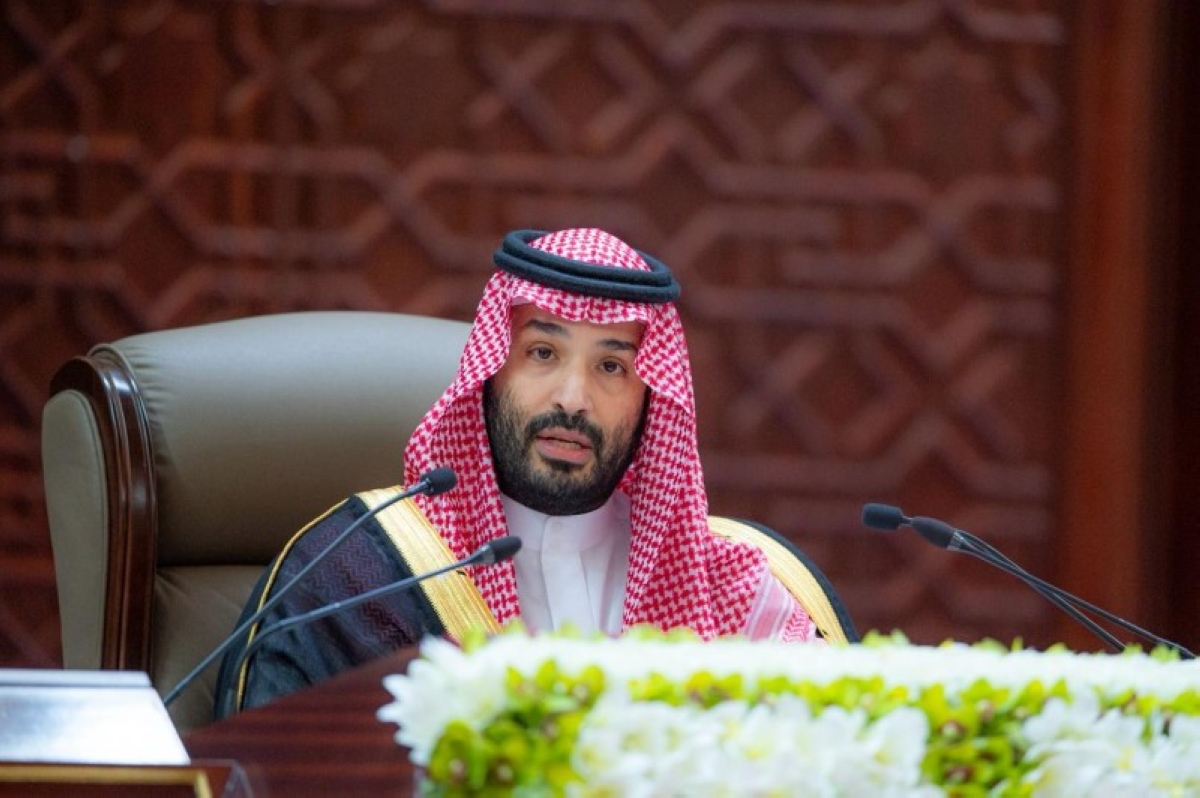
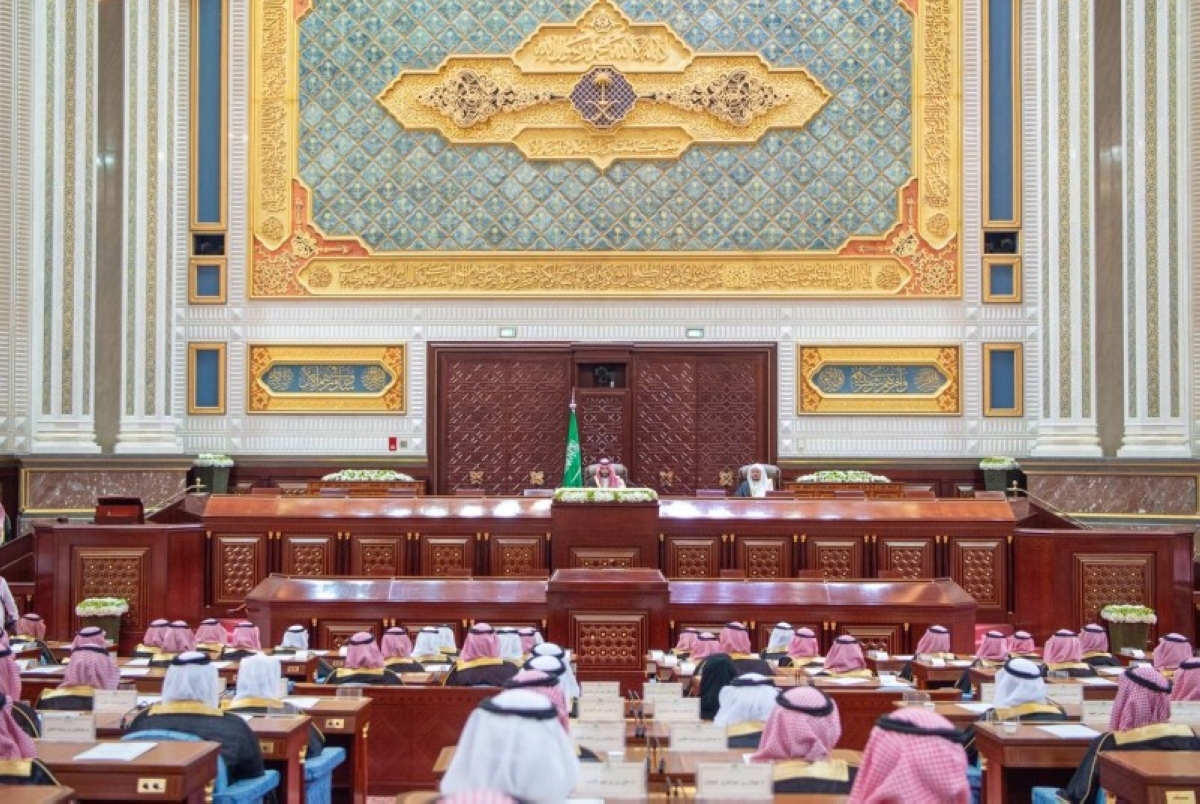
أكّد ولي العهد رئيس مجلس الوزراء، نيابةً عن خادم الحرمين الشريفين الملك سلمان بن عبدالعزيز آل سعود في الخطاب الملكي السنوي أمام مجلس الشورى عند افتتاح أعمال السنة الثانية من الدورة التاسعة، أن المملكة حققت إنجازات بارزة في مسيرتها التنموية، تمثلت في وصول نسبة البطالة إلى أدنى مستوياتها، وارتفاع نسبة مشاركة المرأة في سوق العمل إلى أعلى درجاتها، وانخفاض نسبة محدودي الدخل، مع الاستمرار في تقييم الأثر الاقتصادي والاجتماعي للإنفاق العام لضمان توجيه الموارد إلى الأولويات الوطنية، بما يرفع دخل المواطن ويحسن مستوى الخدمات وجودة الحياة للمواطن والمقيم والزائر.
البطالة في أدنى مستوياتها
يشير إعلان ولي العهد عن وصول البطالة إلى أدنى مستوياتها إلى تحوّل جوهري في سوق العمل السعودي، مدعوما" ببرامج التوظيف الوطنية ومشروعات التنويع الاقتصادي التي استوعبت مئات الآلاف من الفرص الجديدة. هذا التراجع يعكس نجاح السياسات التي ربطت مخرجات التعليم باحتياجات السوق، ودفعت القطاع الخاص إلى استحداث وظائف نوعية في مجالات الصناعة والطاقة المتجددة والتقنية والسياحة، وهو ما صنع سوق عمل أكثر مرونة، قادرة على امتصاص التغيرات السكانية والاقتصادية.
مشاركة المرأة
أشار سموه إلى أن مشاركة المرأة في سوق العمل بلغت مستويات قياسية، وهو تحول يعكس نجاح منظومة الإصلاحات التي هيأت البيئة التشريعية والتنظيمية لتوسيع أدوار المرأة في مختلف القطاعات. فاليوم تتبوأ السعوديات مواقع قيادية في قطاعات حيوية مثل الصحة والتعليم والتقنية والخدمات المالية والسياحة، ما يعكس نقلة ثقافية واقتصادية متوازنة، ويجعل المرأة جزءاً أساسياً من معادلة التنمية.
انخفاض نسبة محدودي الدخل
أوضح ولي العهد أن نسبة محدودي الدخل تراجعت بشكل ملحوظ، نتيجة سياسات الدعم الاجتماعي الموجهة بدقة وتنامي الفرص الاقتصادية التي رفعت دخول شريحة واسعة من الأسر. هذا الانخفاض يعكس قدرة الدولة على تحقيق توازن بين النمو الاقتصادي وبرامج العدالة الاجتماعية، من خلال تحويل الدعم إلى أداة أكثر كفاءة تذهب لمستحقيها الفعليين، مما عزّز الاستقرار الاجتماعي ورفع الثقة في المسار الاقتصادي الوطني.
تقييم الأثر الاقتصادي
شدد سموه على أهمية تقييم الأثر الاقتصادي والاجتماعي للإنفاق العام لضمان أن الموارد الوطنية توجه إلى الأولويات التي تعود بالنفع الأكبر على المواطن. هذا النهج يعكس عقلانية مالية تعزز كفاءة الصرف وتمنع الهدر، في ظل مشاريع ضخمة تستهدف البنية التحتية والتعليم والصحة والثقافة وجودة الحياة، ما يجعل الإنفاق العام أداة إستراتيجية تقاس بمدى جدواها في تحسين حياة الإنسان على أرض المملكة.
رؤية خبير اقتصادي
أكد الخبير الاقتصادي عيد العيد لـ «عكاظ» على ما ورد في الخطاب الملكي قائلاً: إن ما تحقق من خفض البطالة، ورفع مشاركة المرأة، وتقليص محدودية الدخل، وربط الإنفاق العام بالأثر الاجتماعي والاقتصادي، يمثل منظومة متكاملة لا يمكن فصلها عن بعضها البعض. ويرى أن هذه المحاور تؤسس لاقتصاد أكثر مرونة واستدامة، وتجعل المملكة نموذجاً في إدارة التحول الشامل، حيث يقف الإنسان في قلب التنمية، ليس فقط باعتباره المستفيد النهائي، بل كشريك في صياغة مستقبلها.
The Crown Prince and Prime Minister, on behalf of the Custodian of the Two Holy Mosques King Salman bin Abdulaziz Al Saud, affirmed in the annual royal speech before the Shura Council at the opening of the second year of the ninth session that the Kingdom has achieved significant milestones in its developmental journey, reflected in the unemployment rate reaching its lowest levels, the increase in women's participation in the labor market to its highest degrees, and the decrease in the percentage of low-income individuals, while continuing to assess the economic and social impact of public spending to ensure that resources are directed to national priorities, thereby raising citizens' income and improving the level of services and quality of life for citizens, residents, and visitors.
Unemployment at Its Lowest Levels
The Crown Prince's announcement about the unemployment rate reaching its lowest levels indicates a fundamental transformation in the Saudi labor market, supported by national employment programs and economic diversification projects that have absorbed hundreds of thousands of new opportunities. This decline reflects the success of policies that linked educational outcomes to market needs and encouraged the private sector to create quality jobs in industries such as manufacturing, renewable energy, technology, and tourism, resulting in a more flexible labor market capable of absorbing demographic and economic changes.
Women's Participation
His Highness pointed out that women's participation in the labor market has reached record levels, a transformation that reflects the success of the reform system that has prepared the legislative and regulatory environment to expand women's roles across various sectors. Today, Saudi women hold leadership positions in vital sectors such as health, education, technology, finance, and tourism, reflecting a balanced cultural and economic shift, making women an essential part of the development equation.
Decrease in the Percentage of Low-Income Individuals
The Crown Prince clarified that the percentage of low-income individuals has significantly decreased due to precisely targeted social support policies and the growth of economic opportunities that have raised the incomes of a wide range of families. This decline reflects the state's ability to achieve a balance between economic growth and social justice programs by transforming support into a more efficient tool that reaches its actual beneficiaries, thereby enhancing social stability and increasing confidence in the national economic path.
Assessment of Economic Impact
His Highness emphasized the importance of assessing the economic and social impact of public spending to ensure that national resources are directed to priorities that yield the greatest benefit for citizens. This approach reflects financial rationality that enhances spending efficiency and prevents waste, amid massive projects targeting infrastructure, education, health, culture, and quality of life, making public spending a strategic tool measured by its effectiveness in improving human life in the Kingdom.
Expert Economic Perspective
Economic expert Eid Al-Eid confirmed to "Okaz" what was stated in the royal speech, saying that the achievements in reducing unemployment, increasing women's participation, and decreasing low-income levels, along with linking public spending to social and economic impact, represent an integrated system that cannot be separated from one another. He believes that these axes establish a more flexible and sustainable economy, making the Kingdom a model in managing comprehensive transformation, where the individual stands at the heart of development, not only as the ultimate beneficiary but as a partner in shaping its future.