


طرحت وزارة الموارد البشرية عبر مشروع لائحة جديدة لتنظيم العمل في المهن ذات المخاطر العالية، تضمنت 26 خطرًا رئيسيًا يشكل كل منها تهديدًا مباشرًا أو غير مباشر على صحة وسلامة الموظفين.
و أكدت اللائحة على ضرورة توجيه العاملين لإجراء التدريبات المتخصصة والفحوصات الطبية الدورية، باعتبارها شرطًا أساسيًا للحصول على تراخيص ممارسة المهن.
و تهدف اللائحة إلى تعزيز حماية العاملين وضمان توفير بيئة عمل آمنة تتماشى مع أفضل الممارسات العالمية، و ضبط آليات ممارسة المهن وفق معايير دقيقة تراعي طبيعة المخاطر ومستوى ومدة التعرض لها.
و ألزمت اللائحة المقترحة المسؤول الأول في الجهات الحكومية والقطاع العام المدني، إضافة إلى أصحاب العمل في منشآت القطاعين الخاص وغير الربحي، بمجموعة من الالتزامات التي تهدف إلى تعزيز السلامة المهنية وحماية العاملين في المهن ذات المخاطر العالية و إدراج برامج تدريبية متخصصة ضمن خطط التدريب الخاصة بالمنشآت، تركز على توعية العاملين بالمخاطر المرتبطة بطبيعة مهماتهم وكيفية التعامل معها، كما نبهت على دور الأطباء المختصين في الطب المهني، و ألزمت أصحاب العمل بإشعارهم بأي مخاطر قد تهدد صحة العاملين أو تؤثر في سلامتهم أثناء مزاولة المهنة.
و اقترحت «الموارد» إنشاء سجلات صحية مهنية تحفظ فيها بيانات العاملين وخدماتهم الصحية، على أن تتم مشاركتها مع الجهات المختصة وفق نظام حماية البيانات الشخصية، و الإبلاغ عن الحوادث والأمراض المهنية، إذ فرضت الإشراف المباشر على هذه العملية من خلال المنصة الإلكترونية المخصصة لذلك، مع ضمان اتخاذ الإجراءات التصحيحية اللازمة في الوقت المناسب.
وحمّلت الوزارة أصحاب العمل مسؤولية متابعة التزام الجهات المتعاقدة بتنفيذ أحكام اللائحة، ومنعت تكليف أي عامل غير مرخص بممارسة المهن المصنفة ضمن قائمة المخاطر العالية. و شددت على ضرورة توفير معدات الحماية الفردية والجماعية ومراقبة تطبيقها بما يتماشى مع المواصفات السعودية المعتمدة للسلامة والصحة المهنية، إضافة إلى إلزام أصحاب العمل بالتأكد من خضوع جميع العاملين لفحوصات اللياقة الطبية المعتمدة، بما يضمن جاهزيتهم الصحية لممارسة مهماتهم دون تعريض أنفسهم أو غيرهم لأي مخاطر.
و حددت اللائحة مسؤوليات العاملين أنفسهم، مؤكدة أن سلامة بيئة العمل مسؤولية مشتركة، وأوجبت على الموظفين والعاملين في المهن ذات المخاطر العالية الالتزام الكامل بتدابير الوقاية والحماية، وعدم تعريض أنفسهم أو زملائهم لأي مخاطر مباشرة أو غير مباشرة، مع المبادرة بالإبلاغ الفوري عن أي ممارسات غير آمنة قد تخل بمعايير السلامة.
و أكدت اللائحة على أن الحصول على التدريب اللازم والترخيص الرسمي شرط أساسي قبل الشروع في ممارسة المهنة، مع إلزام العاملين بالإفصاح عن أي أعراض صحية أو إصابات أو أمراض مهنية قد تؤثر على أدائهم، وتقديم البيانات المطلوبة للجهات المختصة.
وشددت على أنه في حال صدور تقرير طبي أو مهني يثبت عدم صلاحية العامل للاستمرار في أداء مهماته أو انتهاء ترخيصه، يتوجب عليه التوقف فورًا عن ممارسة العمل، و منحت اللائحة للعاملين دورًا رقابيًا، و طالبتهم بالإبلاغ عن أي تجاوزات أو مخالفات من قبل المنشآت في تطبيق متطلبات السلامة، بما يعزز ثقافة المشاركة والمسؤولية المشتركة في حماية الأرواح وضمان بيئة عمل آمنة.
و وضعت اللائحة معايير دقيقة لتصنيف المهن عالية الخطورة، تشمل طبيعة العمل، والوصف الوظيفي، ونوعية المواد والعوامل الفيزيائية أو الكيميائية أو الحيوية التي يتعرض لها العامل، إضافة إلى مستوى ومدة التعرض، وإحصاءات الحوادث والوفيات، ومدى الضرر على العاملين أو البيئة.
------
مهن خطرة وأخرى مقيدة
----
قسمت اللائحة المهن إلى فئتين أساسيتين، المهن الخطرة: وتشمل المهن التي تهدد السلامة الجسدية أو النفسية بسبب طبيعتها مثل العمل في المناجم أو التعامل مع الآلات الثقيلة أو المواد السامة.
و المهن المقيدة وهي ذات المخاطر المحتملة التي تمتد آثارها للمجتمع أو البيئة أو الممتلكات، وتتطلب تراخيص خاصة لممارستها.
و تضمنت اللائحة قائمة موسعة بالمخاطر التي قد يتعرض لها العاملون في المهن عالية الخطورة، إذ رصدت 26 خطرًا رئيسيًا يشكل كل منها تهديدًا مباشرًا أو غير مباشر على صحة وسلامة الموظفين.
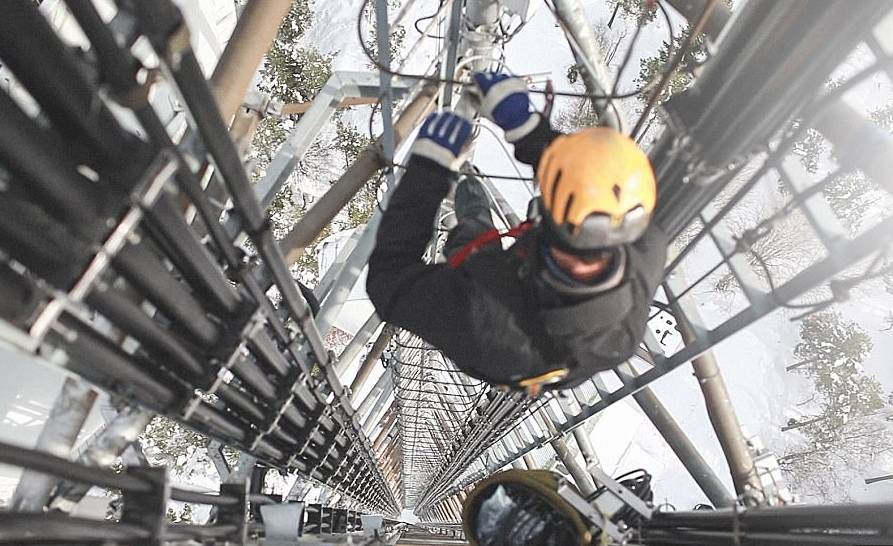
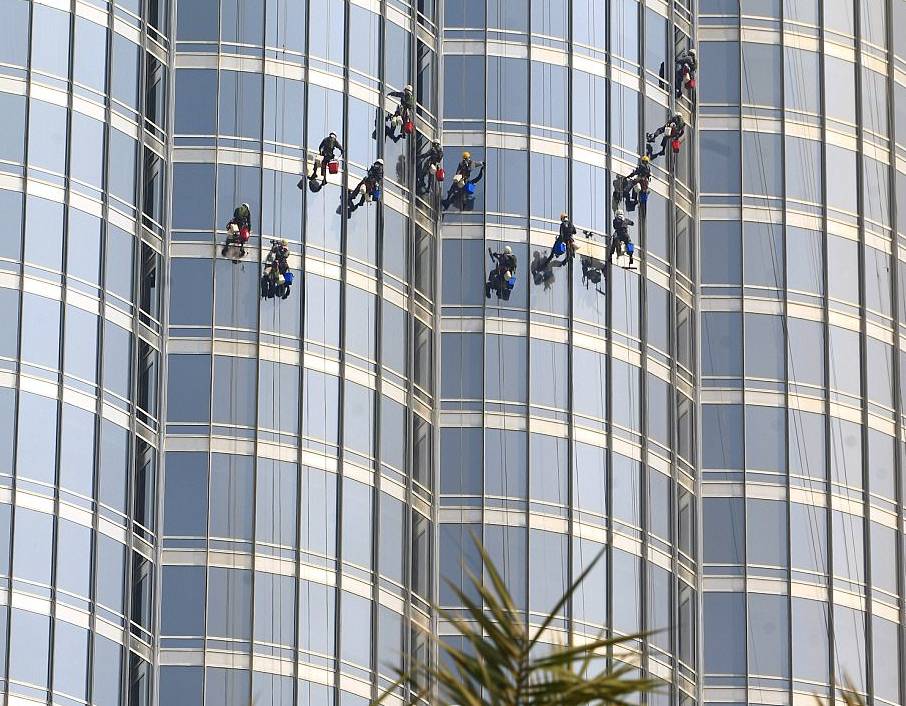
ومن بين أبرز هذه المخاطر، العمل في المرتفعات وما قد ينجم عنه من حوادث سقوط سواء للأشخاص أو للأدوات والمعدات، إضافة إلى مخاطر العمل في الأماكن المغلقة التي قد تؤدي إلى التعرض للغازات السامة أو الخانقة نتيجة ضعف التهوية أو انعدامها.
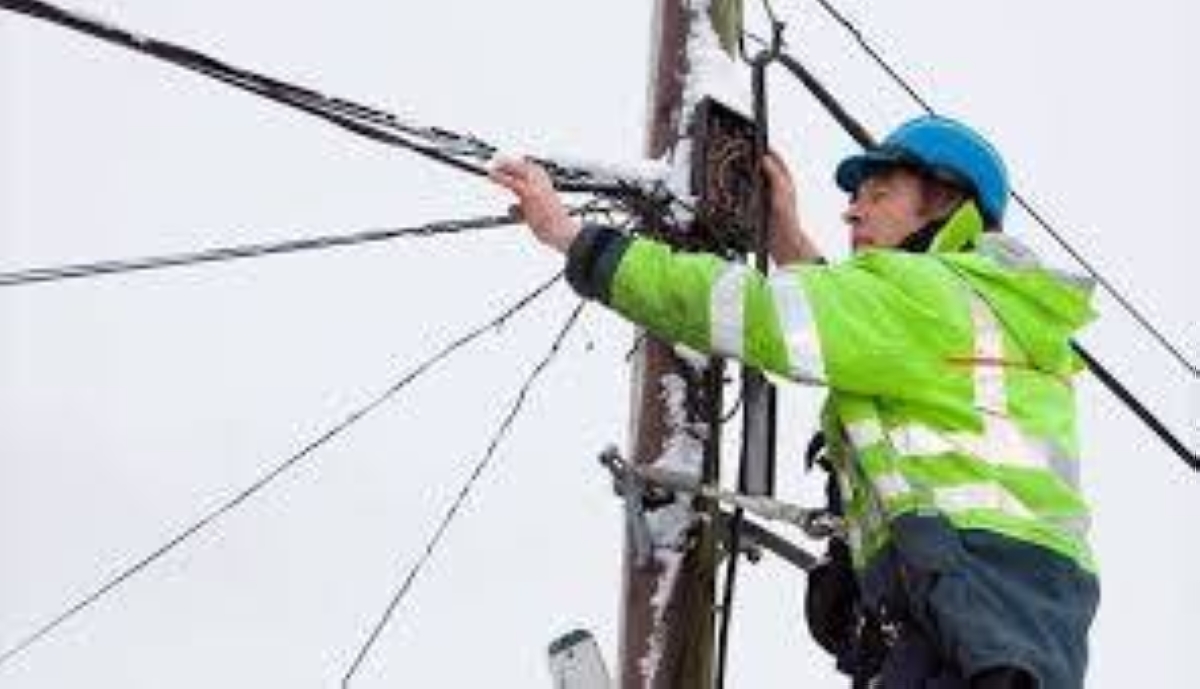
وشملت القائمة مخاطر عمليات الرفع اليدوي أو الميكانيكي للأجسام الثقيلة، والتي قد تتسبب في إصابات خطيرة تتراوح بين الكسور والإجهاد العضلي، فضلًا عن أخطار التعرض للطاقة الكهربائية أو الميكانيكية التي قد تؤدي إلى الصدمات أو الحروق أو حتى حالات البتر.
---
بيئات قابلة للانفجار
--
تطرق المشروع الى الحوادث الناجمة عن حركة المعدات والعربات في مواقع العمل، والتي تُعد من أكثر مسببات الإصابات شيوعًا في مواقع المشاريع الكبرى.
ووضعت اللائحة ضوابط للتعامل مع المواد الكيميائية والمبيدات ومواد التنظيف والمعقمات، و حذرت من بيئات العمل القابلة للانفجار أو تلك التي تشهد وجود إشعاعات باعتبارها من أخطر العوامل التي قد تهدد حياة العاملين.
ومن المخاطر التي ذكرتها اللائحة التعرض للعوامل البيولوجية مثل الأمراض المعدية والتعامل المباشر مع النفايات الطبية، وهو ما يستدعي تدابير وقاية صارمة لتفادي انتقال العدوى.
و تضمنت خطورة العمل تحت أشعة الشمس المباشرة أو في المناطق النائية البعيدة عن المرافق الحيوية، وهو ما قد يعرض العاملين للإجهاد الحراري أو تأخر تلقي الإسعافات اللازمة في حالة وقوع إصابة.
--
الورديات والمناوبات الطويلة
---
تناول المشروع البعد النفسي والاجتماعي في بيئة العمل، إذ اعتبرت أن أنظمة الورديات والمناوبات الطويلة تشكل ضغوطًا إضافية قد تؤدي إلى اضطرابات النوم والإجهاد المزمن وانخفاض مستويات التركيز، مما يعزز الحاجة إلى إدارة متوازنة لظروف العمل.
و شدد المشروع المقترح على أن جميع العاملين في المهن عالية الخطورة يخضعون لفحوصات طبية دورية للتأكد من لياقتهم، عبر الفحص الطبي للمهن المقيدة، و الفحوص الوقائية الدورية للمهن الخطرة.
و صنفت نتائج الفحوص إلى ٣ فئات: لائق صحيًا، لائق مع قيود، أو غير لائق صحيًا، و يُمنع الأخير من مزاولة المهنة ويُحال إلى مهمات بديلة مع توفير التدريب المناسب.
«الموارد» تقترح: لا عمل في الأنشطة الخطرة دون ترخيص وفحوص
قائمة بـ 26 خطراً تهدد صحة وسلامة الموظفين
30 أغسطس 2025 - 15:35
|
آخر تحديث 30 أغسطس 2025 - 15:35


تابع قناة عكاظ على الواتساب
إبراهيم العلوي (جدة) @i_waleeed22
The Ministry of Human Resources has introduced a new draft regulation to organize work in high-risk professions, which includes 26 main hazards, each of which poses a direct or indirect threat to the health and safety of employees.
The regulation emphasizes the necessity of directing workers to undergo specialized training and regular medical check-ups, considering them a prerequisite for obtaining licenses to practice these professions.
The regulation aims to enhance the protection of workers and ensure the provision of a safe working environment that aligns with the best global practices, and to regulate the mechanisms of practicing professions according to precise standards that take into account the nature of the risks and the level and duration of exposure to them.
The proposed regulation obliges the primary responsible person in government entities and the civil public sector, in addition to employers in private and non-profit sector establishments, to adhere to a set of commitments aimed at enhancing occupational safety and protecting workers in high-risk professions and incorporating specialized training programs within the training plans of establishments, focusing on raising awareness among workers about the risks associated with their tasks and how to deal with them. It also highlighted the role of specialized occupational health doctors and obligated employers to notify them of any risks that may threaten the health of workers or affect their safety while performing their duties.
The Ministry proposed the establishment of professional health records to store the data and health services of workers, which should be shared with the relevant authorities in accordance with personal data protection regulations, and to report occupational accidents and diseases. It mandated direct supervision of this process through a dedicated electronic platform, ensuring that necessary corrective actions are taken in a timely manner.
The Ministry held employers responsible for monitoring the compliance of contracting parties with the provisions of the regulation and prohibited assigning any unlicensed worker to practice professions classified within the high-risk list. It stressed the need to provide personal and collective protective equipment and to monitor its application in accordance with the approved Saudi specifications for occupational safety and health, in addition to obligating employers to ensure that all workers undergo approved medical fitness examinations, ensuring their health readiness to perform their tasks without exposing themselves or others to any risks.
The regulation defined the responsibilities of the workers themselves, affirming that the safety of the work environment is a shared responsibility, and required employees and workers in high-risk professions to fully comply with preventive and protective measures, and not to expose themselves or their colleagues to any direct or indirect risks, while promptly reporting any unsafe practices that may violate safety standards.
The regulation confirmed that obtaining the necessary training and official licensing is a fundamental requirement before commencing the practice of the profession, obligating workers to disclose any health symptoms, injuries, or occupational diseases that may affect their performance, and to provide the required data to the relevant authorities.
It emphasized that if a medical or professional report indicates that a worker is unfit to continue performing their duties or that their license has expired, they must immediately cease practicing their work. The regulation granted workers a supervisory role and required them to report any violations or breaches by establishments in applying safety requirements, thereby enhancing a culture of participation and shared responsibility in protecting lives and ensuring a safe work environment.
The regulation established precise criteria for classifying high-risk professions, including the nature of the work, job description, the type of materials and physical, chemical, or biological factors to which the worker is exposed, in addition to the level and duration of exposure, accident and fatality statistics, and the extent of harm to workers or the environment.
------
Dangerous Professions and Restricted Professions
----
The regulation divided professions into two main categories: dangerous professions, which include those that threaten physical or psychological safety due to their nature, such as working in mines or handling heavy machinery or toxic materials.
And restricted professions, which have potential risks whose effects extend to the community, environment, or property, and require special licenses to practice.
The regulation included an extensive list of hazards that workers in high-risk professions may face, identifying 26 main hazards, each of which poses a direct or indirect threat to the health and safety of employees.
Among the most notable of these hazards are working at heights and the potential for falls, whether of people or tools and equipment, in addition to the risks of working in confined spaces that may lead to exposure to toxic or asphyxiating gases due to poor ventilation or lack thereof.
The list included the risks of manual or mechanical lifting of heavy objects, which may cause serious injuries ranging from fractures to muscular strain, as well as the dangers of exposure to electrical or mechanical energy that may lead to shocks, burns, or even amputations.
---
Explosive Environments
--
The project addressed accidents resulting from the movement of equipment and vehicles at work sites, which are among the most common causes of injuries at major project sites.
The regulation set controls for handling chemicals, pesticides, cleaning agents, and disinfectants, and warned against explosive work environments or those that experience radiation, as they are among the most dangerous factors that may threaten the lives of workers.
Among the risks mentioned in the regulation is exposure to biological factors such as infectious diseases and direct handling of medical waste, which necessitates strict preventive measures to avoid the transmission of infections.
It also included the dangers of working under direct sunlight or in remote areas far from vital facilities, which may expose workers to heat stress or delays in receiving necessary first aid in the event of an injury.
--
Shifts and Long Rotations
---
The project addressed the psychological and social dimensions in the work environment, considering that shift systems and long rotations create additional stress that may lead to sleep disorders, chronic fatigue, and decreased concentration levels, thus reinforcing the need for balanced management of working conditions.
The proposed project emphasized that all workers in high-risk professions are subject to regular medical examinations to ensure their fitness, through medical examinations for restricted professions and periodic preventive examinations for dangerous professions.
The results of the examinations were classified into three categories: fit, fit with restrictions, or unfit, and the latter is prohibited from practicing the profession and is assigned to alternative tasks with appropriate training.
The regulation emphasizes the necessity of directing workers to undergo specialized training and regular medical check-ups, considering them a prerequisite for obtaining licenses to practice these professions.
The regulation aims to enhance the protection of workers and ensure the provision of a safe working environment that aligns with the best global practices, and to regulate the mechanisms of practicing professions according to precise standards that take into account the nature of the risks and the level and duration of exposure to them.
The proposed regulation obliges the primary responsible person in government entities and the civil public sector, in addition to employers in private and non-profit sector establishments, to adhere to a set of commitments aimed at enhancing occupational safety and protecting workers in high-risk professions and incorporating specialized training programs within the training plans of establishments, focusing on raising awareness among workers about the risks associated with their tasks and how to deal with them. It also highlighted the role of specialized occupational health doctors and obligated employers to notify them of any risks that may threaten the health of workers or affect their safety while performing their duties.
The Ministry proposed the establishment of professional health records to store the data and health services of workers, which should be shared with the relevant authorities in accordance with personal data protection regulations, and to report occupational accidents and diseases. It mandated direct supervision of this process through a dedicated electronic platform, ensuring that necessary corrective actions are taken in a timely manner.
The Ministry held employers responsible for monitoring the compliance of contracting parties with the provisions of the regulation and prohibited assigning any unlicensed worker to practice professions classified within the high-risk list. It stressed the need to provide personal and collective protective equipment and to monitor its application in accordance with the approved Saudi specifications for occupational safety and health, in addition to obligating employers to ensure that all workers undergo approved medical fitness examinations, ensuring their health readiness to perform their tasks without exposing themselves or others to any risks.
The regulation defined the responsibilities of the workers themselves, affirming that the safety of the work environment is a shared responsibility, and required employees and workers in high-risk professions to fully comply with preventive and protective measures, and not to expose themselves or their colleagues to any direct or indirect risks, while promptly reporting any unsafe practices that may violate safety standards.
The regulation confirmed that obtaining the necessary training and official licensing is a fundamental requirement before commencing the practice of the profession, obligating workers to disclose any health symptoms, injuries, or occupational diseases that may affect their performance, and to provide the required data to the relevant authorities.
It emphasized that if a medical or professional report indicates that a worker is unfit to continue performing their duties or that their license has expired, they must immediately cease practicing their work. The regulation granted workers a supervisory role and required them to report any violations or breaches by establishments in applying safety requirements, thereby enhancing a culture of participation and shared responsibility in protecting lives and ensuring a safe work environment.
The regulation established precise criteria for classifying high-risk professions, including the nature of the work, job description, the type of materials and physical, chemical, or biological factors to which the worker is exposed, in addition to the level and duration of exposure, accident and fatality statistics, and the extent of harm to workers or the environment.
------
Dangerous Professions and Restricted Professions
----
The regulation divided professions into two main categories: dangerous professions, which include those that threaten physical or psychological safety due to their nature, such as working in mines or handling heavy machinery or toxic materials.
And restricted professions, which have potential risks whose effects extend to the community, environment, or property, and require special licenses to practice.
The regulation included an extensive list of hazards that workers in high-risk professions may face, identifying 26 main hazards, each of which poses a direct or indirect threat to the health and safety of employees.
Among the most notable of these hazards are working at heights and the potential for falls, whether of people or tools and equipment, in addition to the risks of working in confined spaces that may lead to exposure to toxic or asphyxiating gases due to poor ventilation or lack thereof.
The list included the risks of manual or mechanical lifting of heavy objects, which may cause serious injuries ranging from fractures to muscular strain, as well as the dangers of exposure to electrical or mechanical energy that may lead to shocks, burns, or even amputations.
---
Explosive Environments
--
The project addressed accidents resulting from the movement of equipment and vehicles at work sites, which are among the most common causes of injuries at major project sites.
The regulation set controls for handling chemicals, pesticides, cleaning agents, and disinfectants, and warned against explosive work environments or those that experience radiation, as they are among the most dangerous factors that may threaten the lives of workers.
Among the risks mentioned in the regulation is exposure to biological factors such as infectious diseases and direct handling of medical waste, which necessitates strict preventive measures to avoid the transmission of infections.
It also included the dangers of working under direct sunlight or in remote areas far from vital facilities, which may expose workers to heat stress or delays in receiving necessary first aid in the event of an injury.
--
Shifts and Long Rotations
---
The project addressed the psychological and social dimensions in the work environment, considering that shift systems and long rotations create additional stress that may lead to sleep disorders, chronic fatigue, and decreased concentration levels, thus reinforcing the need for balanced management of working conditions.
The proposed project emphasized that all workers in high-risk professions are subject to regular medical examinations to ensure their fitness, through medical examinations for restricted professions and periodic preventive examinations for dangerous professions.
The results of the examinations were classified into three categories: fit, fit with restrictions, or unfit, and the latter is prohibited from practicing the profession and is assigned to alternative tasks with appropriate training.




