تشهد المملكة نهضة صناعية متسارعة، وتحوُّلاً صناعيّاً تقوده رؤية 2030 نحو تبنّي أحدث تقنيات التصنيع المتقدم، لتعزيز تنافسية الصناعة السعودية عالميّاً، وتعظيم أثر القطاع في تنويع الاقتصاد الوطني، ولتحقيق تلك المستهدفات؛ تحرص المملكة على بناء شراكات إستراتيجية دولية لجذب الاستثمارات النوعية، وتبادل الخبرات ونقل المعرفة والابتكار وأحدث تقنيات التصنيع المتقدم.
وركّزت الزيارة الرسمية الحالية لوزير الصناعة والثروة المعدنية بندر بن إبراهيم الخريِّف إلى الولايات المتحدة الأمريكية، على تعميق التعاون مع مؤسسات الأبحاث والابتكار والتصنيع الأمريكية الرائدة، واستكشاف فرص نقل الحلول الصناعية الذكية المعتمدة على تطبيقات الثورة الصناعية الرابعة، بما يسرِّع رحلة التحوُّل الصناعي في المملكة، ويعزز كفاءة وتنافسية الصناعة الوطنية إقليميّاً وعالميّاً.
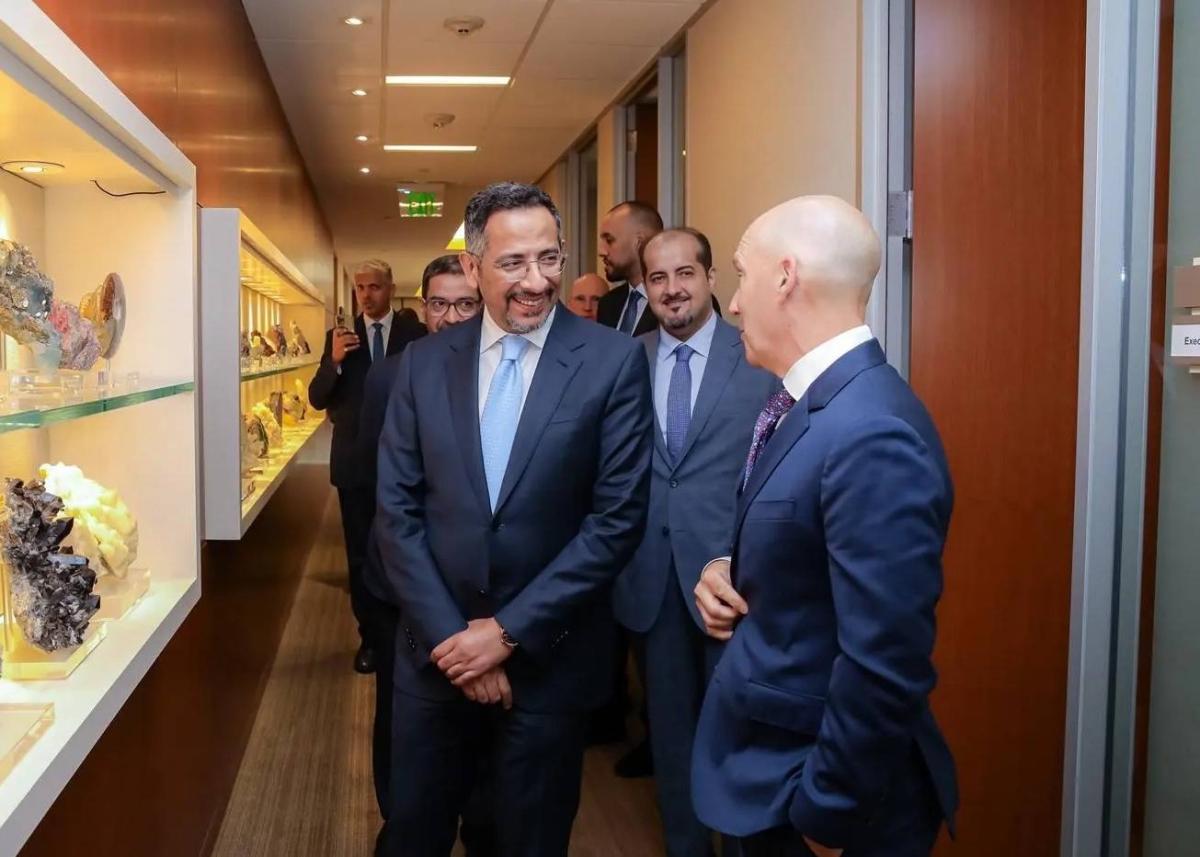
وبدأ الخريِّف زيارته إلى ولاية كارولينا الشمالية بلقاء وزير تجارتها لي ليلي، ثم جولة في مجمع Research Triangle Park (RTP) للأبحاث، زار خلالها عدداً من المؤسسات البحثية والابتكارية البارزة في قطاع التصنيع المتقدم، واطّلع على أحدث الأبحاث الصناعية المتقدمة، وحلول الذكاء الاصطناعي، والتصنيع، والطاقة المستدامة، والتقى عدداً من قادة تلك المؤسسات، وخبراء الصناعة، ورواد التقنية الصناعية.
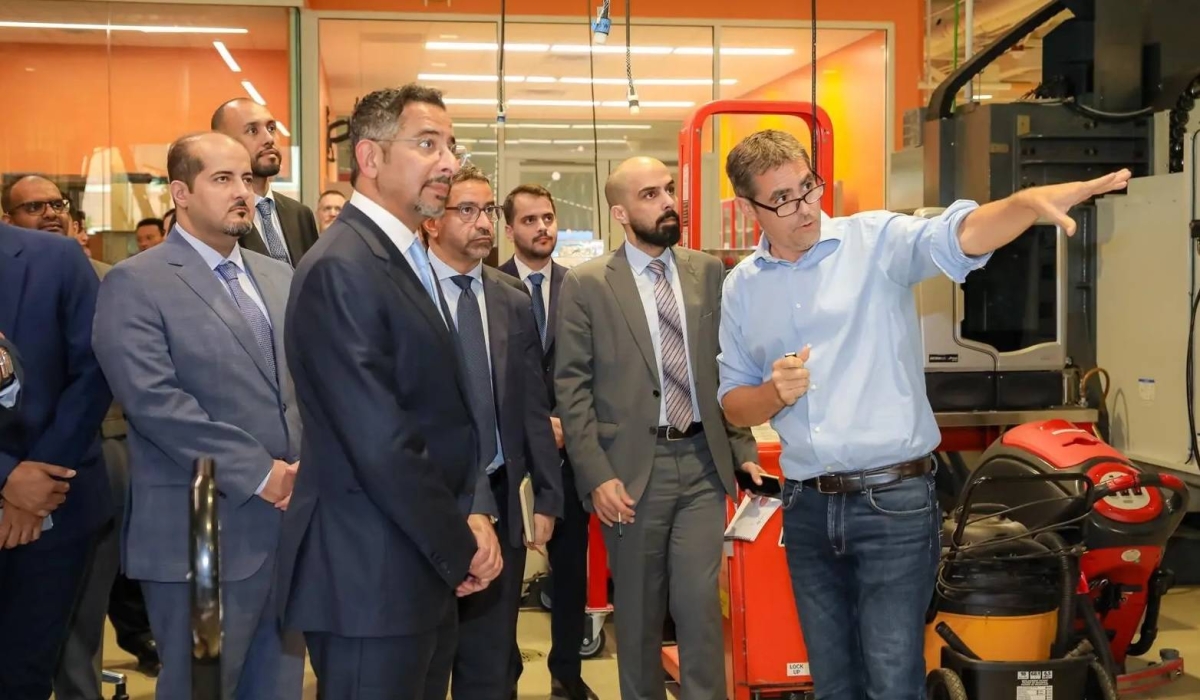
واشتمل برنامج زيارته لمجمع (RTP) على جولة في مختبر EnergyX التابع لجامعة ولاية كارولينا الشمالية، ومركز (CAMAL)، إضافة إلى زيارة معهد SAS للذكاء الاصطناعي، وتعكس تلك الزيارات التزام المملكة ببناء شراكات دولية فاعلة تسرع تبنيها لأحدث تقنيات التصنيع، وفقاً لأفضل الممارسات العالمية.
وركزت مباحثات الخريِّف مع مسؤولي معهد SAS للذكاء الاصطناعي على التطبيقات العملية لـ«التوأم الرقمي»، والتحليلات المتقدمة للذكاء الاصطناعي، بما يسهم في تحسين كفاءة العمليات الصناعية، وإطالة العمر الافتراضي للمعدات.
وبحث مع قادة مركز CAMAL تعزيز التعاون في مجال الطباعة ثلاثية الأبعاد والتصنيع الهجين، وفرص تبادل الخبرات مع مركز التصنيع والإنتاج المتقدم في المملكة، فيما ركزت الجولة في مختبر EnergyX على استكشاف الأساليب المبتكرة في مجال الطاقة، واستخداماتها في قطاع الصناعة لتعزيز استدامته.
وقدمت جولة الخريِّف في مجمع الأبحاث (RTP) تصوراً واضحاً عن تطور الشركات الأمريكية في مجال تبنّي تقنيات الثورة الصناعية الرابعة، ومنها الذكاء الاصطناعي وإنترنت الأشياء والروبوتات، والتصنيع، لتطوير عمليات الإنتاج الصناعي، كما أبرزت الفرص المشتركة لمواءمة تلك البرامج والممارسات الحديثة، مع برامج التصنيع والابتكار في المملكة.
وتعد الولايات المتحدة رائدة عالميّاً في مجال التصنيع المتقدم، إذ تحتضن أبرز الشركات والمؤسسات البحثية المتخصصة، في قطاعات مثل التصنيع الإضافي، والبحث الكمي، والبرمجيات الصناعية، والأتمتة، مما يفتح المجال أمام فرص تعاون واسعة بين المملكة وأمريكا في تلك القطاعات، كما تعزِّز شراكات المملكة مع مؤسسات مثل SAS وCAMAL وEnergyX Lab؛ استفادتها من الخبرات العالمية، وتسريع نقل التقنية، وتعزيز التعاون الأكاديمي والصناعي بما يدعم المستهدفات الوطنية.
وترسم الإستراتيجية الوطنية للصناعة في المملكة خارطة طريق لتمكين التحول الصناعي، وترسيخ مكانة المملكة مركزاً عالمياً للتصنيع المتقدم، وتركز الإستراتيجية على ثلاثة مسارات متكاملة، الأول يتمثل في تعزيز القدرة الوطنية عبر توطين السلع والخدمات الحيوية، والثاني بناء قاعدة تصنيع إقليمية قادرة على المنافسة، فيما يركز المسار الثالث على تحقيق الريادة العالمية في قطاعات صناعية متقدمة.
ولتحقيق تلك المستهدفات، أطلقت وزارة الصناعة والثروة المعدنية مجموعة من المبادرات الإستراتيجية، أبرزها مركز التصنيع والإنتاج المتقدم، الذي يعمل منظومة متكاملة لتبنّي تقنيات الثورة الصناعية الرابعة، إلى جانب برنامج «مصانع المستقبل» الذي يستهدف أتمتة أربعة آلاف مصنع وتحويلها إلى منشآت ذكية عالية الأتمتة بحلول عام 2030، وقد أسهم البرنامج في تحسين كفاءة العديد من المصانع السعودية، وتقليل الاعتماد على العمالة منخفضة المهارة، وتعزيز الربحية من خلال دمج الأدوات الرقمية، كما ساعد برنامج «المنارات الصناعية» على دمج المصانع السعودية في شبكة المصانع العالمية التابعة للمنتدى الاقتصادي العالمي، إذ حظيت أكثر من 150 منشأة وطنية باعتراف دولي تقديراً لنجاحها في اعتماد تقنيات الثورة الصناعية الرابعة.
ويسهم الاستثمار في تقنيات التصنيع المتقدم، وحلول الأتمتة والأنظمة المعتمدة على البيانات والتقنيات الحديثة في رفع كفاءة عمليات التصنيع، وتوطين سلاسل الإمداد الحيوية، وتوفير فرص عمل نوعية للمواهب الوطنية، ويتماشى مع التزامات المملكة البيئية، لدوره في تحسين كفاءة استهلاك الطاقة، وتعزيز ممارسات الإنتاج المستدام.
وتأتي جولات وزير الصناعة والثروة المعدنية في مؤسسات الأبحاث والابتكار والتصنيع المتقدم في ولاية كارولينا الشمالية، ولقاءاته بقادتها؛ لتوسِّع آفاق التعاون المشترك بين الجانبين في مجال نقل التقنيات الحديثة، وجذب الاستثمارات الصناعية النوعية، بما يعزز القدرات الصناعية للمملكة، ويمكِّنها من بناء اقتصاد صناعي تنافسي ومستدام.
The Kingdom is witnessing a rapid industrial renaissance and an industrial transformation led by Vision 2030 towards adopting the latest advanced manufacturing technologies, to enhance the competitiveness of the Saudi industry globally, maximize the sector's impact in diversifying the national economy, and to achieve these targets; the Kingdom is keen on building international strategic partnerships to attract quality investments, exchange expertise, transfer knowledge and innovation, and the latest advanced manufacturing technologies.
The current official visit of the Minister of Industry and Mineral Resources, Bandar bin Ibrahim Al-Khorayef, to the United States focuses on deepening cooperation with leading American research, innovation, and manufacturing institutions, and exploring opportunities for transferring smart industrial solutions based on the applications of the Fourth Industrial Revolution, which accelerates the industrial transformation journey in the Kingdom and enhances the efficiency and competitiveness of the national industry regionally and globally.
Al-Khorayef began his visit to North Carolina by meeting its Secretary of Commerce, Lee Lilly, followed by a tour of the Research Triangle Park (RTP) research complex, during which he visited several prominent research and innovation institutions in the advanced manufacturing sector, learned about the latest advanced industrial research, artificial intelligence solutions, manufacturing, and sustainable energy, and met with several leaders of those institutions, industry experts, and pioneers of industrial technology.
His visit program to the RTP complex included a tour of the EnergyX Lab at North Carolina State University, the CAMAL center, in addition to a visit to the SAS Institute for Artificial Intelligence. These visits reflect the Kingdom's commitment to building effective international partnerships that accelerate its adoption of the latest manufacturing technologies, in accordance with global best practices.
Al-Khorayef's discussions with officials at the SAS Institute for Artificial Intelligence focused on the practical applications of the "digital twin" and advanced artificial intelligence analytics, which contribute to improving the efficiency of industrial operations and extending the lifespan of equipment.
He also discussed with leaders at the CAMAL center ways to enhance cooperation in the field of 3D printing and hybrid manufacturing, and opportunities for exchanging expertise with the advanced manufacturing and production center in the Kingdom, while the tour at the EnergyX Lab focused on exploring innovative methods in the energy sector and their applications in industry to enhance sustainability.
Al-Khorayef's tour of the RTP research complex provided a clear vision of the evolution of American companies in adopting Fourth Industrial Revolution technologies, including artificial intelligence, the Internet of Things, robotics, and manufacturing, to develop industrial production processes. It also highlighted the common opportunities to align these programs and modern practices with manufacturing and innovation programs in the Kingdom.
The United States is a global leader in advanced manufacturing, hosting prominent companies and specialized research institutions in sectors such as additive manufacturing, quantitative research, industrial software, and automation, which opens the door to extensive cooperation opportunities between the Kingdom and the U.S. in these sectors. It also enhances the Kingdom's partnerships with institutions like SAS, CAMAL, and EnergyX Lab; benefiting from global expertise, accelerating technology transfer, and strengthening academic and industrial cooperation to support national objectives.
The national industrial strategy in the Kingdom outlines a roadmap to enable industrial transformation and establish the Kingdom as a global center for advanced manufacturing. The strategy focuses on three integrated pathways: the first is enhancing national capacity through the localization of vital goods and services; the second is building a competitive regional manufacturing base; while the third pathway aims to achieve global leadership in advanced industrial sectors.
To achieve these targets, the Ministry of Industry and Mineral Resources has launched a series of strategic initiatives, the most notable of which is the Advanced Manufacturing and Production Center, which operates as an integrated system for adopting Fourth Industrial Revolution technologies, alongside the "Factories of the Future" program that aims to automate four thousand factories and transform them into highly automated smart facilities by 2030. The program has contributed to improving the efficiency of many Saudi factories, reducing reliance on low-skilled labor, and enhancing profitability through the integration of digital tools. Additionally, the "Industrial Beacons" program has helped integrate Saudi factories into the global network of factories affiliated with the World Economic Forum, with over 150 national facilities receiving international recognition for their success in adopting Fourth Industrial Revolution technologies.
Investing in advanced manufacturing technologies, automation solutions, data-driven systems, and modern technologies contributes to raising the efficiency of manufacturing operations, localizing vital supply chains, and providing quality job opportunities for national talents. It aligns with the Kingdom's environmental commitments due to its role in improving energy consumption efficiency and enhancing sustainable production practices.
The tours of the Minister of Industry and Mineral Resources in research, innovation, and advanced manufacturing institutions in North Carolina, along with his meetings with their leaders, aim to expand the horizons of mutual cooperation between the two sides in the field of transferring modern technologies and attracting quality industrial investments, thereby enhancing the industrial capabilities of the Kingdom and enabling it to build a competitive and sustainable industrial economy.