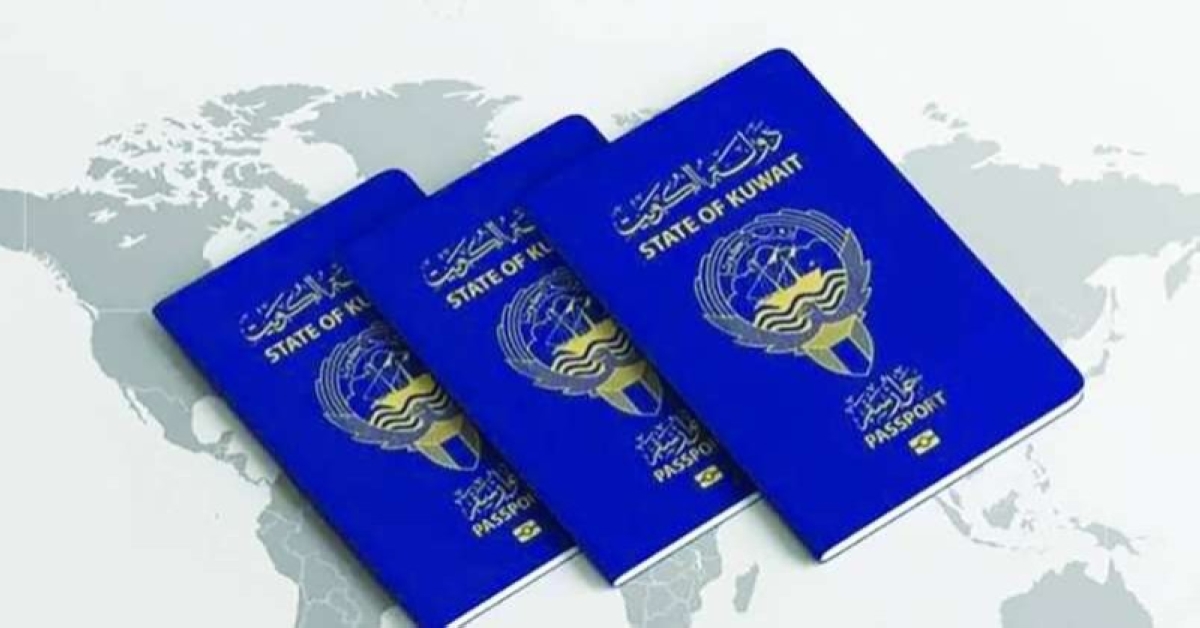
حين يمتد العبث بالهوية الوطنية إلى أكثر من مجرد تزوير إجرائي، نجد أنفسنا أمام مشهد يكشف انهياراً مريعاً للأسس التي تُبنى عليها الأسرة، والمجتمع، ومفهوم الانتماء.
أبٌ كويتي - وفق ما نشرته صحيفة الراي الكويتية - سجل عليه 33 ابناً، 16 منهم أبناؤه فعلاً، فيما وُضّع 17 آخرون بمال وليس برابطة دم. هؤلاء المزيفون لم يكتفوا بإفساد ملفه، بل أصبح الملف ناقوس فساد متسعاً، إذ وصلت التبعية لهم إلى قرابة 1000 شخص، وتوزعت التزويرات بين 15 خليجياً وسوريين إثنين.
على الرغم من محاولات التقادم السياسي، فإن استدعاء الأب في 2016، وإجراء بصمة وراثية له أكدت أن 16 هم أولاده الفعليون، ساهم بشكل قوي في فروض السلطة الجنائية. بعد ذلك، أسفرت التحقيقات التي استمرت من يناير حتى أغسطس عن سحب الجنسية من 13 مزوراً، منهم السوريان، بينما لا يزال 4 أشخاص آخرين قيد المراجعة، تبعيّة إثنين منهم بلغت 37 و20 شخصاً على التوالي.
هذه القضية تكشف عن تشققات في بنية الهوية الوطنية، تستوجب طرح السؤال الشرعي والقانوني: كيف يُقسم الإرث على أساسِ نسب غير ثابت شرعاً؟ بل كيف يُبرم عقد زواج قائم على هوية مزيّفة؟ فالإسلام يقطع بأن «من ادعى إلى غير أبيه وهو يعلم أنه غير أبيه فالجنة عليه حرام»، وهو المبدأ الذي يقطع قاعدة الإرث والزواج مع أي نسب لا يدعّمه دليل شرعي قاطع، كالبصمة الوراثية.
منظومة حوكمة
يرى المستشار القانوني سلمان الرمالي أن ما تكشفه هذه القضية لا يمكن النظر إليه بمعزل عن قانون الجنسية الكويتي الذي صدر عام 1959 وتعرض لتعديلات متعددة، إذ نصت مواده بوضوح على أن الجنسية حق سيادي لا يكتسب إلا بقرار صحيح، وأن من يزوّر أو يدلي بمعلومات كاذبة تسقط عنه الجنسية حكماً. لكن التطبيق العملي أظهر أن الرقابة لم تكن بالصرامة الكافية، ما سمح بانتقال التزوير من اسم واحد إلى تبعيات لاحقة بلغت قرابة الألف.
ويضيف الرمالي أن القانون الكويتي منح وزير الداخلية ومجلس الوزراء صلاحيات واسعة في سحب الجنسية أو إسقاطها إذا ثبت أنها مُنحت على غير أساس، لكن الإشكالية تكمن في أن آلية المتابعة لم تكن آنية، فمرت سنوات قبل أن يُكشف هذا الملف. ويرى أن غياب منظومة حوكمة دقيقة داخل إدارات الجنسية هو ما جعل حالات التزوير تتراكم وتُفرّخ ملفات مزورة أخرى.
وأكد الرمالي أن الحل لا يكمن فقط في القرارات اللاحقة بسحب الجنسية، بل في تأسيس منظومة وقائية تبدأ بربط إلكتروني شامل بين البصمات الوراثية وقواعد بيانات الجنسية منذ لحظة التسجيل الأولى، وهذا بدوره يرسخ مبدأ أن الجنسية عقد اجتماعي وسياسي يستند إلى النسب والهوية والانتماء.
When the manipulation of national identity extends beyond mere procedural forgery, we find ourselves facing a scene that reveals a terrifying collapse of the foundations upon which family, society, and the concept of belonging are built.
A Kuwaiti father - according to what was published by Al-Rai newspaper - registered 33 children, 16 of whom are actually his, while 17 others were added through money rather than blood ties. These fakes not only corrupted his file, but the file became a broad bell of corruption, as their dependency reached nearly 1000 people, with the forgeries distributed among 15 Gulf nationals and two Syrians.
Despite attempts at political obsolescence, the summons of the father in 2016 and conducting a genetic fingerprint confirmed that 16 are his actual children, which significantly contributed to the imposition of criminal authority. Subsequently, investigations that lasted from January to August resulted in the revocation of citizenship from 13 forgers, including the two Syrians, while 4 other individuals are still under review, with the dependency of two of them reaching 37 and 20 people respectively.
This case reveals cracks in the structure of national identity, necessitating the legal and legitimate question: how can inheritance be divided based on an unstable lineage? Moreover, how can a marriage contract be concluded based on a forged identity? Islam clearly states that "whoever claims to belong to someone other than his father while knowing that he is not his father, Paradise is forbidden for him," which is the principle that nullifies the basis of inheritance and marriage with any lineage that is not supported by conclusive legal evidence, such as genetic fingerprinting.
Governance System
Legal advisor Salman Al-Ramali believes that what this case reveals cannot be viewed in isolation from the Kuwaiti nationality law enacted in 1959, which has undergone multiple amendments. Its articles clearly state that nationality is a sovereign right that can only be acquired by a correct decision, and that anyone who forges or provides false information automatically loses their nationality. However, practical application has shown that oversight was not stringent enough, allowing the forgery to transition from a single name to subsequent dependencies that reached nearly a thousand.
Al-Ramali adds that Kuwaiti law grants the Minister of Interior and the Cabinet broad powers to revoke or annul nationality if it is proven that it was granted on an incorrect basis, but the issue lies in the fact that the follow-up mechanism was not timely, as years passed before this file was uncovered. He believes that the absence of a precise governance system within the nationality departments is what allowed cases of forgery to accumulate and spawn other forged files.
Al-Ramali emphasized that the solution lies not only in subsequent decisions to revoke nationality but also in establishing a preventive system that begins with a comprehensive electronic linkage between genetic fingerprints and nationality databases from the moment of initial registration, which in turn reinforces the principle that nationality is a social and political contract based on lineage, identity, and belonging.