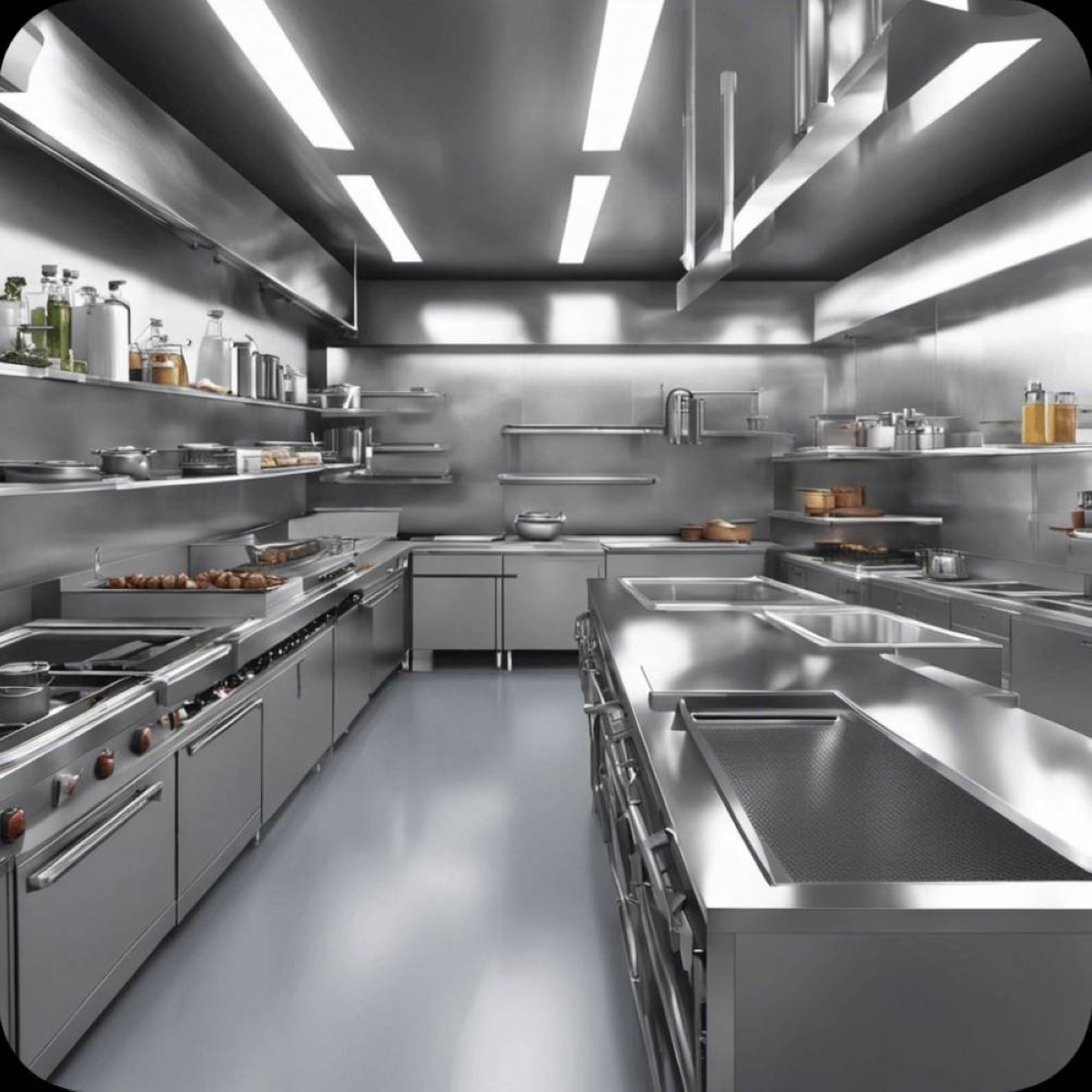
أصدرت وزارة البلديات والإسكان اشتراطات تنظيمية محدثة خاصة بالمطابخ المركزية، في إطار جهودها الرامية إلى تطوير البنية التنظيمية للأنشطة الغذائية، ورفع كفاءة التشغيل، وتعزيز سلامة الغذاء، وتهيئة بيئة استثمارية جاذبة تدعم النمو الاقتصادي.
وأكّدت الوزارة أن الاشتراطات الجديدة تمثّل نقلة نوعية في إدارة وتشغيل المطابخ المركزية، إذ تضمنت معايير دقيقة تشمل متطلبات الترخيص واختيار المواقع ضمن الاستخدامات المعتمدة وبالمساحات المحددة، مع الالتزام بالارتدادات والارتفاعات وفق كود البناء السعودي، وتوفير عدد كافٍ من مواقف المركبات.
وشملت الاشتراطات كذلك ضوابط فنية وتشغيلية متقدمة، منها توفير أنظمة تهوية وتبريد وتصريف مياه مطابقة للمواصفات، وضمان تصميم داخلي يراعي حركة العاملين ويمنع التلوث المتبادل، إضافة إلى إجراء الفحوص الدورية لمناطق التحضير والتخزين والتقديم بما يكفل تحقيق أعلى مستويات النظافة وسلامة الأغذية، ولاسيما الأغذية عالية الخطورة.
ونصّت الاشتراطات على ضرورة توافر أخصائي معتمد في سلامة الغذاء داخل المنشأة، وتركيب كاميرات مراقبة تغطي مناطق العمل، واعتماد أنظمة دفع إلكترونية موثوقة، إلى جانب تجهيز مرافق خاصة للعاملين تشمل دورات مياه وغرف استراحة وتبديل ملابس، فضلاً عن وضع آليات مهنية دقيقة للتعامل مع النفايات.
ودعت الوزارة المستثمرين وأصحاب المنشآت الغذائية إلى الاطلاع على تفاصيل الاشتراطات الجديدة عبر الأدلة الإرشادية المنشورة على منصاتها الرسمية، والالتزام الكامل بما ورد فيها لضمان الجاهزية والامتثال، ويمكن الاطلاع على دليل اشتراطات المطابخ المركزية من خلال زيارة الرابط https://momah.gov.sa/sites/default/files/2025-04/ashtratat%20almtabkh%20almrkzyt.pdf.
The Ministry of Municipalities and Housing has issued updated regulatory requirements specifically for central kitchens, as part of its efforts to develop the regulatory framework for food activities, enhance operational efficiency, promote food safety, and create an attractive investment environment that supports economic growth.
The ministry confirmed that the new requirements represent a qualitative leap in the management and operation of central kitchens, as they include precise standards covering licensing requirements and site selection within approved uses and specified areas, while adhering to setbacks and heights according to the Saudi Building Code, and providing a sufficient number of parking spaces.
The requirements also included advanced technical and operational controls, such as providing ventilation, cooling, and drainage systems that meet specifications, ensuring an interior design that considers the movement of workers and prevents cross-contamination, in addition to conducting regular inspections of preparation, storage, and serving areas to ensure the highest levels of cleanliness and food safety, particularly for high-risk foods.
The requirements stipulated the necessity of having a certified food safety specialist within the facility, installing surveillance cameras covering work areas, adopting reliable electronic payment systems, as well as equipping special facilities for workers that include restrooms, break rooms, and changing rooms, in addition to establishing precise professional mechanisms for waste management.
The ministry called on investors and food establishment owners to review the details of the new requirements through the guidance documents published on its official platforms and to fully comply with them to ensure readiness and compliance. The guide to the requirements for central kitchens can be accessed by visiting the link https://momah.gov.sa/sites/default/files/2025-04/ashtratat%20almtabkh%20almrkzyt.pdf.