أوضحت الجمعية الفلكية بجدة، أن ملامح نهاية الصيف تبدأ مع فجر 24 أغسطس من كل عام في الجزيرة العربية، حيث يتراءى للناظر في الأفق الجنوبي نجم سهيل بلمعانه الأبيض المائل للصفرة، وهي علامة تقليدية طالما انتظرها سكان المنطقة منذ القدم.
وقال رئيس الجمعية المهندس ماجد أبو زاهرة: «كان العرب قديماً يعتبرون ظهور سهيل بشارة خير، إذ يتزامن مع تراجع زاوية سقوط أشعة الشمس، وقصر النهار تدريجياً، وانخفاض درجات الحرارة في آخر الليل، في حين تبدأ الشمس رحلتها نحو الجنوب بعد أن كانت عمودية في قلب الصيف».
وبيَّن، أن سهيل، أو كانوبس في التسمية العالمية، هو ثاني ألمع نجم في السماء بعد الشعرى اليمانية، ويبعد عن الأرض نحو 313 سنة ضوئية، وينتمي إلى كوكبة القاعدة الجنوبية.
وأضاف: «علمياً لا يؤثر سهيل، أو أي نجم آخر - عدا الشمس - في أحوال الطقس، بل هو مجرد إشارة فلكية يتزامن ظهوره مع التغيرات المناخية الطبيعية المرتبطة بحركة الأرض حول الشمس ليكون بمثابة ساعة كونية تشير إلى اقتراب الاعتدال الخريفي».
وأشار أبو زاهرة، إلى أن سهيل يُرصد فقط في المناطق الواقعة جنوب دائرة عرض 33 درجة شمالاً، ويشمل ذلك جنوب الجزيرة العربية وحتى منتصفها، إضافة إلى بعض مناطق شمال أفريقيا، أما المناطق الواقعة شمال هذا الحد مثل شمال الجزيرة العربية ودول الشام فلا يمكنها رؤية سهيل أبداً، إذ يبقى النجم تحت الأفق طوال العام.
يذكر، أن طلوع سهيل ارتبط في الثقافة الشعبية بالأمثال والأشعار حتى صار علامة فارقة في التقويم الزراعي، والموروث الصحراوي، حيث كان ظهوره إشارة لبدء موسم الهجرة لبعض الطيور، وموعداً لزراعة محاصيل معينة.
«سهيل».. يُعلن بداية العد التنازلي لصيف 2025
24 أغسطس 2025 - 01:13
|
آخر تحديث 24 أغسطس 2025 - 01:13
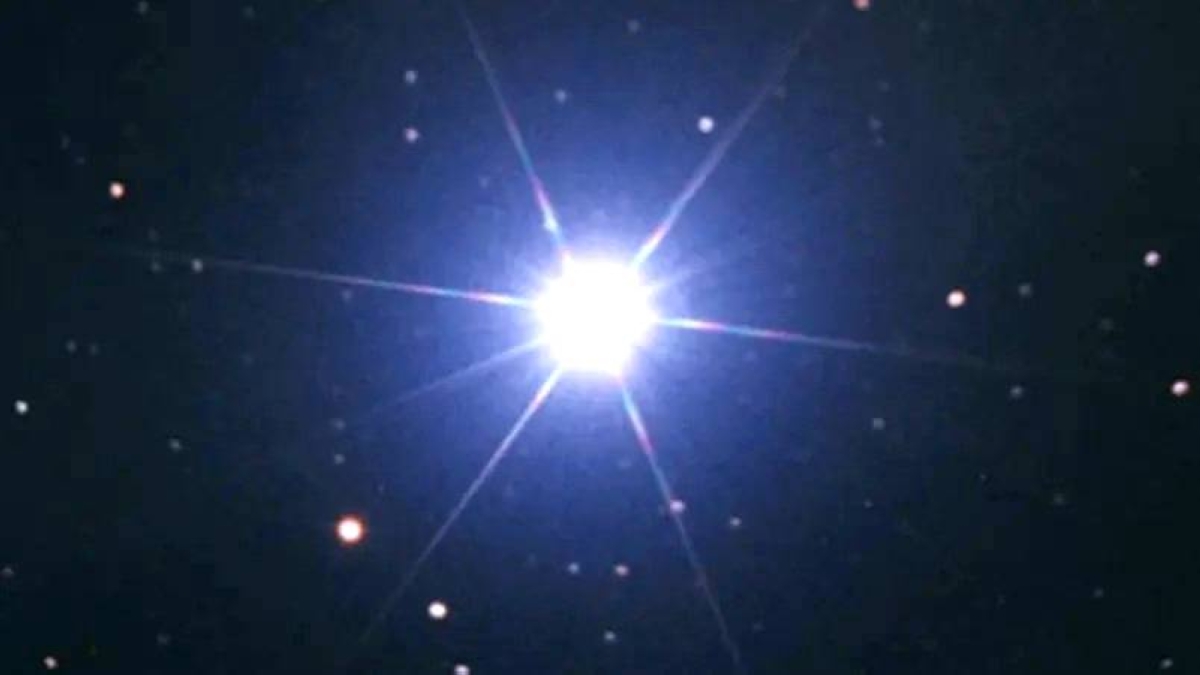
النجم سهيل.


تابع قناة عكاظ على الواتساب
«عكاظ» (جدة) OKAZ_online@
The Astronomical Society in Jeddah clarified that the features of the end of summer begin with the dawn of August 24 each year in the Arabian Peninsula, where the star Suhail appears in the southern horizon with its white, slightly yellowish shine, a traditional sign long awaited by the region's inhabitants since ancient times.
The president of the society, Engineer Majid Abu Zahra, said: "The Arabs in ancient times considered the appearance of Suhail a good omen, as it coincides with the decline in the angle of sunlight, the gradual shortening of the day, and the drop in temperatures during the late night, while the sun begins its journey south after being overhead in the heart of summer."
He explained that Suhail, or Canopus in the global nomenclature, is the second brightest star in the sky after Sirius, located about 313 light-years away from Earth, and belongs to the constellation Carina.
He added: "Scientifically, Suhail, or any other star—except for the sun—does not affect weather conditions; rather, it is merely an astronomical signal that coincides with the natural climate changes associated with the Earth's movement around the sun, serving as a cosmic clock indicating the approach of the autumn equinox."
Abu Zahra pointed out that Suhail can only be observed in areas located south of the 33 degrees north latitude, which includes the southern part of the Arabian Peninsula and its midsection, as well as some regions in North Africa. However, areas located north of this limit, such as northern Arabia and the Levant countries, cannot see Suhail at all, as the star remains below the horizon throughout the year.
It is worth mentioning that the rising of Suhail has been linked in popular culture to proverbs and poetry, becoming a distinctive marker in the agricultural calendar and desert heritage, where its appearance signals the start of the migration season for some birds and the time for planting certain crops.
The president of the society, Engineer Majid Abu Zahra, said: "The Arabs in ancient times considered the appearance of Suhail a good omen, as it coincides with the decline in the angle of sunlight, the gradual shortening of the day, and the drop in temperatures during the late night, while the sun begins its journey south after being overhead in the heart of summer."
He explained that Suhail, or Canopus in the global nomenclature, is the second brightest star in the sky after Sirius, located about 313 light-years away from Earth, and belongs to the constellation Carina.
He added: "Scientifically, Suhail, or any other star—except for the sun—does not affect weather conditions; rather, it is merely an astronomical signal that coincides with the natural climate changes associated with the Earth's movement around the sun, serving as a cosmic clock indicating the approach of the autumn equinox."
Abu Zahra pointed out that Suhail can only be observed in areas located south of the 33 degrees north latitude, which includes the southern part of the Arabian Peninsula and its midsection, as well as some regions in North Africa. However, areas located north of this limit, such as northern Arabia and the Levant countries, cannot see Suhail at all, as the star remains below the horizon throughout the year.
It is worth mentioning that the rising of Suhail has been linked in popular culture to proverbs and poetry, becoming a distinctive marker in the agricultural calendar and desert heritage, where its appearance signals the start of the migration season for some birds and the time for planting certain crops.