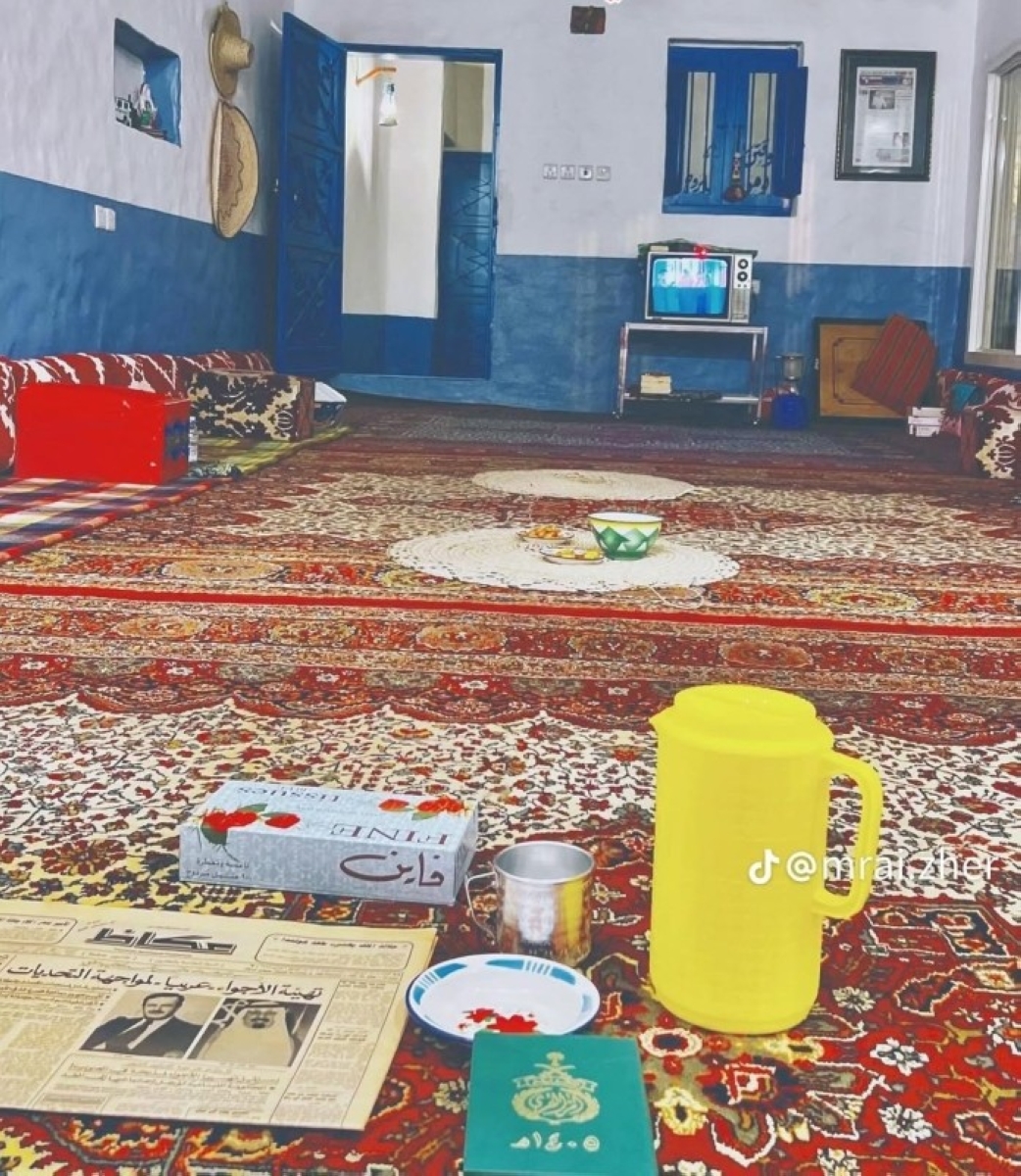
في مشهد يفيض بالحنين، يعود بنا البيت السعودي القديم إلى حقبة منتصف الثمانينيات الميلادية (1405هـ)، حين كان المجلس العربي التقليدي بأرضياته المزخرفة ومسانده الحمراء، يحتضن نقاشات الأهل حول ما ينقله الراديو، أو ما تُخطه الصحف من أخبار ساخنة.
وفي الصورة التي نشرها حساب عاشق الماضي عبر منصة «إكس» والتي توثق تلك المرحلة، تتربع صحيفة «عكاظ» في قلب المجلس بعنوانها البارز: «قمة الدار البيضاء.. عربياً لمواجهة التحديات»، وهو عنوان يلخص مرحلة دقيقة من التاريخ العربي، حين اجتمع القادة العرب في المغرب لمناقشة الحرب العراقية الإيرانية، والأزمة اللبنانية، ومستقبل القضية الفلسطينية.
في زاوية المجلس، شاشة تلفزيون قديمة تستعد لنشرات الأخبار، وصوت خافت لأكواب الشاي يختلط بوقع خطوات الأمهات في ممرات البيت. هنا، كان العالم يصل إلى الناس عبر نافذة الصحافة، قبل أن تغزو الهواتف الذكية كل تفاصيل حياتنا.
الأحداث آنذاك لم تكن عابرة: الحرب العراقية - الإيرانية في أوجها، و«عكاظ» تتابع تفاصيل الدعم العربي للعراق وتداعيات الحرب على أمن الخليج، القضية الفلسطينية في الواجهة، مع تنامي العمليات ضد الاحتلال، أزمة لبنان تتأرجح بين النار والهدنة، بينما المبادرات السعودية تحاول وقف نزيف الدم.
كل هذه الأخبار كانت تدخل إلى البيوت عبر جريدة تحملها الأيادي، في بيت لم يعرف إلا البساطة، وقيم الضيافة، وروح الألفة.
وجود صحيفة «عكاظ» في المجلس لم يكن تفصيلاً بسيطاً، بل كان انعكاساً لثقافة التواصل مع العالم، ولإيمان السعوديين منذ وقت مبكر بأن الإعلام نافذة للمعرفة، حتى في بيوت الطين والحجر.
بين أرفف هذا البيت وسجاده العتيق، تختبئ قصة جيل صنع حاضرنا. بيت سعودي قديم، ودلة صفراء، وصحيفة تحمل أخبار القمم العربية.. لوحة تعيدنا إلى زمن كان فيه الحبر يكتب التاريخ، والمجالس تحفظه.
In a scene overflowing with nostalgia, the old Saudi house takes us back to the mid-1980s (1405 AH), when the traditional Arab council, with its ornate floors and red cushions, hosted discussions among family members about what the radio was broadcasting or what hot news the newspapers were reporting.
In the image shared by the account "Lover of the Past" on the platform "X," which documents that era, the newspaper "Okaz" occupies a central place in the council with its prominent headline: "Casablanca Summit... Arabs Unite to Face Challenges." This headline summarizes a critical phase in Arab history when Arab leaders gathered in Morocco to discuss the Iran-Iraq War, the Lebanese crisis, and the future of the Palestinian cause.
In the corner of the council, an old television screen prepares for the news broadcasts, while the faint sound of tea cups mingles with the footsteps of mothers in the corridors of the house. Here, the world reached people through the window of journalism, before smartphones invaded every detail of our lives.
The events at that time were not fleeting: the Iran-Iraq War was at its peak, and "Okaz" was following the details of Arab support for Iraq and the war's implications for Gulf security, while the Palestinian issue was at the forefront, with increasing operations against the occupation. The Lebanese crisis was teetering between fire and ceasefire, while Saudi initiatives sought to stop the bloodshed.
All this news entered homes through a newspaper carried by hands, in a house that knew only simplicity, the values of hospitality, and a spirit of familiarity.
The presence of the "Okaz" newspaper in the council was not a trivial detail; it was a reflection of a culture of communication with the world and the early belief of Saudis that media is a window to knowledge, even in mud and stone houses.
Among the shelves of this house and its ancient carpet lies the story of a generation that shaped our present. An old Saudi house, a yellow dallah, and a newspaper carrying news of the Arab summits... a tableau that takes us back to a time when ink wrote history, and councils preserved it.