


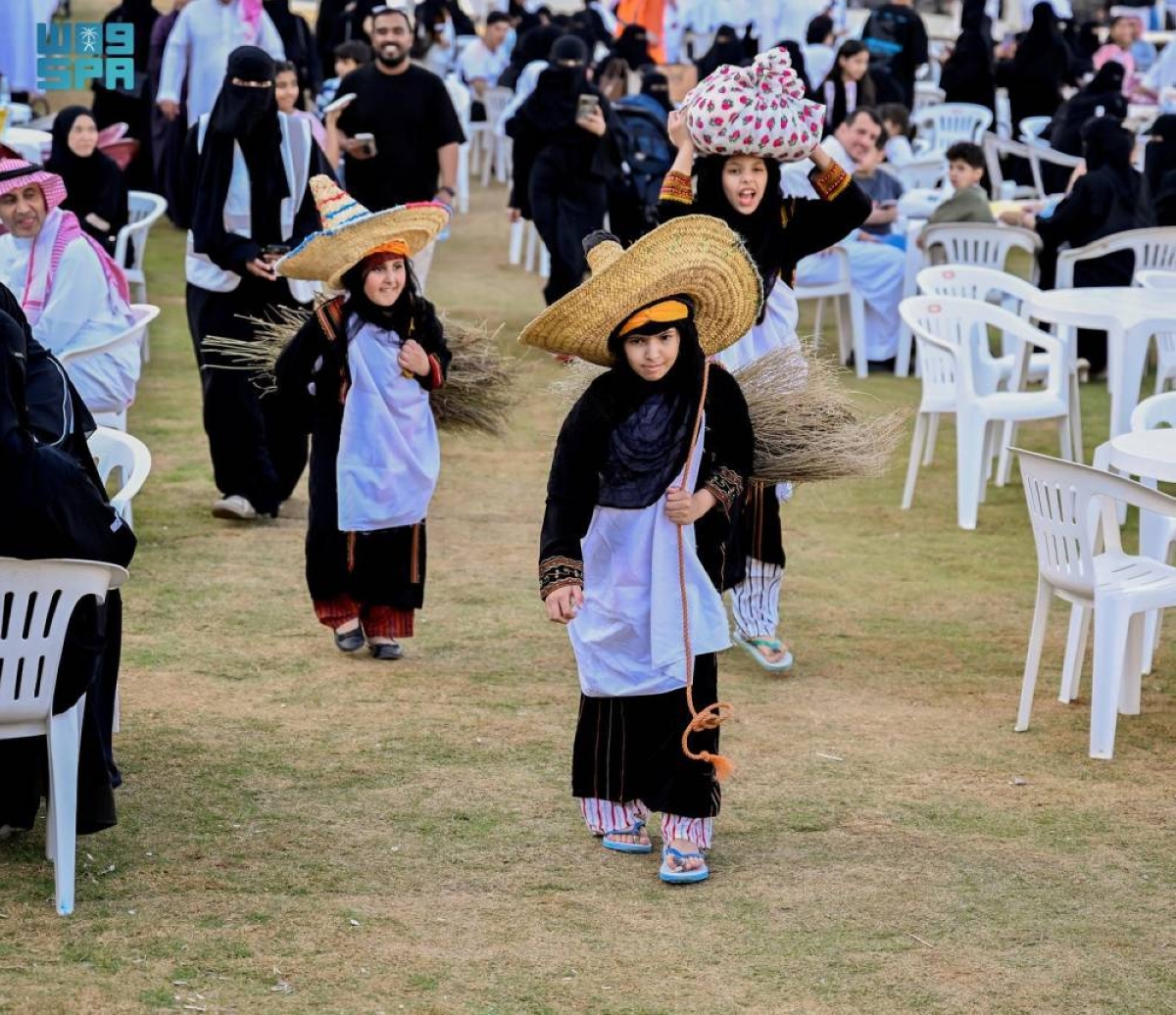
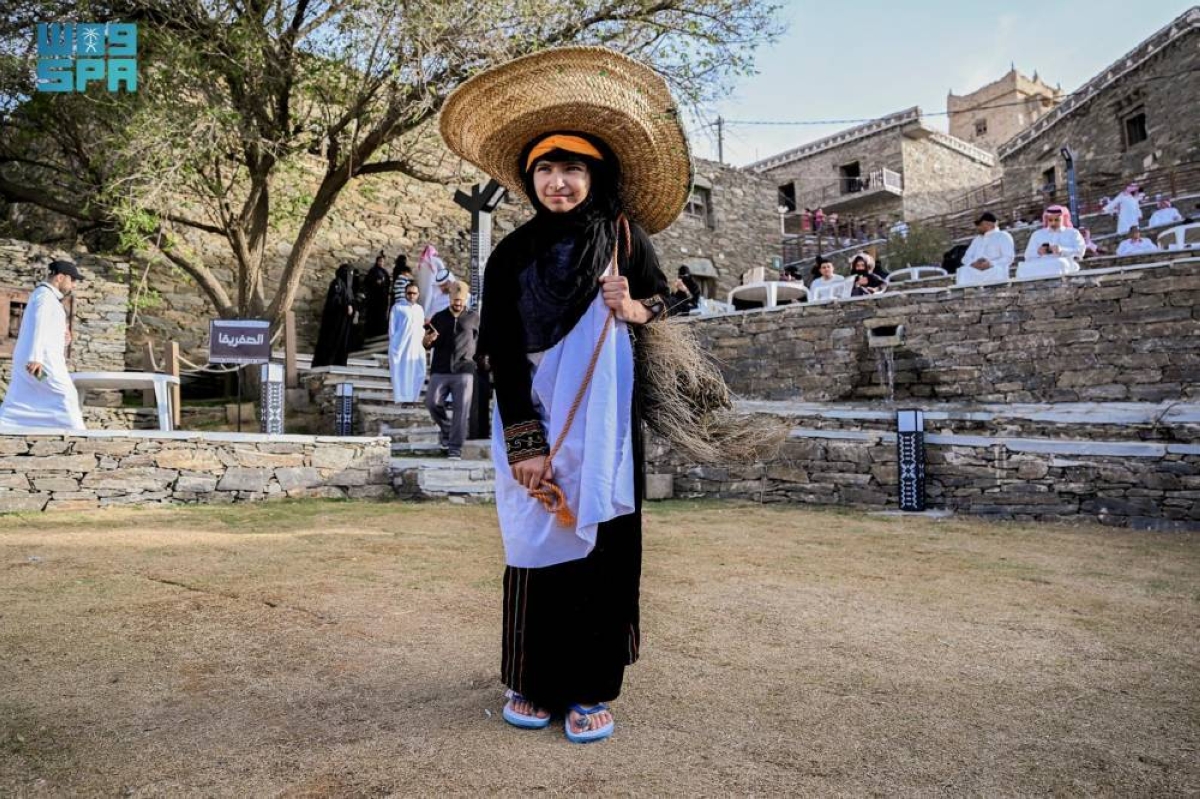
كأنما عاد الزمن بالمخضرمين من زوار مهرجان الأطاولة الثامن إلى ما قبل نصف قرن، وهم يشاهدون بأم أعينهم ( حفيدات ) من منطقة الباحة؛ يستعدن مهام الأمهات والجدات في بيوتهن وحقولهن ومرعى أغنامهن و أودية احتطابهن، و ركن صناعتهن التقليدية، ليذكّروا الزوار بما كانت عليه يوميات مجتمع الانتاج الذي أسهمت فيه المرأة بإبداع و مجارة لرفيق دربها الرجل دون كلل ولا ملل، واستعادوا مع فاروق جويدة(وكأنّ شيئاً عاش في قلبي وتسقط دمعتان، فالعطر عطرك والمكان..هو المكان، لكن شيئا قد تباعد بيننا
لا أنت أنت..ولا الزمان هو الزمان).
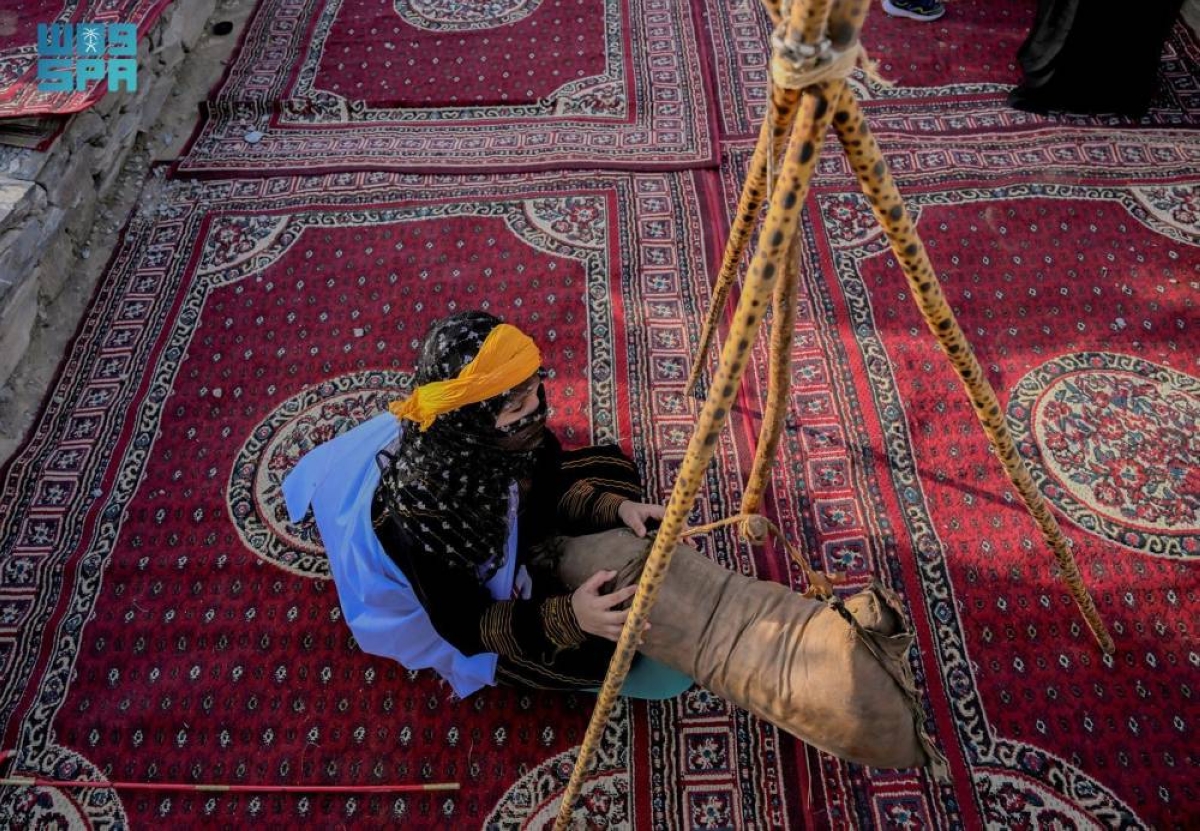
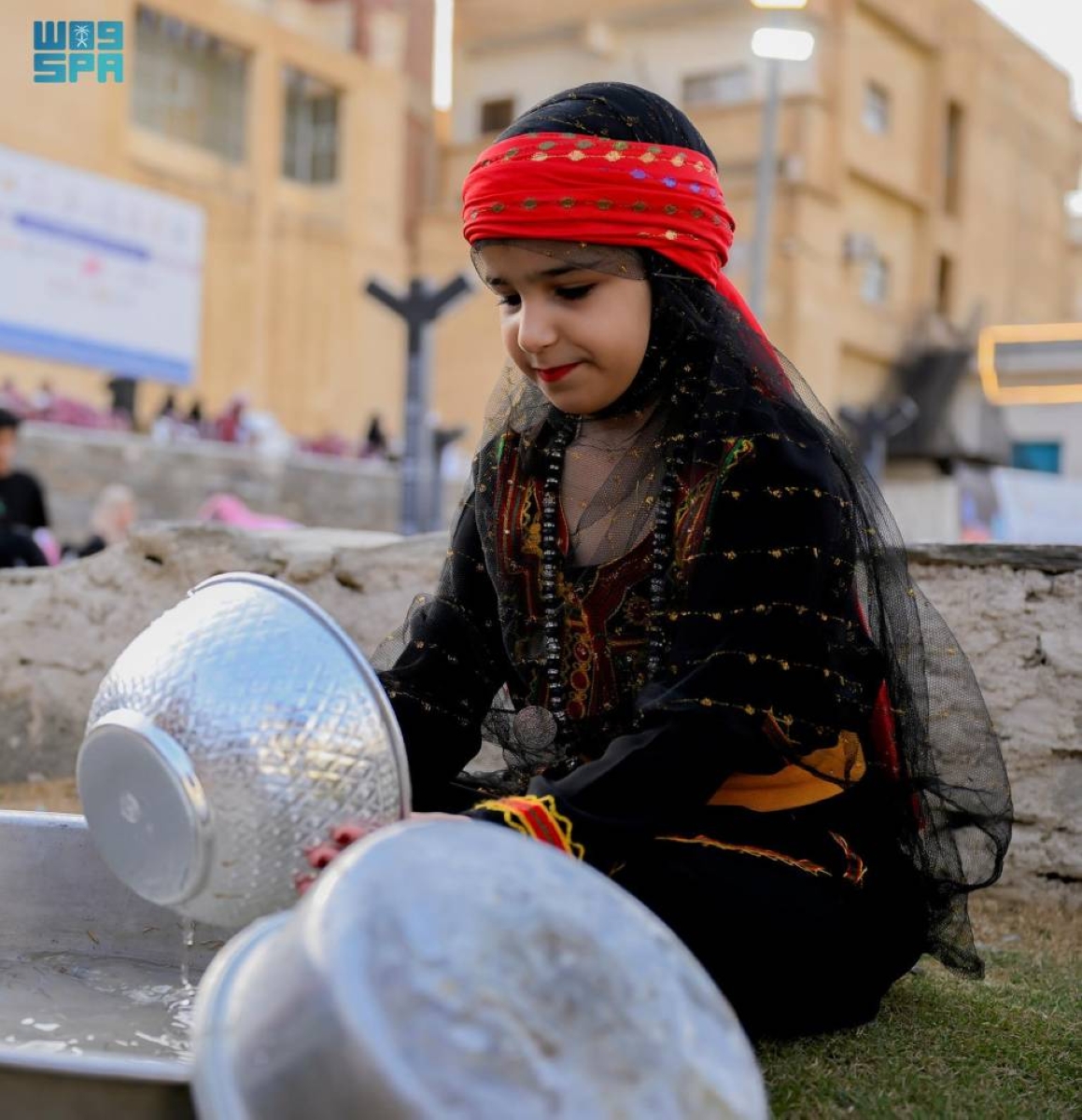
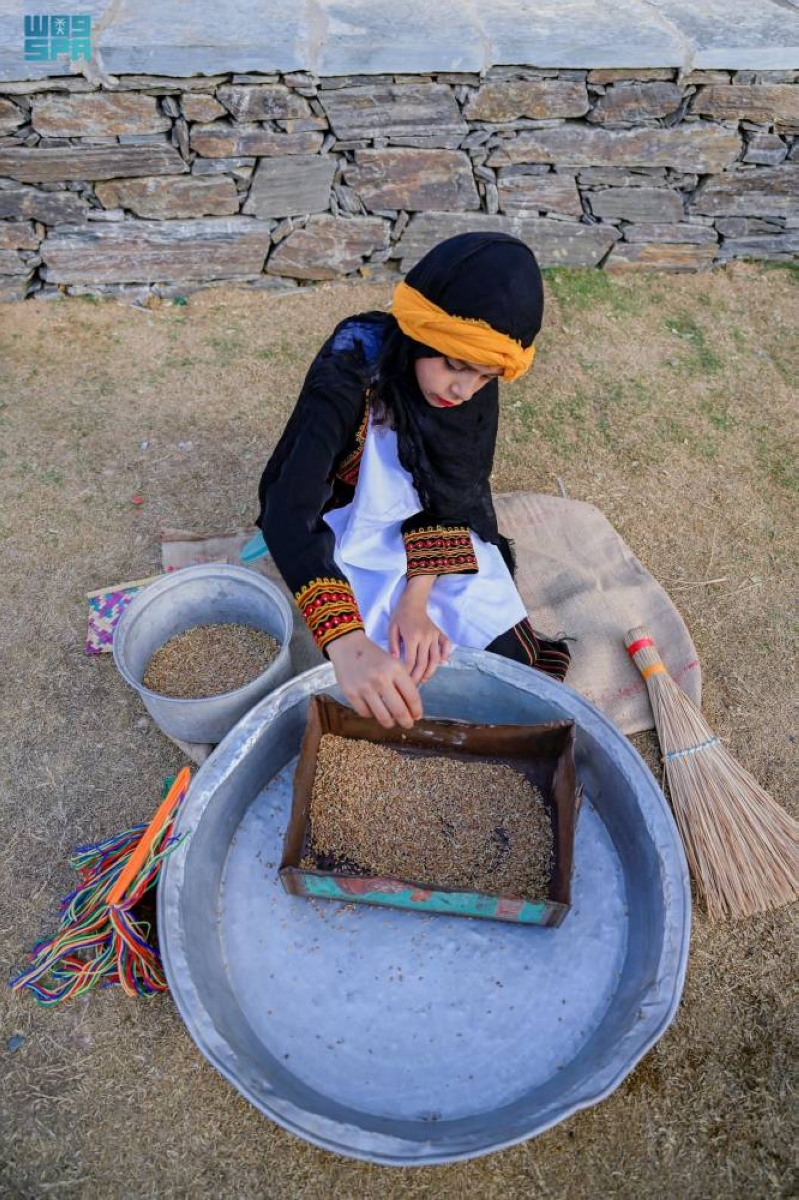
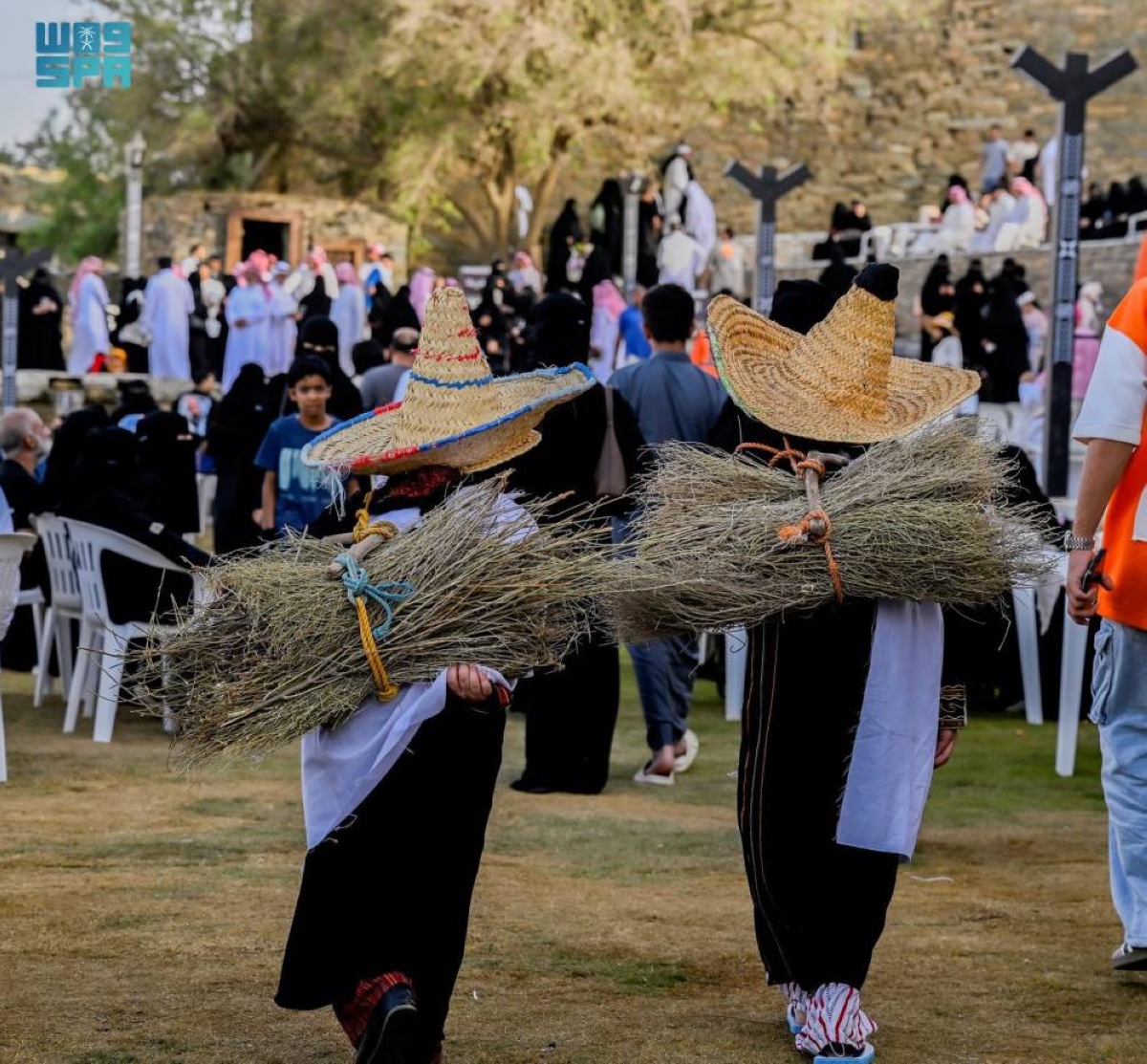
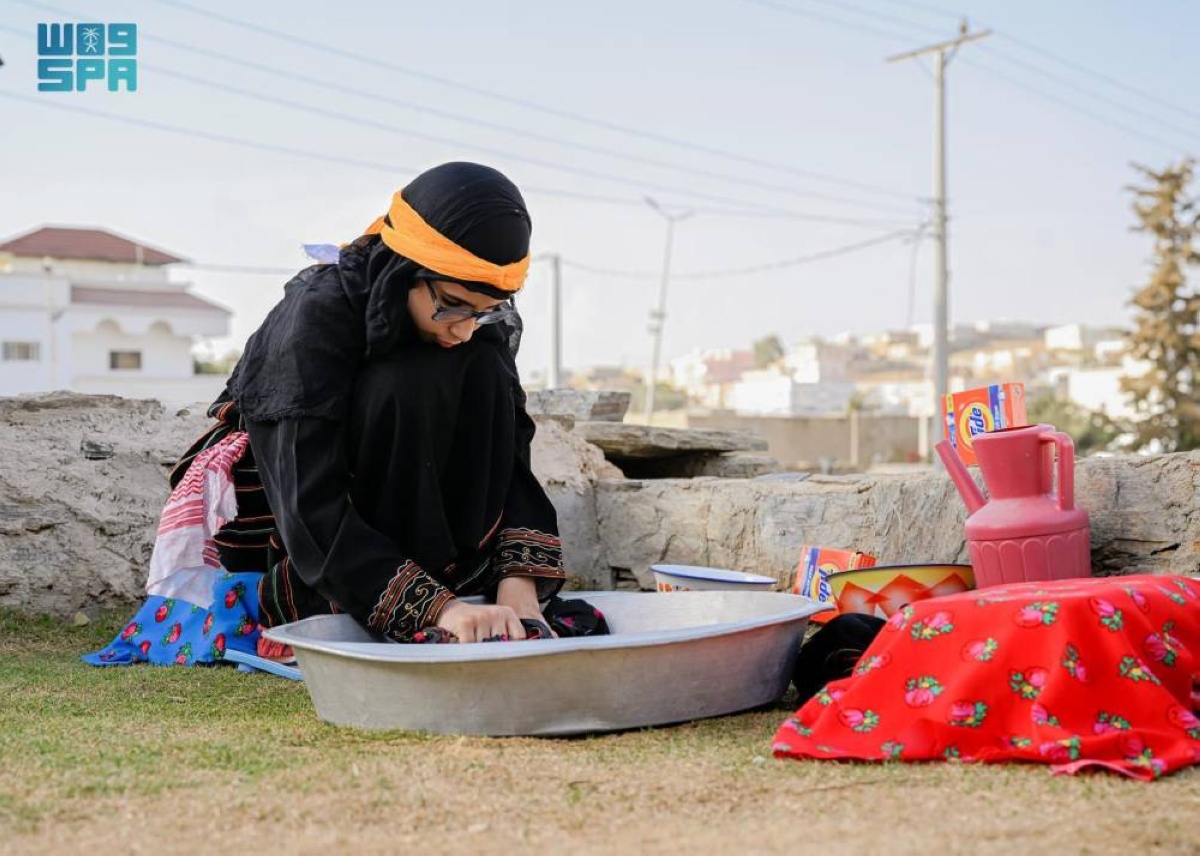
ومن خلال تنظيم المهرجان فعالية "أعمال الأمهات قديماً"، جسّد الصغيرات المميزات؛ حياة الجدة والأم والأخت والبنت في الماضي أمام حضور تملكته الدهشة وسكنه الحنين، بما أعادته اليوميات النسائية إلى الذاكرة، من أدوار سيدات منطقة الباحة في خدمة أُسرهن و الشراكة الفاعلة مع الرجل من مطلع الفجر إلى المبيت، إذ يبدأ يومها بصلاة الفجر؛ ثم إعداد ما تيسر من إفطار للزوج وأهله و العيال، والانطلاق لجلب الماء من الآبار؛ و تأمين الحطب من أودية تضاريسها وعرة، وحمل الصوف من وإلى الأسواق ، والغزل والنسيج ، و إبداعها في مواسم الأفراح شِعراً وفلكلوراً، و كل ذلك يتأتى بقدرات وهمم عالية ونفوس سخيّة في أزمنة شحيحة.
وتخللت الفعالية عروض حيّة، شملت إعداد الأطعمة، ونسج السلال والحصر، وعرض الأدوات التقليدية المستخدمة آنذاك، ما أتاح للزوار فرصة التعرف عن قرب على تفاصيل حياة الأرياف المعتمدة على الإمكانات المتاحة، و التفنن في الاختراع والمحاكاة بصور فاتنة، ما أذكى مشاعر الامتنان لمن أسهمن بأيديهن و أصواتهن في بناء منظومة إنسانية تكاملية ، ما أغرى الزوار من الأطفال والشباب، بتوثيق لقطات تخلّد في الوجدان صور من بيئات تعتز باسترجاع يومياتها.
يذكر أنّ مهرجان الأطاولة الثامن، يهدف إلى إبراز التراث المحلي، متطلّعاً إلى الحفاظ عليه، ونقله للأجيال المتعاقبة، ما يُسهم في تعزيز الهوية الوطنية، وترسيخ قيم الانتماء للتاريخ الوطني المتجدد.
حفيدات الجدّات يُشعلن حنين الذكريات في مهرجان الأطاولة
3 أغسطس 2025 - 13:07
|
آخر تحديث 3 أغسطس 2025 - 13:07


تابع قناة عكاظ على الواتساب
علي الرباعي (الباحة)
As if time had returned the seasoned visitors of the eighth Al-Atawlah Festival to half a century ago, they watched with their own eyes the (granddaughters) from the Al-Bahah region; preparing to take on the roles of mothers and grandmothers in their homes, fields, sheep pastures, firewood valleys, and traditional craft corners, reminding visitors of what the daily lives of a production community were like, where women contributed with creativity and partnership alongside their male companions tirelessly and without boredom. They reminisced with Farouk Goweda (as if something lived in my heart and two tears fell, for the scent is your scent and the place... is the place, but something has distanced us; you are not you... nor is time the time).
Through organizing the festival's activity "The Works of Mothers in the Past," the distinguished young girls embodied the life of the grandmother, mother, sister, and daughter in the past before an audience captivated by wonder and filled with nostalgia, as the women’s daily lives brought back memories of the roles of the women of the Al-Bahah region in serving their families and their active partnership with men from dawn until nightfall. Their day begins with the Fajr prayer; then preparing whatever breakfast is available for the husband, family, and children, setting off to fetch water from wells; securing firewood from the rugged valleys, carrying wool to and from the markets, spinning and weaving, and their creativity during joyful seasons through poetry and folklore, all accomplished with high capabilities, strong will, and generous souls in times of scarcity.
The event featured live demonstrations, including food preparation, basket and mat weaving, and showcasing the traditional tools used at that time, allowing visitors the opportunity to closely learn about the details of rural life that relied on available resources, and to innovate and imitate in stunning ways, which sparked feelings of gratitude for those who contributed with their hands and voices to building a comprehensive human system, enticing visitors, especially children and youth, to document moments that immortalize images from environments proud of recalling their daily lives.
It is worth mentioning that the eighth Al-Atawlah Festival aims to highlight local heritage, aspiring to preserve it and pass it on to successive generations, contributing to the enhancement of national identity and reinforcing values of belonging to the ever-renewing national history.
Through organizing the festival's activity "The Works of Mothers in the Past," the distinguished young girls embodied the life of the grandmother, mother, sister, and daughter in the past before an audience captivated by wonder and filled with nostalgia, as the women’s daily lives brought back memories of the roles of the women of the Al-Bahah region in serving their families and their active partnership with men from dawn until nightfall. Their day begins with the Fajr prayer; then preparing whatever breakfast is available for the husband, family, and children, setting off to fetch water from wells; securing firewood from the rugged valleys, carrying wool to and from the markets, spinning and weaving, and their creativity during joyful seasons through poetry and folklore, all accomplished with high capabilities, strong will, and generous souls in times of scarcity.
The event featured live demonstrations, including food preparation, basket and mat weaving, and showcasing the traditional tools used at that time, allowing visitors the opportunity to closely learn about the details of rural life that relied on available resources, and to innovate and imitate in stunning ways, which sparked feelings of gratitude for those who contributed with their hands and voices to building a comprehensive human system, enticing visitors, especially children and youth, to document moments that immortalize images from environments proud of recalling their daily lives.
It is worth mentioning that the eighth Al-Atawlah Festival aims to highlight local heritage, aspiring to preserve it and pass it on to successive generations, contributing to the enhancement of national identity and reinforcing values of belonging to the ever-renewing national history.


