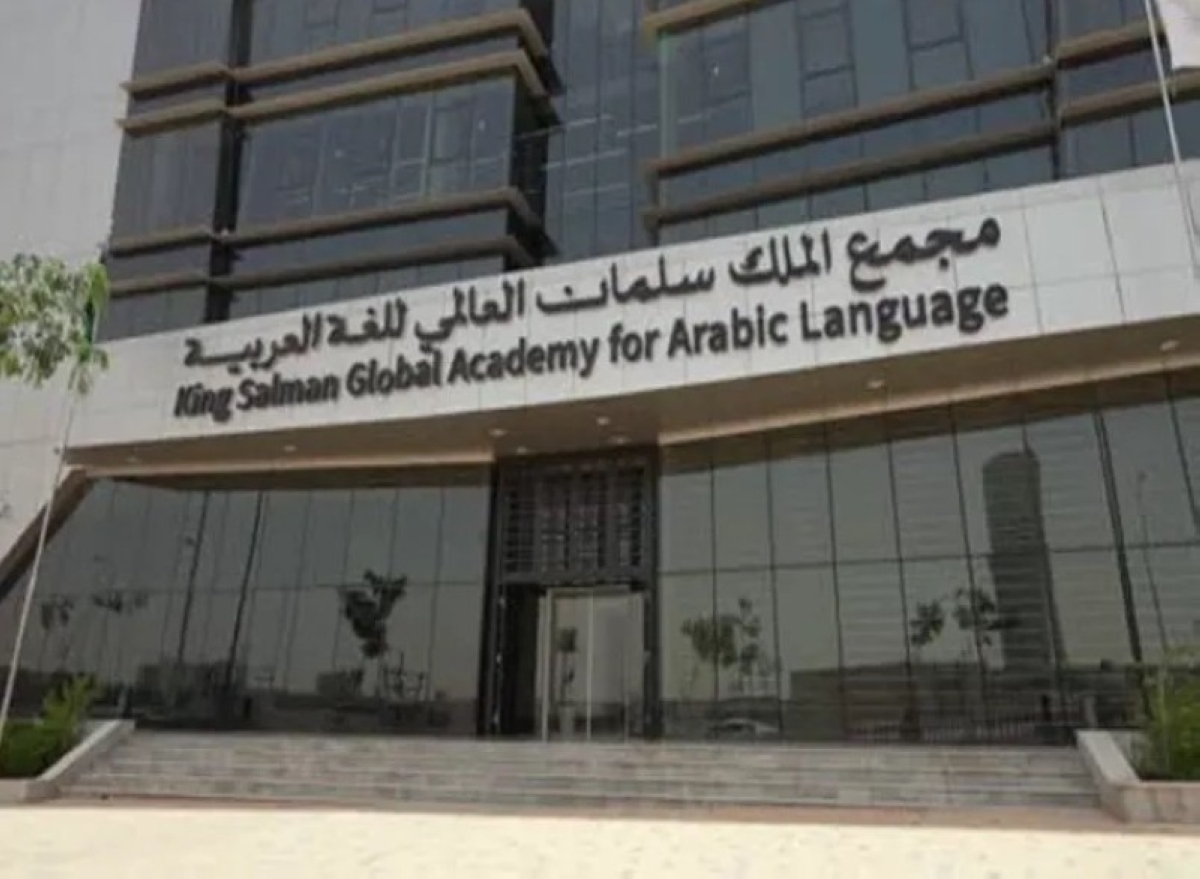
أطلق مجمع الملك سلمان العالمي للغة العربية أمس (الخميس) البرنامج التعليمي (وصال)، ضمن مسار تعليم اللغة العربية للناطقين بغيرها من العاملين في القطاعين الحكومي والخاص داخل المملكة.
ويهدف البرنامج إلى توفير فرص تدريب لغوي مجانية ضمن خطط التدريب المؤسسي في جهاتهم، وذلك في إطار مبادراته الداعمة لتمكين اللغة العربية في السياقات المؤسسية والمهنية.
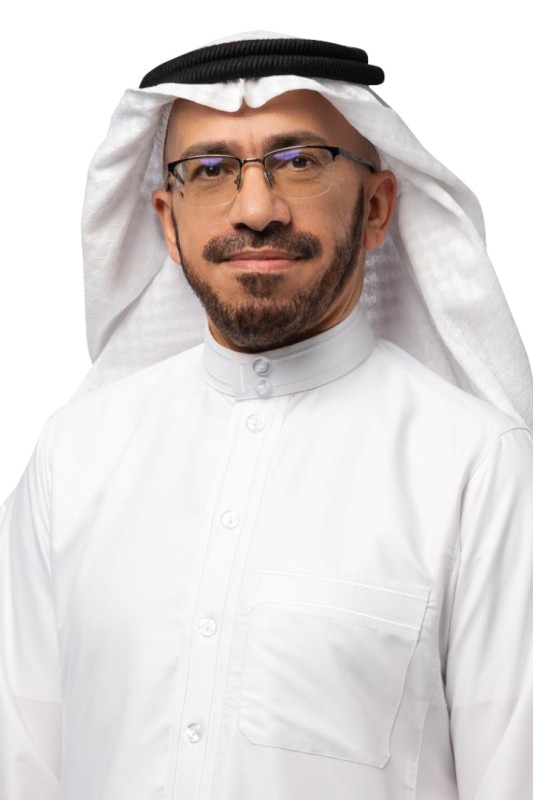
وأوضح الأمين العام للمجمع الدكتور عبدالله بن صالح الوشمي أن البرنامج يمثل خطوةً نوعيةً في تفعيل اللغة العربية وتعزيز حضورها في المجالات العملية والمهنية في القطاعين الحكومي والخاص؛ انعكاسا لدور المجمع في تطوير بيئات العمل متعددة اللغات داخل المملكة.
وقال: نسعى إلى تمكين شريحة واسعة من العاملين الناطقين بغير العربية من أدوات التواصل اللغوي الوظيفي، على نحو يسهم في تعزيز أدائهم، ويعمق ارتباطهم بالثقافة والهُوية الوطنية، ويعبر هذا البرنامج عن التزام المجمع بمسؤوليته التعليمية والتنموية، وبدوره الداعم لتحقيق مستهدفات رؤية السعودية 2030، وبرنامج تنمية القدرات البشرية.
وأضاف: يتميز البرنامج بمنهج علمي متكامل يغطي الجوانب اللغوية والتواصلية، ويركز على المهارات الرئيسية التي تدعم الاستخدام الوظيفي للعربية في مجالات العمل، ويتضمن محتوى تدريبيًّا لغويًّا وثقافيًّا يعزز قدرة المتدرب على أداء مهماته بكفاءة ضمن سياق الثقافة السعودية.
وأشار إلى أن البرنامج ينفذ على مدى 3 أشهر في مقر المجمع بمدينة الرياض، بنظام مرن يراعي أوقات العمل، وطبيعة التزامات المتدربين.
ويواصل المجمع جهوده في تصميم مبادرات تعليمية متقدمة تراعي احتياجات المتعلمين، وتنوع خلفياتهم، وتدعم استخدام اللغة العربية بفاعلية في البيئات التعليمية والمهنية، على نحو يعكس رسالة المجمع في ترسيخ اللغة العربية، وتعزيز استخدامها في جميع مجالات المعرفة والتواصل.
The King Salman Global Complex for the Arabic Language launched yesterday (Thursday) the educational program (Wisal), as part of the Arabic language education pathway for non-native speakers working in both the public and private sectors within the Kingdom.
The program aims to provide free linguistic training opportunities as part of the institutional training plans in their organizations, as part of its initiatives supporting the empowerment of the Arabic language in institutional and professional contexts.
The Secretary-General of the Complex, Dr. Abdullah bin Saleh Al-Washmi, explained that the program represents a qualitative step in activating the Arabic language and enhancing its presence in practical and professional fields in both the public and private sectors; reflecting the role of the Complex in developing multilingual work environments within the Kingdom.
He said: We seek to empower a wide segment of non-Arabic-speaking workers with functional linguistic communication tools, in a way that contributes to enhancing their performance, deepens their connection to culture and national identity, and this program expresses the Complex's commitment to its educational and developmental responsibility, and its supportive role in achieving the objectives of Saudi Vision 2030 and the Human Capacity Development Program.
He added: The program features a comprehensive scientific curriculum that covers linguistic and communicative aspects, focusing on the key skills that support the functional use of Arabic in the workplace, and includes linguistic and cultural training content that enhances the trainee's ability to perform their tasks efficiently within the context of Saudi culture.
He noted that the program is implemented over a period of 3 months at the Complex's headquarters in Riyadh, with a flexible system that considers working hours and the nature of the trainees' commitments.
The Complex continues its efforts in designing advanced educational initiatives that take into account the needs of learners, their diverse backgrounds, and support the effective use of the Arabic language in educational and professional environments, in a way that reflects the Complex's message in consolidating the Arabic language and enhancing its use in all fields of knowledge and communication.