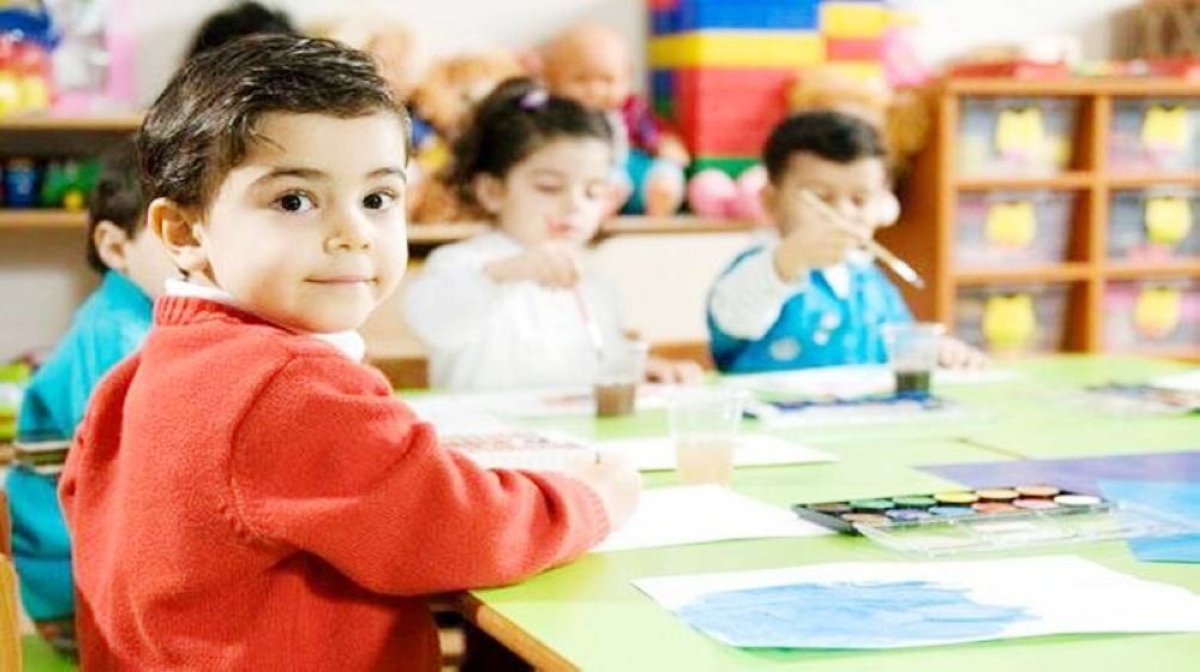
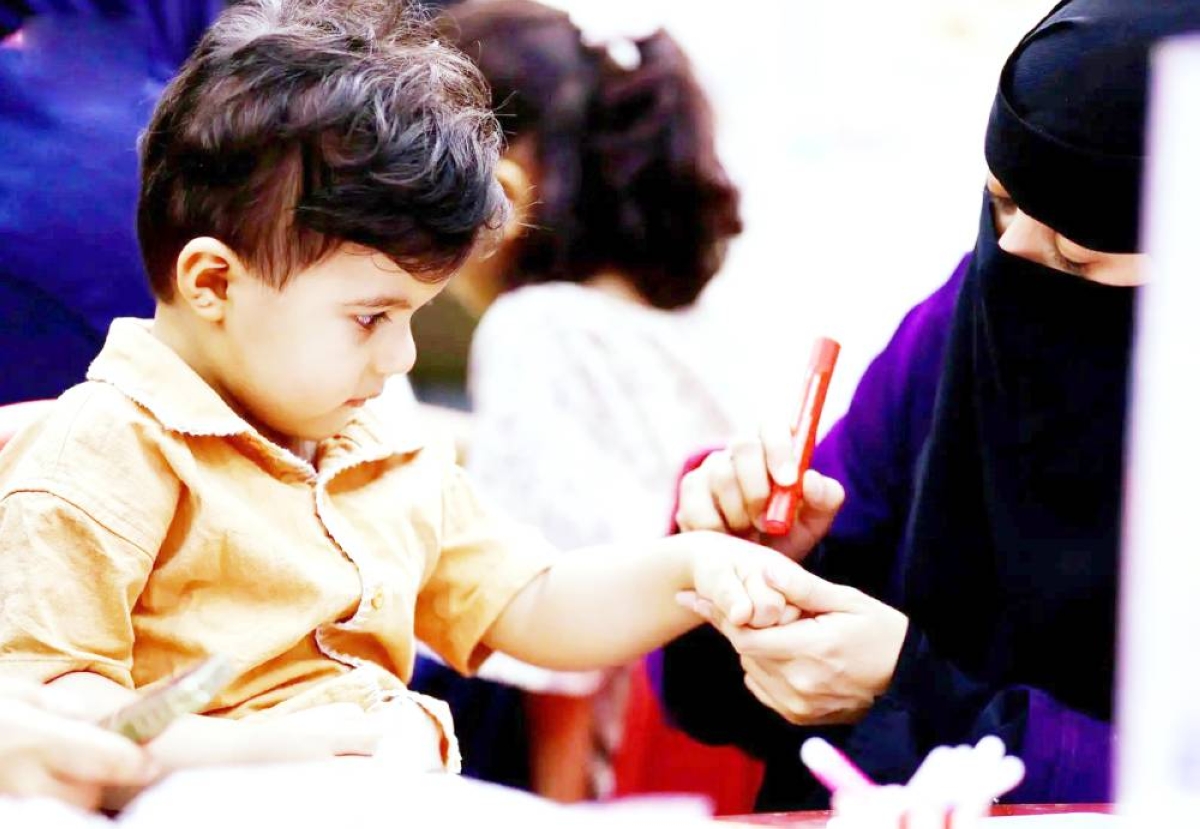
اعتمدت وزارة التعليم أخيرًا، الضوابط التنظيمية الجديدة لرياض الأطفال والحضانات، في خطوة تنظيمية تهدف إلى تعزيز جودة التعليم المبكر، وضمان بيئة تعليمية آمنة ومحفزة تتناسب مع خصائص الأطفال في المراحل العمرية المبكرة، وذلك وفق قرار وزاري صدر مؤخرًا.
وأوضحت الضوابط، أن نصاب المعلمة في رياض الأطفال يُحدّد حسب المرحلة العمرية؛ ليكون لكل 10 أطفال من عمر 3 إلى أقل من 4 سنوات معلمة واحدة، ولكل 13 طفلًا من عمر 4 إلى أقل من 5 سنوات، ولكل 15 طفلًا من عمر 5 إلى أقل من 6 سنوات. أما في مرحلة الحضانة، فقد تم تحديد معلمة أو مقدمة رعاية لكل 5 أطفال في الفئة العمرية من شهر إلى سنة، ولكل 6 أطفال للفئة من سنة إلى أقل من سنتين، ولكل 7 أطفال في الفئة العمرية من سنتين الى ما قبل 3 سنوات، مما يعكس اهتمام الوزارة بالرعاية الفردية والملاحظة الدقيقة للأطفال في هذه المرحلة الحساسة.وتهدف الضوابط، إلى تحقيق نمو شامل للأطفال، وتعزيز جاهزيتهم المدرسية، وتنمية قدراتهم العقلية واللغوية والاجتماعية، كما تُشجع على التدخل المبكر للأطفال ذوي الإعاقة وتقديم الدعم التربوي المناسب لهم.وأكدت وزارة التعليم، على ضرورة توفير بيئة تعليمية محفزة وآمنة، تشمل مراكز تعلم متنوعة وأركانًا تفاعلية، مع مراعاة سلامة المباني والتجهيزات، وتحقيق «الوصول الشامل» للأطفال ذوي الإعاقة، وضمان وجود الملاحظة البصرية المستمرة للأطفال.
كما شددت الضوابط على الصحة والتغذية، إذ يُشترط حصول العاملات على شهادات صحية، وتحديث ملفات الأطفال الطبية، وتقديم وجبات صحية تتناسب مع احتياجات الطفل، إلى جانب تعزيز الرضاعة الطبيعية في مرافق مهيأة داخل الحضانات.وفيما يخص العلاقة مع الأسرة، أكدت الوزارة، أهمية شراكة أولياء الأمور عبر اللقاءات الدورية والمشاركة في الأنشطة، إلى جانب إشراك المجتمع المحلي والمختصين في دعم البرامج والخدمات المقدمة للأطفال.ويُعد هذا القرار نقلة نوعية في تنظيم قطاع الطفولة المبكرة، ويجسّد حرص الوزارة على تهيئة الأطفال للحياة المدرسية من خلال بيئة تعلم شاملة، وبرامج تنموية حديثة، ورعاية متكاملة منذ الأشهر الأولى من العمر وحتى سن السادسة.التربوي فهد العتيبي يقول لـ«عكاظ» إن تقليص عدد الأطفال لكل معلمة في مراحل الطفولة المبكرة هو أحد أبرز المؤشرات على جودة التعليم والرعاية، إذ ينعكس ذلك بشكل مباشر على مستوى الانتباه الفردي الذي يحصل عليه الطفل، فكلما قلّ عدد الأطفال لكل معلمة، زادت قدرتها على متابعة احتياجات كل طفل بدقة، وتقديم الدعم المناسب لنموه المعرفي واللغوي والاجتماعي.ومن الناحية التربوية، فإن البيئة الهادئة البعيدة عن الزحام والضوضاء تتيح للطفل فرصة حقيقية للتعلم النشط والاستكشاف والتعبير عن الذات دون تشتت، كما تعزز العلاقة الإيجابية مع الطفل، ما يُسهم في بناء الثقة بالنفس، والشعور بالأمان النفسي، وهو ما يحتاجه الطفل في هذه المرحلة التأسيسية الحساسة.كما أن تقليل الكثافة العددية في الفصول يحدّ من السلوكيات الفوضوية أو العدوانية التي قد تنشأ في البيئات المزدحمة، ويُسهم في تحسين تفاعل الأطفال مع الأنشطة والمواد التعليمية، ويمنحهم مزيدًا من الوقت للتجريب والتفكير، مما يرفع من جودة التعلم ويزيد من استعدادهم للمرحلة الابتدائية.التطبيق صعب في هذه الحالةالمستشار التربوي الدكتور صالح الزهراني، يرى بأن قرار تقليص نصاب معلمة الروضة إلى أقل من 10 طلاب يمكن أن يعزز جودة التعليم المبكر من خلال تمكين المعلمة من تقديم اهتمام فردي أكبر لكل طفل مما يدعم تلبية احتياجاتهم التعليمية والنفسية والاجتماعية بشكل أفضل خاصة في مرحلة الطفولة المبكرة التي تتطلب رعاية مكثفة، كما أنه قد يسهم في خلق بيئة تعليمية أكثر أمانًا وإيجابية مع تقليل الضغط على المعلمات.إلا أنه من ناحية أخرى قد يواجه تحديات تشغيلية مثل الحاجة إلى زيادة عدد المعلمات أو الفصول لاستيعاب الطلاب مما قد يرفع التكاليف ويضع ضغطًا على الموارد البشرية والمالية للمدارس، كذلك قد يكون من الصعب تطبيق هذا النصاب في المناطق ذات الكثافة الطلابية العالية أو في المدارس التي تعاني من عجز في المعلمين.وأكد الزهراني لعكاظ قائلا: لهذا فإن القرار يعكس توجهًا نحو تحسين جودة التعليم المبكر لكنه يتطلب تخطيطًا دقيقًا لضمان التنفيذ الفعال دون التأثير على استمرارية العملية التعليمية.
The Ministry of Education has finally adopted new regulatory controls for kindergartens and nurseries, in an organizational step aimed at enhancing the quality of early education and ensuring a safe and stimulating learning environment that aligns with the characteristics of children in early age stages, according to a ministerial decision issued recently.
The regulations clarified that the teacher-to-child ratio in kindergartens is determined based on the age group; there should be one teacher for every 10 children aged 3 to less than 4 years, one teacher for every 13 children aged 4 to less than 5 years, and one teacher for every 15 children aged 5 to less than 6 years. In the nursery stage, one teacher or caregiver is designated for every 5 children in the age group from one month to one year, one for every 6 children in the age group from one year to less than two years, and one for every 7 children in the age group from two years to before three years, reflecting the ministry's concern for individual care and close observation of children in this sensitive stage. The regulations aim to achieve comprehensive growth for children, enhance their school readiness, and develop their cognitive, linguistic, and social abilities. They also encourage early intervention for children with disabilities and provide appropriate educational support for them. The Ministry of Education emphasized the necessity of providing a stimulating and safe learning environment that includes diverse learning centers and interactive corners, while ensuring the safety of buildings and equipment, achieving "inclusive access" for children with disabilities, and ensuring continuous visual monitoring of children.
The regulations also stressed health and nutrition, requiring staff to obtain health certificates, update children's medical files, and provide healthy meals that meet children's needs, in addition to promoting breastfeeding in facilities equipped within nurseries. Regarding the relationship with families, the ministry confirmed the importance of parental partnership through regular meetings and participation in activities, as well as involving the local community and specialists in supporting programs and services provided to children. This decision represents a qualitative leap in organizing the early childhood sector and embodies the ministry's commitment to preparing children for school life through an inclusive learning environment, modern developmental programs, and comprehensive care from the earliest months of life until the age of six. Educational expert Fahd Al-Otaibi told "Okaz" that reducing the number of children per teacher in early childhood stages is one of the most prominent indicators of quality education and care, as this directly reflects the level of individual attention each child receives. The fewer the number of children per teacher, the greater her ability to accurately monitor each child's needs and provide appropriate support for their cognitive, linguistic, and social development. From an educational perspective, a calm environment away from crowding and noise provides the child with a genuine opportunity for active learning, exploration, and self-expression without distraction, while also enhancing the positive relationship with the child, contributing to building self-confidence and a sense of psychological safety, which is essential for the child in this sensitive foundational stage. Additionally, reducing class size limits chaotic or aggressive behaviors that may arise in crowded environments, contributes to improving children's interaction with activities and educational materials, and gives them more time for experimentation and thinking, which raises the quality of learning and increases their readiness for primary school. Implementation is difficult in this case Educational consultant Dr. Saleh Al-Zahrani believes that the decision to reduce the kindergarten teacher's ratio to less than 10 students can enhance the quality of early education by enabling the teacher to provide greater individual attention to each child, thus better meeting their educational, psychological, and social needs, especially in the early childhood stage that requires intensive care. It may also contribute to creating a safer and more positive learning environment while reducing pressure on teachers. However, on the other hand, it may face operational challenges such as the need to increase the number of teachers or classrooms to accommodate students, which could raise costs and put pressure on the human and financial resources of schools. It may also be difficult to implement this ratio in areas with high student density or in schools suffering from a shortage of teachers. Al-Zahrani confirmed to Okaz, saying: Therefore, this decision reflects a trend towards improving the quality of early education, but it requires careful planning to ensure effective implementation without affecting the continuity of the educational process.