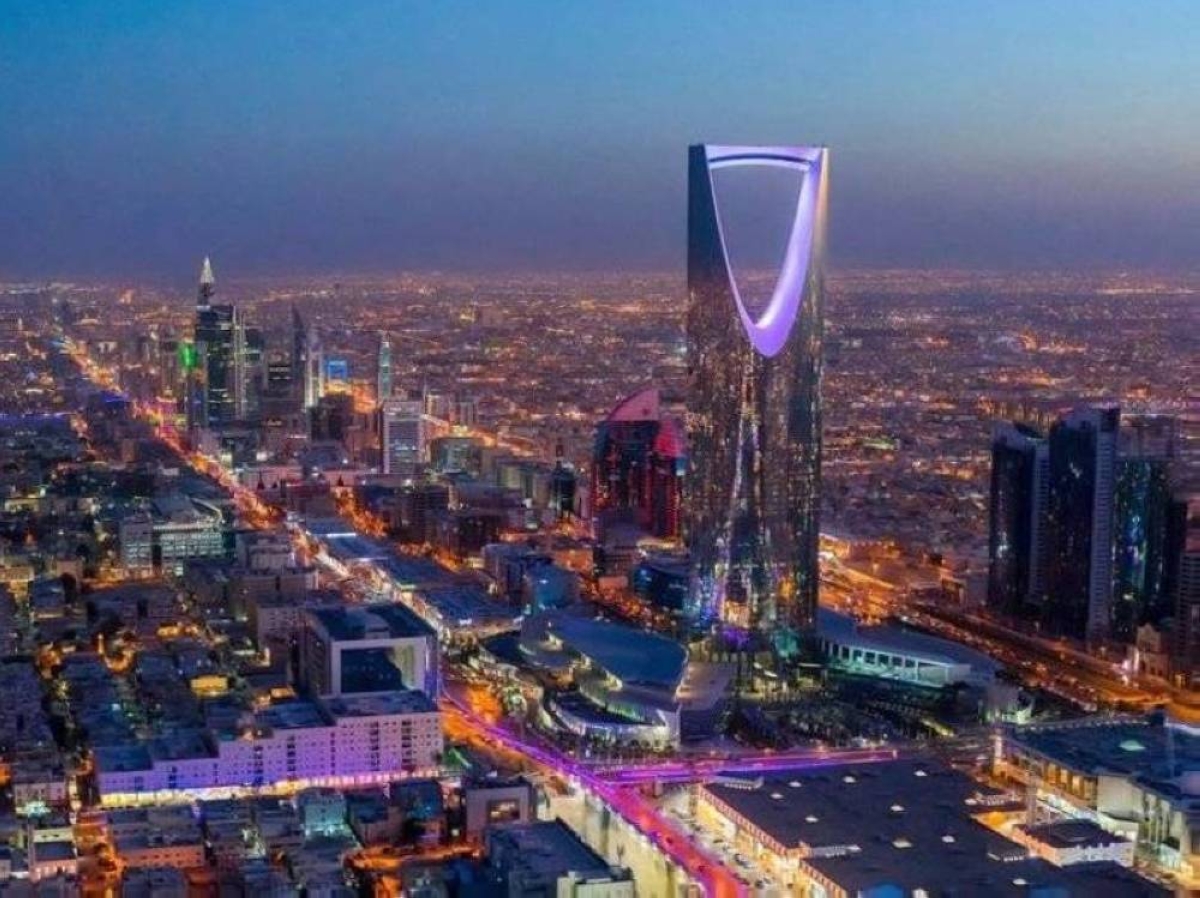
أقرت أمانة منطقة الرياض، بالتعاون مع وزارة البلديات والإسكان، حزمة من الضوابط والاشتراطات الجديدة لاعتماد المخططات العمرانية في العاصمة، التي تلزم المكاتب الهندسية والمطورين العقاريين باستيفاء كامل عناصر البنية التحتية والمجال العام قبل الشروع في أعمال البناء، وذلك في خطوة إستراتيجية تعكس تحولاً جذرياً في منهجية التخطيط العمراني، وترسخ أسس الاستدامة وجودة الحياة في المدينة.
وتشمل الاشتراطات الجديدة تنفيذ أعمال السفلتة والرصف، وإنارة الشوارع، وتمديد شبكات المياه، والصرف الصحي، والكهرباء، والهاتف، إلى جانب استكمال شبكات تصريف السيول، وإنشاء الحدائق، وأعمال التشجير، وتوفير عناصر المجال العام مثل الفراغات المفتوحة، ولوحات تسمية الشوارع، وتخطيط الطرق، وتوفير الأثاث الحضري لتحسين الأماكن العامة، وذلك وفق الأدلة الفنية المعتمدة لدى الأمانة.
ويأتي هذا التوجه ضمن جهود أمانة منطقة الرياض لتعزيز الاستباقية في التنمية الحضرية، وتفادي التحديات المتكررة التي كانت تعاني منها النماذج السابقة، ومن أبرزها الحفر المتكرر في الشوارع بعد البناء، والتأخر في إيصال الخدمات، وعدم اكتمال عناصر البيئة الحضرية في مراحلها الأولى.
ومن شأن هذه الضوابط أن تسهم في رفع جودة المخططات الجديدة، وتأسيس أحياء متكاملة تلبّي احتياجات السكان، وتعزز كفاءة استخدام الأراضي، وتدعم زيادة المسطحات الخضراء، ومسارات المشاة والدراجات، ما يُواكب أهداف الأمانة في أنسنة المدينة، وتحقيق مستهدفات رؤية المملكة 2030، ويدعم مكانة العاصمة مدينة حديثة، مرنة، ومستدامة.
The Riyadh Municipality, in collaboration with the Ministry of Municipalities and Housing, has approved a set of new regulations and requirements for the approval of urban plans in the capital. These regulations require engineering offices and real estate developers to fulfill all elements of infrastructure and public space before commencing construction work. This is a strategic step that reflects a fundamental shift in urban planning methodology and establishes the foundations of sustainability and quality of life in the city.
The new requirements include the implementation of paving and surfacing works, street lighting, extending water, sewage, electricity, and telephone networks, in addition to completing stormwater drainage networks, creating parks, landscaping, and providing elements of public space such as open areas, street name signs, road planning, and urban furniture to enhance public places, all in accordance with the technical guidelines approved by the municipality.
This approach is part of the Riyadh Municipality's efforts to enhance proactivity in urban development and avoid the recurring challenges faced by previous models, most notably the repeated digging in streets after construction, delays in service delivery, and the incomplete elements of the urban environment in its initial stages.
These regulations are expected to contribute to improving the quality of new plans, establishing integrated neighborhoods that meet the needs of residents, enhancing land use efficiency, and supporting the increase of green spaces, pedestrian and bicycle paths, in line with the municipality's goals of humanizing the city and achieving the objectives of Saudi Vision 2030, thereby supporting the capital's position as a modern, flexible, and sustainable city.