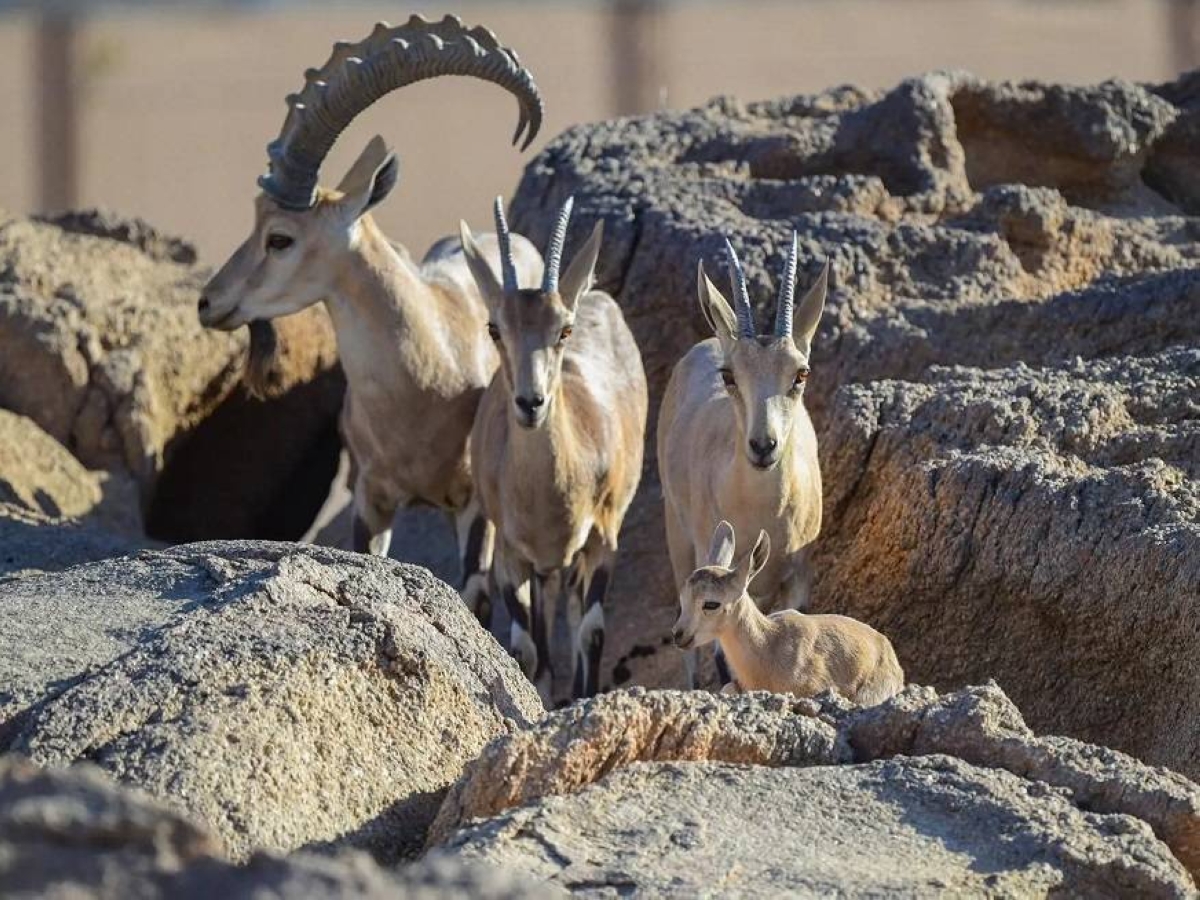
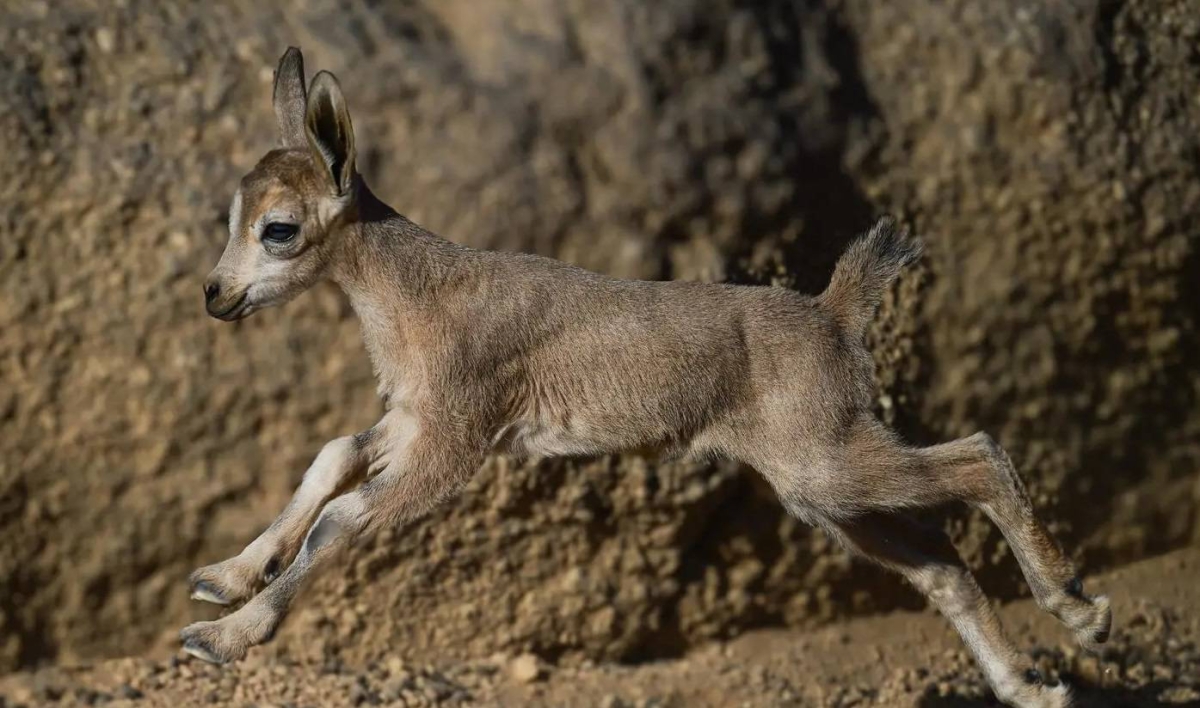
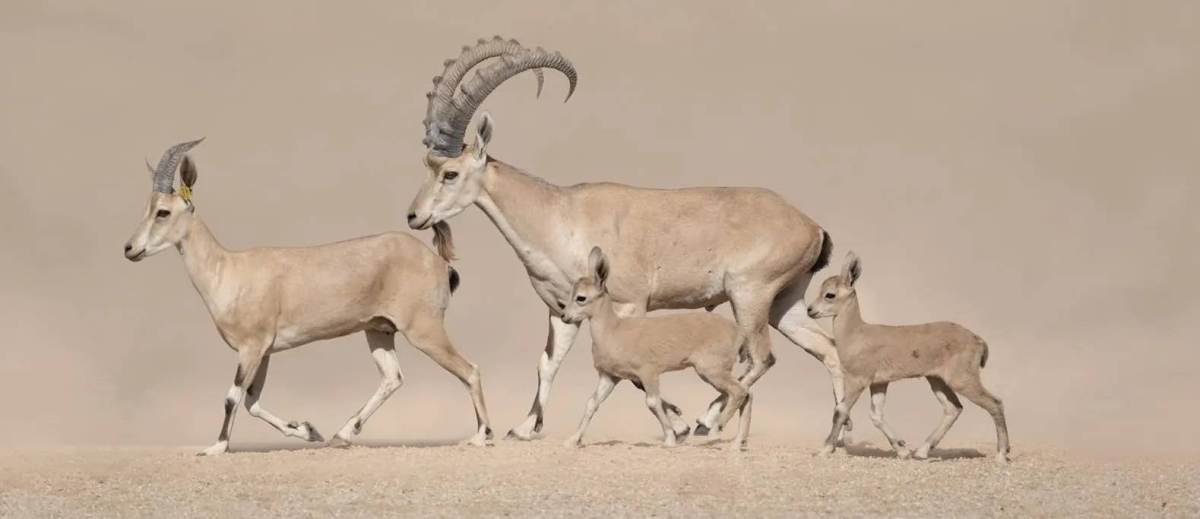
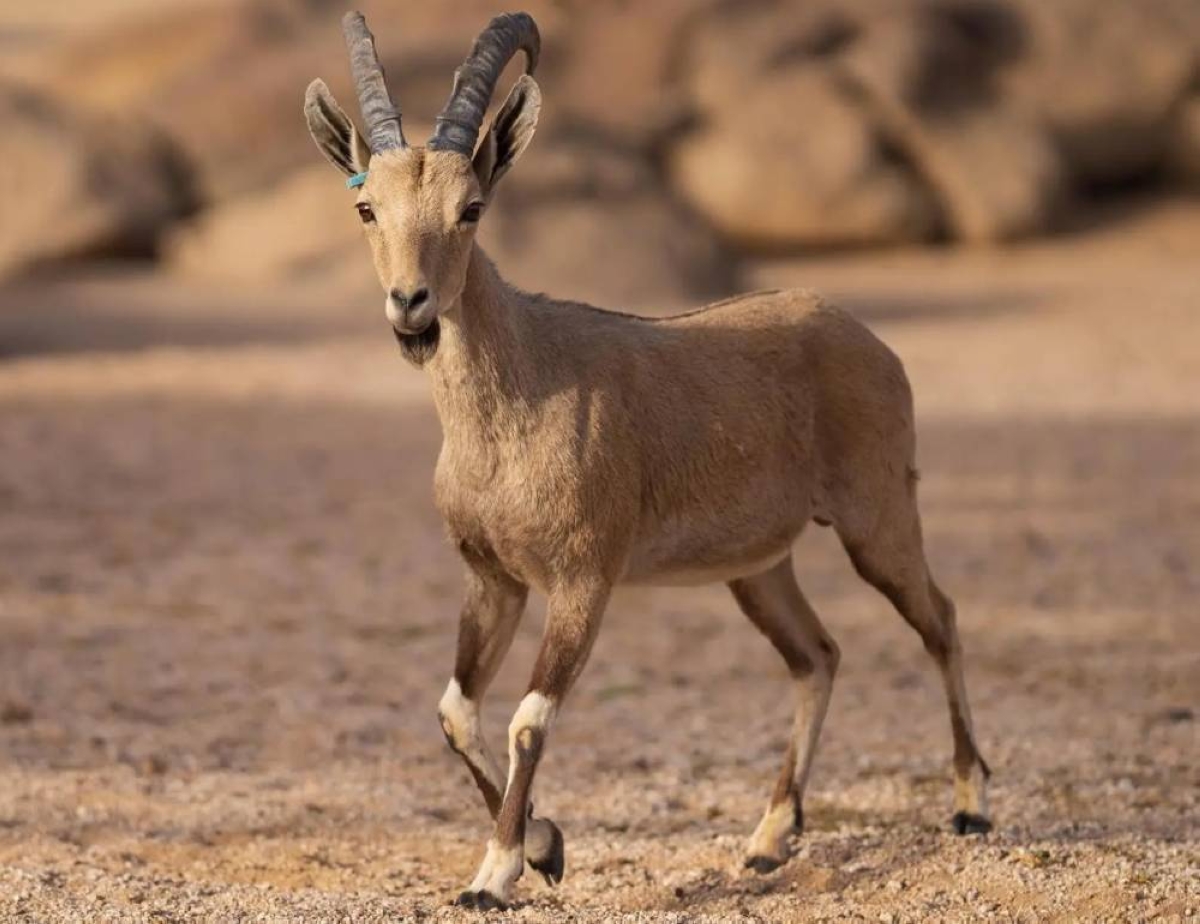
أعلنت محمية الأمير محمد بن سلمان الملكية ولادة أول «وعلين نوبيين» ضمن برنامجها لإعادة تأهيل الحياة البرية، ضمن خطوة رئيسية في جهود المحمية لاستعادة الأنواع الأصيلة في المملكة؛ بهدف إعادة توطين 23 من الأنواع الأصلية التي عاشت تاريخيًا في المنطقة، ويُصنّف الاتحاد الدولي لحماية الطبيعة هذا الوعل ضمن الأنواع المهددة بالانقراض، حيث لا يتجاوز عدده 5,000 وعلٍ بالغٍ في البرية حول العالم.
وقال الرئيس التنفيذي لهيئة تطوير محمية الأمير محمد بن سلمان الملكية أندرو زالوميس: «تشكل ولادة هذين الوعلين إنجازًا لافتًا في إطار برنامجنا لإعادة تأهيل الحياة البرية، وهذا رابع نوعٍ مميزٍ ينجح في التكاثر ضمن هذا البرنامج بعد ولادات المها العربي وغزال الرمل وغزال الجبل».
وأضاف بأن جميع هذه الإنجازات تساعدنا على تحقيق رؤية هيئة تطوير المحمية في استعادة الحياة الفطرية.
وأكد أن أعداد الوعول في المحميات الملكية تتزايد، بفضل جهود المملكة في حماية الحياة البرية.
يذكر أن محمية الأمير محمد بن سلمان الملكية تُعد واحدة من ثماني محميات ملكية في المملكة، وتمتد على مساحة 24,500 كم²، من الحرات البركانية إلى أعماق البحر الأحمر غربًا؛ لتربط بين نيوم ومشروع البحر الأحمر والعلا، كما تُعد موطنًا لمشروع وادي الديسة التابع لصندوق الاستثمارات العامة، وأمالا التابعة لشركة البحر الأحمر العالمية.
وتضم المحمية 15 نظامًا بيئيًا مختلفًا، وتغطي 1% من المساحة البرية للمملكة، و1.8% من مساحتها البحرية، إلا أنها تُشكّل موطنًا لأكثر من 50% من الأنواع البيئية في المملكة، مما يجعلها واحدة من أغنى المناطق الطبيعية في الشرق الأوسط بالتنوع الحيوي.
The Prince Mohammed bin Salman Royal Reserve announced the birth of the first two "Nubian ibexes" as part of its wildlife rehabilitation program, marking a key step in the reserve's efforts to restore native species in the Kingdom; with the aim of reintroducing 23 native species that historically lived in the region. The International Union for Conservation of Nature classifies this ibex as a threatened species, with fewer than 5,000 adult ibexes remaining in the wild worldwide.
Andrew Zaloumis, the CEO of the Prince Mohammed bin Salman Royal Reserve Development Authority, stated: "The birth of these two ibexes is a remarkable achievement within our wildlife rehabilitation program, and this is the fourth distinctive species to successfully breed under this program after the births of the Arabian oryx, sand gazelle, and mountain gazelle."
He added that all these achievements help us realize the vision of the Reserve Development Authority in restoring wildlife.
He confirmed that the number of ibexes in the royal reserves is increasing, thanks to the Kingdom's efforts in protecting wildlife.
It is worth noting that the Prince Mohammed bin Salman Royal Reserve is one of eight royal reserves in the Kingdom, covering an area of 24,500 km², from volcanic fields to the depths of the Red Sea to the west; linking Neom, the Red Sea Project, and AlUla. It is also home to the Wadi Al-Disa project, which is part of the Public Investment Fund, and Amala, which is affiliated with the Red Sea Global Company.
The reserve includes 15 different ecosystems, covering 1% of the Kingdom's land area and 1.8% of its marine area, yet it is home to more than 50% of the ecological species in the Kingdom, making it one of the richest natural areas in the Middle East in terms of biodiversity.