استعرضت المملكة العربية السعودية تجربتها في تعزيز أمن المياه واستدامتها في منطقة تعاني من ندرة شديدة في الموارد المائية الطبيعية، إذ تتضمن إرادة والتزاماً سياسيّاً رفيعي المستوى، وتصميم إستراتيجيات ذات أدوار واضحة وأهداف قابلة للقياس، وإشراك القطاع الخاص بصفته شريكاً في تقديم الخدمات والبنية التحتية، والاستفادة من الابتكار والبيانات؛ لتعزيز حوكمة المياه، وبناء الشراكات والتعاون الدولي.
جاء ذلك خلال مشاركة المملكة أمس، في الحدث الخاص بالمياه المعني بخطة العمل على المستهدف السادس من أهداف التنمية المستدامة، الذي عُقد على هامش المنتدى السياسي الرفيع المستوى للتنمية المستدامة في مقر الأمم المتحدة في نيويورك، وذلك في ضوء اختيار المملكة من قبل لجنة الأمم المتحدة للمياه كونها إحدى الدول التي أحرزت تقدماً واضحاً وملموساً في مؤشر الإدارة المتكاملة للموارد المائية للهدف السادس من أهداف التنمية المستدامة.
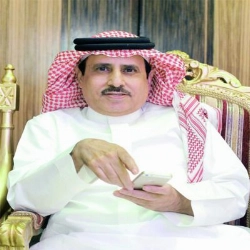
ورأس وفد المملكة المشارك وكيل وزارة البيئة والمياه والزراعة للمياه الدكتور عبدالعزيز الشيباني، الذي استعرض وسائل التسريع؛ لتحقيق مؤشرات الهدف السادس من خلال تجربة المملكة في إدارة المياه، خلال الحدث الخاص بعرض وتدشين تقرير حالات النجاح للدول في التسريع بتحقيق الهدف السادس، الذي يصدر من لجنة الأمم المتحدة للمياه، وجرى اختيار المملكة فيه كحالة نجاح في هذا التسريع في الإدارة المتكاملة للمياه ومؤشر لتحقيق المستهدف السادس، مشيراً إلى أن هذا النهج أدى إلى تحسين الكفاءة، والتنسيق وجودة الخدمة ما بين عامي 2017 و2023، إذ ارتفع مؤشر الإدارة المتكاملة للموارد المائية لدى المملكة من 57% إلى 83%، وهو أحد أسرع معدلات الارتفاع العالمية في مؤشر أهداف التنمية المستدامة 6.5.1.
وأوضح أن قطاع المياه يحظى بدعم من قيادة المملكة، مما مكّن من إجراء تطوير هيكلي وتنظيمي في القطاع؛ لتحقيق إدارة مستدامة للمياه، ودعم هذا الجهد باعتمادات مالية سخية لتوسيع وتحديث البنية التحتية للمياه؛ مما أسهم في رفع نسبة «البيئة التمكينية» في المملكة من 42% في عام 2017 إلى 87% في عام 2023.
The Kingdom of Saudi Arabia showcased its experience in enhancing water security and sustainability in a region suffering from severe scarcity of natural water resources. This includes high-level political will and commitment, the design of strategies with clear roles and measurable objectives, engaging the private sector as a partner in service delivery and infrastructure, and leveraging innovation and data to enhance water governance, build partnerships, and promote international cooperation.
This occurred during the Kingdom's participation yesterday in the special water event concerning the action plan for the sixth target of the Sustainable Development Goals, which was held on the sidelines of the High-Level Political Forum on Sustainable Development at the United Nations headquarters in New York. This participation was in light of the Kingdom being selected by the United Nations Water Committee as one of the countries that has made clear and tangible progress in the integrated water resources management index for the sixth Sustainable Development Goal.
The Saudi delegation was led by the Deputy Minister of Environment, Water, and Agriculture for Water, Dr. Abdulaziz Al-Shaibani, who presented means of acceleration to achieve the indicators of the sixth goal through the Kingdom's experience in water management during the special event showcasing and launching the success stories report of countries in accelerating the achievement of the sixth goal, which is issued by the United Nations Water Committee. The Kingdom was selected as a success case in this acceleration in integrated water management and the indicator for achieving the sixth target, noting that this approach has led to improvements in efficiency, coordination, and service quality between 2017 and 2023, with the integrated water resources management index in the Kingdom rising from 57% to 83%, one of the fastest global increases in the Sustainable Development Goals 6.5.1 index.
He explained that the water sector enjoys support from the leadership of the Kingdom, which has enabled structural and organizational development in the sector to achieve sustainable water management. This effort has been supported by generous financial allocations to expand and modernize water infrastructure, contributing to raising the percentage of the "enabling environment" in the Kingdom from 42% in 2017 to 87% in 2023.