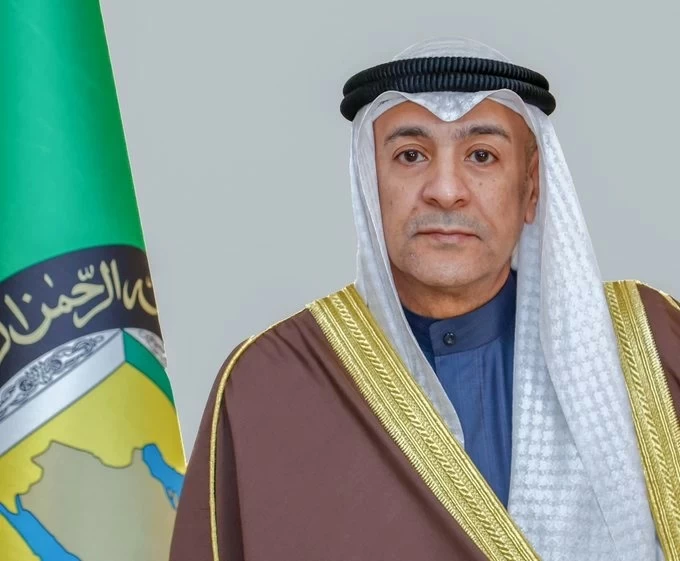
أكد الأمين العام لمجلس التعاون لدول الخليج العربية جاسم محمد البديوي، أن أمن دول المجلس كل لا يتجزأ، وأن إرساء منظومة أمن إقليمي مستقرة ومستدامة يتطلب الالتزام بمبادئ القانون الدولي واحترام سيادة الدول، وتعزيز الدفاع المشترك، وتغليب الحلول الدبلوماسية، وصون أمن الممرات المائية وإمدادات الطاقة، إلى جانب تعزيز التنمية والشراكات الدولية.
جاء ذلك خلال مشاركته اليوم في الجلسة العامة الثالثة بعنوان «مرتكزات الأمن الإقليمي»، ضمن أعمال قمة الأمن الإقليمي الثانية والعشرين «حوار المنامة 2026»، المنعقدة في العاصمة البحرينية المنامة.
وأوضح البديوي أن التطورات التي شهدتها المنطقة منذ 28 فبراير الماضي وضعت الأمن الإقليمي أمام تحديات خطيرة، في أعقاب الاعتداءات الإيرانية التي استهدفت دول مجلس التعاون ومنشآتها المدنية والحيوية، رغم عدم مشاركتها في الحرب وجهودها الدبلوماسية لاحتواء التصعيد، مشيرًا إلى امتداد التداعيات إلى الاقتصاد العالمي نتيجة اضطراب الملاحة في مضيق هرمز، وتأثير ذلك على أسعار الطاقة وتكاليف الشحن والتأمين وسلاسل الإمداد.
وأدان الهجمات الإرهابية التي تشنها ميليشيات الحوثي على المملكة العربية السعودية منذ يوليو الماضي، وامتدت إلى مكة المكرمة والمدينة المنورة، مؤكدًا أنها تمثل انتهاكًا لحرمة المقدسات الإسلامية وتصعيدًا خطيرًا يهدد أمن المنطقة واستقرارها.
وبيّن الأمين العام أن بناء أمن إقليمي مستدام يستند إلى خمسة مرتكزات رئيسة، أولها احترام القانون الدولي وسيادة الدول، والالتزام بمبادئ حسن الجوار وعدم التدخل في الشؤون الداخلية وتسوية النزاعات سلميًا، مشيرًا إلى قرار مجلس الأمن رقم (2817) الصادر في 11 مارس 2026، الذي تقدمت به مملكة البحرين نيابة عن دول المجلس والأردن، وحظي برعاية مشتركة من (136) دولة، مؤكدًا أهمية تنفيذ القرار ومقتضياته.
وأفاد بأن المرتكز الثاني يتمثل في الدفاع الجماعي والتكامل العسكري الخليجي، مشيدًا بجاهزية القوات المسلحة بدول المجلس في التصدي للاعتداءات، ومشيرًا إلى توجيهات قادة دول المجلس خلال لقائهم التشاوري التاسع عشر بمدينة جدة في أبريل الماضي، بتكثيف التكامل العسكري والإسراع في استكمال منظومة الإنذار المبكر ضد الصواريخ الباليستية.
وأشار إلى أن المرتكز الثالث يتمثل في الدبلوماسية وتسوية الخلافات بالوسائل السلمية، مستعرضًا علاقات دول المجلس وشراكاتها الدولية مع الولايات المتحدة وأوروبا والصين والهند والدول الآسيوية، وقنوات التواصل مع دول الجوار، بما فيها إيران، مؤكدًا أن نجاح الجهود الدبلوماسية يتطلب إرادة متبادلة واستجابة مسؤولة من جميع الأطراف.
وفيما يتعلق بالمرتكز الرابع، شدّد على أن أمن الملاحة البحرية وإمدادات الطاقة مسؤولية دولية مشتركة، وأن تعطيل الملاحة في مضيقي هرمز وباب المندب يمثل تهديدًا للمصالح الاقتصادية العالمية، داعيًا المجتمع الدولي إلى وقف الاعتداءات ومحاسبة المسؤولين عنها، وإعادة حركة الملاحة إلى طبيعتها، موضحًا أن دول المجلس تعمل على تعزيز مرونة إمدادات الطاقة عبر مشروعات أنابيب النفط والغاز، ودراسة إنشاء احتياطيات إستراتيجية، وتسريع مشروعات الربط الكهربائي والمائي وسكة الحديد الخليجية.
وأفاد بأن المرتكز الخامس يقوم على تحقيق الاستقرار من خلال التنمية والشراكات الدولية، مشيرًا إلى أن حجم اقتصاد دول المجلس يبلغ نحو (2.4) تريليون دولار، مما يعزز قدرتها على مواجهة الأزمات ودعم الاستقرار الإقليمي والدولي.
وأكد استمرار دعم دول المجلس للحكومة الشرعية في اليمن والتوصل إلى حل سياسي شامل للأزمة وفق المرجعيات المتفق عليها، ودعم أمن واستقرار وسيادة العراق وسوريا ولبنان، مشددًا على أن تحقيق السلام الدائم في المنطقة يرتبط بالتوصل إلى حل عادل وشامل للقضية الفلسطينية على أساس حل الدولتين، إلى جانب تعزيز الأمن المائي والغذائي ومواجهة التحديات المناخية.
واختتم البديوي بالتأكيد على أن الأمن الإقليمي لا يمكن أن يقوم على موازين القوة وحدها، بل يتطلب قواعد دولية تحترمها جميع الأطراف، ومنظومة أمنية تشارك دول المنطقة في صياغتها، مجددًا استعداد دول مجلس التعاون للإسهام في بنائها وفق رؤية المجلس للأمن الإقليمي التي أُطلقت عام 2024.
The Secretary-General of the Gulf Cooperation Council, Jassim Mohammed Al-Budaiwi, affirmed that the security of the member states is indivisible, and that establishing a stable and sustainable regional security system requires adherence to the principles of international law, respect for state sovereignty, enhancement of collective defense, prioritization of diplomatic solutions, and safeguarding the security of maritime corridors and energy supplies, alongside promoting development and international partnerships.
This came during his participation today in the third general session titled "Foundations of Regional Security," as part of the 22nd Regional Security Summit "Manama Dialogue 2026," held in the Bahraini capital, Manama.
Al-Budaiwi explained that the developments witnessed in the region since February 28 have posed serious challenges to regional security, following Iranian attacks targeting the Gulf Cooperation Council states and their civilian and vital facilities, despite their non-participation in the war and their diplomatic efforts to contain the escalation. He pointed out that the repercussions extended to the global economy due to disruptions in navigation in the Strait of Hormuz, affecting energy prices, shipping and insurance costs, and supply chains.
He condemned the terrorist attacks carried out by the Houthi militias against the Kingdom of Saudi Arabia since last July, which have extended to Mecca and Medina, asserting that they represent a violation of the sanctity of Islamic holy sites and a serious escalation that threatens the security and stability of the region.
The Secretary-General indicated that building sustainable regional security is based on five main foundations, the first of which is respect for international law and state sovereignty, adherence to principles of good neighborliness, non-interference in internal affairs, and peaceful resolution of disputes. He referred to Security Council Resolution No. (2817) issued on March 11, 2026, which was presented by the Kingdom of Bahrain on behalf of the member states and Jordan, and received joint sponsorship from (136) countries, emphasizing the importance of implementing the resolution and its requirements.
He stated that the second foundation is collective defense and Gulf military integration, praising the readiness of the armed forces of the member states to confront aggressions, and referring to the directives of the leaders of the member states during their 19th consultative meeting in Jeddah last April, to intensify military integration and expedite the completion of the early warning system against ballistic missiles.
He pointed out that the third foundation is diplomacy and the peaceful resolution of disputes, reviewing the relationships of the member states and their international partnerships with the United States, Europe, China, India, and Asian countries, as well as communication channels with neighboring countries, including Iran, emphasizing that the success of diplomatic efforts requires mutual will and responsible responses from all parties.
Regarding the fourth foundation, he stressed that maritime navigation security and energy supplies are a shared international responsibility, and that disrupting navigation in the Strait of Hormuz and Bab el-Mandeb represents a threat to global economic interests, calling on the international community to stop the aggressions and hold those responsible accountable, and to restore navigation to normalcy. He clarified that the member states are working to enhance the resilience of energy supplies through oil and gas pipeline projects, studying the establishment of strategic reserves, and accelerating electricity and water interconnection projects and the Gulf railway.
He indicated that the fifth foundation is achieving stability through development and international partnerships, noting that the size of the economies of the member states is approximately (2.4) trillion dollars, which enhances their ability to face crises and support regional and international stability.
He affirmed the continued support of the member states for the legitimate government in Yemen and reaching a comprehensive political solution to the crisis based on the agreed-upon references, as well as supporting the security, stability, and sovereignty of Iraq, Syria, and Lebanon, stressing that achieving lasting peace in the region is linked to reaching a fair and comprehensive solution to the Palestinian issue based on the two-state solution, alongside enhancing water and food security and addressing climate challenges.
Al-Budaiwi concluded by emphasizing that regional security cannot be based solely on power balances, but requires international rules respected by all parties, and a security system in which the countries of the region participate in its formulation, reiterating the readiness of the Gulf Cooperation Council states to contribute to building it according to the Council's vision for regional security launched in 2024.