


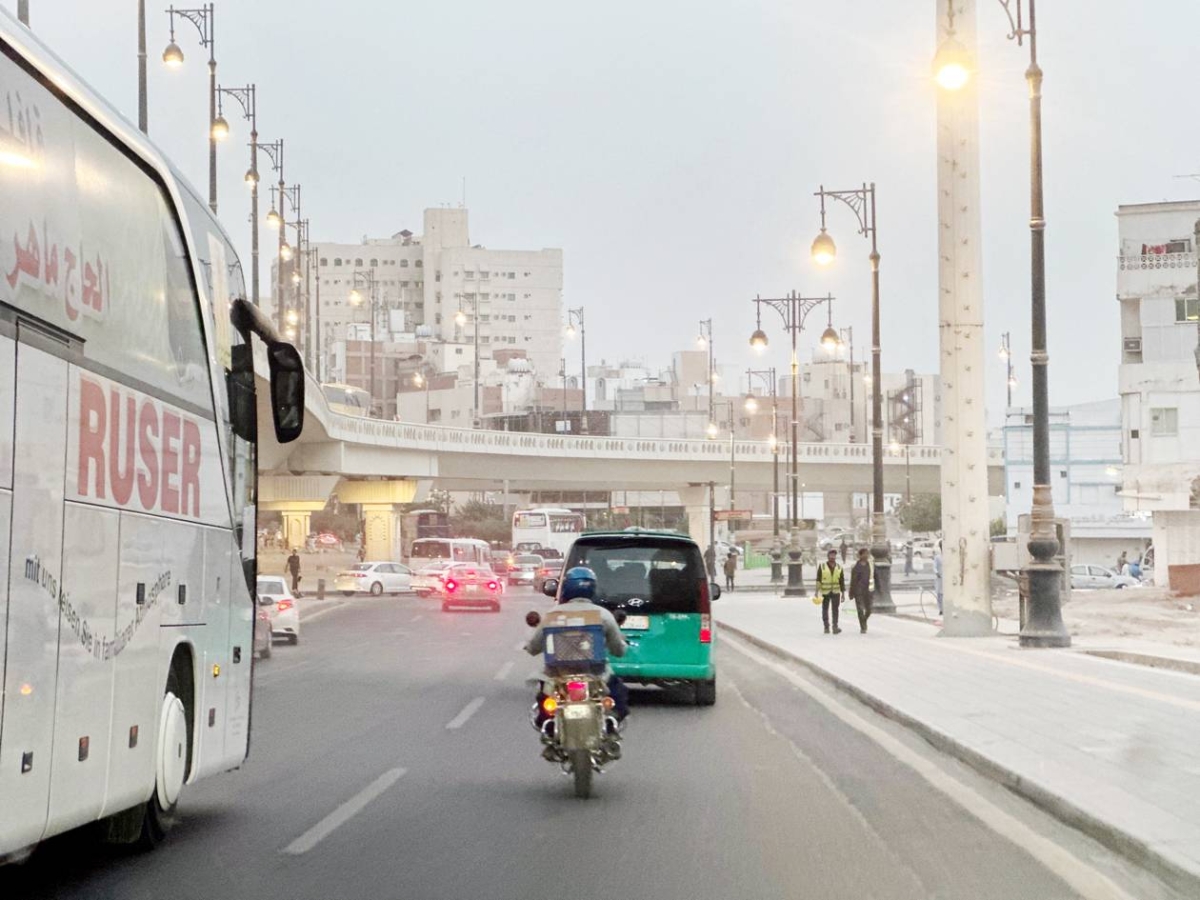
شدّد مختصان على أهمية إيجاد حلول لإشكالات مواقف السيارات بالمسجد النبوي والمنطقة المركزية، خصوصاً في المواسم، في ظل عدم استيعاب المواقف الأرضية أعداد السيارات، إذ باتت معظمها مخصصة للمشتركين ويضطر الزائر إلى البحث عن موقف بديل. يقول نائب رئيس المجلس البلدي السابق الدكتور محمد أنور البكري، إنه مع تزايد أعداد الزوّار أضحت مشكلة عدم توفر مواقف كافية للسيارات حول المسجد النبوي من التحديات الرئيسية التي تواجه الزوّار والسكان على حد سواء، ما يزيد من الازدحام وحدوث اختناقات مرورية في الشوارع المحيطة بالمسجد خلال أوقات الذروة، وكثير من كبار السن وذوي الاحتياجات الخاصة يواجهون صعوبات في الوصول إلى المسجد بسبب عدم توفر مواقف قريبة ومناسبة، مما يضطرهم للسير مسافات طويلة.
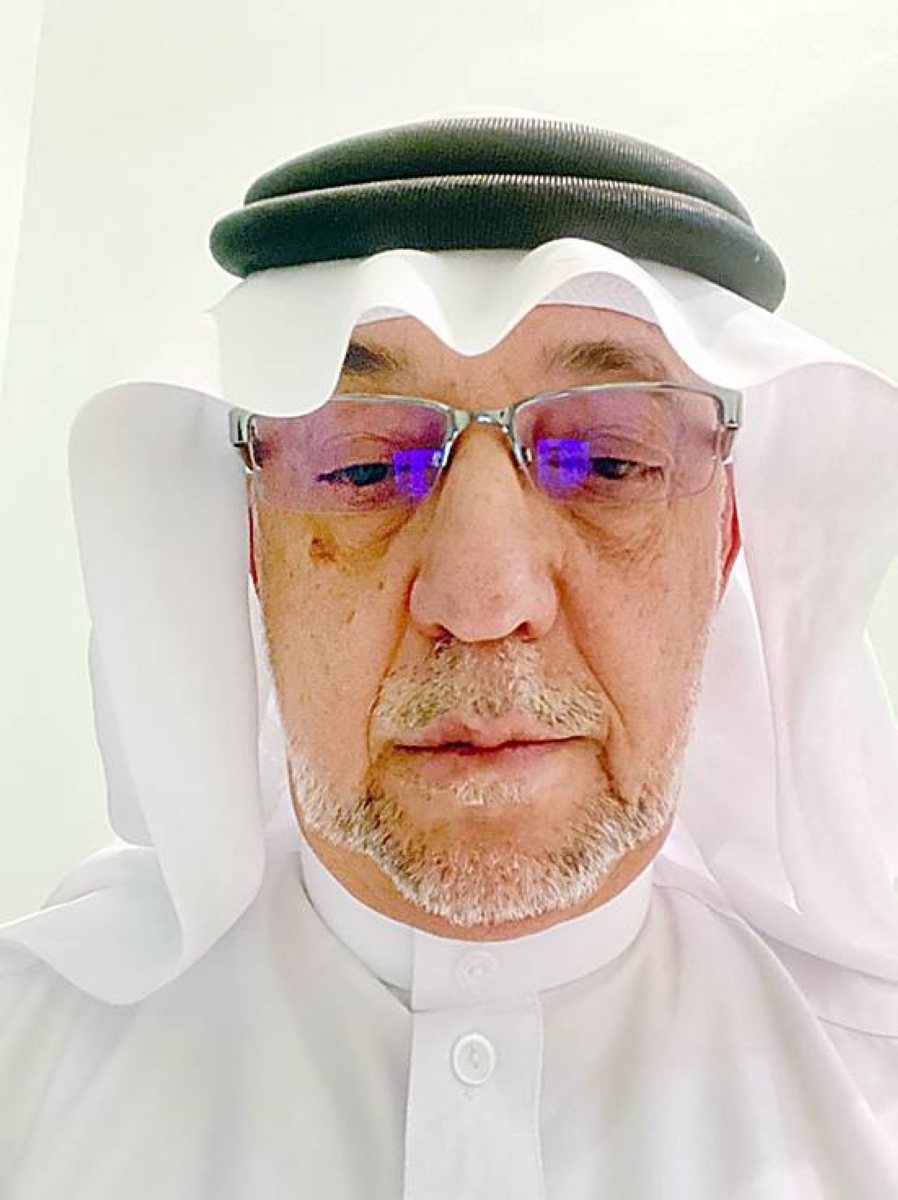
ويضيف البكري، أن عدم توافر مواقف كافية يؤثر كذلك على الحركة التجارية، إذ يتردد الزوار في المجيء بسياراتهم ما يؤثر على النشاط الاقتصادي، ويؤدي البحث المطول عن المواقف والازدحام المروري إلى زيادة انبعاثات العوادم وتفاقم مشكلة التلوث البيئي حول المنطقة المركزية مع تزايد عدد الزوّار سنوياً بشكل ملحوظ. ويرى البكري، أن الحل يتمثل في الاستفادة من المواقف الحالية من خلال فتح مواقف المشتركين الأرضية قبل الإقامة بـ10 دقائق برسوم بسيطة، خصوصاً أن معظمها طوال العام تكون شاغرة وغير مستخدمة إلا في المواسم، بسبب أن معظم المشتركين يقيمون خارج المدينة المنورة ولديهم القدرة على دفع الرسوم وترك المواقف خالية دون استفادة، لافتاً إلى أهمية استمرار العمل في النقل الترددي طوال العام من جميع الاتجاهات للتسهيل على الأهالي للوصول إلى المسجد النبوي. ويضيف البكري: هناك إشكالات في الازدحام والتدافع على النقل الترددي في شهر رمضان، خصوصاً في ليلتي 27 والتختيم، لذلك من المهم دراسة حلول للمشكلة وتوفير عدد حافلات أكثر.
من جانبه، يرى المهندس كمال القبلي، أنه يجب العمل على إيجاد حلول تتمثل في دراسة متكاملة بمشاركة كافة الجهات المعنية وتأسيس شركة مختصة بمواقف السيارات وإنشاء مواقف ذكية متعددة الأدوار على الأراضي المستأجرة وإيجاد حلول موضوعية بإنشاء مواقف متعددة الطوابق (مواقف ذكية) تحت الأرض أو فوقها في المواقع المتاحة والقريبة من المسجد، وتوسيع وتطوير شبكة حافلات النقل العام التي تربط أطراف المدينة بالمنطقة المركزية للمسجد، وتوفير حافلات حديثة ومريحة، وإنشاء محطات حافلات مركزية مزودة بمواقف سيارات على أطراف المدينة، لتشجيع الزوار على ركن سياراتهم واستخدام النقل العام للوصول إلى المسجد. ومن المقترحات، كما يرى المهندس القبلي، دراسة جدوى إنشاء قطار خفيف أو ترام يخدم المنطقة المركزية ويربطها بمواقف بعيدة، واستخدام تطبيقات ذكية لعرض المواقف المتاحة وشغلها في الوقت الفعلي، وتسهيل عملية الحجز والدفع المسبق، وتطبيق أنظمة توجيه ذكية داخل المواقف لتقليل زمن البحث عن موقف، وتطوير لوحات إرشادية ذكية ومتحركة توضح المواقف المتاحة والمسارات الأقل ازدحاماً.
«المترو» و«الترددي» و«الأنظمة الذكية».. حلول مقترحة لمواقف «مركزية المدينة»
23 يوليو 2025 - 03:12
|
آخر تحديث 23 يوليو 2025 - 03:12


تابع قناة عكاظ على الواتساب
سامي المغامسي (المدينة المنورة) sami4086@
Two specialists emphasized the importance of finding solutions to the parking issues at the Prophet's Mosque and the central area, especially during peak seasons, given that the ground parking lots cannot accommodate the number of cars. Most of these lots are now reserved for subscribers, forcing visitors to search for alternative parking. The former deputy chairman of the municipal council, Dr. Mohammed Anwar Al-Bakri, states that with the increasing number of visitors, the lack of sufficient parking spaces around the Prophet's Mosque has become one of the main challenges facing both visitors and residents alike, which increases congestion and traffic jams on the streets surrounding the mosque during peak times. Many elderly individuals and those with special needs face difficulties reaching the mosque due to the lack of nearby and suitable parking, forcing them to walk long distances.
Al-Bakri adds that the unavailability of sufficient parking also affects commercial activity, as visitors hesitate to come with their cars, impacting economic activity. The prolonged search for parking and traffic congestion lead to increased emissions and exacerbate the environmental pollution problem around the central area, especially with the noticeable annual increase in the number of visitors. Al-Bakri believes that the solution lies in utilizing the current parking spaces by opening the ground subscriber lots 10 minutes before the prayer time for a small fee, especially since most of them remain vacant and unused throughout the year except during peak seasons, as most subscribers live outside Medina and can afford to pay the fees, leaving the parking spaces empty without benefit. He emphasizes the importance of continuing shuttle transport services year-round from all directions to facilitate residents' access to the Prophet's Mosque. Al-Bakri adds: There are issues with congestion and crowding on the shuttle transport during Ramadan, especially on the 27th night and the concluding night, so it is important to study solutions to the problem and provide more buses.
For his part, Engineer Kamal Al-Qabli believes that efforts should be made to find solutions through a comprehensive study involving all relevant parties, establishing a specialized parking company, and creating multi-story smart parking lots on leased land. He suggests finding practical solutions by constructing multi-story (smart) parking facilities either underground or above ground in available locations close to the mosque, expanding and developing the public transport bus network that connects the outskirts of the city to the central area of the mosque, providing modern and comfortable buses, and establishing central bus stations equipped with parking lots on the outskirts of the city to encourage visitors to park their cars and use public transport to reach the mosque. Among the proposals, as Engineer Al-Qabli sees it, is to study the feasibility of establishing a light rail or tram that serves the central area and connects it to distant parking lots, using smart applications to display available parking in real-time, facilitating the reservation and pre-payment process, implementing smart guidance systems within the parking lots to reduce the search time for a spot, and developing smart and dynamic signage to indicate available parking and less congested routes.
Al-Bakri adds that the unavailability of sufficient parking also affects commercial activity, as visitors hesitate to come with their cars, impacting economic activity. The prolonged search for parking and traffic congestion lead to increased emissions and exacerbate the environmental pollution problem around the central area, especially with the noticeable annual increase in the number of visitors. Al-Bakri believes that the solution lies in utilizing the current parking spaces by opening the ground subscriber lots 10 minutes before the prayer time for a small fee, especially since most of them remain vacant and unused throughout the year except during peak seasons, as most subscribers live outside Medina and can afford to pay the fees, leaving the parking spaces empty without benefit. He emphasizes the importance of continuing shuttle transport services year-round from all directions to facilitate residents' access to the Prophet's Mosque. Al-Bakri adds: There are issues with congestion and crowding on the shuttle transport during Ramadan, especially on the 27th night and the concluding night, so it is important to study solutions to the problem and provide more buses.
For his part, Engineer Kamal Al-Qabli believes that efforts should be made to find solutions through a comprehensive study involving all relevant parties, establishing a specialized parking company, and creating multi-story smart parking lots on leased land. He suggests finding practical solutions by constructing multi-story (smart) parking facilities either underground or above ground in available locations close to the mosque, expanding and developing the public transport bus network that connects the outskirts of the city to the central area of the mosque, providing modern and comfortable buses, and establishing central bus stations equipped with parking lots on the outskirts of the city to encourage visitors to park their cars and use public transport to reach the mosque. Among the proposals, as Engineer Al-Qabli sees it, is to study the feasibility of establishing a light rail or tram that serves the central area and connects it to distant parking lots, using smart applications to display available parking in real-time, facilitating the reservation and pre-payment process, implementing smart guidance systems within the parking lots to reduce the search time for a spot, and developing smart and dynamic signage to indicate available parking and less congested routes.


