سؤال طُرح كثيرا وتكرر مؤخرا بعد تحطم الطائرة الهندية يونيو الماضي، عند إقلاعها من مطار أحمد أباد، حيث أشار التقرير الأولي إلى أن مفاتيح التحكم في ضخ الوقود إلى محركي الطائرة انتقلت من وضع التشغيل إلى الإيقاف، قبل لحظات من سقوط الطائرة الذي أدّى إلى وفاة 260 شخصاً، بينهم جميع من كانوا على متن الطائرة باستثناء شخص واحد.
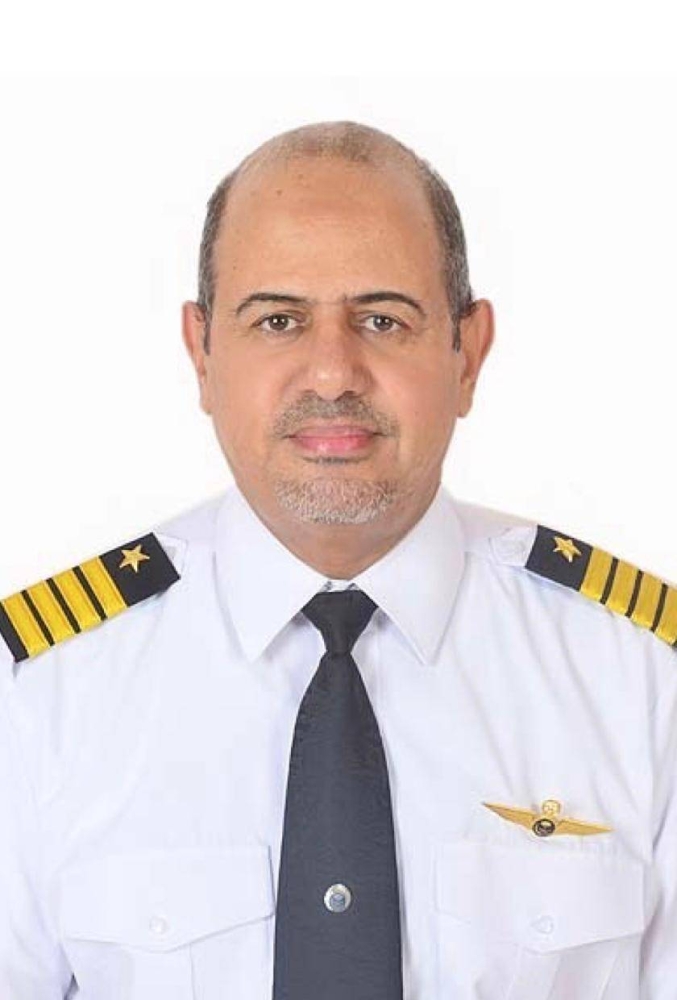
وحول أسباب عدم وجود كاميرات في قمرة القيادة، أوضح الكابتن طيار محمد بن عايد البتال لـ«عكاظ»أنها معركة قانونية وانسانية مستمرة منذ عشرين سنة عندما طُرح الاقتراح على إدارة الطيران الفيدرالي الأمريكي. ولخص الكابتن البتال أبرز الأسباب التي منعت إنفاذه في نقاط محددة، من أبرزها:
مخاوف الخصوصية:
تُعد خصوصية الطيارين وأفراد الطاقم من أكبر المخاوف، وفقاً لرأي الكابتن طيار محمد البتال، لافتا إلى أنه كثيرًا ما يُجادل الطيارون ونقابات الطيران بأن المراقبة المستمرة بالفيديو قد تنتهك حقوق خصوصية الطاقم، الذين يقضون ساعات طويلة في أجواء قمرة القيادة الضيقة.
الثقة والمعنويات:
وأضاف البتال:قد تؤثر المراقبة المستمرة بالفيديو أيضًا على الثقة بين الطيارين وإدارة شركة الطيران. فقد يشعر الطيارون بأنهم تحت المراقبة والتدقيق المفرطين، مما قد يؤثر على رضاهم الوظيفي وأدائهم.
المشكلات التقنية والتكلفة:
وأشار الكابتن محمد البتال إلى أن تطبيق نظام تسجيل فيديو في قمرة قيادة الطائرات ينطوي على تحديات تقنية وتكاليف إضافية. وتشمل هذه التحديات تركيب وصيانة كاميرات قادرة على تسجيل فيديو عالي الجودة في ظروف صعبة (مثل الإضاءة المنخفضة والاضطرابات الجوية)، بالإضافة إلى تخزين ومعالجة البيانات المسجلة بشكل آمن وفعال.
الموافقة التنظيمية:
واستطرد الكابتن طيار محمد البتال قائلاً: يتطلب إدخال تقنيات جديدة إلى أنظمة الطائرات عمليات اختبار واعتماد صارمة للالتزام بمعايير السلامة التي تضعها هيئات الطيران مثل إدارة الطيران الفيدرالية (FAA) ووكالة سلامة الطيران الأوروبية (EASA). وقد تكون هذه العمليات طويلة ومكلفة.
أمن البيانات:
ولفت الكابتن محمد البتال إلى أن تسجيل وتخزين الفيديو يثير مخاوف بشأن أمن اللقطات التي يحتمل أن تكون حساسة. ويشكل ضمان حماية هذه التسجيلات من الوصول غير المصرح به وإساءة استخدامها تحديًا كبيرًا.
الآثار القانونية:
الكابتن طيار محمد البتال، أوضح أن اللقطات المسجلة قد تكون لها آثار قانونية عميقة في حالة وقوع حوادث أو وقائع. ويتطلب تحديد كيفية استخدام هذه اللقطات وحمايتها دراسة قانونية متأنية لتجنب إساءة استخدامها في التقاضي أو وسائل الإعلام.
ومع ذلك، لا تُستبعد فكرة كاميرات قمرة القيادة تمامًا، بل تُعاد مناقشتها من حين لآخر بين خبراء سلامة الطيران والهيئات التنظيمية. وقال البتال إن الفوائد المحتملة لتسجيلات الفيديو للتحقيق في الحوادث واضحة، لكن موازنة هذه الفوائد مع المخاوف المذكورة أعلاه أمر معقد.
وخلص الكابتن طيار محمد البتال للقول: بحلول عام ٢٠٢٥، قد تتطور التقنيات أو السياسات، وقد تتغير هذه الآراء بناءً على نتائج أو تقنيات جديدة أو تحولات في المواقف العامة أو التنظيمية تجاه المراقبة والسلامة.
• معركة قانونية وإنسانية مستمرة منذ عشرين سنة
• المراقبة المستمرة بالفيديو قد تنتهك حقوق خصوصية الطاقم
• التأثير على الثقة بين الطيارين وإدارة شركة الطيران
• إدخال تقنيات جديدة إلى أنظمة الطائرات يتطلب عمليات طويلة ومكلفة
A question that has been frequently raised and repeated recently after the crash of the Indian plane last June, when it took off from Ahmedabad Airport, where the preliminary report indicated that the fuel control switches for the plane's engines switched from the on position to off just moments before the plane's fall, which resulted in the death of 260 people, including everyone on board except for one person.
Regarding the reasons for the absence of cameras in the cockpit, Captain Pilot Mohammed bin Ayd Al-Battal explained to "Okaz" that it is a legal and humanitarian battle that has been ongoing for twenty years since the proposal was presented to the Federal Aviation Administration (FAA). Captain Al-Battal summarized the main reasons that have prevented its enforcement in specific points, among the most prominent are:
Privacy concerns:
The privacy of pilots and crew members is one of the biggest concerns, according to Captain Pilot Mohammed Al-Battal, noting that pilots and aviation unions often argue that continuous video surveillance may violate the privacy rights of the crew, who spend long hours in the confined space of the cockpit.
Trust and morale:
Al-Battal added: Continuous video surveillance may also affect the trust between pilots and airline management. Pilots may feel that they are under excessive scrutiny, which could impact their job satisfaction and performance.
Technical issues and cost:
Captain Mohammed Al-Battal pointed out that implementing a video recording system in aircraft cockpits involves technical challenges and additional costs. These challenges include installing and maintaining cameras capable of recording high-quality video in difficult conditions (such as low light and turbulence), as well as securely and efficiently storing and processing the recorded data.
Regulatory approval:
Captain Pilot Mohammed Al-Battal continued: Introducing new technologies into aircraft systems requires rigorous testing and certification processes to comply with safety standards set by aviation authorities such as the FAA and the European Union Aviation Safety Agency (EASA). These processes can be lengthy and costly.
Data security:
Captain Mohammed Al-Battal noted that recording and storing video raises concerns about the security of potentially sensitive footage. Ensuring the protection of these recordings from unauthorized access and misuse poses a significant challenge.
Legal implications:
Captain Pilot Mohammed Al-Battal explained that the recorded footage could have profound legal implications in the event of accidents or incidents. Determining how to use and protect this footage requires careful legal consideration to avoid misuse in litigation or media.
However, the idea of cockpit cameras is not entirely ruled out, but it is periodically discussed among aviation safety experts and regulatory bodies. Al-Battal stated that the potential benefits of video recordings for accident investigations are clear, but balancing these benefits with the aforementioned concerns is complex.
Captain Pilot Mohammed Al-Battal concluded by saying: By 2025, technologies or policies may evolve, and these opinions may change based on new findings, technologies, or shifts in public or regulatory attitudes toward surveillance and safety.
• A legal and humanitarian battle ongoing for twenty years
• Continuous video surveillance may violate crew privacy rights
• Impact on trust between pilots and airline management
• Introducing new technologies into aircraft systems requires lengthy and costly processes