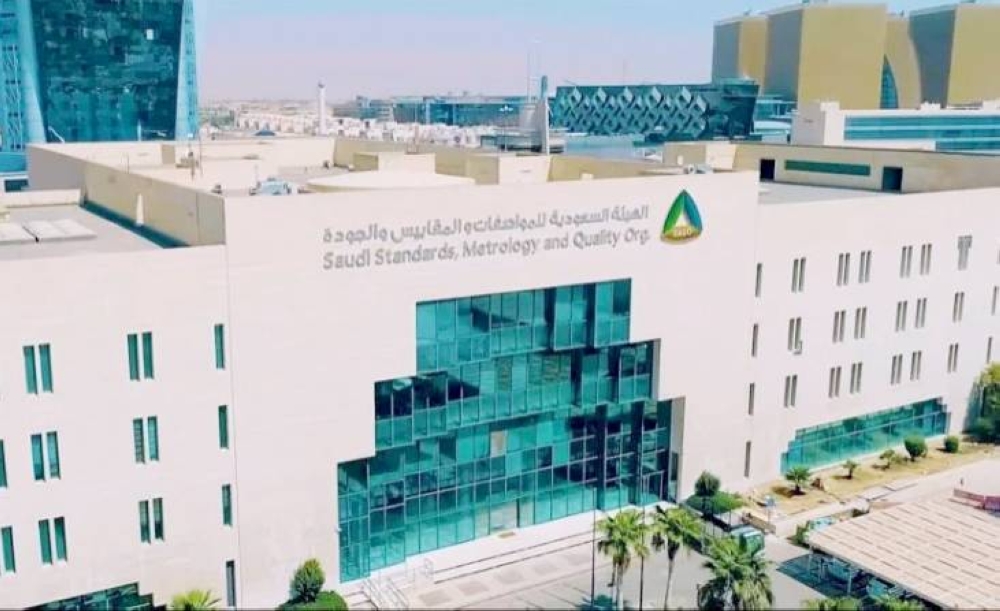
تنطلق أعمال اجتماعات مجلس إدارة معهد المواصفات والمقاييس للدول الإسلامية (SMIIC)، بمشاركة وفود أكثر من 13 دولة إسلامية في الفترة من 20 يوليو إلى 21 يوليو بالمدينة المنورة.
وتُعقد الاجتماعات برئاسة محافظ المواصفات السعودية رئيس مجلس إدارة معهد المواصفات والمقاييس للدول الإسلامية (SMIIC) الدكتور سعد عثمان القصبي، وتأتي استضافة المملكة لهذه الاجتماعات تأكيداً على دورها المحوري في تعزيز التعاون والعمل الإسلامي المشترك في جميع المجالات.
يشار إلى أن معهد المواصفات والمقاييس للدول الإسلامية (SMIIC) هو أحد الأجهزة الإسلامية المتخصصة، التي تعمل تحت مظلة منظمة التعاون الإسلامي، ويعنى بوضع وتطوير المواصفات القياسية التي تضمن جودة المنتجات والخدمات على المستوى الدولي، مع تعزيز المشاركة الفاعلة من الجهات المعنية وأصحاب المصلحة في الدول الأعضاء.
وتعد هذه الاجتماعات محطة مهمة لدفع مسيرة التعاون الفني بين الدول الإسلامية، إذ من المتوقع أن تصدر عنها قرارات وتوصيات تعزز البنية التحتية للجودة، وتدعم احتياجات الدول الأعضاء، بما يُسهم في تسهيل التجارة البينية وزيادة فرص المنتجات الإسلامية في النفاذ إلى الأسواق العالمية.
The meetings of the Board of Directors of the Standards and Metrology Institute for Islamic Countries (SMIIC) will kick off, with delegations from more than 13 Islamic countries participating from July 20 to July 21 in Medina.
The meetings are chaired by the Governor of Saudi Standards and the Chairman of the Board of Directors of the Standards and Metrology Institute for Islamic Countries (SMIIC), Dr. Saad Othman Al-Qasabi. The Kingdom's hosting of these meetings reaffirms its pivotal role in enhancing cooperation and joint Islamic work in all fields.
It is worth noting that the Standards and Metrology Institute for Islamic Countries (SMIIC) is one of the specialized Islamic bodies operating under the umbrella of the Organization of Islamic Cooperation. It is concerned with establishing and developing standard specifications that ensure the quality of products and services at the international level, while enhancing active participation from relevant parties and stakeholders in member states.
These meetings represent an important milestone in advancing technical cooperation among Islamic countries, as it is expected that decisions and recommendations will emerge from them to strengthen the quality infrastructure and support the needs of member states, contributing to facilitating intra-trade and increasing the opportunities for Islamic products to access global markets.