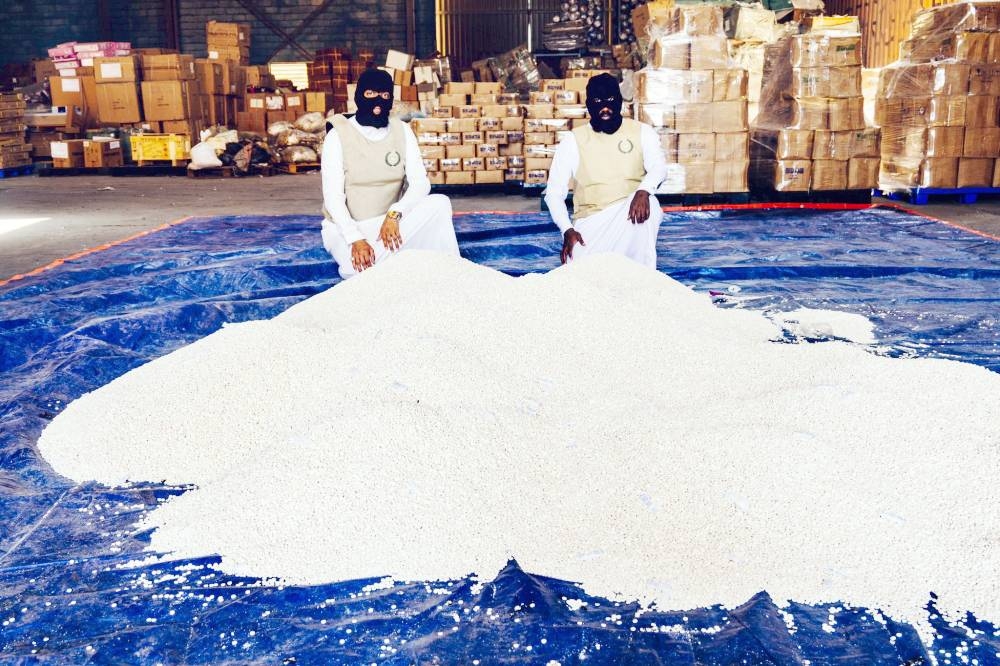



في ظل الحملات الأمنية المتصاعدة التي تقودها وزارة الداخلية لمكافحة المخدرات، تشهد السعودية تحولاً نوعياً في التصدي لهذه الآفة، بتكثيف الضربات الأمنية وتشديد العقوبات، ما أسهم في تفكيك شبكات التهريب والترويج، وأدى الى انخفاض معدلات الجريمة وتعاطي السموم.
وأكد المحامي أصيل الحسن لـ«عكاظ»، أن الحملة الوطنية الشاملة التي أطلقتها وزارة الداخلية انعكست بشكل مباشر على مؤشرات الأمن، مشيراً إلى أن كيانات الترويج انهارت تحت قبضة رجال الأمن، وأن نسبة المدمنين تراجعت بشكل ملموس.
وبيّن، أن تصنيف الدولة للمواد المخدرة شمل درجات الخطورة، ومن بينها المواد شديدة التأثير مثل: الهيروين، الكوكايين، و«الشبو» المعروف بـ«مخدر الشيطان»، وهو من أخطر أنواع الأمفيتامينات لسرعة الإدمان عليه، وآثاره الانسحابية العنيفة، وتسببه في الهلاوس والعدوانية والسهر لأيام بلا نوم أو طعام.
وأشار المحامي الحسن، إلى أن النظام يغلّظ العقوبات على من يتورط في صناعة أو بيع أو جلب المخدرات، بعقوبات تصل إلى القتل تعزيراً، في حين تتراوح عقوبة متعاطي المخدرات بين السجن من ستة أشهر إلى سنتين في حال ثبوت التعاطي.
ولفت، إلى أن الأحكام تصبح أشد قسوة عند ثبوت التنظيم الإجرامي، مشيداً بحكمة القانون السعودي في التمييز بين الأسباب المغلِّظة والمخفِّفة للعقوبة وفق منهجية قانونية رادعة.
من جانبه، أكد المحامي عبدالله الكاسب لـ«عكاظ»، أن النجاحات المتواصلة لوزارة الداخلية في إحباط عمليات التهريب والترويج -داخل وخارج المملكة- تعكس الجهد المستمر والتقنيات المتقدمة في التصدي لهذه الجرائم، التي تستهدف شباب الوطن وتضرب نسيج المجتمع.
وأوضح الكاسب، أن نظام مكافحة المخدرات والمؤثرات العقلية تضمّن عقوبات مشددة تصل إلى القتل تعزيراً في حال تهريب المواد المخدرة أو المؤثرات العقلية و استلام المخدرات من مهرب وجلب أو استيراد أو تصنيع المواد بقصد الترويج والترويج للمرة الثانية بعد الإدانة في الأولى والمشاركة في التنظيم أو التواطؤ في التنفيذ.
وبيّن، أن المادة ٣٧ من النظام تتيح للمحكمة النزول عن عقوبة القتل إلى السجن لمدة لا تقل عن 15 سنة، مع الجلد والغرامة، إذا اقتضت الظروف ذلك، كما يعاقب من يعود للجريمة أو من يتورط في عصابة منظمة أو يشارك في جريمة دولية مثل تهريب الأسلحة أو الإرهاب، بالسجن 25 عاماً وغرامة لا تقل عن 150 ألف ريال.
أما المادة ٣٨، فتنص على أن كل من حاز أو موّل أو سلّم أو نقل مادة مخدرة بقصد الاتجار أو الترويج، يعاقب بالسجن من 5 إلى 15 سنة، وبغرامة تصل إلى 50 ألف ريال.
واختتم الكاسب، بالتأكيد على أهمية تعاون المجتمع مع الجهات الأمنية عبر الإبلاغ عن أي مروج أو مهرب قائلاً: «هذه مسؤولية وطنية ومجتمعية تقع على عاتق كل فرد لحماية الوطن من هذا الخطر الداهم».
قواعد دقيقة لأدوية المؤثرات العقلية
المحامي والمستشار القانوني سعد علي الحسيني الشهراني، أكد لـ«عكاظ»، أن نظام مكافحة المخدرات أرسى قواعد دقيقة لحيازة وتداول الأدوية المصنفة كمؤثرات عقلية. وبيّن، أن من يضبط بحيازة مواد دون وصفة، فإنه يواجه عقوبة سجن تتراوح بين ستة أشهر وسنتين، وتُشدّد العقوبة إذا كانت المادة من فئة «الميثامفيتامين» المعروفة بـ«الشبو»، أو إذا كانت الكمية لا تتناسب مع الاستخدام الشخصي.
وأضاف، أن النظام فرض على المنشآت الصحية والصيدلانية التزامات صارمة تشمل الحصول على ترخيص خاص، وتعيين صيدلي سعودي مسؤول عن الأدوية المخدرة، وعدم صرف أي دواء إلا بوصفة نظامية معتمدة، وتسجيل كافة العمليات بسجلات دقيقة، مؤكداً أن أي منشأة تخالف هذه الضوابط تُعرض نفسها لعقوبات تبدأ بالغرامة وتصل إلى الإغلاق أو سحب الترخيص، مع إحالة المسؤولين إلى النيابة العامة إذا ثبت التلاعب أو التهريب أو الترويج.
وختم الشهراني بالقول: إن هذه النصوص واللوائح تعكس حرص الدولة على تحقيق التوازن بين إتاحة العلاج للمحتاجين، وضمان الحماية للمجتمع من سوء الاستخدام، داعياً المنشآت الصحية والكوادر المهنية إلى الالتزام التام بالتعليمات النظامية لحماية أرواح الناس وصحة المجتمع.
محامون لـ«عكاظ»: العقوبات المشددة قلّصت تجارة المخدرات والتعاطي
قبضة القانون تشتد على «المروجين».. الخناق يضيق على شبكات التهريب
15 يوليو 2025 - 07:40
|
آخر تحديث 15 يوليو 2025 - 07:40


تابع قناة عكاظ على الواتساب
بدرية آل عمر (الرياض) bdoo_202@
In light of the escalating security campaigns led by the Ministry of Interior to combat drugs, Saudi Arabia is witnessing a qualitative shift in addressing this scourge, with intensified security strikes and stricter penalties, which have contributed to dismantling smuggling and trafficking networks, leading to a decrease in crime rates and substance abuse.
Lawyer Aseel Al-Hassan confirmed to "Okaz" that the comprehensive national campaign launched by the Ministry of Interior has had a direct impact on security indicators, pointing out that trafficking entities have collapsed under the grip of security forces, and that the percentage of addicts has significantly decreased.
He explained that the state's classification of narcotic substances includes degrees of danger, among which are highly potent substances such as heroin, cocaine, and "Shabu," known as "the devil's drug," which is one of the most dangerous types of amphetamines due to its rapid addiction potential, violent withdrawal effects, and its ability to cause hallucinations, aggression, and sleeplessness for days without food.
Lawyer Al-Hassan pointed out that the law imposes severe penalties on those involved in the manufacture, sale, or importation of drugs, with penalties reaching capital punishment, while the penalty for drug users ranges from six months to two years in prison if drug use is proven.
He noted that the sentences become harsher when organized crime is proven, praising the wisdom of Saudi law in distinguishing between aggravating and mitigating factors for penalties according to a deterrent legal methodology.
For his part, lawyer Abdullah Al-Kasib confirmed to "Okaz" that the continuous successes of the Ministry of Interior in thwarting smuggling and trafficking operations - both inside and outside the Kingdom - reflect the ongoing effort and advanced techniques in combating these crimes, which target the youth of the nation and disrupt the fabric of society.
Al-Kasib explained that the Narcotics and Psychotropic Substances Control Law includes strict penalties that can reach capital punishment for smuggling narcotic or psychotropic substances, receiving drugs from a smuggler, importing or manufacturing substances with the intent to promote, and re-offending after a first conviction, as well as participating in an organized crime or colluding in execution.
He indicated that Article 37 of the law allows the court to reduce the death penalty to imprisonment for no less than 15 years, along with flogging and fines, if circumstances warrant it. Additionally, anyone who returns to crime or becomes involved in an organized gang or participates in an international crime such as arms smuggling or terrorism is punishable by 25 years in prison and a fine of no less than 150,000 riyals.
As for Article 38, it states that anyone who possesses, finances, delivers, or transports a narcotic substance for the purpose of trafficking or promotion is punishable by imprisonment from 5 to 15 years, and a fine of up to 50,000 riyals.
Al-Kasib concluded by emphasizing the importance of community cooperation with security authorities by reporting any trafficker or smuggler, stating: "This is a national and community responsibility that falls on every individual to protect the homeland from this looming danger."
Precise Rules for Psychotropic Medications
Lawyer and legal consultant Saad Ali Al-Husseini Al-Shahrani confirmed to "Okaz" that the Narcotics Control Law has established precise rules for the possession and circulation of medications classified as psychotropic substances. He explained that anyone caught possessing substances without a prescription faces a prison sentence ranging from six months to two years, and the penalty is intensified if the substance is from the "methamphetamine" category known as "Shabu," or if the quantity does not match personal use.
He added that the law imposes strict obligations on health and pharmaceutical establishments, including obtaining a special license, appointing a Saudi pharmacist responsible for narcotic medications, not dispensing any medication except with an approved legal prescription, and accurately recording all transactions. He emphasized that any establishment that violates these regulations exposes itself to penalties starting from fines and reaching closure or revocation of the license, with the responsible parties referred to the public prosecution if manipulation, smuggling, or promotion is proven.
Al-Shahrani concluded by stating that these texts and regulations reflect the state's commitment to achieving a balance between providing treatment for those in need and ensuring community protection from misuse, urging health establishments and professional staff to fully comply with regulatory instructions to protect people's lives and community health.
Lawyer Aseel Al-Hassan confirmed to "Okaz" that the comprehensive national campaign launched by the Ministry of Interior has had a direct impact on security indicators, pointing out that trafficking entities have collapsed under the grip of security forces, and that the percentage of addicts has significantly decreased.
He explained that the state's classification of narcotic substances includes degrees of danger, among which are highly potent substances such as heroin, cocaine, and "Shabu," known as "the devil's drug," which is one of the most dangerous types of amphetamines due to its rapid addiction potential, violent withdrawal effects, and its ability to cause hallucinations, aggression, and sleeplessness for days without food.
Lawyer Al-Hassan pointed out that the law imposes severe penalties on those involved in the manufacture, sale, or importation of drugs, with penalties reaching capital punishment, while the penalty for drug users ranges from six months to two years in prison if drug use is proven.
He noted that the sentences become harsher when organized crime is proven, praising the wisdom of Saudi law in distinguishing between aggravating and mitigating factors for penalties according to a deterrent legal methodology.
For his part, lawyer Abdullah Al-Kasib confirmed to "Okaz" that the continuous successes of the Ministry of Interior in thwarting smuggling and trafficking operations - both inside and outside the Kingdom - reflect the ongoing effort and advanced techniques in combating these crimes, which target the youth of the nation and disrupt the fabric of society.
Al-Kasib explained that the Narcotics and Psychotropic Substances Control Law includes strict penalties that can reach capital punishment for smuggling narcotic or psychotropic substances, receiving drugs from a smuggler, importing or manufacturing substances with the intent to promote, and re-offending after a first conviction, as well as participating in an organized crime or colluding in execution.
He indicated that Article 37 of the law allows the court to reduce the death penalty to imprisonment for no less than 15 years, along with flogging and fines, if circumstances warrant it. Additionally, anyone who returns to crime or becomes involved in an organized gang or participates in an international crime such as arms smuggling or terrorism is punishable by 25 years in prison and a fine of no less than 150,000 riyals.
As for Article 38, it states that anyone who possesses, finances, delivers, or transports a narcotic substance for the purpose of trafficking or promotion is punishable by imprisonment from 5 to 15 years, and a fine of up to 50,000 riyals.
Al-Kasib concluded by emphasizing the importance of community cooperation with security authorities by reporting any trafficker or smuggler, stating: "This is a national and community responsibility that falls on every individual to protect the homeland from this looming danger."
Precise Rules for Psychotropic Medications
Lawyer and legal consultant Saad Ali Al-Husseini Al-Shahrani confirmed to "Okaz" that the Narcotics Control Law has established precise rules for the possession and circulation of medications classified as psychotropic substances. He explained that anyone caught possessing substances without a prescription faces a prison sentence ranging from six months to two years, and the penalty is intensified if the substance is from the "methamphetamine" category known as "Shabu," or if the quantity does not match personal use.
He added that the law imposes strict obligations on health and pharmaceutical establishments, including obtaining a special license, appointing a Saudi pharmacist responsible for narcotic medications, not dispensing any medication except with an approved legal prescription, and accurately recording all transactions. He emphasized that any establishment that violates these regulations exposes itself to penalties starting from fines and reaching closure or revocation of the license, with the responsible parties referred to the public prosecution if manipulation, smuggling, or promotion is proven.
Al-Shahrani concluded by stating that these texts and regulations reflect the state's commitment to achieving a balance between providing treatment for those in need and ensuring community protection from misuse, urging health establishments and professional staff to fully comply with regulatory instructions to protect people's lives and community health.