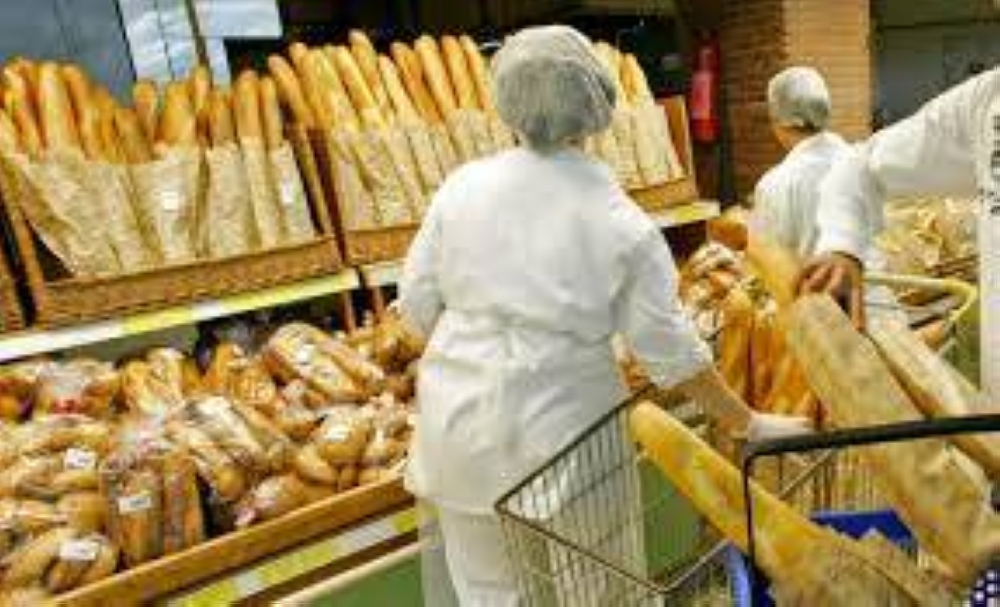
منعت لائحة اشتراطات المخابز والحلويات تذوق الأغذية باستخدام الأصابع، ضمن مشروع تقدمت به وزارة البلديات والإسكان، وتضمن منع عدد من الممارسات التي قد تسبب تلوث الأغذية، أبرزها منع لمس الشعر أو أجزاء أخرى من الجسم مثل الأنف أو العين أو الأذن.
كما منعت ارتداء ساعات اليد أو الحلي، واستخدام أدوات التجميل مثل الأظافر أو الرموش الصناعية أو طلاء الأظافر، والتدخين أو استخدام السجائر الإلكترونية أو تناول التبغ، أو مضغ الطعام أو تناوله أو العطس أو السعال أو البصق، ومن الممنوعات ملامسة الأغذية الجاهزة للأكل دون قفازات، أو الجلوس أو الاستلقاء أو الوقوف على أي سطح من المُحتمل أن تلامس الأغذية.
وشددت اللائحة على تقيد العاملين بالمحافظة على النظافة الشخصية، وعدم استخدام المنشأة للسكن، وعدم التدخين إلا في الأماكن المخصصة لذلك، ويجب على جميع العاملين الحصول على شهادة صحية، ويجب على المنشأة الغذائية إيقاف العامل عن العمل وصرفة إذا ظهرت عليه أي أعراض مرتبطة بالإصابة بمرض معوي.
كما نبهت على أن ألا يكون العامل مصاباً بأمراض جلدية أو لديه جروح أو قروح تُخرِج إفرازات في أي جزء مكشوف من الجسد، وألا تخرج أي إفرازات من عينيه أو الأنف، ويسمح بالعمل في حال كان الجرح سطحياً ونظيفاً ومغطى بضمادات، ويجب ألا يعود العاملون في تداول الأغذية والمصابون بأمراض تنتقل عن طريق الأغذية إلى العمل إلا بعد اختفاء أعراض المرض تماماً، وبعد انتهاء الإجازة المرضية.
ويجب على العاملين في إعداد وتحضير الأغذية ارتداء القفازات التي تُستخدم مرة واحدة وتغييرها بانتظام، ولا يلزم ارتداء القفازات للعاملين على الأفران أو مصادر الحرارة العالية، ويجب ارتداء الكمامة لتغطية الأنف والفم في أماكن معالجة الأغذية، ويمنع ارتداء العاملين في تداول الأغذية ملابسهم الواقية خارج المبنى أو عند استخدام دورات المياه.
وتضمنت الاشتراطات وجوب تبديل القفازات عند الخروج من منطقة المطبخ والعودة أو لمس أي أسطح غير معقمة مثل مقابض الأبواب أو عند لمس أي طعام نيئ والخضروات والفواكه غير المغسولة، وغسل الأيدي وتغيير القفازات بعد تداول اللحوم أو الدواجن.
وأكدت أخصائية التغذية طرفة الشمري على أن اشتراطات النظافة في المطاعم تتضمن النظافة الشخصية للعاملين، وصولًا إلى نظافة المعدات والأسطح والمباني، مروراً بتخزين الطعام ومعالجته.
ونبهت إلى ضرورة أن تلتزم منشأة الطعام بتطبيق الاشتراطات لضمان سلامة الغذاء وحماية صحة المستهلكين، ومن أبرز تلك الاشتراطات التي يجب التقيد بها النظافة الشخصية للعاملين، وغسل اليدين بشكل متكرر باستخدام الماء والصابون، وارتداء ملابس نظيفة ومناسبة للعمل في المطبخ، وتجنب العطس أو السعال بالقرب من الطعام، وتغطية الجروح وارتداء قفازات عند التعامل مع الطعام.
وأشادت الشمري بما تضمنته المشاريع الجديدة لمنشأت الطعام، ومنها منع ارتداء ساعات اليد أو الحلي، واستخدام أدوات التجميل مثل الأظافر أو الرموش الصناعية أو طلاء الأظافر.
The bakery and pastry regulations prohibit tasting food with fingers, as part of a project proposed by the Ministry of Municipalities and Housing. It includes the prohibition of several practices that may cause food contamination, the most notable of which is the prohibition of touching hair or other parts of the body such as the nose, eyes, or ears.
It also prohibits wearing wristwatches or jewelry, using cosmetic tools such as nails, false eyelashes, or nail polish, smoking or using electronic cigarettes, consuming tobacco, chewing food, eating, sneezing, coughing, or spitting. It is also forbidden to touch ready-to-eat food without gloves, or to sit, lie down, or stand on any surface that may come into contact with food.
The regulations emphasized that workers must maintain personal hygiene, not use the facility for housing, and not smoke except in designated areas. All workers must obtain a health certificate, and the food establishment must stop the worker from working and dismiss them if any symptoms related to gastrointestinal illness appear.
It also warned that the worker should not have skin diseases or wounds or sores that exude secretions on any exposed part of the body, and no secretions should come from their eyes or nose. Workers may work if the wound is superficial, clean, and covered with bandages, and food handlers who are infected with foodborne illnesses must not return to work until all symptoms of the illness have completely disappeared and after their sick leave has ended.
Workers involved in food preparation must wear single-use gloves and change them regularly, while it is not necessary for workers at ovens or high heat sources to wear gloves. Masks must be worn to cover the nose and mouth in food processing areas, and food handlers are prohibited from wearing their protective clothing outside the building or when using restrooms.
The regulations included the necessity of changing gloves when leaving the kitchen area and returning, or touching any non-sterile surfaces such as door handles, or when touching any raw food, unwashed vegetables, and fruits, as well as washing hands and changing gloves after handling meat or poultry.
Nutrition specialist Tarfa Al-Shammari emphasized that cleanliness requirements in restaurants include the personal hygiene of workers, extending to the cleanliness of equipment, surfaces, and buildings, as well as food storage and processing.
She highlighted the necessity for food establishments to adhere to these requirements to ensure food safety and protect consumer health. Among the most important requirements that must be adhered to are the personal hygiene of workers, frequent handwashing using soap and water, wearing clean and appropriate clothing for kitchen work, avoiding sneezing or coughing near food, covering wounds, and wearing gloves when handling food.
Al-Shammari praised the new projects for food establishments, including the prohibition of wearing wristwatches or jewelry, and using cosmetic tools such as nails, false eyelashes, or nail polish.