


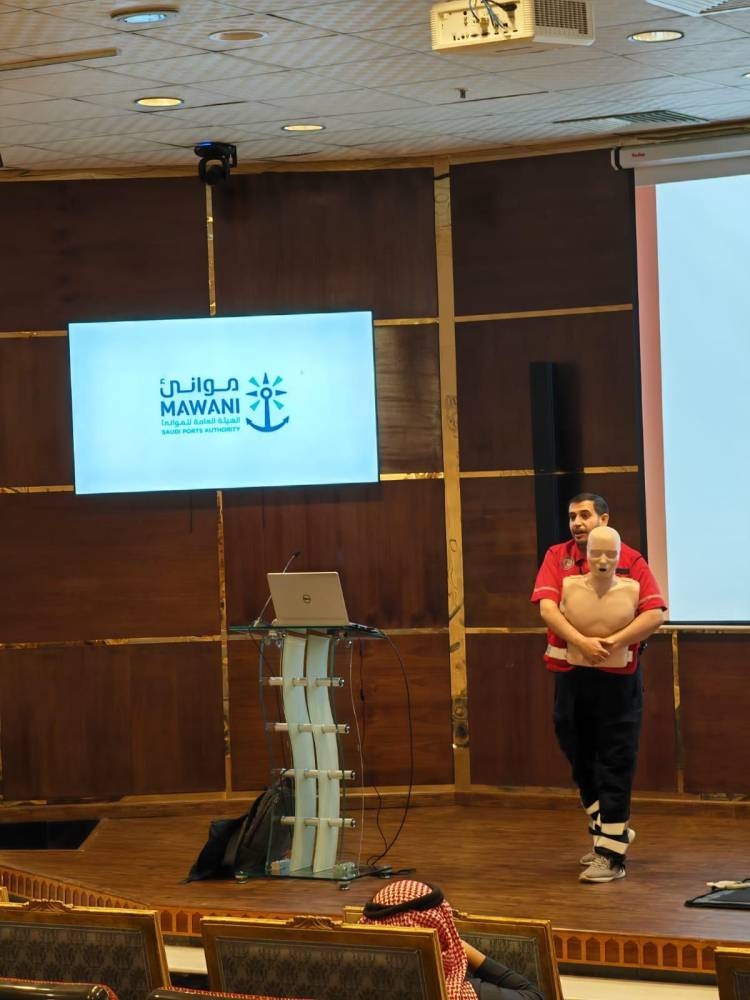
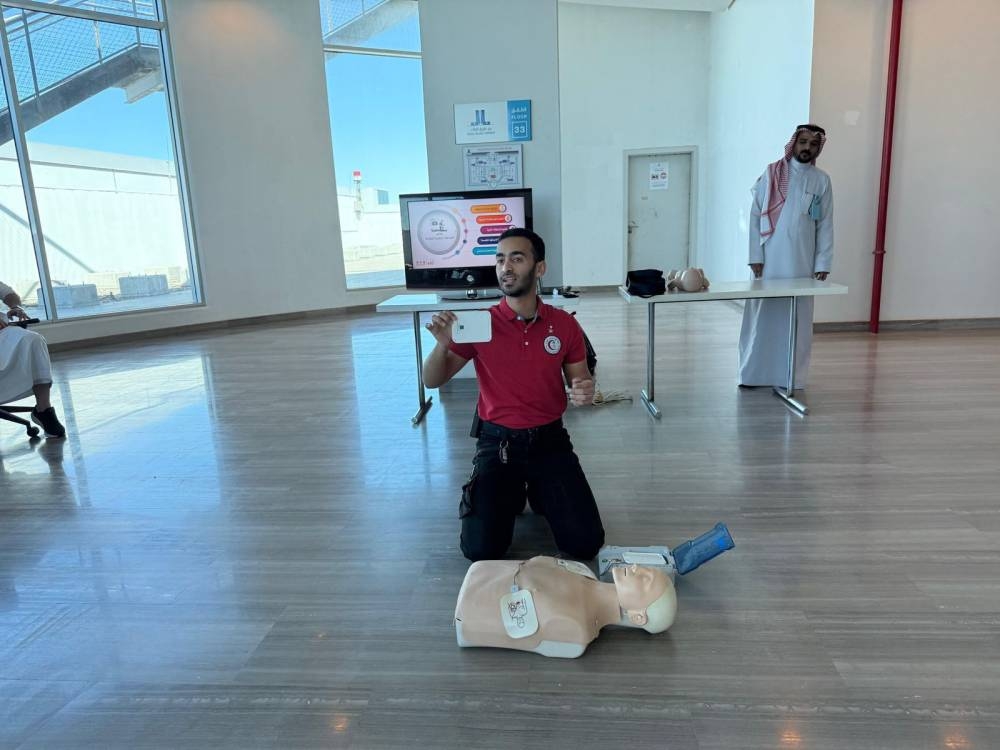
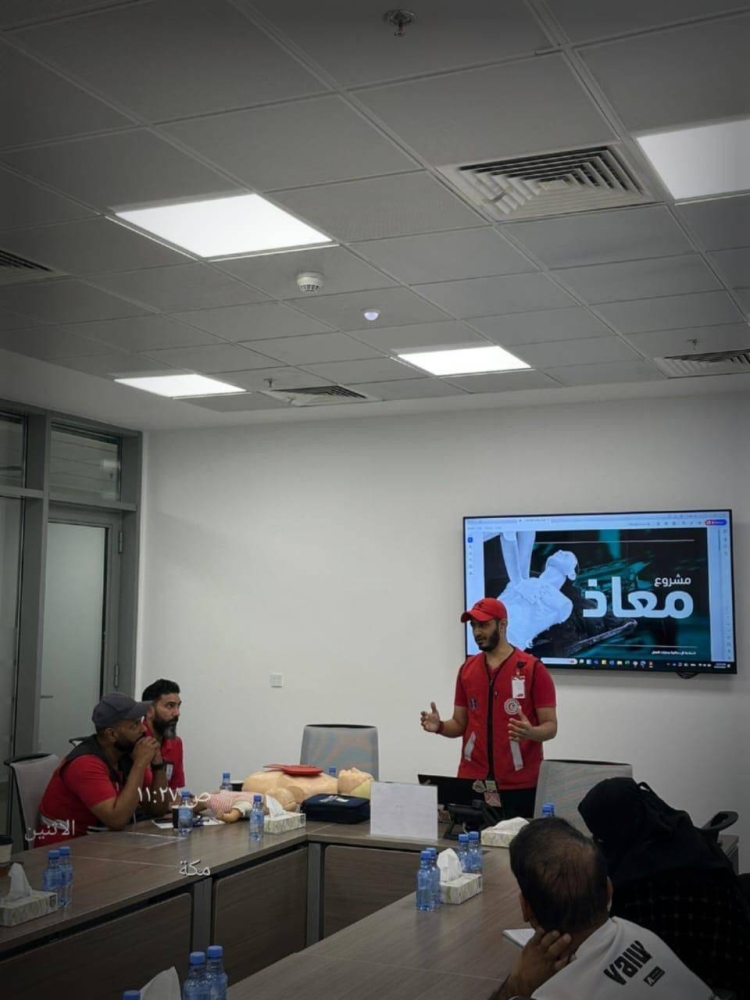
واصلت هيئة الهلال الأحمر السعودي توسّعها في مشروع «معاذ» بمنطقة مكة ليشمل 52 منشأة، ويُدرّب أكثر من 1200 موظف وموظفة على الإسعافات الأولية، دعماً للاستجابة السريعة في الحالات الطارئة، وتعزيزاً لبيئة أكثر أماناً في مقرات العمل والأماكن العامة.
ويأتي المشروع لرفع الجاهزية للتعامل مع الحالات الإسعافية الحرجة، لاسيما في لحظاتها الأولى، خصوصاً حالات توقف القلب المفاجئ.
ويرتكز المشروع على 3 مسارات رئيسية هي: توفير أجهزة الرجفان القلبي (AED) داخل المنشآت، وتسهيل الوصول إلى الخدمة، وتقليص زمن الاستجابة، وتدريب العاملين على مهارات الإسعافات الأولية من خلال برنامج المهارات الأساسية.
كما يدعم المشروع مساراً صحياً سريعاً بالتنسيق مع وزارة الصحة، يتيح تحويل حالات توقف القلب مباشرة من الميدان إلى غرف القسطرة القلبية (Cath Lab) في المستشفيات المختصة، لضمان تقديم الرعاية العاجلة في وقتها.
توسيع مشروع «معاذ» في مكة بتفعيل 52 منشأة
5 يوليو 2025 - 16:00
|
آخر تحديث 5 يوليو 2025 - 16:00


تابع قناة عكاظ على الواتساب
«عكاظ» (مكة المكرمة)
The Saudi Red Crescent Authority continued its expansion of the "Mu'adh" project in the Makkah region to include 52 facilities, training more than 1,200 male and female employees in first aid, supporting rapid response in emergency situations, and enhancing a safer environment in workplaces and public areas.
The project aims to improve readiness to handle critical emergency cases, especially in their initial moments, particularly cases of sudden cardiac arrest.
The project is based on three main pathways: providing Automated External Defibrillators (AED) within facilities, facilitating access to the service, reducing response time, and training personnel in first aid skills through the Basic Skills Program.
The project also supports a rapid health pathway in coordination with the Ministry of Health, allowing for the direct transfer of cardiac arrest cases from the field to cardiac catheterization rooms (Cath Lab) in specialized hospitals, ensuring timely urgent care.
The project aims to improve readiness to handle critical emergency cases, especially in their initial moments, particularly cases of sudden cardiac arrest.
The project is based on three main pathways: providing Automated External Defibrillators (AED) within facilities, facilitating access to the service, reducing response time, and training personnel in first aid skills through the Basic Skills Program.
The project also supports a rapid health pathway in coordination with the Ministry of Health, allowing for the direct transfer of cardiac arrest cases from the field to cardiac catheterization rooms (Cath Lab) in specialized hospitals, ensuring timely urgent care.


