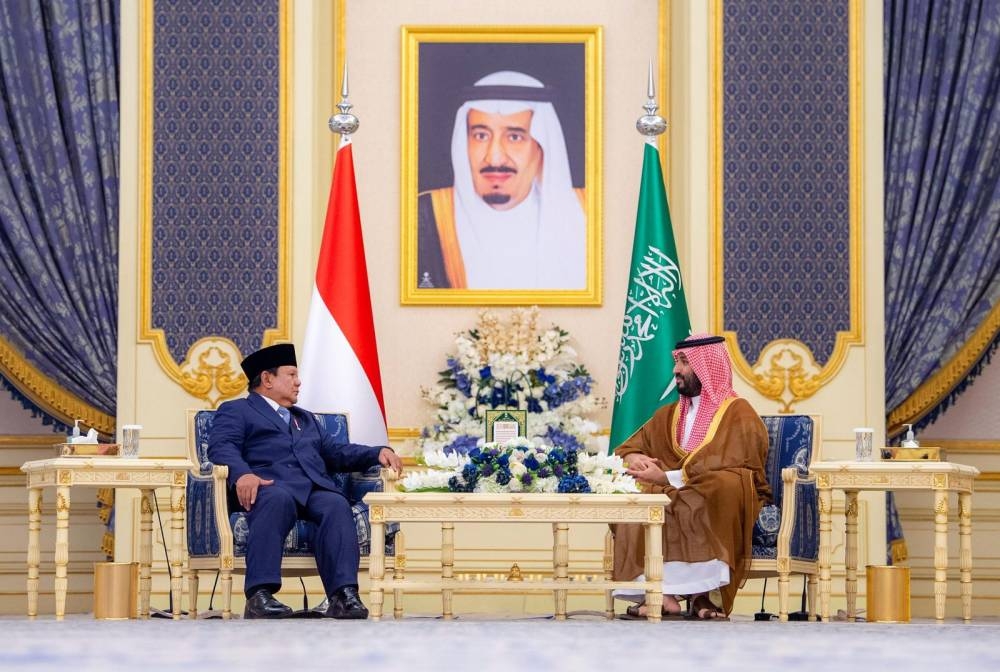
أعربت المملكة العربية السعودية وجمهورية إندونيسيا عن بالغ قلقهما حيال الكارثة الإنسانية في غزة، وجددا تأكيدهما مواصلة تقديم الدعم والمساعدات الإنسانية والإغاثية العاجلة لمواجهة تداعيات العدوان الإسرائيلي، وطالبا المجتمع الدولي باتخاذ خطوات عملية فورية لإنهاء الكارثة الإنسانية في غزة.
كما أكدا أهمية الدور الذي يجب أن يضطلع به المجتمع الدولي في الضغط على الجانب الإسرائيلي لإجباره على الامتثال للقانون الدولي وقرارات الشرعية الدولية، ودعوة جميع الدول إلى إدانة الانتهاكات الإسرائيلية، ومطالبة المجتمع الدولي بمحاسبتها وفق القانون الدولي، والضغط عليها للوفاء بالتزاماتها.
جاء ذلك في البيان المشترك الصادر في ختام زيارة رئيس جمهورية إندونيسيا برابوو سوبيانتو للمملكة، في ما يلي نصه:
«بدعوة كريمة من خادم الحرمين الشريفين الملك سلمان بن عبدالعزيز آل سعود، وانطلاقاً من الأواصر الأخوية والعلاقات المتميزة والروابط التاريخية الراسخة التي تجمع المملكة العربية السعودية وجمهورية إندونيسيا وشعبيهما الشقيقين، قام رئيس جمهورية إندونيسيا برابوو سوبيانتو بزيارة دولة للمملكة العربية السعودية يومي 7 و8 محرم 1447هـ الموافق 2 و3 يوليو 2025.
واستقبل ولي العهد رئيس مجلس الوزراء الأمير محمد بن سلمان بن عبدالعزيز آل سعود، رئيس جمهورية إندونيسيا برابوو سوبيانتو بقصر السلام بجدة، ونقل له تحيات خادم الحرمين الشريفين الملك سلمان بن عبدالعزيز آل سعود، وتمنياته بموفور الصحة والعافية، ولجمهورية إندونيسيا وشعبها الشقيق المزيد من التقدم والرقي، وطلب من ولي العهد نقل تحياته وأصدق تمنياته إلى خادم الحرمين الشريفين الملك سلمان بن عبدالعزيز آل سعود، دوام الصحة والعافية، وللشعب السعودي الشقيق النماء والرخاء. وعقدا جلسة مباحثات رسمية، استعرضا خلالها العلاقات التاريخية بين البلدين الشقيقين وسبل تطويرها في جميع المجالات.
وفي بداية الاجتماع، ثمن الجانب الإندونيسي الجهود التي تبذلها حكومة المملكة العربية السعودية في خدمة الحرمين الشريفين وقاصديهما، مشيداً بمستوى التنسيق بين البلدين لتحقيق راحة الحجاج والمعتمرين والزوار من جمهورية إندونيسيا. وناقش الجانبان سبل تعزيز التعاون لتقديم أفضل الخدمات المتاحة للحجاج الإندونيسيين.
وتأكيداً لحرص البلدين على تعزيز وتعميق علاقتهما التاريخية في جميع المجالات، عُقد الاجتماع (الأول) لـ(مجلس التنسيق الأعلى السعودي الإندونيسي) برئاسة مشتركة من ولي العهد رئيس مجلس الوزراء (رئيس الجانب السعودي)، ورئيس جمهورية إندونيسيا (رئيس الجانب الإندونيسي)، وجرى خلال الاجتماع إقرار حوكمة المجلس وعدد من التوصيات التي من شأنها تعزيز سبل التعاون بين البلدين في المجالات ذات الاهتمام المشترك، بما يلبي طموحات وتطلعات قيادتي وشعبي البلدين. وأكد رئيسا المجلس أهمية استمرار دعم وتطوير أعمال المجلس ولجانه، والتنسيق الدائم بين الجانبين بما يسهم في تعزيز فاعليته أداةً مؤسسية تؤطر أعمال التعاون الثنائي. وعبرا عن تطلعهما إلى عقد الاجتماع (الثاني) للمجلس في جمهورية إندونيسيا في موعد يتم تحديده من خلال القنوات الدبلوماسية.
وفي المجالات الاقتصادية والتجارية والاستثمارية، أشاد الجانبان بمتانة الروابط الاقتصادية بينهما، واتفقا على أهمية تعزيز تعاونهما خاصة في القطاعات ذات الأولوية المشتركة، ودعم بناء الشراكة بين القطاع الخاص في البلدين، واستثمار الفرص التي تقدمها (رؤية المملكة 2030) و(رؤية إندونيسيا الذهبية 2045) لتعزيز التعاون في مختلف المجالات. وأشادا بمستوى التجارة الثنائية، التي بلغت خلال الأعوام الخمسة الماضية نحو (31.5) مليار دولار، مما يجعل المملكة الشريك التجاري الأول لجمهورية إندونيسيا في المنطقة، وأكدا أهمية استمرار العمل المشترك لتنمية حجم التبادل التجاري، وتكثيف الزيارات المتبادلة بين المسؤولين في القطاعين العام والخاص، وعقد الفعاليات التجارية بين البلدين من خلال (مجلس الاعمال السعودي الإندونيسي)، لبحث الفرص الواعدة وتحويلها إلى شراكات ملموسة. ورحبا بالنتائج الإيجابية لمفاوضات (اتفاقية التجارة الحرة بين دول مجلس التعاون لدول الخليج العربية وجمهورية إندونيسيا)، التي عقدت بين الجانبين خلال شهري سبتمبر 2024، وفبراير 2025، وعبرا عن تطلعهما إلى إبرام الاتفاقية خلال المدة القريبة القادمة. وأكد الجانبان أهمية تعزيز التعاون الاستثماري وتكثيف الجهود لتمكين الشراكات الإستراتيجية في القطاعات ذات الأولوية، وفي مقدمتها الطاقة، والخدمات المالية، والتعدين، والصناعات التحويلية، والخدمات اللوجستية، والسياحة، والصناعات التحويلية، والزراعة، والتقنيات الخضراء، بما يتماشى مع (رؤية المملكة 2030)، و(رؤية إندونيسيا الذهبية 2045) و(أولويات التنمية الوطنية الإندونيسية). وأشاد الجانبان بالدور الحيوي الذي تلعبه الاستثمارات المشتركة في دعم التكامل الاقتصادي وخلق الفرص النوعية للقطاع الخاص في البلدين. وفي هذا الصدد، عبر الجانبان عن تطلعهما إلى تطوير بيئة محفزة للاستثمار، وتبني آليات فاعلة، تعزز من مواءمة السياسات التنموية والاستثمارية، وتسهم في تحقيق أهداف التنمية. واتفقا على أهمية تفعيل قنوات التواصل المؤسسي في المجال الاستثماري، وتبادل الخبرات، وتكثيف الزيارات المتبادلة، وتنظيم المنتديات الاستثمارية الدورية التي تجمع المسؤولين التنفيذيين ورجال الأعمال من الجانبين، والعمل على صياغة خارطة طريق مشتركة لتسهيل تدفق الاستثمارات، وتوفير الحوافز الممكنة، ومواجهة التحديات التنظيمية والإجرائية، بما يسهم في تحفيز استثمارات نوعية في البلدين. وأشاد الجانبان بمستوى التنسيق والجهود القائمة بين الجهات الحكومية وكبرى الشركات في البلدين. وأكدا التزامهما بمواصلة البناء على ما تحقق لتعزيز العلاقات الاستثمارية وتوسيع نطاق الشراكات الإستراتيجية بين القطاعين العام والخاص.
وفي مجال الطاقة، نوه الجانب الإندونيسي بدور المملكة الريادي وجهودها في تعزيز موثوقية أسواق النفط العالمية واستقرارها، وبدورها الإيجابي في توازن أسواق الطاقة العالمية. وأكد الجانب الإندونيسي أهمية ضمان أمن الإمدادات لجميع مصادر الطاقة في الأسواق العالمية.
وفي هذا الصدد، اتفق الجانبان على أهمية تعزيز التعاون في المجالات الآتية: (1) توريد النفط الخام ومشتقاته، والبتروكيماويات والعمل المشترك لاستغلال الفرص الاستثمارية في مجالات التكرير والبتروكيماويات، بالإضافة إلـى التعاون في الاستخدامات المبتكرة للمواد الهيدروكربونية من أجل ضمان الاستدامة البيئية وتعزيز التطبيقات والتقنيات النهائية ذات المزايا البيئية والاقتصادية.
(2) تطوير سلاسل التوريد واستدامتها في قطاعات الطاقة، وتيسير التعاون بين الشركات لتحقيق أقصى استفادة من الموارد المحلية في كلا البلدين، مما يساهم في تحقيق مرونة وكفاءة إمدادات الطاقة، بالإضافة إلى تعزيز المحتوى المحلي، وتمكين الصناعات المحلية، وبناء سلاسل توريد أكثر مرونة وشمولاً.
(3) الكهرباء والطاقة المتجددة وتخزين الطاقة وتطوير مشاريعها، وتعزيز مشاركة الشركات من كلا الجانبين في تنفيذها، وتشجيع نقل التكنولوجيا وبناء القدرات والبحث التعاوني لدعم التحولات الوطنية في مجال الطاقة وأهداف تطوير الطاقة المتجددة.
(4) كفاءة الطاقة والحفاظ عليها، من خلال تبادل أفضل الممارسات والمعرفة في ما يتعلق بتنفيذ معايير الحد الأدنى في أداء الطاقة وإدارة الطاقة، وتشجيع الكيانات التجارية من كلا الجانبين لتطوير مشاريع مشتركة في مجال كفاءة الطاقة، وبناء القدرات من خلال التدريب وورش العمل.
(5) سياسات المناخ الدولية بالتركيز على الانبعاثات دون المصادر من خلال تطبيق نهج الاقتصاد الدائري للكربون للإسهام في معالجة انبعاثات الكربون بطريقة مستدامة اقتصادياً، وتحديد مجالات التعاون في مجال احتجاز الكربون واستخدامه وتخزينه وتقنيات احتجاز الكربون وتخزينه من خلال تبادل الخبرات والمعلومات حول أنظمة نقل الكربون عبر الحدود.
(6) تعزيز التعاون في مجال الموارد المعدنية، بما في ذلك تبادل الخبرات في الأعمال الجيولوجية والتعدين والمعالجة والتقنيات الحديثة وتقييم الخام وغيرها من المواضيع العلمية ذات الصلة.
واتفق الجانبان على التعاون لتحفيز الابتكار، وتطبيق التقنيات الناشئة مثل الذكاء الاصطناعي في قطاع الطاقة وتطوير البيئة الحاضنة لها. كما أكدا أهمية التعاون المشترك لتطوير تطبيقات وتقنيات الاقتصاد الدائري للكربون والهيدروجين النظيف عبر تبادل الخبرات والمعرفة والتجارب لتطبيق أفضل الممارسات في هذه المجالات.
وعبر الجانبان عن تطلعهما إلى تعزيز التعاون في المجال الصحي، ولاسيما ما يتعلق بتطبيق اشتراطات الحج والعمرة، ودعم الاستثمار في القطاع الصحي من خلال التعاون في مجال صناعة الأدوية واللقاحات والتكنولوجيا، وتطوير الكوادر البشرية.
وأكد الجانبان أهمية تعزيز التعاون والشراكة في المجالات الآتية:
(1) الاقتصاد الرقمي، والابتكار.
(2) القضاء والعدل.
(3) العمل والموارد البشرية.
(4) الثقافة.
(5) السياحة.
(6) الرياضة والشباب.
(7) التعليم والبحث العلمي.
(8) الصناعة والتعدين.
(9) الزراعة والثروة السمكية والأمن الغذائي.
(10) تعزيز الربط الجوي بين البلدين، وتوفير التسهيلات والاستثناءات اللازمة لناقلات البلدين.
وفي الجانب الدفاعي والأمني، اتفق الجانبان على أهمية تعزيز وتطوير التعاون الدفاعي بين البلدين، بما يحقق المصالح المشتركة، ويسهم في تحقيق الأمن والاستقرار الإقليمي والعالمي. وأكدا سعيهما إلى تعزيز تعاونهما الأمني، والتنسيق حيال الموضوعات ذات الاهتمام المشترك، بما في ذلك مكافحة الجرائم بجميع أشكالها، ومكافحة جرائم الإرهاب والتطرف وتمويلهما، وتعزيز التعاون في مجال الأمن السيبراني، وتبادل المعلومات، والخبرات، والتدريب، بما يسهم في تحقيق الأمن والاستقرار في البلدين الشقيقين.
ورحب الجانبان بتوقيع عدد من الاتفاقيات ومذكرات التفاهم خلال هذه الزيارة بين مؤسسات القطاع الخاص في البلدين بلغت قيمتها نحو (27) مليار دولار في عدد من المجالات بما فيها الطاقة النظيفة، والصناعات البتروكيماوية، وخدمات وقود الطائرات، بما يجسد تطلعات الجانبين نحو شراكة اقتصادية متقدمة.
وأكد الجانبان أهمية تعزيز التعاون بينهما في المنظمات الدولية بما فيها (صندوق النقد والبنك الدوليين)، و(البنك الإسلامي للتنمية)، بما يحقق التعاون الدولي متعدد الأطراف لمعالجة التحديات الاقتصادية التي تواجه البلدين والعالم. وعبرا عن التزامهما بتعزيز التنسيق بينهما تجاه القضايا ذات الاهتمام المشترك في المنظمات الدولية بما فيها (الأمم المتحدة)، و(منظمة التعاون الإسلامي)، و(مجموعة العشرين) و(حركة عدم الانحياز).
وفي الشأن الدولي، تبادل الجانبان وجهات النظر حول القضايا التي تهم البلدين على الساحتين الإقليمية والدولية، وجددا عزمهما على مواصلة التنسيق وتكثيف الجهود الرامية إلى صون الأمن والسلم الدوليين. وفي هذا الصدد، رحب الجانبان بإعلان التوصل إلى صيغة اتفاق لوقف إطلاق النار بين طرفي الأزمة في المنطقة، وعبرا عن تثمينهما للجهود المبذولة لاحتواء ذلك، وأعربا عن أملهما في استمرار وقف إطلاق النار.
وبشأن تطورات الأوضاع في فلسطين، أعرب الجانبان عن بالغ قلقهما حيال الكارثة الإنسانية في غزة، وجددا تأكيدهما مواصلة تقديم الدعم والمساعدات الإنسانية والإغاثية العاجلة لمواجهة تداعيات العدوان الإسرائيلي، وطالبا المجتمع الدولي باتخاذ خطوات عملية فورية لإنهاء الكارثة الإنسانية في غزة، وشددا على ضرورة التزام إسرائيل بوقف إطلاق النار. وأدان الجانبان السياسة التي تنتهجها إسرائيل واستخدام الحصار والتجويع سلاحاً ضد المدنيين في قطاع غزة، وأعربا عن رفضهما التام لتهجير المواطنين الفلسطينيين داخل أرضهم أو خارجها، باعتبار ذلك خرقاً فاضحاً للقانون الدولي، وأدانا استهداف إسرائيل المستمر للعاملين في المجال الإنساني، وأكدا أهمية الدور الذي يجب أن يضطلع به المجتمع الدولي في الضغط على الجانب الإسرائيلي لإجباره على الامتثال للقانون الدولي وقرارات الشرعية الدولية، ودعوة جميع الدول إلى إدانة الانتهاكات الإسرائيلية، ومطالبة المجتمع الدولي بمحاسبتها وفق القانون الدولي، والضغط عليها للوفاء بالتزاماتها، وشدد الجانبان على ضرورة تمكين المنظمات الدولية الإنسانية من القيام بدورها في تقديم المساعدات الإنسانية والإغاثية للشعب الفلسطيني، بما في ذلك منظمات الأمم المتحدة، خاصة وكالة الأمم المتحدة لغوث اللاجئين الفلسطينيين (الأونروا) ودعم جهودها في هذا الشأن.
وأكد الجانبان أنه لا سبيل إلى تحقيق الأمن والاستقرار في فلسطين إلا من خلال تنفيذ القرارات الدولية المتعلقة بحل الدولتين، بما يكفل تهيئة الظروف المناسبة للتعايش السلمي والتنمية الاقتصادية وتمكين الشعب الفلسطيني الشقيق من نيل حقوقه المشروعة في إقامة دولته المستقلة ذات السيادة على حدود عام 1967، وعاصمتها القدس الشرقية. وفي هذا الصدد، ثمن الجانب الإندونيسي جهود المملكة في هذا الإطار، بما في ذلك في (التحالف الدولي لتنفيذ حل الدولتين)، وحث الجانبان جميع الدول على دعم هذه الجهود والمشاركة فيها بفاعلية لوضع خطوات عملية تدعم الجهود الأممية ومساعي السلام، وتٌفضي إلى تجسيد الدولة الفلسطينية المستقلة، وإنهاء الاحتلال.
وفي الشأن اليمني، أكد الجانبان أهمية الدعم الكامل للجهود الأممية والإقليمية للوصول إلى حل سياسي شامل للأزمة اليمنية، بما يضمن للشعب اليمني وحدة بلاده واستقرارها. وجددا دعمهما لمجلس القيادة الرئاسي في الجمهورية اليمنية، وأشاد الجانب الإندونيسي بجهود المملكة ومبادراتها الرامية إلى تشجيع الحوار والوفاق بين الأطراف اليمنية، وما تقدمه من مساعدات إنسانية وتسهيل وصولها لكل مناطق اليمن، ودورها في تقديم الدعم الاقتصادي والمشاريع التنموية لليمن. وأكد الجانبان أهمية المحافظة على أمن واستقرار منطقة البحر الأحمر التي تعد حرية الملاحة فيها مطلباً دولياً لمساسها بمصالح العالم أجمع.
وفي الشأن السوري، شدد الجانبان على أهمية احترام سيادة الجمهورية العربية السورية ووحدة أراضيها، ورفض أي تدخل في شؤونها الداخلية. ورحبا بإعلان حكومات الولايات المتحدة الأمريكية، والمملكة المتحدة، ودول الإتحاد الأوروبي رفع العقوبات المفروضة على سورية، معتبرين ذلك خطوة إيجابية نحو إعادة إعمار سورية، وتحقيق الاستقرار، وتهيئة الظروف الملائمة لعودة اللاجئين، وبناء مؤسسات الدولة، وأشاد الجانب الإندونيسي بما بذلته المملكة من جهود في هذا الشأن. وجدد الجانبان دعمهما لجميع المساعي الرامية إلى تحقيق الأمن والاستقرار في سورية، وأعربا عن رفضهما لأي ممارسات تنتهك سيادة سورية، بما في ذلك الاعتداءات الإسرائيلية المتكررة على الأراضي السورية.
وفي الشأن السوداني، أكد الجانبان أهمية مواصلة الحوار بين طرفي النزاع من خلال منبر جدة، وصولاً إلى وقف كامل لإطلاق النار، وإنهاء الأزمة ورفع المعاناة عن الشعب السوداني، والمحافظة على سيادة السودان ووحدته والمؤسسات الوطنية فيه».
في ختام الزيارة، أعرب رئيس جمهورية إندونيسيا برابوو سوبيانتو عن شكره وتقديره لخادم الحرمين الشريفين الملك سلمان بن عبدالعزيز آل سعود، ولولي العهد رئيس مجلس الوزراء الأمير محمد بن سلمان بن عبدالعزيز آل سعود، على ما لقيه والوفد المرافق من حسن الاستقبال وكرم الضيافة. ووجه الدعوة لولي العهد رئيس مجلس الوزراء الأمير محمد بن سلمان بن عبدالعزيز آل سعود، للقيام بزيارة رسمية لجمهورية إندونيسيا، يتم تحديد موعدها من خلال القنوات الدبلوماسية. وأعرب عن تمنياته لفخامته بالصحة والسعادة، وللشعب الإندونيسي الشقيق المزيد من التقدم والرقي.
The Kingdom of Saudi Arabia and the Republic of Indonesia expressed their deep concern regarding the humanitarian disaster in Gaza, reaffirming their commitment to continue providing urgent humanitarian and relief assistance to address the repercussions of the Israeli aggression. They called on the international community to take immediate practical steps to end the humanitarian disaster in Gaza.
They also emphasized the importance of the role that the international community must play in pressuring the Israeli side to compel it to comply with international law and the decisions of international legitimacy, calling on all countries to condemn the Israeli violations and urging the international community to hold it accountable under international law and to pressure it to fulfill its obligations.
This was stated in the joint statement issued at the conclusion of the visit of the President of the Republic of Indonesia, Prabowo Subianto, to the Kingdom, the text of which is as follows:
“At the kind invitation of the Custodian of the Two Holy Mosques, King Salman bin Abdulaziz Al Saud, and based on the fraternal ties, distinguished relations, and the deep historical links that bind the Kingdom of Saudi Arabia and the Republic of Indonesia and their two brotherly peoples, the President of the Republic of Indonesia, Prabowo Subianto, paid a state visit to the Kingdom of Saudi Arabia on the 7th and 8th of Muharram 1447 AH, corresponding to July 2nd and 3rd, 2025.
The Crown Prince and Prime Minister, Prince Mohammed bin Salman bin Abdulaziz Al Saud, received the President of the Republic of Indonesia, Prabowo Subianto, at Al-Salam Palace in Jeddah, conveying the greetings of the Custodian of the Two Holy Mosques, King Salman bin Abdulaziz Al Saud, and his wishes for good health and wellness, and for the Republic of Indonesia and its brotherly people to achieve further progress and prosperity. He requested the Crown Prince to convey his greetings and best wishes to the Custodian of the Two Holy Mosques, King Salman bin Abdulaziz Al Saud, for continued health and wellness, and for the Saudi people to enjoy growth and prosperity. They held an official discussion session, during which they reviewed the historical relations between the two brotherly countries and ways to develop them in all fields.
At the beginning of the meeting, the Indonesian side praised the efforts made by the Government of the Kingdom of Saudi Arabia in serving the Two Holy Mosques and their visitors, commending the level of coordination between the two countries to ensure the comfort of pilgrims, Umrah performers, and visitors from the Republic of Indonesia. The two sides discussed ways to enhance cooperation to provide the best available services to Indonesian pilgrims.
In confirmation of the two countries' keenness to enhance and deepen their historical relationship in all fields, the (first) meeting of the (Saudi-Indonesian Supreme Coordination Council) was held, co-chaired by the Crown Prince and Prime Minister (head of the Saudi side) and the President of the Republic of Indonesia (head of the Indonesian side). During the meeting, the governance of the council and several recommendations were approved that would enhance cooperation between the two countries in areas of mutual interest, in a manner that meets the aspirations and ambitions of the leadership and peoples of both countries. The council presidents emphasized the importance of continuing to support and develop the council's work and its committees, and the ongoing coordination between the two sides to enhance its effectiveness as an institutional tool that frames the work of bilateral cooperation. They expressed their hope to hold the (second) council meeting in the Republic of Indonesia at a date to be determined through diplomatic channels.
In the fields of economy, trade, and investment, both sides praised the strength of the economic ties between them, agreeing on the importance of enhancing their cooperation, especially in sectors of mutual priority, supporting the building of partnerships between the private sectors in both countries, and investing in the opportunities provided by (Vision 2030) and (Indonesia Golden Vision 2045) to enhance cooperation in various fields. They praised the level of bilateral trade, which reached approximately (31.5) billion dollars over the past five years, making the Kingdom the first trading partner of the Republic of Indonesia in the region. They emphasized the importance of continuing joint efforts to develop the volume of trade exchange, intensifying mutual visits between officials in the public and private sectors, and holding commercial events between the two countries through the (Saudi-Indonesian Business Council) to explore promising opportunities and turn them into tangible partnerships. They welcomed the positive results of the negotiations on the (Free Trade Agreement between the Gulf Cooperation Council and the Republic of Indonesia), which were held between the two sides during September 2024 and February 2025, and expressed their hope to conclude the agreement in the near future. Both sides emphasized the importance of enhancing investment cooperation and intensifying efforts to enable strategic partnerships in priority sectors, foremost of which are energy, financial services, mining, manufacturing, logistics, tourism, agriculture, and green technologies, in line with (Vision 2030) and (Indonesia Golden Vision 2045) and (Indonesian National Development Priorities). They praised the vital role that joint investments play in supporting economic integration and creating quality opportunities for the private sector in both countries. In this regard, both sides expressed their hope to develop an encouraging investment environment and adopt effective mechanisms that enhance the alignment of development and investment policies and contribute to achieving development goals. They agreed on the importance of activating institutional communication channels in the investment field, exchanging experiences, intensifying mutual visits, organizing periodic investment forums that bring together executives and businessmen from both sides, and working on formulating a joint roadmap to facilitate the flow of investments, provide possible incentives, and address regulatory and procedural challenges, contributing to stimulating quality investments in both countries. Both sides praised the level of coordination and existing efforts between government entities and major companies in both countries. They affirmed their commitment to continue building on what has been achieved to enhance investment relations and expand the scope of strategic partnerships between the public and private sectors.
In the field of energy, the Indonesian side noted the Kingdom's pioneering role and efforts in enhancing the reliability and stability of global oil markets and its positive role in balancing global energy markets. The Indonesian side emphasized the importance of ensuring the security of supply for all energy sources in global markets.
In this regard, both sides agreed on the importance of enhancing cooperation in the following areas: (1) Supplying crude oil and its derivatives, petrochemicals, and joint work to exploit investment opportunities in refining and petrochemicals, in addition to cooperation in innovative uses of hydrocarbons to ensure environmental sustainability and enhance environmentally and economically beneficial applications and technologies.
(2) Developing and sustaining supply chains in the energy sectors, facilitating cooperation between companies to maximize the benefits from local resources in both countries, contributing to achieving flexibility and efficiency in energy supplies, in addition to enhancing local content, empowering local industries, and building more flexible and inclusive supply chains.
(3) Electricity and renewable energy, energy storage, and developing projects in this field, enhancing the participation of companies from both sides in their implementation, and encouraging technology transfer, capacity building, and collaborative research to support national energy transitions and renewable energy development goals.
(4) Energy efficiency and conservation, through exchanging best practices and knowledge regarding the implementation of minimum energy performance standards and energy management, encouraging commercial entities from both sides to develop joint projects in energy efficiency, and building capacities through training and workshops.
(5) International climate policies focusing on emissions without sources through applying a circular carbon economy approach to contribute to addressing carbon emissions in an economically sustainable manner, identifying areas of cooperation in carbon capture, utilization, and storage technologies through exchanging experiences and information on cross-border carbon transport systems.
(6) Enhancing cooperation in the field of mineral resources, including exchanging experiences in geological work, mining, processing, modern technologies, and ore evaluation, among other relevant scientific topics.
Both sides agreed to cooperate to stimulate innovation and apply emerging technologies such as artificial intelligence in the energy sector and develop an enabling environment for it. They also emphasized the importance of joint cooperation to develop applications and technologies for the circular carbon economy and clean hydrogen through exchanging experiences, knowledge, and practices to apply best practices in these areas.
Both sides expressed their hope to enhance cooperation in the health field, particularly regarding the implementation of the requirements for Hajj and Umrah, supporting investment in the health sector through cooperation in the fields of pharmaceuticals, vaccines, and technology, and developing human resources.
Both sides emphasized the importance of enhancing cooperation and partnership in the following areas:
(1) Digital economy and innovation.
(2) Judiciary and justice.
(3) Labor and human resources.
(4) Culture.
(5) Tourism.
(6) Sports and youth.
(7) Education and scientific research.
(8) Industry and mining.
(9) Agriculture, fisheries, and food security.
(10) Enhancing air connectivity between the two countries and providing the necessary facilities and exemptions for carriers from both countries.
In the defense and security aspect, both sides agreed on the importance of enhancing and developing defense cooperation between the two countries, achieving mutual interests, and contributing to regional and global security and stability. They affirmed their efforts to enhance their security cooperation and coordination regarding issues of mutual interest, including combating crimes in all their forms, combating terrorism and extremism and their financing, enhancing cooperation in cybersecurity, and exchanging information, experiences, and training, contributing to achieving security and stability in the two brotherly countries.
Both sides welcomed the signing of several agreements and memorandums of understanding during this visit between private sector institutions in both countries, valued at approximately (27) billion dollars in several fields, including clean energy, petrochemical industries, and aircraft fuel services, reflecting the aspirations of both sides towards an advanced economic partnership.
Both sides emphasized the importance of enhancing cooperation between them in international organizations, including (the International Monetary Fund and the World Bank) and (the Islamic Development Bank), achieving multilateral international cooperation to address the economic challenges facing both countries and the world. They expressed their commitment to enhancing coordination between them regarding issues of mutual interest in international organizations, including (the United Nations), (the Organization of Islamic Cooperation), (the G20), and (the Non-Aligned Movement).
On the international front, both sides exchanged views on issues of concern to both countries on the regional and international arenas, reaffirming their determination to continue coordinating and intensifying efforts aimed at preserving international peace and security. In this regard, both sides welcomed the announcement of reaching an agreement on a ceasefire between the parties to the crisis in the region, and they expressed their appreciation for the efforts made to contain it, hoping for the continuation of the ceasefire.
Regarding developments in Palestine, both sides expressed their deep concern regarding the humanitarian disaster in Gaza, reaffirming their commitment to continue providing urgent humanitarian and relief assistance to address the repercussions of the Israeli aggression, and calling on the international community to take immediate practical steps to end the humanitarian disaster in Gaza. They stressed the necessity of Israel's commitment to ceasefire. Both sides condemned the policy adopted by Israel and the use of siege and starvation as a weapon against civilians in the Gaza Strip, expressing their complete rejection of the displacement of Palestinian citizens within or outside their land, considering it a blatant violation of international law. They condemned Israel's ongoing targeting of humanitarian workers and emphasized the important role that the international community must play in pressuring the Israeli side to compel it to comply with international law and the decisions of international legitimacy, calling on all countries to condemn the Israeli violations and urging the international community to hold it accountable under international law and to pressure it to fulfill its obligations. Both sides stressed the necessity of enabling international humanitarian organizations to fulfill their role in providing humanitarian and relief assistance to the Palestinian people, including United Nations organizations, especially the United Nations Relief and Works Agency for Palestine Refugees (UNRWA), and supporting its efforts in this regard.
Both sides affirmed that there is no way to achieve security and stability in Palestine except through the implementation of international resolutions related to the two-state solution, ensuring the appropriate conditions for peaceful coexistence and economic development, and enabling the brotherly Palestinian people to obtain their legitimate rights to establish their independent sovereign state on the borders of 1967, with East Jerusalem as its capital. In this regard, the Indonesian side praised the Kingdom's efforts in this framework, including in the (International Coalition for Implementing the Two-State Solution), and both sides urged all countries to support these efforts and actively participate in taking practical steps that support UN efforts and peace initiatives, leading to the realization of an independent Palestinian state and the end of occupation.
Regarding the Yemeni issue, both sides affirmed the importance of full support for UN and regional efforts to reach a comprehensive political solution to the Yemeni crisis, ensuring the unity and stability of Yemen. They reaffirmed their support for the Presidential Leadership Council in the Republic of Yemen, and the Indonesian side praised the Kingdom's efforts and initiatives aimed at encouraging dialogue and reconciliation among the Yemeni parties, as well as the humanitarian assistance it provides and facilitating its access to all areas of Yemen, and its role in providing economic support and developmental projects for Yemen. Both sides emphasized the importance of maintaining security and stability in the Red Sea region, which is a matter of international demand due to its impact on the interests of the entire world.
Regarding the Syrian issue, both sides stressed the importance of respecting the sovereignty of the Syrian Arab Republic and its territorial integrity, rejecting any interference in its internal affairs. They welcomed the announcement by the governments of the United States of America, the United Kingdom, and the European Union to lift the sanctions imposed on Syria, considering this a positive step towards the reconstruction of Syria, achieving stability, and creating suitable conditions for the return of refugees and building state institutions. The Indonesian side praised the efforts made by the Kingdom in this regard. Both sides renewed their support for all efforts aimed at achieving security and stability in Syria, expressing their rejection of any practices that violate Syria's sovereignty, including the repeated Israeli attacks on Syrian territory.
Regarding the Sudanese issue, both sides emphasized the importance of continuing dialogue between the two conflicting parties through the Jeddah platform, reaching a complete ceasefire, ending the crisis, and alleviating the suffering of the Sudanese people while preserving Sudan's sovereignty and unity and its national institutions.”
At the conclusion of the visit, the President of the Republic of Indonesia, Prabowo Subianto, expressed his gratitude and appreciation to the Custodian of the Two Holy Mosques, King Salman bin Abdulaziz Al Saud, and to the Crown Prince and Prime Minister, Prince Mohammed bin Salman bin Abdulaziz Al Saud, for the warm reception and generous hospitality he and the accompanying delegation received. He extended an invitation to the Crown Prince and Prime Minister, Prince Mohammed bin Salman bin Abdulaziz Al Saud, to undertake an official visit to the Republic of Indonesia, with the date to be determined through diplomatic channels. He expressed his wishes for His Highness for health and happiness, and for the brotherly Indonesian people further progress and prosperity.