نفّذ فرع وزارة البيئة والمياه والزراعة بمنطقة مكة المكرمة، جولات رقابية ميدانية استهدفت عدداً من المزارع والأودية في المنطقة ومحافظاتها، ضمن خطة رقابية دورية تهدف إلى متابعة جودة المنتجات الزراعية والتأكد من سلامتها، وسُحبت 187 عينة من المحاصيل الزراعية شملت 171 عينة من الخضراوات، و16 عينة من الفواكه، إضافة إلى عينات من التمور والمحاصيل الحقلية والعسل، وإرسال جميع العينات إلى مختبر متبقيات المبيدات التابع للفرع في محافظة جدة، لتحليلها مخبريّاً وفقاً للمواصفات السعودية والأوروبية المعتمدة، وقياس مدى مطابقتها للحدود المسموح بها لبقايا المبيدات والمواد الكيميائية.
وأظهرت نتائج التحاليل، أن 167 عينة خالية تماماً من أي متبقيات للمبيدات، وجاءت 14 عينة ضمن الحدود المسموح بها، بينما سجلت ست عينات نتائج أعلى من الحد المسموح به، وهو ما يمثل نسبة 3.2% من إجمالي العينات. وشملت العينات غير المطابقة منتجات زراعية مثل النعناع، والحبق، والدوش المردقوش، والقرع، والبطاطس من محافظة جدة، إضافة إلى الجرجير من محافظة الطائف.
وكشف خبير البحوث الزراعية الدكتور طارق عبدالعليم لـ«عكاظ»، أن مدة التحريم هي الفترة التي يمنع فيها الحصاد، وفترة التحريم تختلف من مبيد لآخر ومن محصول لآخر. وقد يكون نفس المبيد طويل التحريم لمحصول وقصيراً لآخر، فالخطورة ليست في استخدام المبيدات، بل في جني المحاصيل قبل نهاية مدة التحريم.
وأضاف الدكتور عبدالعليم: لكل مبيد جدول يحدد الفترة المحظورة، التي قد تراوح من يوم واحد إلى 21 يوماً أو أكثر، علماً أن فترة السماح لمعظم المبيدات تراوح بين أسبوع وأسبوعين.
خبير زراعي لـ «عكاظ» فترة التحريم تختلف من محصول لآخر
رصد مبيدات زائدة في منتجات زراعية بمكة المكرمة
26 يونيو 2025 - 02:45
|
آخر تحديث 26 يونيو 2025 - 02:45
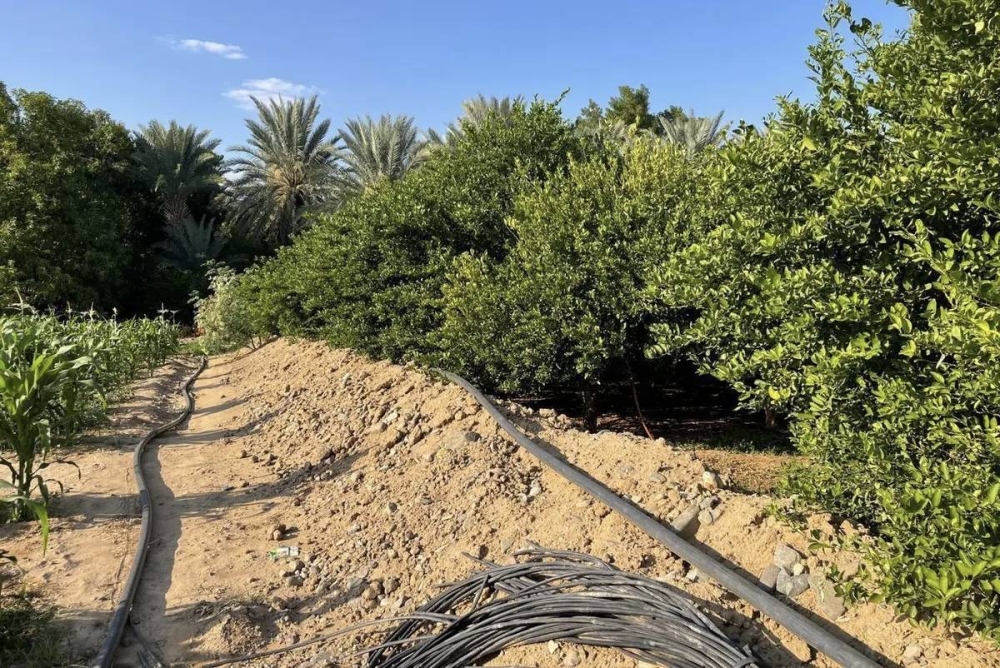
جولات رقابية للتأكد من سلامة المنتجات الزراعية. (عكاظ)


تابع قناة عكاظ على الواتساب
إبراهيم العلوي (جدة) i_waleeed22@
The branch of the Ministry of Environment, Water, and Agriculture in the Makkah region conducted field monitoring tours targeting a number of farms and valleys in the region and its governorates, as part of a periodic monitoring plan aimed at following up on the quality of agricultural products and ensuring their safety. A total of 187 samples of agricultural crops were collected, including 171 samples of vegetables and 16 samples of fruits, in addition to samples of dates, field crops, and honey. All samples were sent to the pesticide residues laboratory affiliated with the branch in Jeddah for laboratory analysis according to the approved Saudi and European specifications, and to measure their compliance with the permissible limits for pesticide residues and chemicals.
The analysis results showed that 167 samples were completely free of any pesticide residues, while 14 samples fell within the permissible limits. However, six samples recorded results higher than the allowed limit, representing 3.2% of the total samples. The non-compliant samples included agricultural products such as mint, basil, marjoram, squash, and potatoes from Jeddah, in addition to arugula from Taif.
Dr. Tarek Abdel-Aleem, an agricultural research expert, revealed to "Okaz" that the withholding period is the time during which harvesting is prohibited, and this period varies from one pesticide to another and from one crop to another. The same pesticide may have a long withholding period for one crop and a short one for another; the danger lies not in the use of pesticides but in harvesting the crops before the end of the withholding period.
Dr. Abdel-Aleem added: Each pesticide has a schedule that specifies the prohibited period, which may range from one day to 21 days or more, noting that the grace period for most pesticides ranges from one week to two weeks.
The analysis results showed that 167 samples were completely free of any pesticide residues, while 14 samples fell within the permissible limits. However, six samples recorded results higher than the allowed limit, representing 3.2% of the total samples. The non-compliant samples included agricultural products such as mint, basil, marjoram, squash, and potatoes from Jeddah, in addition to arugula from Taif.
Dr. Tarek Abdel-Aleem, an agricultural research expert, revealed to "Okaz" that the withholding period is the time during which harvesting is prohibited, and this period varies from one pesticide to another and from one crop to another. The same pesticide may have a long withholding period for one crop and a short one for another; the danger lies not in the use of pesticides but in harvesting the crops before the end of the withholding period.
Dr. Abdel-Aleem added: Each pesticide has a schedule that specifies the prohibited period, which may range from one day to 21 days or more, noting that the grace period for most pesticides ranges from one week to two weeks.