


يحتفي المجتمع الدولي بفعاليات اليوم العالمي للمرأة في الدبلوماسية، وذلك يوم 24 يونيو من كل عام؛ بهدف تنمية مجال الدبلوماسية النسائية، التي يحظى معها المشهد الدبلوماسي السعودي بحضورٍ متنامٍ للكفاءات النسائية، يعكس نقلة نوعية في مسار التمثيل الدولي للمملكة.
وأفضت تطلعات رؤية المملكة 2030 إلى تعزيز مشاركة المرأة السعودية في مواقع متقدمة، ضمن منظومة مؤسسية تنظر إلى الكفاءة بوصفها المعيار الحقيقي لتولي الأدوار، دون اعتبار للنوع أو النمط التقليدي للأدوار، ما يزيد الحاجة في هذا السياق إلى توسيع نطاق التجارب الميدانية للدبلوماسيات السعوديات، لا سيما في الملفات ذات الأبعاد الدولية المتعددة، بما يعزز جاهزيتهن لفهم التعقيدات المتغيرة وبناء استجابات مرنة وفعالة.
وأكّدت المهتمة بشأن المرأة في الدبلوماسية، التي عملت في لجان الصداقة البرلمانية في مجلس الشورى نورة فيصل الشعبان، أن ما يميّز الدبلوماسية النسائية السعودية قدرتها على بناء خطاب يتّسم بالمهنية، ويعكس خصوصية الانتماء الثقافي للمملكة، فهي تُقدّم نفسها للعالم من خلال أدوات دبلوماسية رصينة، تُوازن فيها بين قوة الرسالة الرسمية وخصوصية الهوية التي تحملها، مما يمنحها قدرة فريدة على بناء جسور ثقة وتفاهم في بيئات متباينة.
وعدت الاستثمار المستمر في التأهيل المهني والارتقاء بمستوى الكفاءات النسائية من أبرز مقومات استدامة هذا الحضور، خصوصاً في ظل بيئة دولية تتطلب قراءة دقيقة للتحولات، وإلماماً عميقاً بثقافة الحوار وخصوصياته السياسية، مشيرة إلى أن المرأة السعودية أثبتت -من خلال التجربة- قدرتها العالية على التكيّف والمهارة في بناء علاقات دولية قائمة على الاحترام والمهنية، فهي لا تمثل الدولة فحسب، بل تعبّر عن تطلعاتها، وتنقل للعالم رسالة وطنية متزنة، ترتكز على القيم السعودية في السلم، والعدالة، والتعاون المشترك.
وأفادت الشعبان أن المرأة السعودية وفقت في هذا العهد الزاهر لترسيخ حضورها في السياسة الدولية بثباتٍ يعكس نضج المشروع الوطني، فهي تمثّل المملكة برؤية تنطلق من الجذور، وتخاطب العالم بلغة احترافية، تجمع بين أصالة الانتماء ورصانة التأثير.
الشعبان: للمرأة السعودية في السياسة الدولية هوية تمثّل وتأثير يُبنى
24 يونيو 2025 - 16:55
|
آخر تحديث 24 يونيو 2025 - 16:55
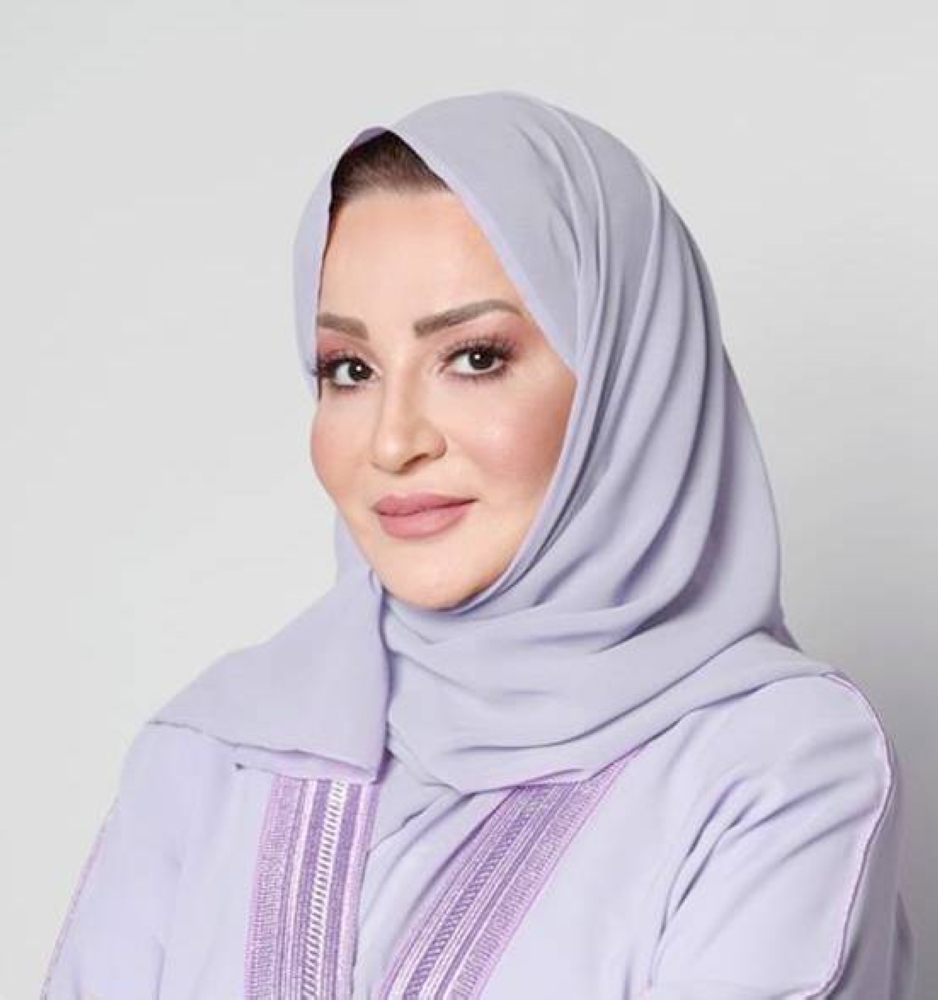
نورة فيصل الشعبان


تابع قناة عكاظ على الواتساب
«عكاظ» (جدة) okaz_online@
The international community celebrates the events of the International Day of Women in Diplomacy, which takes place on June 24 each year, with the aim of developing the field of women's diplomacy. This has led to a growing presence of female competencies in the Saudi diplomatic scene, reflecting a qualitative shift in the international representation of the Kingdom.
The aspirations of Vision 2030 have resulted in enhancing the participation of Saudi women in advanced positions within an institutional framework that views competence as the true criterion for assuming roles, regardless of gender or traditional role patterns. This increases the need in this context to expand the scope of field experiences for Saudi female diplomats, especially in files with multiple international dimensions, which enhances their readiness to understand changing complexities and build flexible and effective responses.
Noura Faisal Al-Shabaan, who is interested in women's issues in diplomacy and has worked in parliamentary friendship committees in the Shura Council, confirmed that what distinguishes Saudi women's diplomacy is its ability to build a discourse characterized by professionalism, reflecting the uniqueness of the Kingdom's cultural identity. It presents itself to the world through robust diplomatic tools, balancing the strength of the official message with the specificity of the identity it carries, granting it a unique ability to build bridges of trust and understanding in diverse environments.
She considered the continuous investment in professional qualification and the elevation of women's competencies to be among the most prominent factors for sustaining this presence, especially in light of an international environment that requires a precise reading of transformations and a deep understanding of the culture of dialogue and its political particularities. She pointed out that Saudi women have proven—through experience—their high ability to adapt and their skill in building international relations based on respect and professionalism. They do not only represent the state but also express its aspirations, conveying to the world a balanced national message rooted in Saudi values of peace, justice, and mutual cooperation.
Al-Shabaan stated that Saudi women have succeeded in this prosperous era in establishing their presence in international politics with a stability that reflects the maturity of the national project. They represent the Kingdom with a vision that stems from its roots, addressing the world in a professional language that combines the authenticity of belonging with the gravity of influence.
The aspirations of Vision 2030 have resulted in enhancing the participation of Saudi women in advanced positions within an institutional framework that views competence as the true criterion for assuming roles, regardless of gender or traditional role patterns. This increases the need in this context to expand the scope of field experiences for Saudi female diplomats, especially in files with multiple international dimensions, which enhances their readiness to understand changing complexities and build flexible and effective responses.
Noura Faisal Al-Shabaan, who is interested in women's issues in diplomacy and has worked in parliamentary friendship committees in the Shura Council, confirmed that what distinguishes Saudi women's diplomacy is its ability to build a discourse characterized by professionalism, reflecting the uniqueness of the Kingdom's cultural identity. It presents itself to the world through robust diplomatic tools, balancing the strength of the official message with the specificity of the identity it carries, granting it a unique ability to build bridges of trust and understanding in diverse environments.
She considered the continuous investment in professional qualification and the elevation of women's competencies to be among the most prominent factors for sustaining this presence, especially in light of an international environment that requires a precise reading of transformations and a deep understanding of the culture of dialogue and its political particularities. She pointed out that Saudi women have proven—through experience—their high ability to adapt and their skill in building international relations based on respect and professionalism. They do not only represent the state but also express its aspirations, conveying to the world a balanced national message rooted in Saudi values of peace, justice, and mutual cooperation.
Al-Shabaan stated that Saudi women have succeeded in this prosperous era in establishing their presence in international politics with a stability that reflects the maturity of the national project. They represent the Kingdom with a vision that stems from its roots, addressing the world in a professional language that combines the authenticity of belonging with the gravity of influence.





