


أطلقت الهيئة الملكية لمحافظة العلا منظومة المراقبة الفلكية (SHIMM) في موقع «منارة العلا» بالقرب من محمية «الغراميل» الطبيعية، وذلك في خطوة إستراتيجية تهدف إلى تقييم جاهزية الموقع لاستضافة الأنشطة والأبحاث الفلكية المتقدمة، وتعزيز مكانة العلا وجهةً رائدةً في مجال السياحة الفلكية والاكتشافات العلمية.
ويأتي تدشين المنظومة، تأكيداً على التزام الهيئة بتطوير منارة العلا وفق أعلى المعايير العلمية والبيئية، بما يسهم في دعم التوجهات العالمية نحو اختيار مواقع فلكية وتعزيز البحث العلمي، في ظل الاهتمام المتنامي بالمملكة في مجالات الفلك وعلوم الفضاء.
وتُعد نسخة المنظومة التي تُطلق في محافظة العلا الأكثر تطوراً وتكاملاً على مستوى العالم، لقدرتها على تحمّل مختلف الظروف المناخية، من العواصف الرملية إلى التغيرات الكبيرة في درجات الحرارة، وعُززت بتقنيات الذكاء الاصطناعي لتوفير مراقبة آلية دقيقة على مدار الساعة، تشمل الرصد المبكر والتنبيه لأي تحديات محتملة قد تؤثر على دقة وجودة الرؤية الفلكية.
وتمتد فترة تشغيل المنظومة إلى 12 شهراً، يتم خلالها جمع وتحليل البيانات المتعلقة بالمتغيرات الجوية والقياسات المؤثرة في جودة الصور الفلكية، وذلك في إطار جهود الهيئة لدراسة إمكانات الموقع ودعم الخطط المستقبلية لتطوير البنية التحتية الفلكية في منارة العلا.
ويُعد الحفاظ على البيئة الطبيعية والثقافية في العلا محوراً أساسياً في نهج الهيئة التنموي، وتواصل الهيئة التزامها بحماية المشهد الطبيعي والحد من التلوث الضوئي، خصوصا بعد تصنيف موقعي «منارة العلا» و«الغراميل» بصفتهما أول مواقع السماء المظلمة في المنطقة.
وتتماشى هذه المبادرة مع مستهدفات رؤية المملكة 2030، التي تهدف إلى تطوير العلا وجهةً عالميةً في مجالات السياحة المستدامة والابتكار العلمي، مع إشراك أهالي العلا وسكانها في حفظ وصون تراثها الطبيعي والإنساني.
«SHIMM» تدعم توجهات العلا للسياحة الفلكية والاكتشافات العلمية
19 يونيو 2025 - 03:11
|
آخر تحديث 19 يونيو 2025 - 03:11
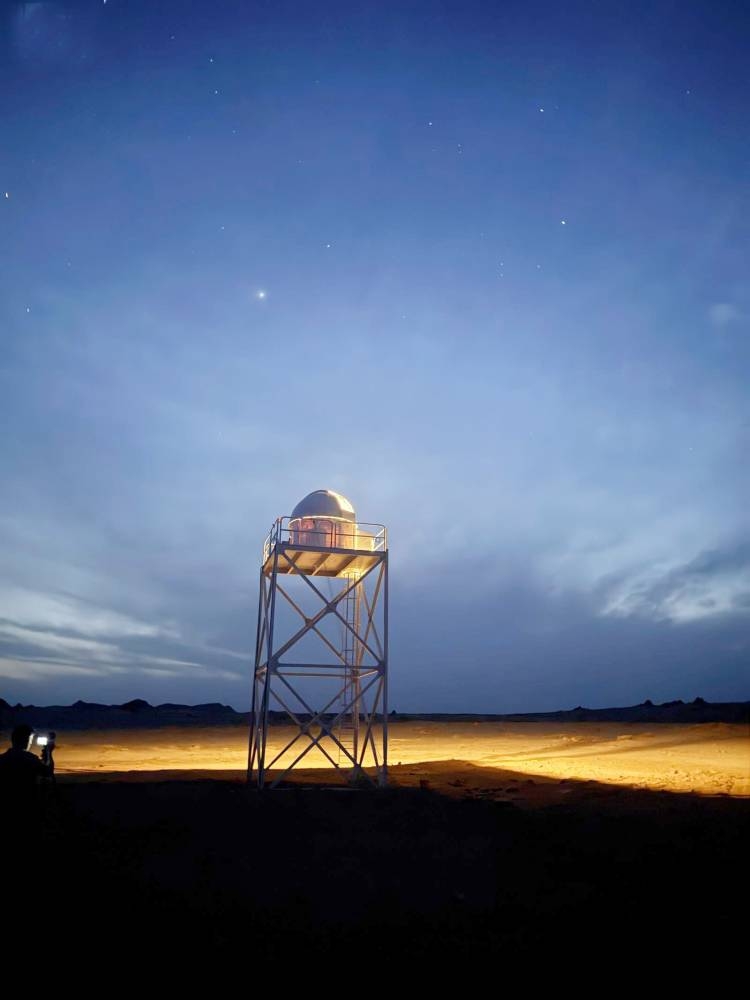
التزام الهيئة بتطوير منارة العلا وفق أعلى المعايير العلمية والبيئية. (واس)


تابع قناة عكاظ على الواتساب
«عكاظ» (العلا) okaz_online@
The Royal Commission for AlUla Governorate has launched the Astronomical Monitoring System (SHIMM) at the "AlUla Lighthouse" site near the "Al-Gharamil" Nature Reserve, in a strategic move aimed at assessing the site's readiness to host advanced astronomical activities and research, and enhancing AlUla's position as a leading destination in the field of astronomical tourism and scientific discoveries.
The launch of the system reaffirms the Commission's commitment to developing AlUla Lighthouse according to the highest scientific and environmental standards, contributing to global trends towards selecting astronomical sites and enhancing scientific research, amid the growing interest in the Kingdom in the fields of astronomy and space sciences.
The version of the system being launched in AlUla is the most advanced and integrated in the world, capable of withstanding various climatic conditions, from sandstorms to significant temperature fluctuations. It is enhanced with artificial intelligence technologies to provide precise automated monitoring around the clock, including early detection and alerts for any potential challenges that may affect the accuracy and quality of astronomical observations.
The operational period of the system extends to 12 months, during which data related to weather variables and measurements affecting the quality of astronomical images will be collected and analyzed, as part of the Commission's efforts to study the site's potential and support future plans for developing astronomical infrastructure at AlUla Lighthouse.
Preserving the natural and cultural environment in AlUla is a fundamental focus of the Commission's developmental approach, and it continues its commitment to protecting the natural landscape and reducing light pollution, especially after the classification of the "AlUla Lighthouse" and "Al-Gharamil" sites as the first dark sky sites in the region.
This initiative aligns with the objectives of Saudi Vision 2030, which aims to develop AlUla as a global destination in the fields of sustainable tourism and scientific innovation, while engaging the people of AlUla and its residents in preserving and safeguarding its natural and human heritage.
The launch of the system reaffirms the Commission's commitment to developing AlUla Lighthouse according to the highest scientific and environmental standards, contributing to global trends towards selecting astronomical sites and enhancing scientific research, amid the growing interest in the Kingdom in the fields of astronomy and space sciences.
The version of the system being launched in AlUla is the most advanced and integrated in the world, capable of withstanding various climatic conditions, from sandstorms to significant temperature fluctuations. It is enhanced with artificial intelligence technologies to provide precise automated monitoring around the clock, including early detection and alerts for any potential challenges that may affect the accuracy and quality of astronomical observations.
The operational period of the system extends to 12 months, during which data related to weather variables and measurements affecting the quality of astronomical images will be collected and analyzed, as part of the Commission's efforts to study the site's potential and support future plans for developing astronomical infrastructure at AlUla Lighthouse.
Preserving the natural and cultural environment in AlUla is a fundamental focus of the Commission's developmental approach, and it continues its commitment to protecting the natural landscape and reducing light pollution, especially after the classification of the "AlUla Lighthouse" and "Al-Gharamil" sites as the first dark sky sites in the region.
This initiative aligns with the objectives of Saudi Vision 2030, which aims to develop AlUla as a global destination in the fields of sustainable tourism and scientific innovation, while engaging the people of AlUla and its residents in preserving and safeguarding its natural and human heritage.


