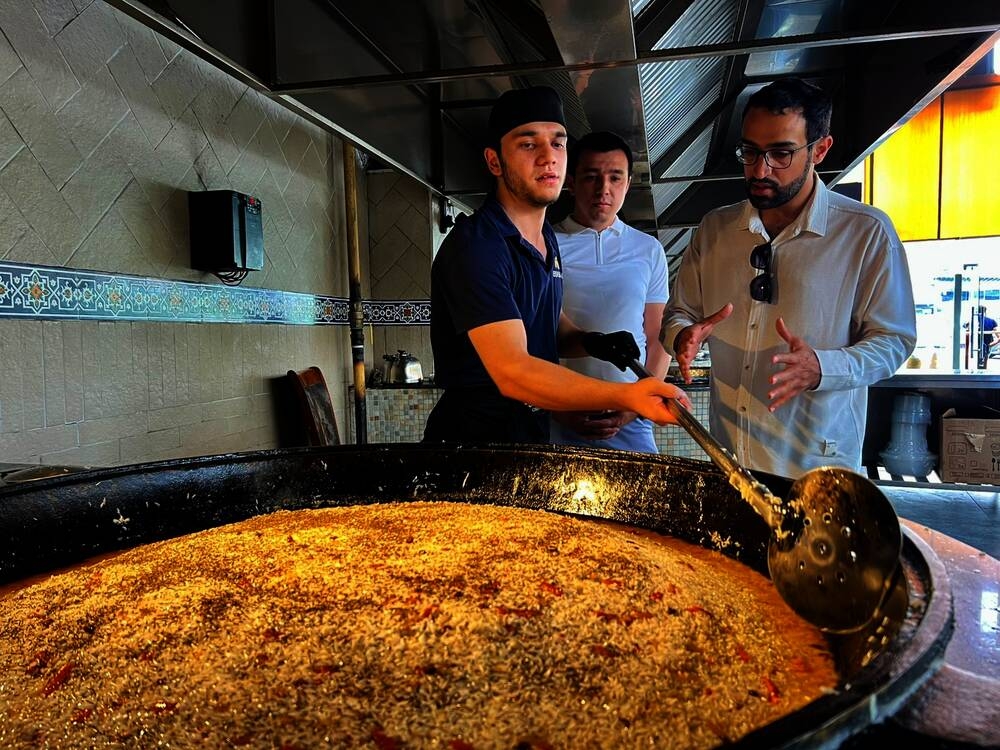
على طاولة الطعام في أوزبكستان لا تجد مجرد أطباق بل تتلاقى روائح الشرق مع بهارات آسيا الوسطى، في تجربة فريدة، يأخذك فيها عبق الطعام إلى زمن آخر، زمن القوافل والتوابل، حين كان طريق الحرير ينقل البضائع، ومعه ثقافات الشعوب وعاداتها.
في العاصمة طشقند، كما في بخارى وسمرقند، يُعتبر الطعام أكثر من مجرد وجبة، فهو مناسبة اجتماعية، وطقس من طقوس الكرم، يبدأ بخبز التنور، وينتهي بالشاي الأخضر، الذي يُقدَّم كخاتمة دافئة لأي لقاء.
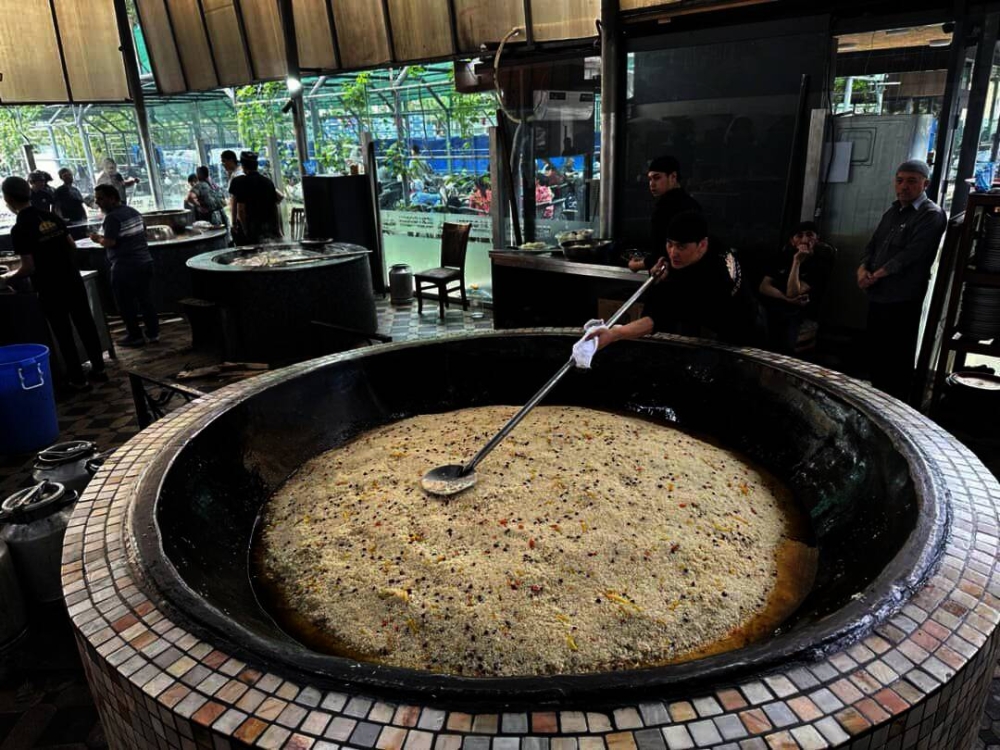
ومن أشهر ما يقدّمه المطبخ الأوزبكي «البِلوف»، ويعد الطبق الوطني، وهو مزيج من الأرز واللحم والجزر والبصل، ويشبه الكبسة السعودية في المكونات والرمزية.
«المنتو» وهو نوع من المعجنات المحشوة باللحم، التي تُطهى على البخار، وتُقدم مع الصلصات الحارة. أما شوربة «لاغمان» فيتم إعدادها من المكرونة والخضروات واللحم، وهي وجبة متكاملة من العناصر والفيتامينات.
أما الشاي الأخضر، فلا يخلو منه مجلس، ويُعتبر من علامات الترحيب والفرح بالضيف.
ضيافة.. بنكهة خاصة
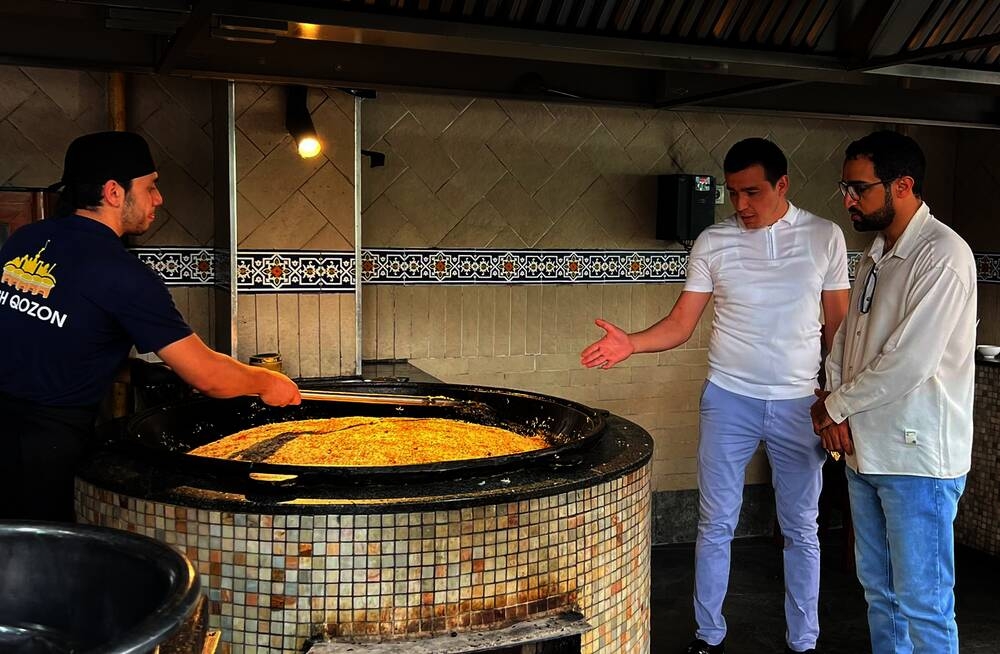
ما يلفت النظر في الثقافة الأوزبكية أن مشاركة الطعام ليست خياراً، بل عادة قديمة ومتأصلة، فالضيف يُعامل كأنه أحد أفراد العائلة، وتُفتح له المجالس بكل ترحاب. ويقول أحد الطهاة في طشقند «جامشيد» لـ«عكاظ»: «نحن لا نطهو الطعام لنأكل فقط، بل لنروي قصة ثقافتنا وحضارتنا الممتدة عبر القرون، فكل طبق نقدّمه للضيف رسالة محبة وتقدير، واحتفاء بمقدمه. ولعلّ طبق (البِلوف) هو خير ما يعبّر عن ذلك؛ فهو يُطهى غالباً في المناسبات الكبيرة، ويجمع حوله الأسرة والأقارب والجيران، على مائدة واحدة».
ويضيف: «أسعدني أن أرى زواراً من السعودية، يأتون ويُبدون إعجابهم بالمطبخ الأوزبكي، خصوصا أن هناك تشابهاً كبيراً بين موائدنا، وهو ما يجعلنا أقرب ثقافياً مما يظن الكثيرون، فالزائر السعودي لا يشعر هنا بالغربة، فالأطباق الأوزبكية تحمل تشابهاً لافتاً مع المائدة السعودية، خصوصاً في استخدام اللحم والأرز والتوابل، ما يجعل التذوق هنا تجربة مألوفة، ومختلفة في آنٍ واحد، لتبقى الثقافة والمطبخ من أقوى الجسور الناعمة بين الشعبين».
On the dining table in Uzbekistan, you find not just dishes but a convergence of Eastern aromas with Central Asian spices, in a unique experience that takes you back to another time, the time of caravans and spices, when the Silk Road transported goods, along with the cultures and customs of peoples.
In the capital Tashkent, as well as in Bukhara and Samarkand, food is considered more than just a meal; it is a social occasion and a ritual of hospitality, starting with tandoor bread and ending with green tea, which is served as a warm conclusion to any gathering.
One of the most famous dishes offered by Uzbek cuisine is "plov," which is the national dish, a mixture of rice, meat, carrots, and onions, resembling Saudi kabsa in ingredients and symbolism.
"Manti" is a type of pastry filled with meat, which is steamed and served with spicy sauces. As for "laghman" soup, it is made from noodles, vegetables, and meat, providing a complete meal of nutrients and vitamins.
Green tea is never absent from gatherings and is considered a sign of welcome and joy for the guest.
Hospitality... with a special flavor
What stands out in Uzbek culture is that sharing food is not an option but an ancient and ingrained tradition; the guest is treated as a family member, and gatherings are opened with great warmth. One of the chefs in Tashkent, "Jamshid," tells "Okaz": "We do not cook food just to eat; we cook to tell the story of our culture and civilization that has spanned centuries. Every dish we present to the guest is a message of love and appreciation, celebrating their arrival. Perhaps the dish (plov) best expresses this; it is often cooked for large occasions, bringing together family, relatives, and neighbors at one table."
He adds: "I was delighted to see visitors from Saudi Arabia come and express their admiration for Uzbek cuisine, especially since there is a significant similarity between our tables, which makes us culturally closer than many think. The Saudi visitor does not feel out of place here, as Uzbek dishes bear a striking resemblance to the Saudi table, particularly in the use of meat, rice, and spices, making the tasting experience both familiar and different at the same time, with culture and cuisine serving as strong soft bridges between the two peoples."