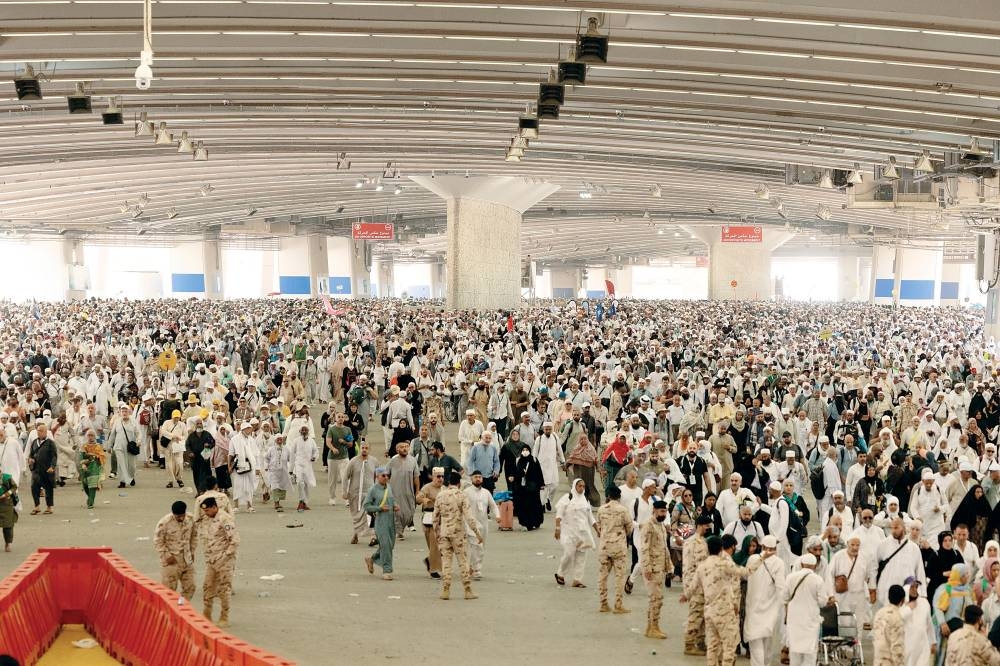
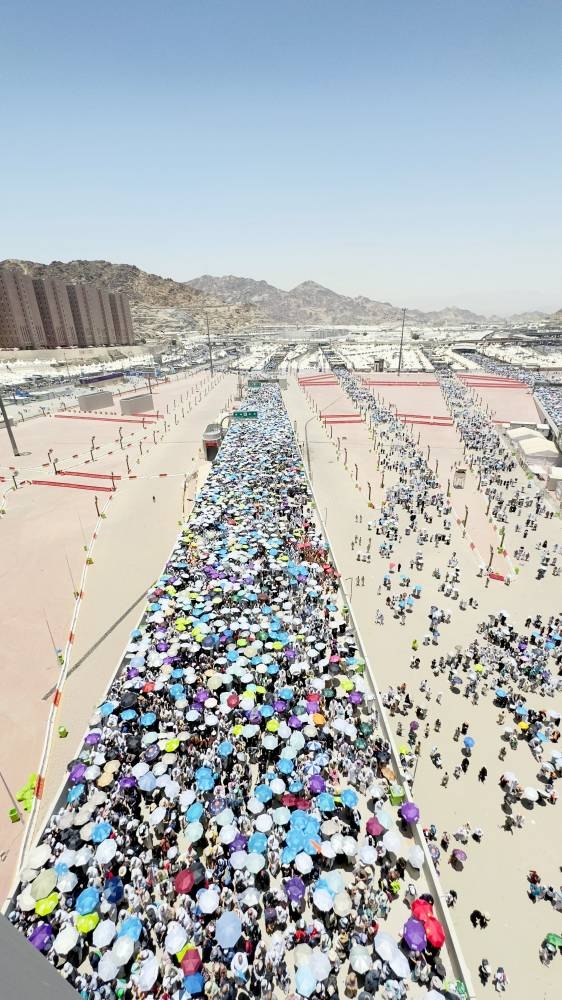
ذابت حشود الحجاج المتعجلين على منشأة الجمرات العملاقة التي بدت في أجمل حللها، وأقبلت الجموع عند الزوال لرمي الجمرات الثلاث، وتعلقت الأعين بمنظومة متقدمة من كاميرات المراقبة والذكاء الاصطناعي لرصد الكثافات والتحكم في التدفقات البشرية لحظة بلحظة.
ورمى حجاج بيت الله الحرام الجمرات الثلاث في ثاني أيام التشريق، مبتدئين بالجمرة الصغرى، ثم الوسطى، فجمرة العقبة، وسط أجواء إيمانية تحفّهم عناية الله، وتنظيم متكامل من الجهات المعنية. واتسمت حركة الحجاج على جسر الجمرات بالانسيابية، إذ سلكوا مساراتهم في سهولة ويسر سواءً في طريق الذهاب لأداء شعيرة الرمي، أو أثناء عودتهم إلى مقار سكناهم في مشعر منى، أو انتقالهم إلى مكة المكرمة؛ لأداء طواف الوداع لمن أراد التعجّل.
وتأتي هذه الجهود في إطار الخطط التنظيمية والأمنية التي تسهم في تحقيق أعلى مستويات السلامة والراحة لضيوف الرحمن خلال تنقلاتهم وأداء مناسكهم.
وغادر حجاج بيت الله الحرام المتعجلون بعد الزوال في الثاني عشر من شهر ذي الحجة، وهو ما يعرف بعنق الزجاجة.
طرق للرماة وأخرى للعائدين
نفّذ رجال الأمن خططاً فاعلة لتنظيم الحشود، وخُصصت مسارات متعددة لتوزيع الحشود على الأدوار المتعددة لمنشأة الجمرات لإتمام الرمي بيسر وأمان، فظهرت طرقات للرماة وأخرى للعائدين حققت دوراً في تسيير حركة الحجاج بكل انسيابية.
وشهدت منشأة الجمرات تفويجاً منظماً وآمناً لحجاج بيت الله الحرام وسط أجواء روحانية وخطة تشغيلية دقيقة، بإشراف فرق سعودية مؤهلة وفق جدول زمني مُعدّ بعناية بالتنسيق مع الجهات ذات العلاقة.
وسارت عمليات التفويج عبر مسارات واضحة ومنظمة، مع التزام الحجاج بأوقات الرمي المحددة وتعليمات السلامة، ما أسهم في تحقيق انسيابية عالية دون تسجيل حالات تزاحم تُذكر.
الوداع.. آخر واجبات الحج
الواجب على الحاج المتعجل رمي الجمرات الثلاث، ويكبر مع كل حصاة، ومن السنة الوقوف بعد رمي الجمرة الصغرى والوسطى مستقبلاً القبلة رافعاً يديه يدعو الله تعالى بما يشاء، أما الجمرة الأولى وهي جمرة العقبة الكبرى فلا يقف عندها ولا يدعو بعدها.
ومن خطّط للمغادرة متعجلاً في يومين يجب عليه أن يرمي الجمرات الثلاث في اليوم الثاني عشر بـ7 حصوات ويكبر مع كل حصاة قائلاً الله أكبر، ثم يغادر مِنَى على الفور قبل غروب الشمس، وفي حالة غروبها وهو ما زال في مِنَى يجب عليه البقاء للمبيت في منى ليلة الثالث عشر، ويرمي الجمرات الثلاث في اليوم الثالث عشر بـ7 حصيات لكل جمرة، ويكبر مع كل حصاة، وإذا تهيأ للخروج ولم يتمكن لظروف الزحام أو بطء حركة المرور عند ذلك يستمر في سيره متعجلاً ولا يلزمه المبيت بمِنَى لكونه قد تهيأ للمغادرة متعجلاً.
وبعد رمي الجمرات في آخر أيام الحج يتوجه الحاج صوب المسجد الحرام في مكة المكرمة للطواف حول البيت العتيق، بعد أن أكملت قوافل الحجاج أداء مناسكها بأركانها وواجباتها وفرائضها، ويكون طواف الوداع آخر أعمال الحج وآخر العهد بالبيت العتيق، وطواف الوداع هو آخر واجبات الحج التي ينبغي على الحاج أن يؤديها قبيل سفره مباشرة عائداً إلى بلده، ولا يُعفى من طواف الوداع إلا الحائض والنفساء.
تفويج منظم.. مسارات آمنة.. لا زحام ولا تدافع
يوم التعجل.. الحشود بأمان في الجمرات
9 يونيو 2025 - 03:05
|
آخر تحديث 9 يونيو 2025 - 03:05


تابع قناة عكاظ على الواتساب
إبراهيم العلوي، عبدالعزيز الربيعي، عبد الهادي الصويان، خالد الحارثي (المشاعر المقدسة) I_Waleeed22 @ arabiue @hil5557@ Ik_mh5@
The crowds of hurried pilgrims melted away at the giant Jamrat facility, which looked its best, as the masses gathered at noon to throw the three stones. Eyes were fixed on an advanced system of surveillance cameras and artificial intelligence to monitor densities and control human flows moment by moment.
Pilgrims at the Sacred House of God threw the three stones on the second day of Tashreeq, starting with the small stone, then the middle one, and finally the Jamrat al-Aqaba, amidst a spiritual atmosphere surrounded by the care of God and a comprehensive organization from the relevant authorities. The movement of pilgrims on the Jamrat bridge was smooth, as they easily followed their paths whether going to perform the stoning ritual, returning to their accommodations in Mina, or heading to Mecca to perform the farewell Tawaf for those who wished to hurry.
These efforts come as part of the organizational and security plans that contribute to achieving the highest levels of safety and comfort for the guests of God during their movements and rituals.
Hurried pilgrims left after noon on the twelfth of Dhu al-Hijjah, which is known as the "neck of the bottle."
Paths for the throwers and others for the returnees
Security personnel implemented effective plans to organize the crowds, with multiple paths designated to distribute the crowds across the various levels of the Jamrat facility to complete the stoning with ease and safety. Paths for throwers and others for returnees emerged, facilitating the smooth movement of the pilgrims.
The Jamrat facility witnessed organized and safe crowd management for the pilgrims of the Sacred House of God amidst a spiritual atmosphere and a precise operational plan, supervised by qualified Saudi teams according to a carefully prepared timetable in coordination with the relevant authorities.
Crowd management proceeded through clear and organized paths, with pilgrims adhering to the specified stoning times and safety instructions, contributing to achieving high fluidity without any notable instances of congestion.
Farewell... The last duty of Hajj
The hurried pilgrim is required to throw the three stones, and he should say "Allahu Akbar" with each stone. It is Sunnah to stand after throwing the small and middle stones, facing the Qibla, raising his hands to pray to God as he wishes. However, at the first stone, which is the Jamrat al-Aqaba, he does not stand or pray afterwards.
For those who planned to leave hurriedly in two days, they must throw the three stones on the twelfth day with seven pebbles, saying "Allahu Akbar" with each stone, and then leave Mina immediately before sunset. If sunset occurs while he is still in Mina, he must stay overnight in Mina on the thirteenth night and throw the three stones on the thirteenth day with seven pebbles for each stone, saying "Allahu Akbar" with each one. If he prepares to leave but is unable due to congestion or slow traffic, he should continue on his way hurriedly and is not required to stay overnight in Mina since he has prepared to leave in haste.
After throwing the stones on the last days of Hajj, the pilgrim heads towards the Sacred Mosque in Mecca to perform the Tawaf around the ancient house, after the caravans of pilgrims have completed their rituals with their pillars, duties, and obligations. The farewell Tawaf is the last act of Hajj and the final farewell to the ancient house. The farewell Tawaf is the last duty of Hajj that the pilgrim must perform just before traveling back to his country, and only the menstruating and postpartum women are exempt from the farewell Tawaf.
Pilgrims at the Sacred House of God threw the three stones on the second day of Tashreeq, starting with the small stone, then the middle one, and finally the Jamrat al-Aqaba, amidst a spiritual atmosphere surrounded by the care of God and a comprehensive organization from the relevant authorities. The movement of pilgrims on the Jamrat bridge was smooth, as they easily followed their paths whether going to perform the stoning ritual, returning to their accommodations in Mina, or heading to Mecca to perform the farewell Tawaf for those who wished to hurry.
These efforts come as part of the organizational and security plans that contribute to achieving the highest levels of safety and comfort for the guests of God during their movements and rituals.
Hurried pilgrims left after noon on the twelfth of Dhu al-Hijjah, which is known as the "neck of the bottle."
Paths for the throwers and others for the returnees
Security personnel implemented effective plans to organize the crowds, with multiple paths designated to distribute the crowds across the various levels of the Jamrat facility to complete the stoning with ease and safety. Paths for throwers and others for returnees emerged, facilitating the smooth movement of the pilgrims.
The Jamrat facility witnessed organized and safe crowd management for the pilgrims of the Sacred House of God amidst a spiritual atmosphere and a precise operational plan, supervised by qualified Saudi teams according to a carefully prepared timetable in coordination with the relevant authorities.
Crowd management proceeded through clear and organized paths, with pilgrims adhering to the specified stoning times and safety instructions, contributing to achieving high fluidity without any notable instances of congestion.
Farewell... The last duty of Hajj
The hurried pilgrim is required to throw the three stones, and he should say "Allahu Akbar" with each stone. It is Sunnah to stand after throwing the small and middle stones, facing the Qibla, raising his hands to pray to God as he wishes. However, at the first stone, which is the Jamrat al-Aqaba, he does not stand or pray afterwards.
For those who planned to leave hurriedly in two days, they must throw the three stones on the twelfth day with seven pebbles, saying "Allahu Akbar" with each stone, and then leave Mina immediately before sunset. If sunset occurs while he is still in Mina, he must stay overnight in Mina on the thirteenth night and throw the three stones on the thirteenth day with seven pebbles for each stone, saying "Allahu Akbar" with each one. If he prepares to leave but is unable due to congestion or slow traffic, he should continue on his way hurriedly and is not required to stay overnight in Mina since he has prepared to leave in haste.
After throwing the stones on the last days of Hajj, the pilgrim heads towards the Sacred Mosque in Mecca to perform the Tawaf around the ancient house, after the caravans of pilgrims have completed their rituals with their pillars, duties, and obligations. The farewell Tawaf is the last act of Hajj and the final farewell to the ancient house. The farewell Tawaf is the last duty of Hajj that the pilgrim must perform just before traveling back to his country, and only the menstruating and postpartum women are exempt from the farewell Tawaf.