


أضحت «الدرون» وتقنيات الذكاء الاصطناعي عنصراً مهماً في مهمات الحج لتعزيز أعمال المراقبة والرصد وإدارة الحشود وإطفاء الحرائق ومراقبة الطرق وتقديم الخدمات الصحية وإيصال الأدوية، وتحليل المشهد بشكل لحظي، والتعرف على الأنماط غير الطبيعية، وإرسال تنبيهات فورية إلى مركز العمليات والتحكم، بما يتيح سرعة الاستجابة واتخاذ الإجراءات اللازمة لأمن وسلامة ضيوف الرحمن.
وسخرت السعودية هذه التقنية لخدمة الحجاج ضمن منظومة أمنية متكاملة تهدف إلى خلق بيئة منظمة وآمنة لهم ما يعكس مستوى الوعي الأمني والتقني الذي بلغته المملكة، الذي بات يدمج بين التطور التكنولوجي والحس الإنساني لتوفير تجربة حج آمنة وميسّرة للجميع، وتطوير تجربة استخدامات الرقمنة، والاستفادة من تقنيات الذكاء الاصطناعي، بما يسهم في التيسير على الحاج، وضمان أمنه، وتعزيز راحته.
وتشارك «الدرون» في حج هذا العام عبر قطاعات حيوية عدة؛ فطائرة «صقر» يستخدمها الدفاع المدني لأغراض الإطفاء لأول مرة، إذ أطلق الدفاع المدني هذا العام، طائرة «صقر» للإطفاء والإنقاذ، بتقنية ذكية وبقدرات متطورة وسرعة استجابة عالية.
وتعمل «صقر» لمدة 12 ساعة بارتفاعات عالية، وحمولة تصل إلى نحو 40 كيلوغراماً، وتستخدم نظام إطفاء متعدد الأغراض، وأنظمة إنقاذ وتحكم وأمان وكاميرات حرارية مع إمكانية بث مباشر للموقع وقابلية الربط بمركز القيادة والتحكم.
وتتعدد استخدامات الطائرة في المباني الشاهقة والمواقع الصناعية أو المحتوية على مواد خطرة والمناطق المزدحمة وحرائق الغابات، وتمتاز بسرعة استجابة عالية وتقليل المخاطر على الأفراد ودعم اتخاذ القرار عبر التصوير اللحظي.
وفي مجال الأمن والمشاركة في حفظ أمن وسلامة ضيوف الرحمن، توفر طائرات الدرون المتطورة التابعة للأمن العام، قدرة فائقة على التحليق في الأجواء وحدود المشاعر، لرصد مخالفي أنظمة الحج ضمن حملة «لا حج بلا تصريح»، ومتابعة جميع المركبات التي تتسلل محاولة الدخول من مسارات غير معتادة عبر المناطق البرية وعلى سفوح الجبال لضبط المخالفين، وهو ما كشفت عنه الأجهزة الأمنية التي أعلنت إيقاف العديد من المخالفين قبل وصولهم إلى وجهتهم بعد رصد تقني من الدرون لتحركات مركبات مخالفة متجهة لمكة عبر منطقة برية بهدف التسلل إلى مكة المكرمة لأداء فريضة الحج بطريقة مخالفة، لتسهم «الدرون» في ضبط مخالفي أنظمة وتعليمات الحج.
ولم يتوقف تسخير التقنيات لخدمة الحجاج، فأعلنت وزارة الصحة تفعيل طائرات الدرون ضمن منظومة الإمداد الطبي في موسم هذا العام، في خطوة ريادية تُعد الأولى من نوعها على مستوى العالم في إدارة الإمداد الطبي الذكي للحشود الكبرى.
وتسهم «الدرون» في منظومة الإمداد الطبي خلال موسم الحج، في سرعة الاستجابة ودقة الإمداد للأدوية لتصل في حدود ست دقائق لوجهتها بالمنشآت الصحية في المناطق الأكثر ازدحاماً، لتختصر وقت النقل من ساعة ونصف الساعة إلى ست دقائق، مستهدفةً ستة مرافق طبية رئيسية، منها ثلاثة في مشعر عرفات، وثلاثة في مشعر منى، وذلك لتحقيق أسرع استجابة صحية حفاظاً على سلامة ضيوف الرحمن.
وفي جانب الطرق، توظف الهيئة العامة للطرق «الدرون» في مراقبة الحركة وفحص الطرق، ومتابعة حركة الحجاج ومراقبة المسارات والجسور والعبارات والتحويلات المرورية، لضمان انسيابية الحركة وتدفقها بكل الاتجاهات.
وتقوم «الدرون» بأعمال الكشف الرقمي والتصوير الحي والمباشر، إضافة إلى حفظ السجلات، لتغذية مراكز الاستقبال والمعلومات التابعة للهيئة، ومساعدتها على اتخاذ القرار في الوقت والمكان المناسبين.
«درونز الحج».. مهمات متعددة في «الأنسنة» والرصد والبث
8 يونيو 2025 - 02:37
|
آخر تحديث 8 يونيو 2025 - 02:37
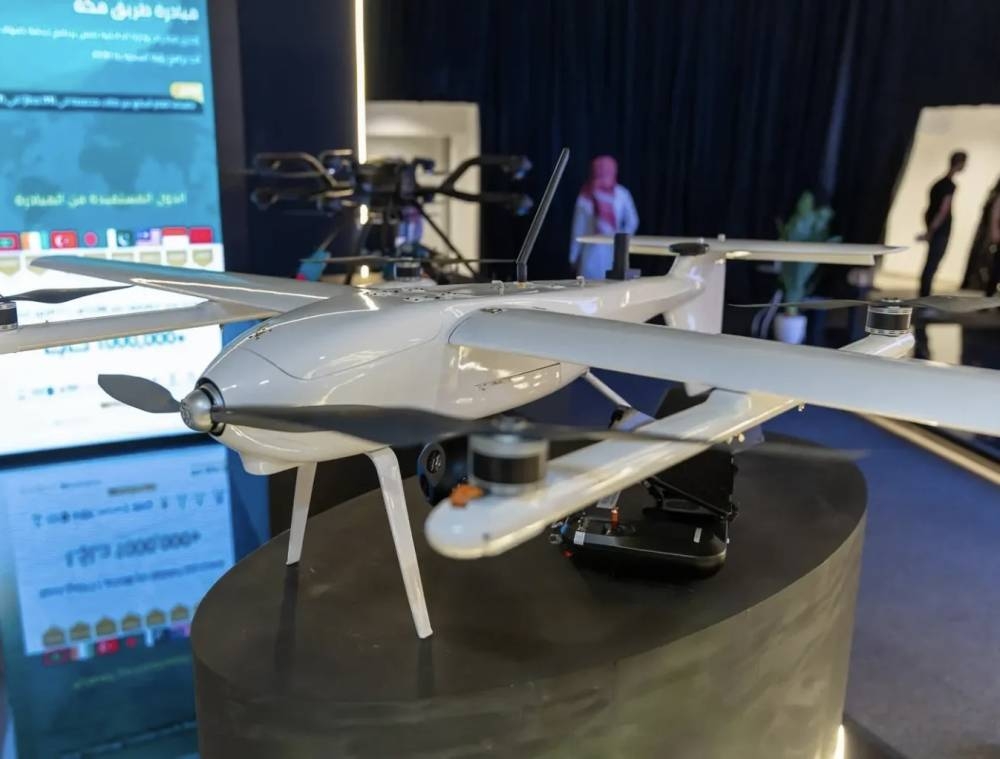
الدرون متعدد المهمات.


تابع قناة عكاظ على الواتساب
إبراهيم العلوي i_waleeed22@ (المشاعر المقدسة)
The "drone" and artificial intelligence technologies have become an important element in Hajj missions to enhance monitoring, surveillance, crowd management, firefighting, road monitoring, providing health services, delivering medications, analyzing the scene in real-time, identifying abnormal patterns, and sending instant alerts to the operations and control center, allowing for quick response and necessary actions for the safety and security of the guests of Allah.
The Kingdom of Saudi Arabia has harnessed this technology to serve pilgrims within an integrated security system aimed at creating an organized and safe environment for them, reflecting the level of security and technical awareness that the Kingdom has reached, which now combines technological advancement with human sensitivity to provide a safe and facilitated Hajj experience for everyone, developing the experience of digital usage, and benefiting from artificial intelligence technologies, which contribute to easing the experience for the pilgrim, ensuring their safety, and enhancing their comfort.
The "drone" participates in this year's Hajj through several vital sectors; the "Saqar" aircraft is used by the civil defense for firefighting purposes for the first time, as the civil defense launched this year the "Saqar" firefighting and rescue aircraft, equipped with smart technology, advanced capabilities, and high response speed.
The "Saqar" operates for 12 hours at high altitudes, with a payload of about 40 kilograms, utilizing a multi-purpose firefighting system, rescue systems, control and safety systems, and thermal cameras with the ability for live broadcasting from the site and connectivity to the command and control center.
The aircraft's applications are numerous in high-rise buildings, industrial sites, or those containing hazardous materials, crowded areas, and forest fires, characterized by high response speed and reduced risks to individuals, supporting decision-making through real-time imaging.
In the field of security and contributing to the safety and security of the guests of Allah, the advanced drones belonging to the public security provide exceptional capabilities to fly in the skies and borders of the holy sites, monitoring violators of Hajj regulations under the campaign "No Hajj Without a Permit," and tracking all vehicles attempting to enter through unusual routes via land areas and mountain slopes to apprehend violators. This was revealed by security agencies that announced the arrest of many violators before they reached their destination after technical monitoring from the drone of the movements of violating vehicles heading to Mecca through a land area aiming to infiltrate into Mecca to perform the Hajj in a non-compliant manner, allowing the "drone" to help apprehend violators of Hajj regulations and instructions.
The use of technologies to serve pilgrims has not stopped; the Ministry of Health announced the activation of drones within the medical supply system for this year's season, in a pioneering step considered the first of its kind in the world for managing smart medical supply for large crowds.
The "drone" contributes to the medical supply system during the Hajj season, ensuring rapid response and accurate delivery of medications to reach their destination within six minutes to health facilities in the most crowded areas, reducing transport time from one and a half hours to six minutes, targeting six main medical facilities, three in the Arafat area and three in the Mina area, to achieve the fastest health response to ensure the safety of the guests of Allah.
In terms of roads, the General Authority for Roads employs "drones" to monitor traffic and inspect roads, track the movement of pilgrims, and monitor paths, bridges, ferries, and traffic diversions to ensure smooth movement and flow in all directions.
The "drone" conducts digital detection and live direct imaging, in addition to record-keeping, to feed the reception and information centers affiliated with the authority, assisting them in making decisions at the right time and place.
The Kingdom of Saudi Arabia has harnessed this technology to serve pilgrims within an integrated security system aimed at creating an organized and safe environment for them, reflecting the level of security and technical awareness that the Kingdom has reached, which now combines technological advancement with human sensitivity to provide a safe and facilitated Hajj experience for everyone, developing the experience of digital usage, and benefiting from artificial intelligence technologies, which contribute to easing the experience for the pilgrim, ensuring their safety, and enhancing their comfort.
The "drone" participates in this year's Hajj through several vital sectors; the "Saqar" aircraft is used by the civil defense for firefighting purposes for the first time, as the civil defense launched this year the "Saqar" firefighting and rescue aircraft, equipped with smart technology, advanced capabilities, and high response speed.
The "Saqar" operates for 12 hours at high altitudes, with a payload of about 40 kilograms, utilizing a multi-purpose firefighting system, rescue systems, control and safety systems, and thermal cameras with the ability for live broadcasting from the site and connectivity to the command and control center.
The aircraft's applications are numerous in high-rise buildings, industrial sites, or those containing hazardous materials, crowded areas, and forest fires, characterized by high response speed and reduced risks to individuals, supporting decision-making through real-time imaging.
In the field of security and contributing to the safety and security of the guests of Allah, the advanced drones belonging to the public security provide exceptional capabilities to fly in the skies and borders of the holy sites, monitoring violators of Hajj regulations under the campaign "No Hajj Without a Permit," and tracking all vehicles attempting to enter through unusual routes via land areas and mountain slopes to apprehend violators. This was revealed by security agencies that announced the arrest of many violators before they reached their destination after technical monitoring from the drone of the movements of violating vehicles heading to Mecca through a land area aiming to infiltrate into Mecca to perform the Hajj in a non-compliant manner, allowing the "drone" to help apprehend violators of Hajj regulations and instructions.
The use of technologies to serve pilgrims has not stopped; the Ministry of Health announced the activation of drones within the medical supply system for this year's season, in a pioneering step considered the first of its kind in the world for managing smart medical supply for large crowds.
The "drone" contributes to the medical supply system during the Hajj season, ensuring rapid response and accurate delivery of medications to reach their destination within six minutes to health facilities in the most crowded areas, reducing transport time from one and a half hours to six minutes, targeting six main medical facilities, three in the Arafat area and three in the Mina area, to achieve the fastest health response to ensure the safety of the guests of Allah.
In terms of roads, the General Authority for Roads employs "drones" to monitor traffic and inspect roads, track the movement of pilgrims, and monitor paths, bridges, ferries, and traffic diversions to ensure smooth movement and flow in all directions.
The "drone" conducts digital detection and live direct imaging, in addition to record-keeping, to feed the reception and information centers affiliated with the authority, assisting them in making decisions at the right time and place.





