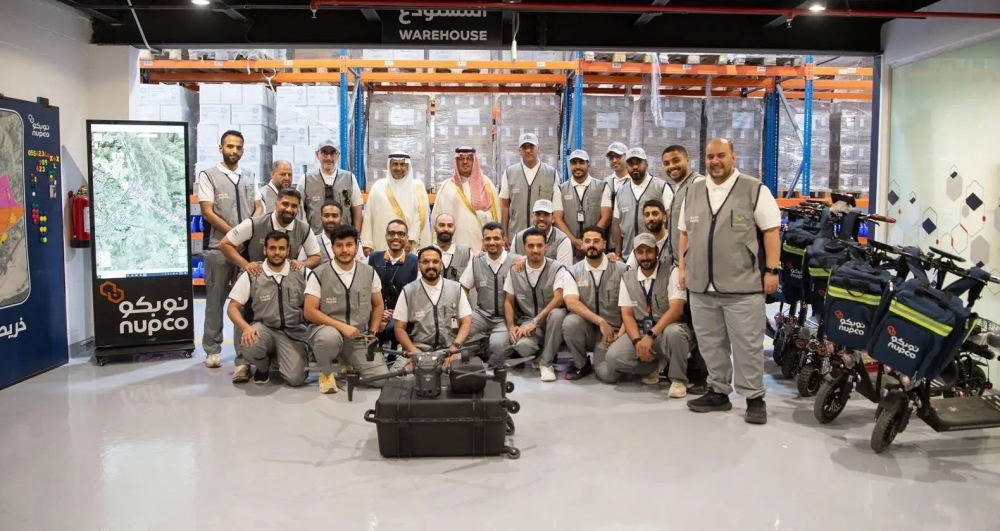
زار نائب أمير منطقة مكة المكرمة، نائب رئيس اللجنة الدائمة للحج والعمرة الأمير سعود بن مشعل بن عبدالعزيز،، اليوم، مقر الشركة الوطنية للشراء الموحد للأدوية والأجهزة والمستلزمات الطبية (نوبكو)، في المشاعر المقدسة، وكان في استقباله معالي وزير الصحة الاستاذ فهد الجلاجل.
واطّلع على آليات العمل اللوجستي وحلول الإمداد الذكية التي تنتهجها شركة «نوبكو» -إحدى شركات صندوق الاستثمارات العامة- خلال حج 1446هـ، لضمان استمرار توافر الأدوية والمستلزمات الطبية لحجاج بيت الله الحرام بكفاءة عالية، حيث تدير إمدادات طبية لأكثر من (136) منشأة وعربة متنقلة بالمشاعر المقدسة عبر أسطول نقل يضم (62) شاحنة وأكثر من (800) رحلة، تغطي نحو (2000) بند طبي يشمل ما يقارب (90) مليون وحدة، بإشراف فريق ميداني متخصص مكوّن من (184) موظفاً.
واستمع إلى شرح حول مبادرات «نوبكو» في حج 1446هـ، التي شملت استخدام الطائرات بدون طيار والطائرات العمودية لنقل الإمدادات العاجلة، ودعم «السوار الصحي الذكي» لمتابعة صحة رجال الأمن، ضمن نموذج تشغيلي مدعوم بالذكاء الاصطناعي.
The Deputy Emir of the Makkah Region, Deputy Chairman of the Permanent Committee for Hajj and Umrah, Prince Saud bin Mishal bin Abdulaziz, today visited the headquarters of the National Unified Procurement Company for Medicines, Medical Devices, and Supplies (NUPCO) in the holy sites, where he was received by His Excellency the Minister of Health, Mr. Fahd Al-Jalajel.
He was briefed on the logistics work mechanisms and smart supply solutions adopted by NUPCO - one of the Public Investment Fund companies - during Hajj 1446 AH, to ensure the continuous availability of medicines and medical supplies for the pilgrims of the Sacred House of Allah with high efficiency. The company manages medical supplies for more than (136) facilities and mobile units in the holy sites through a transport fleet that includes (62) trucks and more than (800) trips, covering about (2000) medical items that include nearly (90) million units, under the supervision of a specialized field team consisting of (184) employees.
He listened to an explanation about NUPCO's initiatives for Hajj 1446 AH, which included the use of drones and helicopters to transport urgent supplies, and support for the "smart health bracelet" to monitor the health of security personnel, as part of an operational model supported by artificial intelligence.