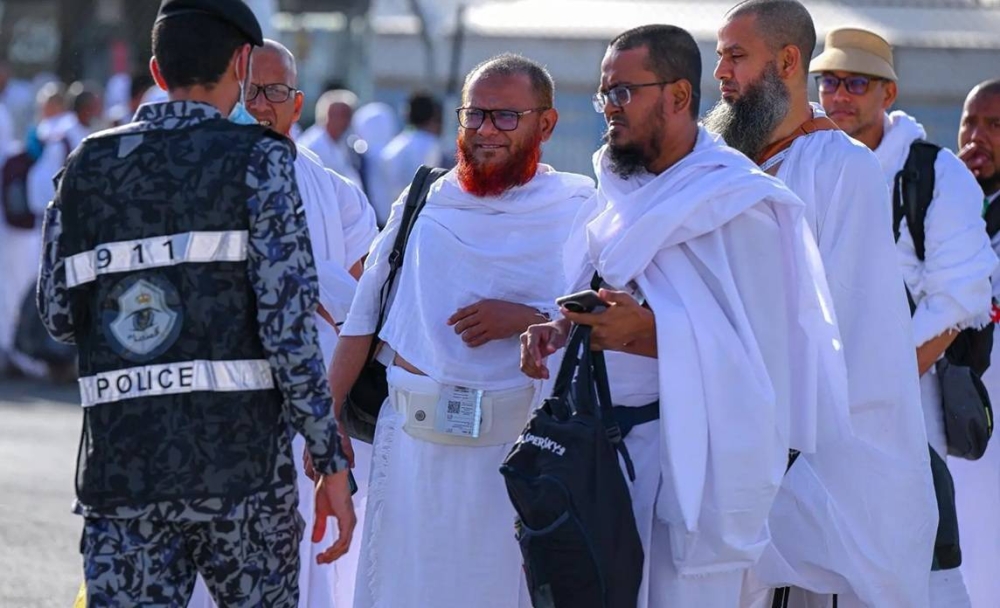
بدأ حجاج بيت الله الحرام بالتوافد، صباح اليوم الأربعاء الـ8 من شهر ذي الحجة 1446هـ، إلى مشعر منى؛ لقضاء يوم التروية، تقربًا لله تعالى، راجين منه القبول والمغفرة، متّبعين ومقتدين بسنة نبيهم محمد -صلى الله عليه وسلم-، مكثرين من التلبية والتسبيح والتكبير، في صورة روحانية وإيمانية.
وبيّنت الشريعة السمحة، أن قدوم الحجاج المقرنين أو المفردين بإحرامهم إلى منى يوم التروية والمبيت فيها بطريقهم للوقوف بمشعر عرفة، سُنّة مؤكدة.
ويُحرم المتمتعون المتحللون من العمرة من أماكنهم سواءً داخل مكة أو خارجها، إذ يبقى الحجاج بها إلى ما بعد بزوغ شمس الـ9 من ذي الحجة، يتوجهون بعدها للوقوف بعرفة، ثم يعودون إليها بعد «النفرة» من عرفة والمبيت بمزدلفة لقضاء أيام (10، 11، 12، 13)، ورمي الجمرات الثلاث، جمرة العقبة والجمرة الوسطى والجمرة الصغرى إلا من تعجّل، وذلك لقوله تعالى: «واذكروا الله في أيام معدودات فمن تعجل في يومين فلا إثم عليه ومن تأخر فلا إثم عليه لمن اتقى».
ويقع مشعر منى بين مكة المكرمة ومشعر مزدلفة على بعد 7 كيلومترات شمال شرق المسجد الحرام، وهو حد من حدود الحرم تحيطه الجبال من الجهتين الشمالية والجنوبية، ولا يُسكَن إلا مدة الحج، ويحدُّه من جهة مكة جمرة العقبة، ومن جهة مشعر مزدلفة وادي «محسر».
ويعد مشعر منى ذا مكانة تاريخية ودينية، به رمى نبي الله إبراهيم -عليه السلام- الجمار، وذبح فدي إسماعيل -عليه السلام-، ثم أكد نبي الهدى -صلى الله عليه وسلم- هذا الفعل في حجة الوداع وحلق، واستنّ المسلمون بسنته يرمون الجمرات ويذبحون هديهم ويحلقون.
ويشتهر المشعر بمعالم تاريخية منها الشواخص الثلاث التي ترمى، وبه مسجد «الخيف»، الذي اشتق اسمه نسبة إلى ما انحدر عن غلظ الجبل وارتفع عن مسيل الماء، والواقع على السفح الجنوبي من جبل منى، وقريبًا من الجمرة الصغرى، وقد صلى فيه النبي -صلى الله عليه وسلم- والأنبياء من قبله، فعن يزيد بن الأسود قال: «شهدت مع النبي -صلى الله عليه وسلم- حجته فصليت معه صلاة الصبح في مسجد الخيف»، وما زال قائمًا حتى الآن، ولأهميته تمت توسعته وعمارته في عام 1407هـ.
ومن الأحداث التاريخية الشهيرة التي وقعت في منى، بيعتا العقبة الأولى والثانية، ففي السنة 12 من البعثة كانت الأولى بمبايعة 12 رجلاً من الأوس والخزرج لرسول الله -صلى الله عليه وسلم-، تلتها الثانية في حج العام الـ 13 من الهجرة وبايعه فيها -عليه السلام- 73 رجلاً وامرأتان من أهل المدينة المنورة في الموقع نفسه، الذي يقع من الشمال الشرقي لجمرة العقبة، حيث بنى الخليفة العباسي أبي جعفر المنصور مسجد البيعة في عام 144هـ، الواقع بأسفل جبل «ثبير» قريباً من شعب بيعة العقبة، إحياءً لهذه الذكرى التي عاهد حينها الأنصار رسول الله -صلى الله عليه وسلم- بمؤازرته ونصرته.
كما نزلت بها سورة «المرسلات»، لما رواه البخاري عن عبد الله -رضي الله عنه- قال: بينما نحن مع النبي -صلى الله عليه وسلم- في غار «بمنى» إذ نزل عليه (والمرسلات) وإنه ليتلوها وإني لأتلقاها من فيه، وإن فاه لرطب بها.
وجاء اهتمام حكومة خادم الحرمين الشريفين بمشعر منى، استشعاراً منها للفترة الزمنية التي يقضيها الحجاج في منى، وإيماناً من القيادة الرشيدة -أيدها الله- بحجم المتطلبات التي تضمن راحة ضيوف الرحمن خلال فترة أداء مناسكهم.
ووفّرت القيادة الرشيدة -رعاها الله- الخدمات الأمنية والطبية والتموينية ووسائل النقل؛ للتسهيل على قاصدي بيت الله الحرام حجهم، وأداء مناسكهم بروحانية وطمأنينة، مؤكدةً الجهات الحكومية والخدمية أهمية السعي على تنفيذ كل ما من شأنه إنجاح مهماتها في موسم الحج.
The pilgrims to the Sacred House of Allah began to arrive this morning, Wednesday, the 8th of Dhul-Hijjah 1446 AH, at the site of Mina to spend the Day of Tarwiyah, seeking closeness to Allah Almighty, hoping for acceptance and forgiveness, following the Sunnah of their Prophet Muhammad (peace be upon him), and increasing their recitation of the Talbiyah, glorification, and Takbir, in a spiritual and faithful atmosphere.
The lenient Sharia has clarified that the arrival of the pilgrims, whether in a state of Ihram for Hajj or Umrah, to Mina on the Day of Tarwiyah and spending the night there on their way to stand at the site of Arafah is a confirmed Sunnah.
The mutamatti' (those performing Hajj with Umrah) who have completed their Umrah will enter into Ihram from their locations, whether inside or outside of Mecca. The pilgrims will remain there until after the sun rises on the 9th of Dhul-Hijjah, after which they will head to stand at Arafah, then return to Mina after the "Nafrah" from Arafah and spend the night at Muzdalifah to complete the days (10, 11, 12, 13), and perform the stoning of the three Jamaraat: the Jamrat al-Aqabah, the middle Jamrah, and the small Jamrah, except for those who hasten, as Allah Almighty says: "And remember Allah during the appointed days. And whoever hastens his departure on the second day, there is no sin upon him; and whoever delays, there is no sin upon him for the one who fears [Allah]."
Mina is located between Mecca and Muzdalifah, about 7 kilometers northeast of the Sacred Mosque. It is one of the boundaries of the Sanctuary, surrounded by mountains on the northern and southern sides, and is inhabited only during the Hajj period. It is bounded on the Mecca side by the Jamrat al-Aqabah and on the Muzdalifah side by the valley of "Muhassir."
Mina holds historical and religious significance, as it is where the Prophet Ibrahim (peace be upon him) threw the stones and sacrificed the ram for his son Isma'il (peace be upon him). The Prophet of Guidance (peace be upon him) confirmed this act during the Farewell Pilgrimage, and Muslims have followed his Sunnah by throwing the Jamaraat and sacrificing their offerings and shaving their heads.
The site is known for its historical landmarks, including the three pillars that are stoned, and the Mosque of "Al-Khaif," which derives its name from the slope of the mountain and its elevation above the water flow. It is located on the southern slope of Mount Mina, close to the small Jamrah. The Prophet (peace be upon him) and the prophets before him prayed there. Yazid ibn al-Aswad reported: "I witnessed the Prophet (peace be upon him) during his pilgrimage and prayed with him the Fajr prayer in the Mosque of Al-Khaif." It still stands today, and due to its importance, it was expanded and renovated in the year 1407 AH.
Among the famous historical events that took place in Mina are the two pledges of Aqabah. In the 12th year of the Prophethood, the first pledge was made by 12 men from the Aws and Khazraj tribes to the Messenger of Allah (peace be upon him). The second pledge occurred during the pilgrimage in the 13th year of Hijrah, where he pledged allegiance to 73 men and two women from the people of Medina at the same site, which is located northeast of the Jamrat al-Aqabah. The Abbasid Caliph Abu Ja'far al-Mansur built the Mosque of the Pledge in the year 144 AH, located at the foot of Mount "Thubair," near the site of the Pledge of Aqabah, to commemorate the moment when the Ansar pledged their support and assistance to the Messenger of Allah (peace be upon him).
Surah "Al-Mursalat" was also revealed there, as narrated by Al-Bukhari from Abdullah (may Allah be pleased with him), who said: "While we were with the Prophet (peace be upon him) in the cave of Mina, the Surah (Al-Mursalat) was revealed to him, and he was reciting it, and I was receiving it from his mouth, and his mouth was moist with it."
The government of the Custodian of the Two Holy Mosques has shown great interest in the site of Mina, recognizing the time that pilgrims spend there and believing in the leadership's commitment to meeting the needs that ensure the comfort of the guests of Allah during their rituals.
The wise leadership has provided security, medical, logistical services, and transportation means to facilitate the pilgrimage of those heading to the Sacred House of Allah, allowing them to perform their rituals with spirituality and tranquility, emphasizing the importance of government and service agencies in successfully carrying out their missions during the Hajj season.