


حصد الجناح السعودي المشارك في إكسبو أوساكا - اليابان الجائزة الذهبية، في جوائز نيويورك للتصميم المعماري عن فئة العمارة الثقافية - المساحات التفاعلية والتجريبية؛ وذلك تقديراً لتميّز تصميمه الذي يعكس روح الثقافة السعودية من خلال التميز المعماري.
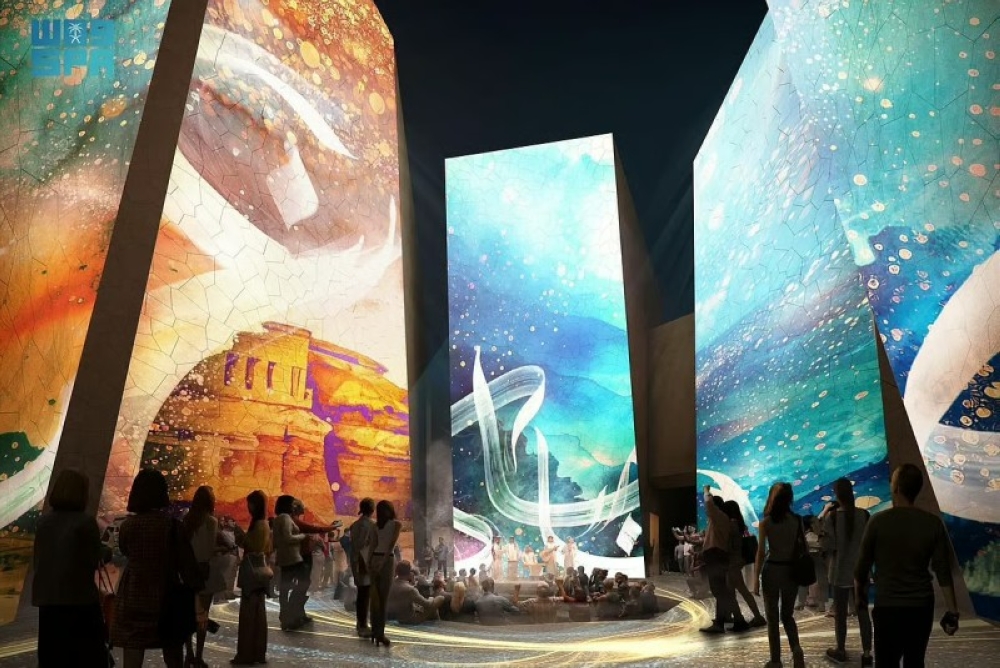
وقادت هيئة فنون العمارة والتصميم مسار تصميم الجناح ممثلة بالرئيس التنفيذي الدكتورة سمية السليمان ومدير المشروع فاطمة الدوخي، مقدّماً تجربة حسيّة متكاملة تبدأ من ساحة أمامية تقود إلى قلب الجناح؛ لتخلق فرصة للتأمل تنسجم مع مختلف الطوابع الثقافية لمدن ومناطق المملكة، وتتحول الساحة إلى مركز نابض بالحياة لإقامة الفعاليات والعروض المتنوعة طوال فترة مشاركة الجناح على مدى 6 أشهر.
ويعزز الجناح في تصميمه روح الاكتشاف من خلال محاكاة المدن والقرى السعودية كمصدر للإلهام، مسلطاً الضوء على الثقافة السعودية وتطورها الحضاري، وموضحاً نقاط التشابه واللقاء بين الثقافتين السعودية واليابانية.
ويأتي توزيع الكتل المكوّنة للجناح لتعزيز حركة الرياح خلال فصل الصيف، مما يُسهم في تحقيق استدامة المبنى، كما تم تصميمه مستهدفاً أعلى معايير الاستدامة العالمية واليابانية عبر استخدام مواد منخفضة الكربون، وأنظمة إضاءة موفرة للطاقة، وتقنيات توليد الطاقة عبر الألواح الشمسية. ويهدف تصميم الجناح إلى تقديم تجربة شمولية، مراعياً كافة فئات المجتمع متضمناً المسارات المناسبة لذوي الإعاقة ولغة برايل للمكفوفين وغيرها؛ لتمكين جميع الزوار من التفاعل مع التجربة والاستفادة منها.
ويضم تصميم الجناح واجهة فريدة، قابلة للفك وإعادة التركيب باستخدام تكوينات الفورونوي، مما يتيح تشكيل أنماط متعددة باستخدام خوارزميات محددة تؤخذ بعين الاعتبار، كالتصميم العام والتأثير البصري الذي يُعطي ارتفاعاً شاهقاً للكتل ويتناسق مع انسيابية الرياح وحركتها داخل الجناح.
الجناح السعودي في «إكسبو أوساكا» يحصد الجائزة الذهبية للتصميم المعماري
26 مايو 2025 - 17:11
|
آخر تحديث 26 مايو 2025 - 17:11


تابع قناة عكاظ على الواتساب
عبدالرحمن الأسمري (الرياض) @alasmari_m1
The Saudi pavilion participating in Expo Osaka - Japan won the gold award at the New York Architectural Design Awards in the category of Cultural Architecture - Interactive and Experimental Spaces; this is in recognition of its outstanding design that reflects the spirit of Saudi culture through architectural excellence.
The Saudi Commission for Arts and Architecture led the design process of the pavilion, represented by the CEO Dr. Sumaya Al-Sulaiman and Project Manager Fatima Al-Dokhi, offering a comprehensive sensory experience that begins from a front plaza leading to the heart of the pavilion; creating an opportunity for contemplation that harmonizes with the various cultural characteristics of the cities and regions of the Kingdom. The plaza transforms into a vibrant center for hosting diverse events and shows throughout the pavilion's six-month participation.
The pavilion's design enhances the spirit of discovery by simulating Saudi cities and villages as sources of inspiration, highlighting Saudi culture and its civilizational development, and illustrating the similarities and meeting points between Saudi and Japanese cultures.
The arrangement of the blocks that make up the pavilion is designed to enhance wind movement during the summer, contributing to the building's sustainability. It has been designed to meet the highest global and Japanese sustainability standards through the use of low-carbon materials, energy-efficient lighting systems, and energy generation technologies via solar panels. The pavilion's design aims to provide an inclusive experience, considering all segments of society, including suitable pathways for people with disabilities and Braille for the visually impaired, among others; to enable all visitors to interact with and benefit from the experience.
The pavilion's design features a unique, detachable, and reconfigurable façade using Voronoi formations, allowing for the creation of multiple patterns using specific algorithms that take into account the overall design and visual impact, which gives a towering height to the blocks and harmonizes with the flow and movement of the wind inside the pavilion.
The Saudi Commission for Arts and Architecture led the design process of the pavilion, represented by the CEO Dr. Sumaya Al-Sulaiman and Project Manager Fatima Al-Dokhi, offering a comprehensive sensory experience that begins from a front plaza leading to the heart of the pavilion; creating an opportunity for contemplation that harmonizes with the various cultural characteristics of the cities and regions of the Kingdom. The plaza transforms into a vibrant center for hosting diverse events and shows throughout the pavilion's six-month participation.
The pavilion's design enhances the spirit of discovery by simulating Saudi cities and villages as sources of inspiration, highlighting Saudi culture and its civilizational development, and illustrating the similarities and meeting points between Saudi and Japanese cultures.
The arrangement of the blocks that make up the pavilion is designed to enhance wind movement during the summer, contributing to the building's sustainability. It has been designed to meet the highest global and Japanese sustainability standards through the use of low-carbon materials, energy-efficient lighting systems, and energy generation technologies via solar panels. The pavilion's design aims to provide an inclusive experience, considering all segments of society, including suitable pathways for people with disabilities and Braille for the visually impaired, among others; to enable all visitors to interact with and benefit from the experience.
The pavilion's design features a unique, detachable, and reconfigurable façade using Voronoi formations, allowing for the creation of multiple patterns using specific algorithms that take into account the overall design and visual impact, which gives a towering height to the blocks and harmonizes with the flow and movement of the wind inside the pavilion.


