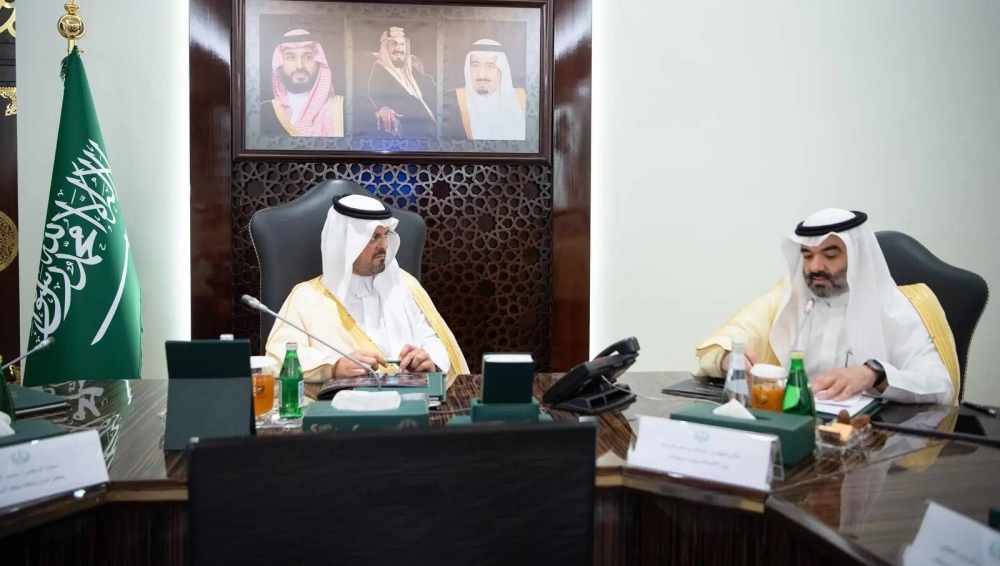
ترأس نائب أمير منطقة مكة المكرمة نائب رئيس اللجنة الدائمة للحج والعمرة الأمير سعود بن مشعل بن عبدالعزيز في مقر الإمارة اليوم اجتماعاً بحضور وزير الاتصالات وتقنية المعلومات المهندس عبدالله السواحة، يرافقه عدد من قيادات منظومة الاقتصاد الرقمي والفضاء والابتكار، للاطلاع على جاهزية التقنيات الرقمية والشبكات في مكة المكرمة والمشاعر المقدسة لخدمة ضيوف الرحمن في موسم حج 1446.
واستعرض الاجتماع استعداد المنظومة لموسم حج 1446، التي تسهم بدور رئيسي في تمكين الجهات الحكومية والخدمية من تقديم خدمات عالية الكفاءة للحجاج، من خلال تسخير البنية التحتية الرقمية الداعمة للذكاء الاصطناعي، وإنترنت الأشياء وغيرها؛ بهدف تسهيل رحلة الحاج، وضمان سلامته، وتعزيز كفاءة التشغيل خلال موسم الحج.
وشهدت البنية التحتية الرقمية في مكة المكرمة والمشاعر المقدسة والمدينة المنورة تطوراً نوعياً خلال موسم حج هذا العام، حيث تجاوز عدد المحطات المخصصة لخدمة الحجاج والمزودة بتقنيات الجيلين الرابع والخامس أكثر من 9 آلاف محطة، بزيادة تفوق 6% مقارنةً بموسم حج العام الماضي.
وفي جانب الربط الشبكي، جرى تعزيز أكثر من 2000 كيلومتر من شبكة الألياف الضوئية داخل المشاعر، بزيادة بلغت 7% عن العام السابق، إلى جانب توفير أكثر من 10,500 نقطة واي فاي مجانية لخدمة الحجاج، كما ارتفعت سرعة الإنترنت المتنقل في مكة المكرمة لتصل إلى متوسط 219 ميجابت/ث، ما يعني أنها تمثل ضعفي المتوسط العالمي.
وعلى مستوى التقدم في مشاريع البنية الرقمية في منطقة مكة المكرمة، تناول الاجتماع التحول الكبير في خدمات النطاق العريض اللاسلكي، حيث ارتفع عدد المنازل المغطاة بالإنترنت في القرى والهجر من 16 ألف مسكن في عام 2017 إلى أكثر من 96 ألف مسكن في 2025، بنسبة نمو تفوق 500%، ويُستهدف الوصول إلى تغطية 140 ألف مسكن بنهاية عام 2026، ما يمثل 92% من إجمالي المساكن.
أما على مستوى شبكة الألياف الضوئية في المدن، فقد تضاعف عدد المساكن المغطاة من 462 ألف مسكن في عام 2017 إلى أكثر من مليون مسكن حتى الربع الأول من عام 2025، بنسبة نمو 122%، ويُستهدف تغطية نصف مليون مسكن إضافي بحلول 2027.
The Deputy Emir of the Makkah Region, Deputy Chairman of the Permanent Committee for Hajj and Umrah, Prince Saud bin Mishal bin Abdulaziz, chaired a meeting today at the Emirate's headquarters, attended by the Minister of Communications and Information Technology, Engineer Abdullah Al-Swaha, accompanied by several leaders from the digital economy, space, and innovation sectors, to review the readiness of digital technologies and networks in Makkah and the holy sites to serve the guests of Allah during the Hajj season of 1446.
The meeting reviewed the system's preparedness for the Hajj season of 1446, which plays a key role in enabling government and service entities to provide high-efficiency services to pilgrims by leveraging the digital infrastructure supporting artificial intelligence, the Internet of Things, and more; with the aim of facilitating the pilgrim's journey, ensuring their safety, and enhancing operational efficiency during the Hajj season.
The digital infrastructure in Makkah, the holy sites, and Medina has witnessed significant development during this year's Hajj season, with the number of stations dedicated to serving pilgrims and equipped with 4G and 5G technologies exceeding 9,000 stations, an increase of over 6% compared to last year's Hajj season.
In terms of network connectivity, more than 2,000 kilometers of fiber optic network within the holy sites have been enhanced, marking a 7% increase from the previous year, along with the provision of over 10,500 free Wi-Fi points to serve the pilgrims. Additionally, mobile internet speeds in Makkah have increased to an average of 219 Mbps, which is double the global average.
Regarding advancements in digital infrastructure projects in the Makkah Region, the meeting discussed the significant transformation in wireless broadband services, where the number of homes covered by the internet in villages and hamlets has risen from 16,000 homes in 2017 to over 96,000 homes by 2025, representing a growth rate exceeding 500%. The target is to reach coverage for 140,000 homes by the end of 2026, which represents 92% of the total homes.
As for the fiber optic network in cities, the number of covered homes has doubled from 462,000 homes in 2017 to over one million homes by the first quarter of 2025, with a growth rate of 122%. The goal is to cover an additional half a million homes by 2027.