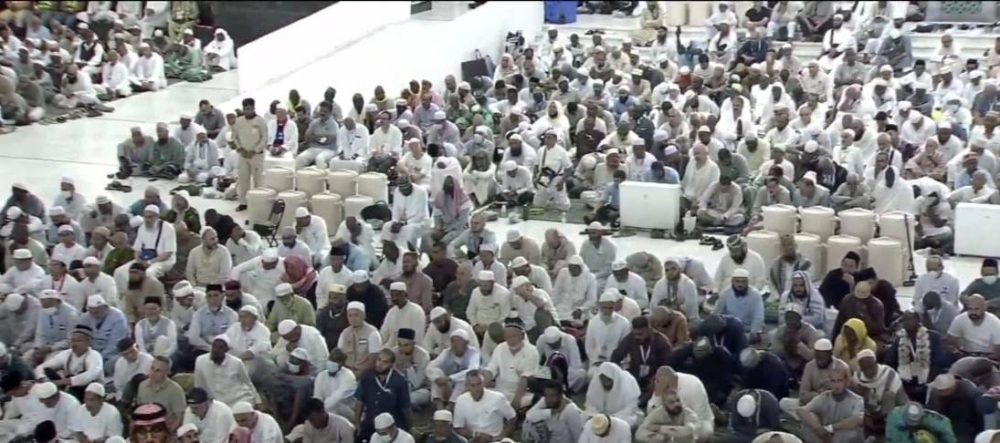
أوصى إمام وخطيب المسجد الحرام الشيخ الدكتور بندر بن عبدالعزيز بليلة المسلمين بتقوى الله وعبادته، والتقرب إليه بطاعته بما يرضيه وتجنب مساخطه ومناهيه.
وأوضح أن المقصود من البلاء والابتلاء تكفير السيئات، وتكثير الحسنات، ورفعة الدرجات، وهي ضُروب لا يمكن حصرها، ويعسر استقصاؤها، منها المادية: من ضيق في الرزق، وعلة في البدن، وفقدان للأهل، وهلاك للحرث، ومنها معنوية: من حُزن، وهم، وغَم، وَخَوْفٍ، وَنَحْوِهَا، وعن أبي سَعِيدٍ الْخُدْرِيِّ وَأَبِي هُرَيْرَةَ، عَنِ النَّبِيِّ ﷺ قَالَ: (مَا يُصِيبُ الْمُسْلِمَ، مِنْ نَصَبٍ وَلَا وَصَبٍ، وَلَا هَم وَلَا حُزْنٍ وَلَا أَذًى وَلَا غَم، حَتَّى الشَّوْكَة يُشَاكُهَا، إِلَّا كَفَّرَ اللَّهُ بِهَا مِنْ خَطَايَاه).
وأفاد الدكتور بندر أن الله -جل وعلا- يبتلي عباده ليشعرهم بفقرهم إليه، وحاجتهم له، وعدم استغنائهم عنه، فيهرعون إليه، ويستغيثون به، فيسمع دعاءهم، ويرى تذللهم، ويبصر تضرعهم، فتنقلب المحنة منحة، والبلاء هبة ومنة، والضر عبادة وخضوعاً، وإلا فإن الله غني عن تعذيب عباده {مَا يَفْعَلُ اللَّهُ بِعَذَابِكُمْ إِن شَكَرْتُمْ وَآمَنتُمْ وَكَانَ اللَّهُ شَاكِرًا عَلِيمًا}، فهنيئًا لمن قابل ذلك بإحسان الظن بربه، فسلم أمره لله، ورضي واسترجع، وأعقب ذلك صدق الالتجاء، وإخلاص الدعاء، فاستحق من الله الرحمة والثناء، ويا خيبة ويا خسارة من قابل ذلك بالتسخط والعصيان، والتمرد والكفران، فباء بغضب من الرحمن.
وبيَّن فضيلته أنه لا يفهم من ذلك الترغيب في التعرض للبلاء، ولا الحث على تمني الابتلاء، معاذ الله، فإن ذلك من قلة العقل ونقص في الدين، فالمؤمن لا يدري أَيصبر أم يَسْخَط، أَيَشْكُر أم يَكْفُر، والعافية لا يعدلها شيء، ولكن من سَبَق في علم الله أن يلحقه بلاء، وأن يُصاب بابتلاء، فعليه بالصبر والرضا ما استطاع، فإن ما أصابه لم يكن ليخطئه، وما أخطأه لم يكن ليصيبه، رفعت الأقلام وجفت الصحف.
وأفاد الدكتور بندر بأنه من الابتلاء ما يصيب الناس ويلحقهم من عنت ولأواء، بسبب شدة حر الصيف وزمهرير الشتاء، فعن أبي هريرة -رضي الله عنه- قال: قال رسول الله -صلى الله عليه وسلم-: «اشْتَكَتِ النَّارُ إِلَى رَبِّهَا فَقَالَتْ: يَا رَبِّ، أَكَلَ بَعْضِي بَعْضًا! فَأَذِنَ لَهَا بِنَفَسَيْنِ: نَفَس فِي الشَّتَاءِ وَنَفَس فِي الصَّيْفِ، فَهُوَ أَشَدُّ مَا تَجِدُونَ مِنَ الْحَرِّ وَأَشَدُّ مَا تَجِدُونَ مِنَ الزَّمْهَرِيرِ»، وإن الصبر فيه على الطاعات والتجلد فيه على القربات مما يعظم الأجر عند رب الأرض والسماوات من جمع وجماعات، وطواف بالبيت أوقات الظهيرات، ومن أجل العبادات القيام على أمن وسلامة وخدمة حجاج بيت الله الحرام، من طرف رجال الأمن وباقي الجهات والهيئات، وبخاصة في ما يستقبل من العشر المباركات، التي تضاعف فيها الحسنات وترفع فيها الدرجات، فاحتسبوا فيها أعمالكم عند ربكم، فإن الأجر على قدر المشقة، متى ما حصلت اتفاقًا، واعلموا أنما هي أيام قلائل تمضي وتنقضي، ويبقى الثواب عند من لا يضيع عنده مثقال ذرة.
The Imam and preacher of the Grand Mosque, Sheikh Dr. Bandar bin Abdulaziz, advised Muslims to be mindful of God and worship Him, to draw closer to Him through obedience that pleases Him, and to avoid His displeasure and prohibitions.
He explained that the purpose of trials and tribulations is to expiate sins, increase good deeds, and elevate ranks. These are types that cannot be enumerated and are difficult to exhaust, including material ones: such as hardship in sustenance, illness in the body, loss of loved ones, and destruction of crops, as well as spiritual ones: such as sadness, worry, grief, fear, and similar matters. From Abu Sa'id Al-Khudri and Abu Huraira, the Prophet ﷺ said: (No fatigue, nor disease, nor sorrow, nor grief, nor harm, nor distress befalls a Muslim, even a thorn that pricks him, except that Allah expiates some of his sins because of it).
Dr. Bandar stated that Allah -Glory be to Him- tests His servants to make them feel their poverty to Him, their need for Him, and their dependence on Him, so they rush to Him and seek His help. He hears their supplications, sees their humility, and observes their earnestness in prayer. Thus, the trial becomes a gift, and the affliction a blessing and grace, while hardship turns into worship and submission. Otherwise, Allah is free from the need to punish His servants: {What would Allah do with your punishment if you were grateful and believed? And ever is Allah Appreciative and Knowing}. Blessed is the one who responds to this with good thoughts about his Lord, submits his affairs to Allah, is content, and seeks patience, followed by sincere supplication, thus deserving of Allah's mercy and praise. Woe to those who respond with discontent, rebellion, and ingratitude, for they will incur the wrath of the Most Merciful.
His Eminence clarified that this does not imply encouragement to seek out trials or urging to wish for afflictions, God forbid, as that reflects a lack of intellect and deficiency in faith. The believer does not know whether he will be patient or discontent, whether he will be grateful or ungrateful, and there is nothing comparable to health. However, if it has been decreed in Allah's knowledge that a person will face a trial, he should be patient and content as much as he can, for what has befallen him was not meant to miss him, and what missed him was not meant to befall him. The pens have been lifted and the pages have dried.
Dr. Bandar mentioned that among the trials are those that afflict people with hardship and distress due to the intense heat of summer and the biting cold of winter. Abu Huraira -may Allah be pleased with him- reported that the Messenger of Allah -peace be upon him- said: "The Fire complained to its Lord and said: O my Lord, some of me has consumed some of me! So He permitted it two breaths: one in winter and one in summer, and that is the most intense heat you experience and the most intense cold you experience." Patience in obedience and endurance in acts of worship during these times greatly increases the reward with the Lord of the heavens and the earth, including congregational prayers, circumambulation of the House during the hottest times of the day, and the essential acts of standing in safety and service to the pilgrims of the Sacred House, by the security personnel and other agencies, especially during the blessed ten days that multiply good deeds and elevate ranks. So, count your deeds during these days before your Lord, for the reward is commensurate with the hardship, whenever it occurs by chance. And know that these are just a few days that pass and come to an end, while the reward remains with the One who does not let a speck of dust go to waste.